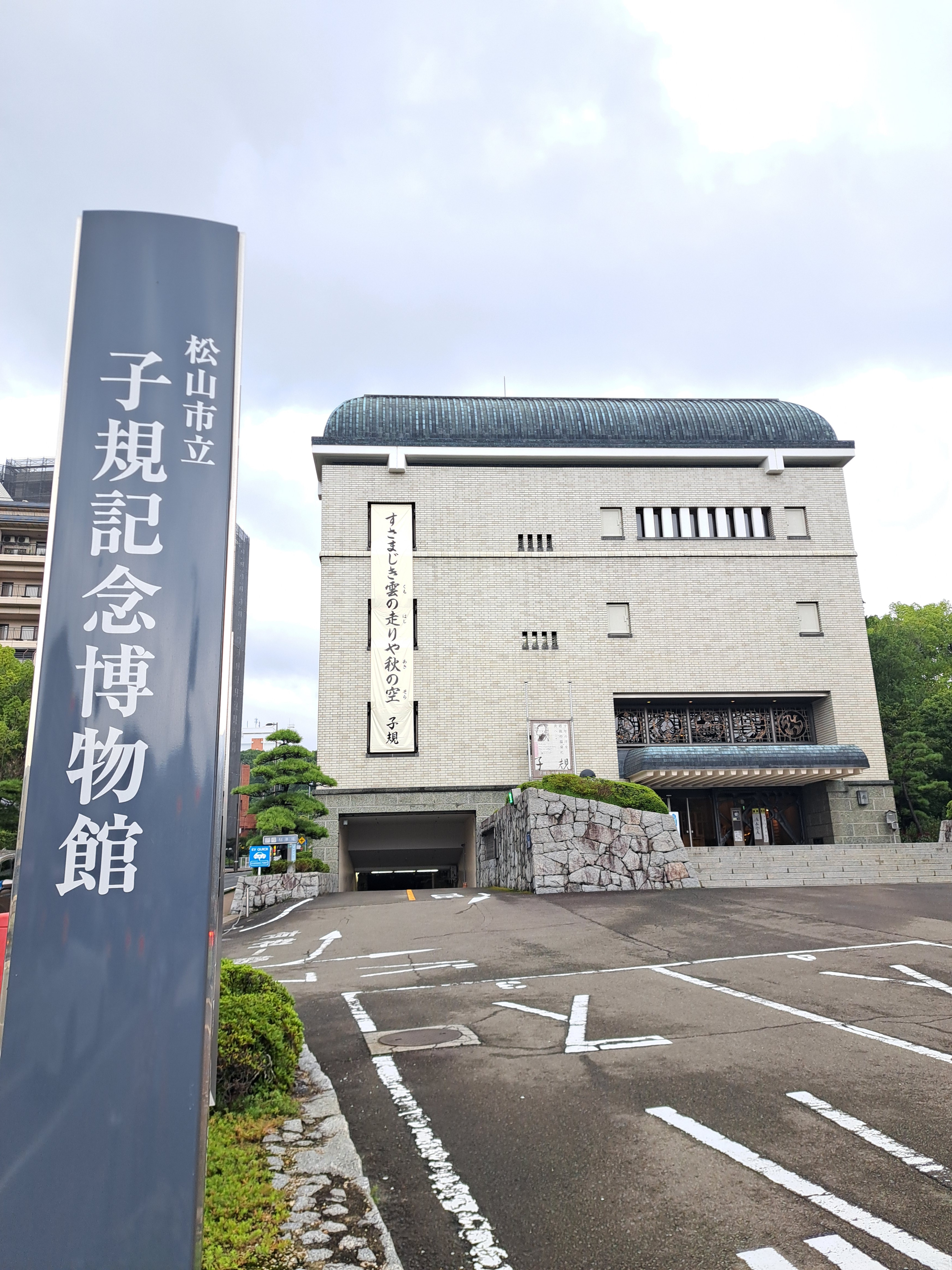
Matsuyama Municipal Shiki Memorial Museum
A museum on the life and work of Masaoka Shiki, the haiku poet born in Matsuyama, next to Dogo Park. Exhibits include a partial reconstruction of Gudabutsuan, the house where Shiki lived with the novelist Natsume Soseki, along with materials on Shiki, the Masaoka family and Matsuyama's literary history.
The Shiki Memorial Museum is a literature museum located in Dogo Park, Matsuyama City. Focusing on the life and achievements of Masaoka Shiki (1867–1902), a haiku poet born in Matsuyama, it introduces the history and literature of Matsuyama. It is adjacent to Dogo Park (the ruins of Yuzuki Castle) and is within walking distance of Dogo Onsen.
Exhibitions
Visitors can see original handwritten materials and personal belongings of Masaoka Shiki, materials related to Natsume Soseki and Takahama Kyoshi who interacted with Shiki, and exhibitions on Matsuyama's literary history. There are also exhibits recreating the house where Shiki spent his later years and part of "Gudabutsuan," where he lived together with Soseki.
Information for International Visitors
Audio guide systems are available for rental, supporting Japanese, English, Chinese, Taiwanese, and Korean (100 yen per unit). Pamphlets in English, Chinese, Taiwanese, and Korean are also available. The museum supports cashless payments (cannot be used in combination with cash).
Facilities
Multipurpose restrooms are located on the 1st and 4th floors, and the 1st floor restroom can be used without an admission fee. Ostomate-compatible facilities, baby cribs, and baby chairs are available. There are 2 elevators, and the one on the left is wheelchair accessible. A slope provides access from the parking lot into the building. However, movement within the paid exhibition rooms on the 2nd and 3rd floors is by stairs, so wheelchair users can use the call button to receive guidance from staff.
Visitor Information (As of September 2026)
- Opening Hours: May 1 – October 31: 9:00–18:00 (Admission until 17:30) / November 1 – April 30: 9:00–17:00 (Admission until 16:30)
- Admission Fee: Adults 500 yen (groups of 20 or more: 400 yen), Age 65 and older: 250 yen (groups: 200 yen; ID/certificate required), Elementary, junior high, and high school students: Free. Free for disability certificate holders and 1 caregiver. Separate fee for special exhibitions
- Closed: Varies depending on the season (Please check the opening calendar on the official website)
- Location: 1-30 Dogo Park, Matsuyama City
Source: Shiki Memorial Museum Official Website "To Visitors" (https://shiki-museum.com/visit/traveler.php). Please check the official website for special exhibitions and temporary closures.
Last Confirmed Date: September 5, 2026
Articles that mention this place
文学
Waters of Literature: The Dogo Walked by Masaoka Shiki and Natsume Soseki
Masaoka Shiki (1867–1902) and Natsume Soseki, who took a post at Matsuyama Middle School in 1895. This article covers Gudabutsu-an, the lodgings where the two lived together for 52 days (rebuilt in 2026/7), admission fees and opening hours at the Shiki Memorial Museum, and Isaniwa Yukiya, who rebuilt Dogo Onsen Honkan.
歴史
Botchan Ressha: The Meiji-Era Train Named by "Botchan"
The Botchan Ressha runs only on Saturdays, Sundays, and national holidays, with a one-way fare of 1,300 yen for adults. Numbered boarding tickets for same-day trips departing from Dogo Onsen Station are distributed starting at 8:30 in the morning. This article summarizes operating days, timetables, boarding stops, and history from its opening in 1888 (Meiji 21) to its restoration in the Heisei era.
まちあるき
An Example of a Walking Model Course for a Day Trip Exploring Dogo Onsen and Dogo Park on Foot
For travelers visiting on a day trip from central Matsuyama City, this article explains an example of walking steps and precautions for efficiently touring the three public baths of Dogo Onsen and the area around Dogo Park on foot.
温泉
Day-use hot springs at ryokan and hotels in the Dogo Onsen area
Several ryokan and hotels in the Dogo Onsen area open their large communal baths and other hot-spring facilities to visi
Walking the town
8 Museums and Art Galleries Around Dogo — Opening Days, Admission Fees, and Walking Routes
This guide compiles the opening hours, closed days, and admission fees of 8 museums, art galleries, and temple treasure halls that can be visited on foot from Dogo Onsen Station, and presents 2 walking routes based on differences in closed days. The Shiki Memorial Museum is closed on Tuesdays, the Seki Art Museum is closed on Mondays and Tuesdays, Bydeisha is closed on Tuesdays and Wednesdays, and Matsuyama Togetsuan is open only on Saturdays and Sundays.
More spots in Dogo Park & Isaniwa Shrine Area
See all in this area →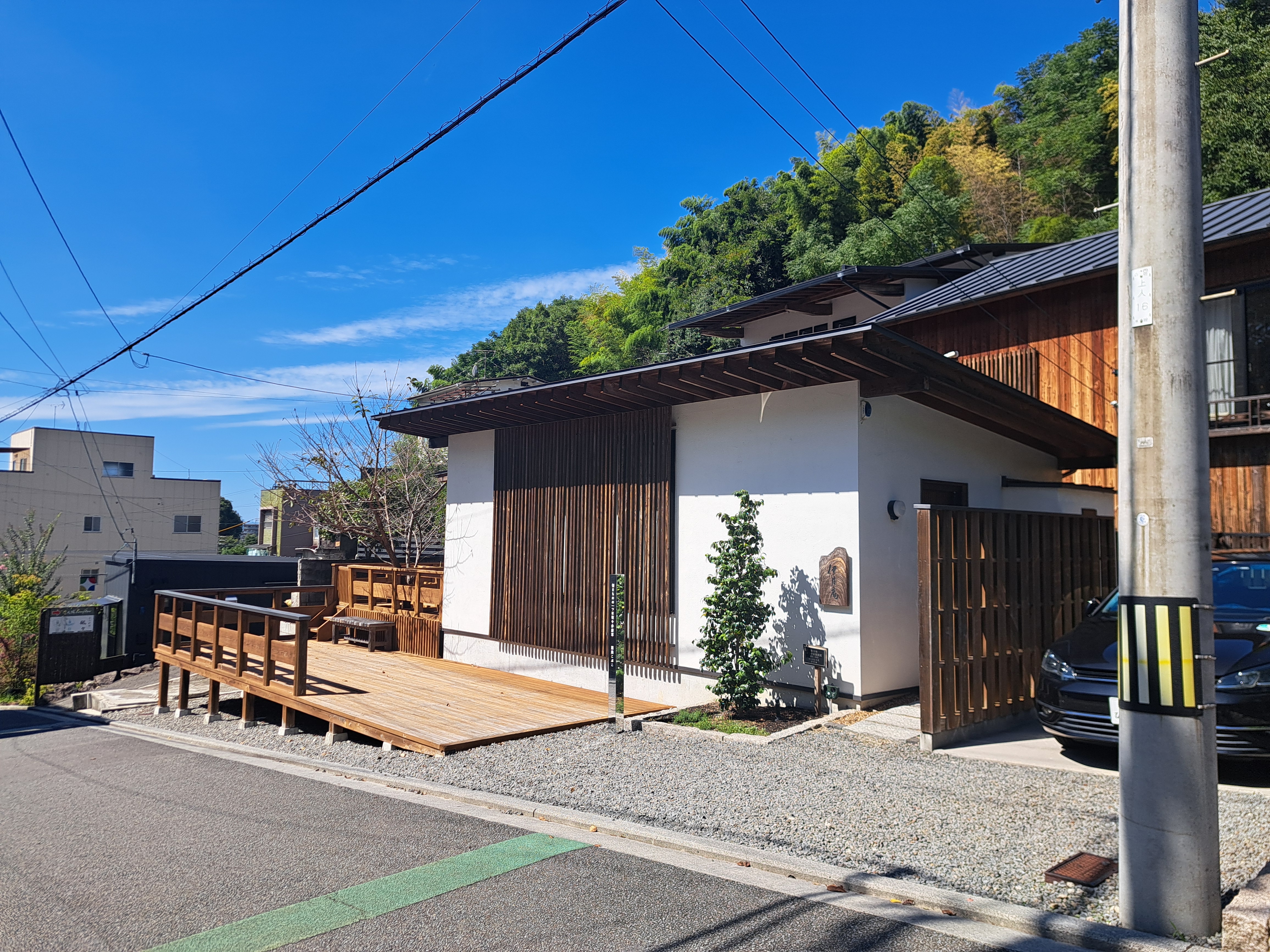
Igetsuan
A haiku hermitage located on Shoninzaka in Dogo Yuzukicho. Completed in 2018, it is considered the fourth hermitage in Matsuyama, following Koshin-an, Gudabutsu-an, and Isso-an. It can be used for haiku gatherings and other events on a reservation basis.
Matsuyama Kanko Rinji Parking
A temporary parking area with approximately 60 free spaces, open only on designated days during busy periods.
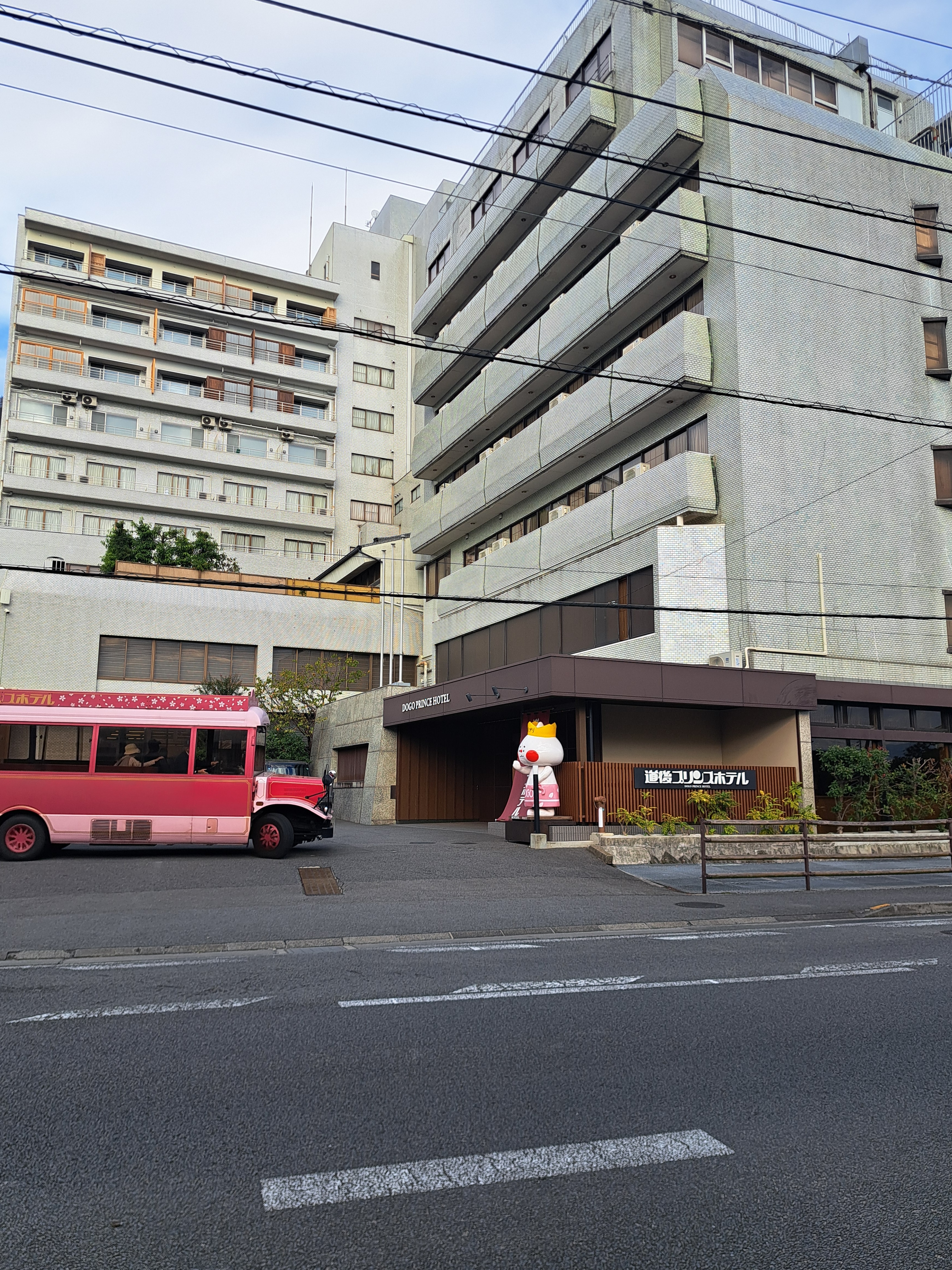
Dogo Prince Hotel
A large hot spring hotel on high ground in Dogo. It has a range of baths, including the large bath Yunoka, the open-air bath Yunone and private open-air baths, and serves kaiseki meals.
Dogo Onsen Honkan East Side Public Toilet
A public toilet located on the east side of Dogo Onsen Honkan. It can be used during walks around the Honkan.
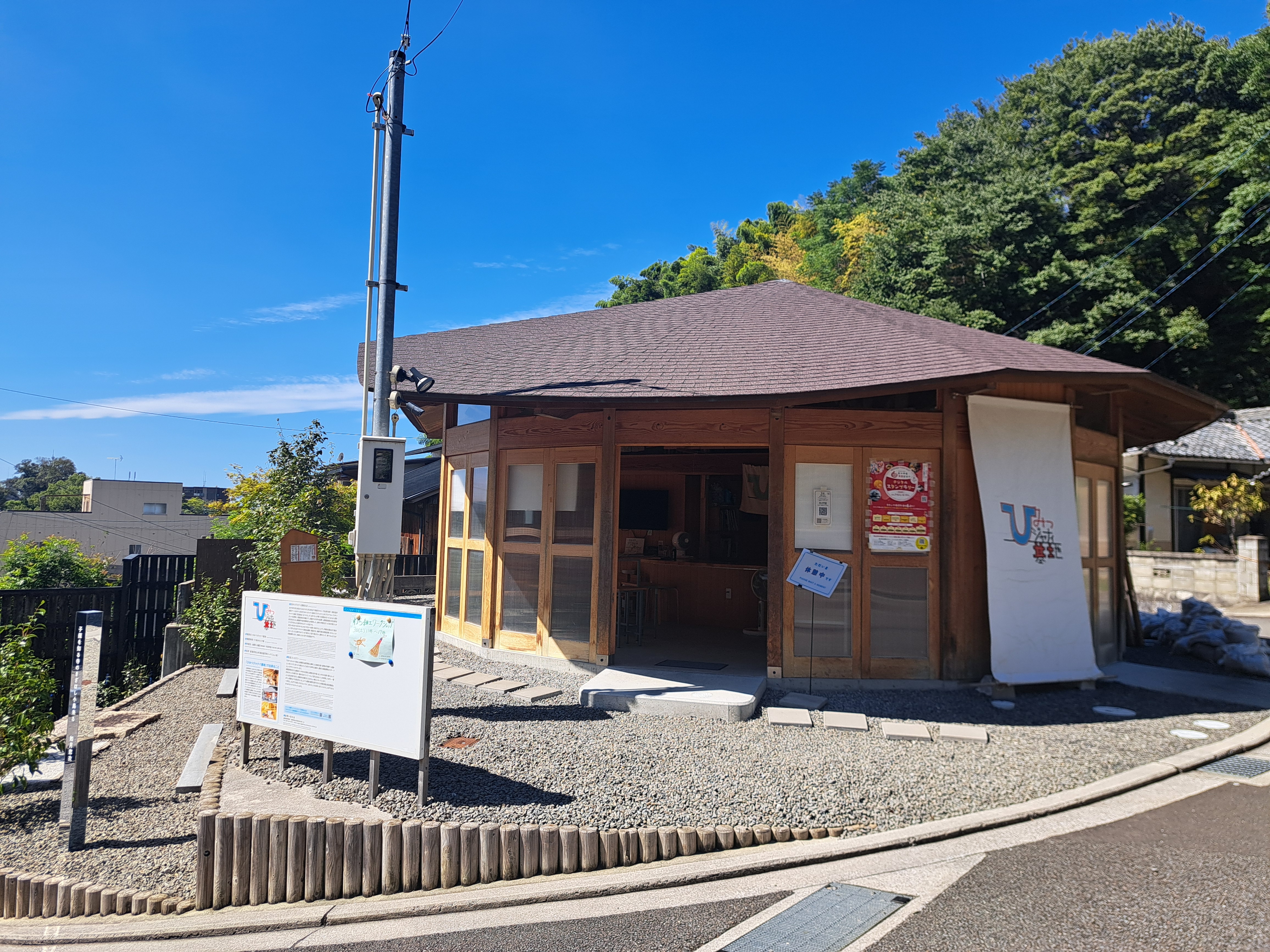
Himitsu Janai Kichi
An art spot was established in Dogo Yumotomachi as part of Dogo Onsen Art. It is open mainly on weekends and holidays.
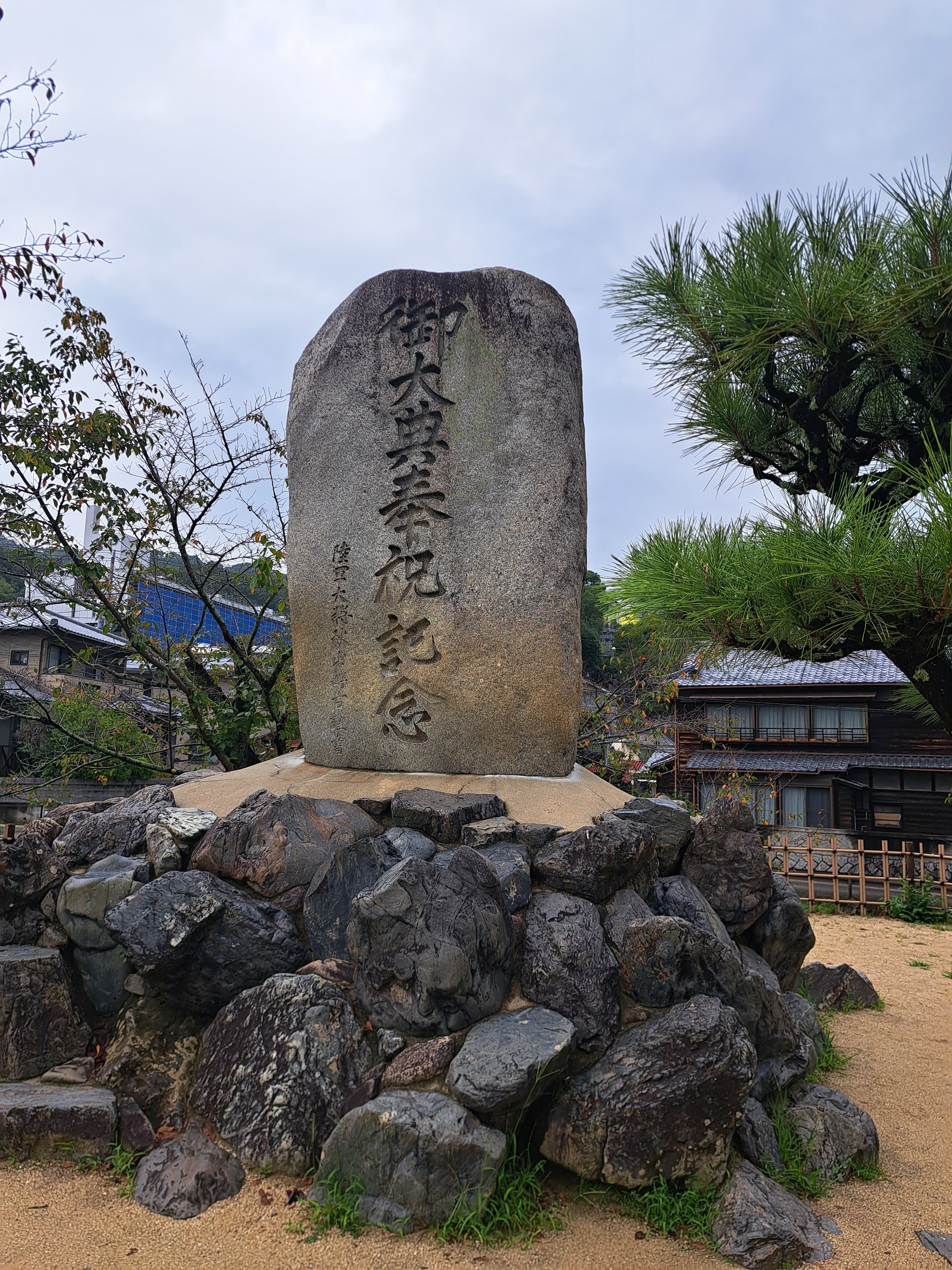
Enthronement Commemoration Monument
A monument within Dogo Park. It was erected to celebrate the Gotaiten, the imperial enthronement ceremony, and can be viewed while strolling through the park.
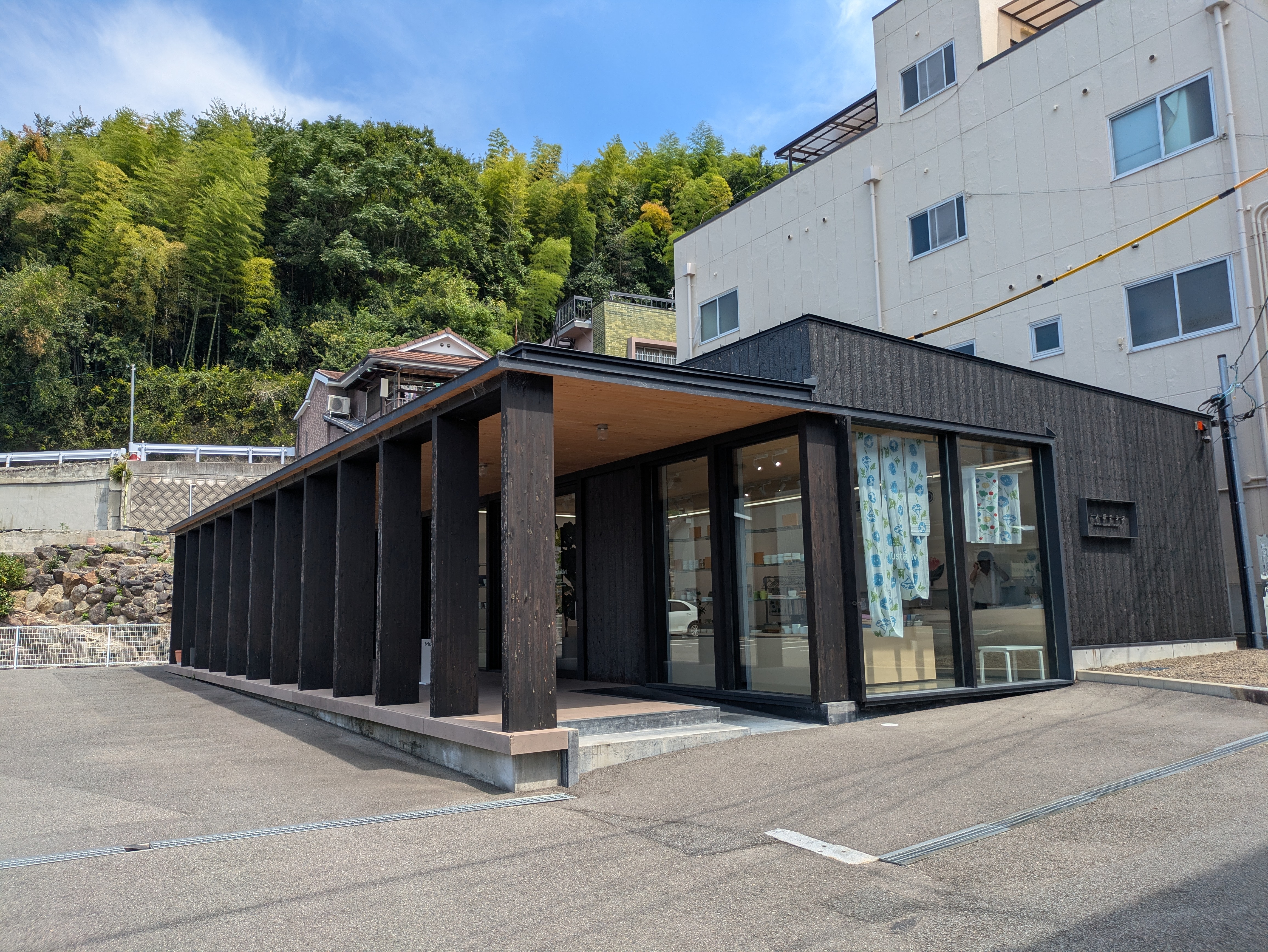
Mustakivi gallery&
A gallery and shop by textile and ceramics artist Ishimoto Too. It handles original works such as Tobe ware and tenugui.
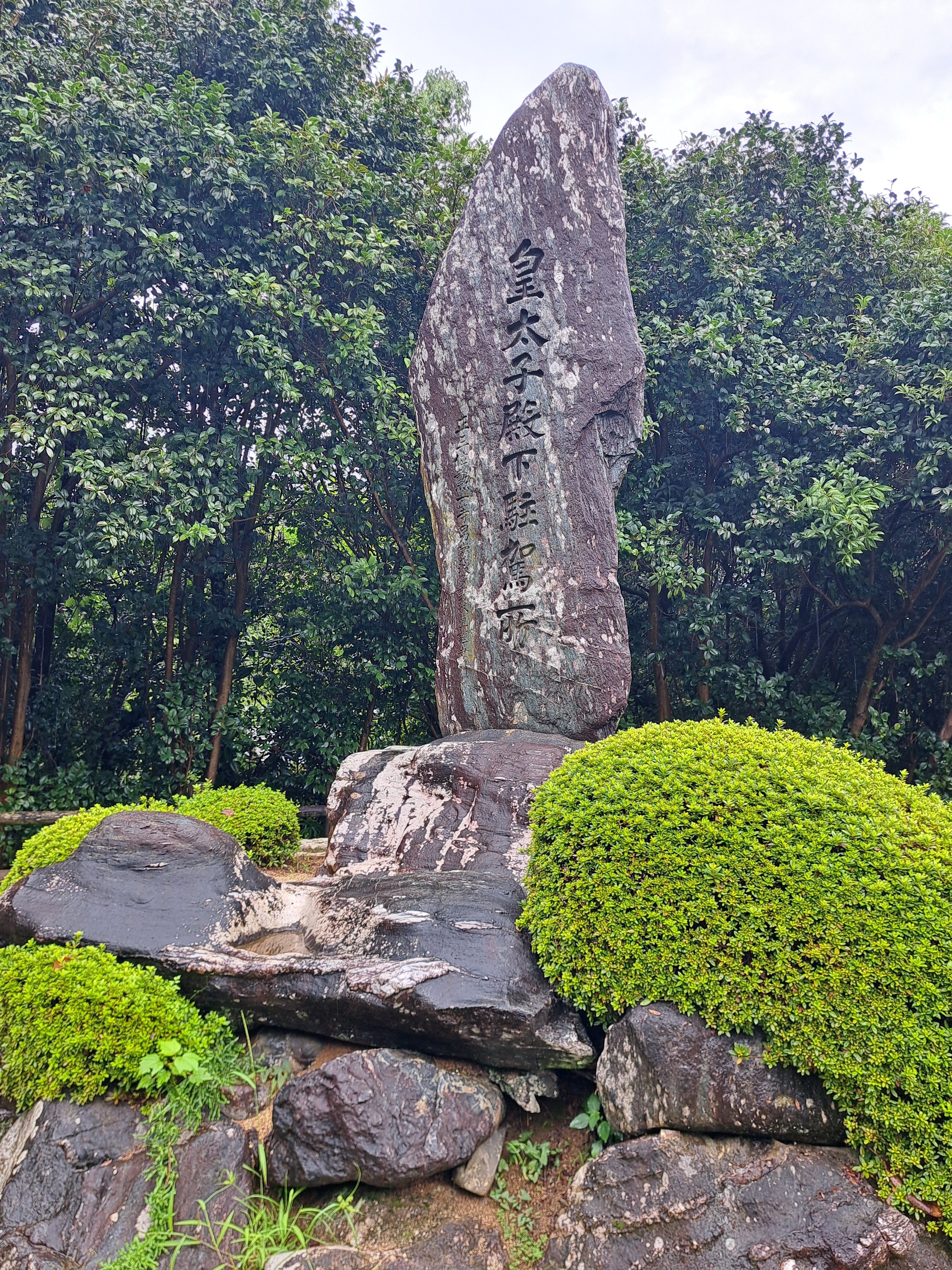
Monument to the Crown Prince's Visit
A stone monument within Dogo Park. This monument, indicating "Chugasho" (a place where the Crown Prince stopped), can be seen while strolling around the park.
More "Museums & Archives" spots
See all in this category →Matsuyama Togetsuan Museum
A museum of Matsuyama's culture and history utilizing a former samurai residence in Mochidacho, open only on Saturdays and Sundays.
Yuzuki Castle Museum
A free museum in Dogo Park (Yuzuki Castle ruins). It conveys Yuzuki Castle through excavated artifacts and reconstructed samurai residences.