Stone Monuments & Poem Steles
All spots in this category (17)
Yuzuki Castle Site Monument
A stone monument in Dogo Park. It conveys the site of Yuzuki Castle, where the Kono clan had its base for approximately 250 years in the Middle Ages. The castle site is a National Historic Site and one of Japan’s Top 100 Castles. Admission to the Yuzuki Castle Museum within the park is free.
Iyo Yuoka Monument (Replica)
A monument in Dogo Park. It conveys the tradition of a monument related to Prince Shotoku’s visit to Dogo Onsen (the original monument does not exist). Dogo Onsen is one of Japan’s three oldest hot springs and an ancient bath mentioned in the Manyoshu.
Sakai Mokuzen Haiku Monument (Iwazeki Amusement Park)
A haiku monument inscribed with a poem by Sakai Mokuzen, standing in the amusement park at Iwazeki in Ishite, Matsuyama. It can be seen while walking the area.
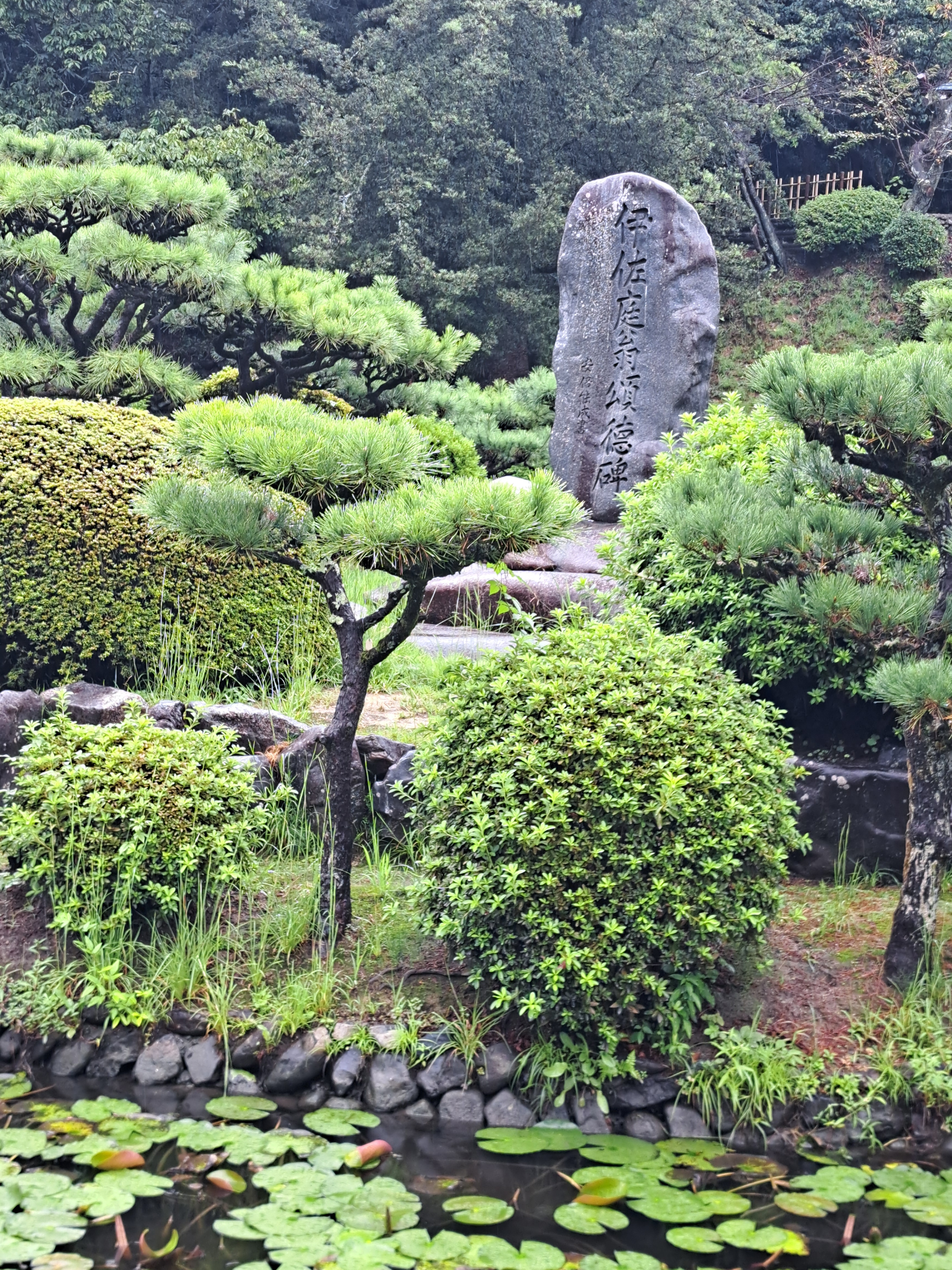
Monument to the Merits of Isaniwa
A monument in Dogo Park. It honours Isaniwa Yukiya, the first mayor of Dogo Yunomachi, who led the 1894 (Meiji 27) rebuilding of Dogo Onsen Honkan. The Honkan is a nationally designated Important Cultural Property.
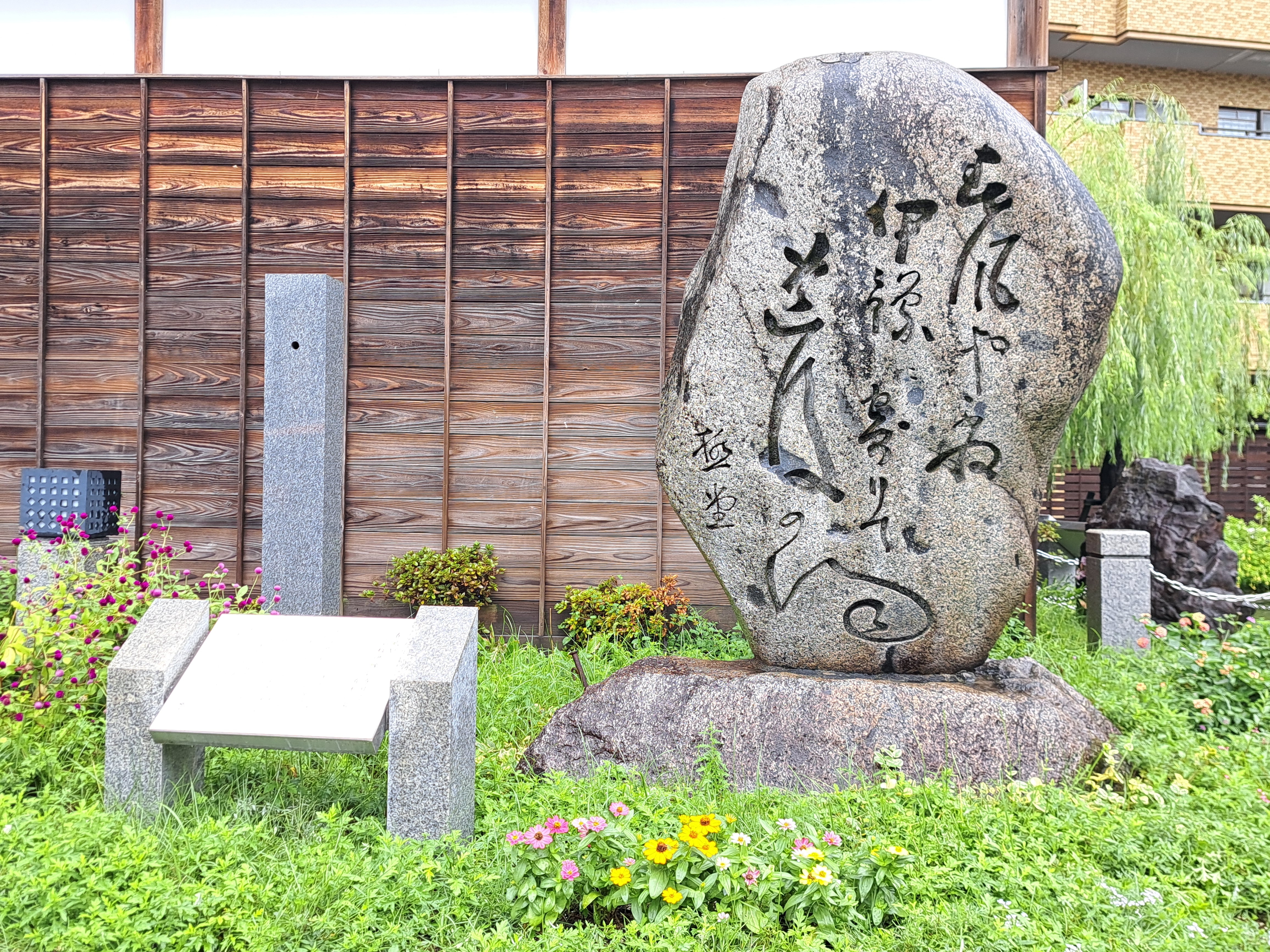
Yanagihara Kyokudo Haiku Monument
A haiku monument is located in Hojoen, in front of Dogo Onsen Honkan. It commemorates Ryu Hiroshi (1867–1957), a poet from Matsuyama. Ryu Hiroshi founded the literary magazine 'Hototogisu' in Matsuyama in 1897, and became the first honorary citizen of Matsuyama City.
Masaoka Shiki Haiku Monument (Ishite-ji Temple Approach)
A haiku monument of Masaoka Shiki is located on the approach to Ishite-ji Temple, the 51st pilgrimage temple in Shikoku. It can be visited along with a visit to Ishite-ji Temple, known for its National Treasure, Nio-mon.
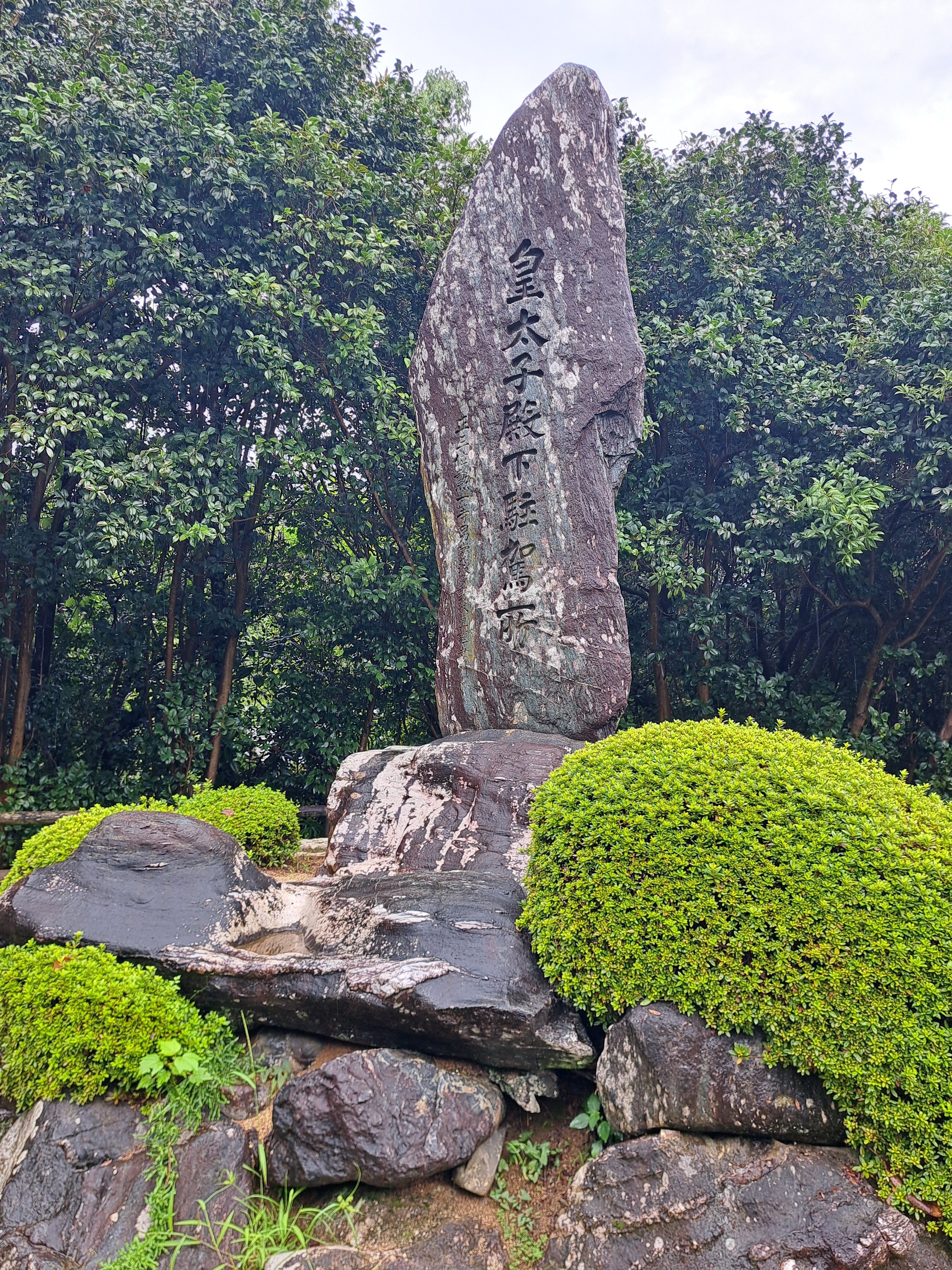
Monument to the Crown Prince's Visit
A stone monument within Dogo Park. This monument, indicating "Chugasho" (a place where the Crown Prince stopped), can be seen while strolling around the park.
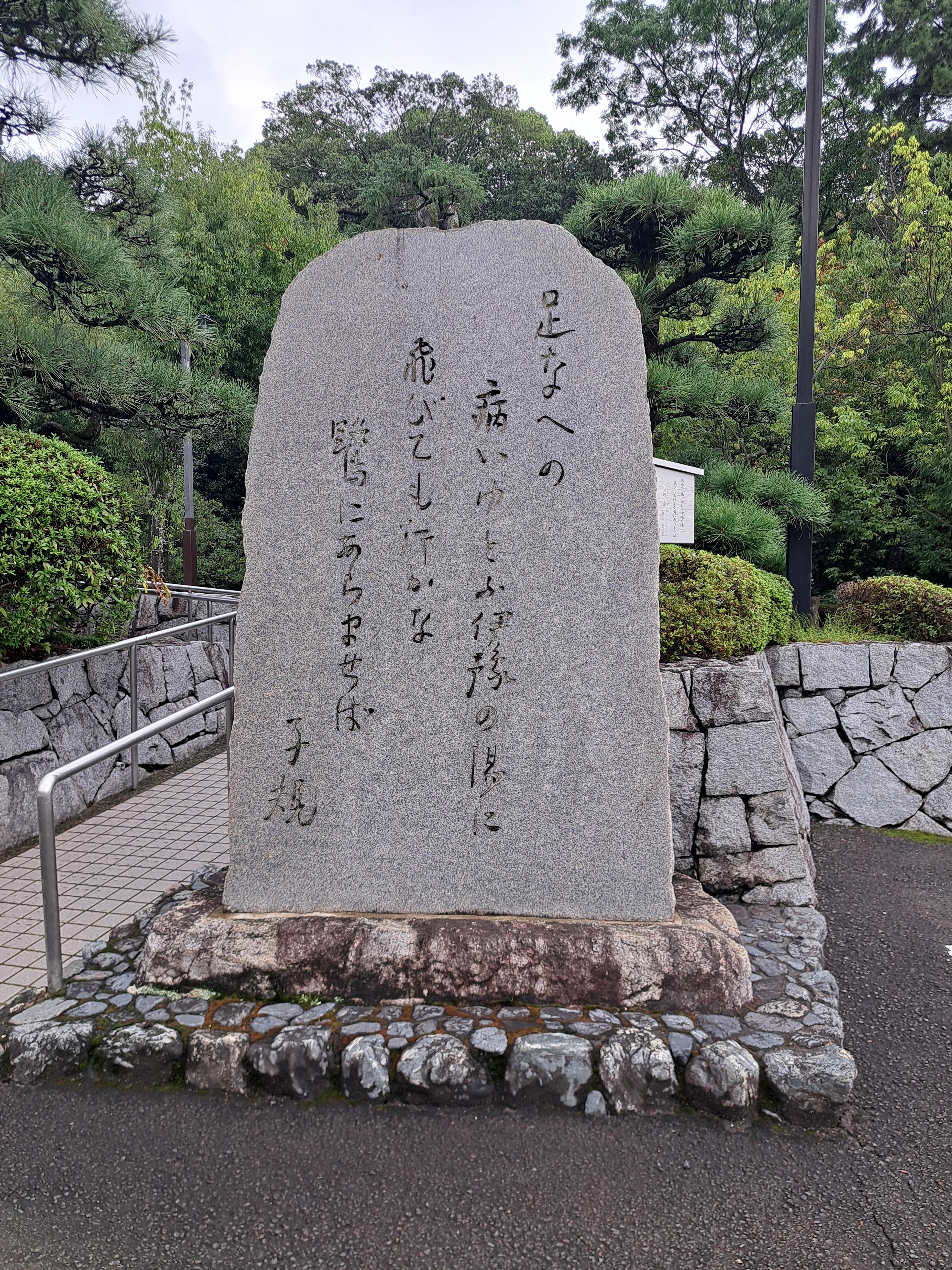
Masaoka Shiki Haiku Monument
Located within Dogo Park, near the Masaoka Shiki Memorial Museum. This haiku monument commemorates Masaoka Shiki (1867–1902), a poet from Matsuyama. Shiki led a movement to innovate haiku in the newspaper 'Nippon'.
Sakai Mokuzen Haiku Monument (Matsuyama Shrine)
A haiku monument inscribed with a poem by Saiwai Mokuzen stands within the grounds of Matsuyamajinja in Iwaidani, Matsuyama. It can be viewed along with visiting the shrine.
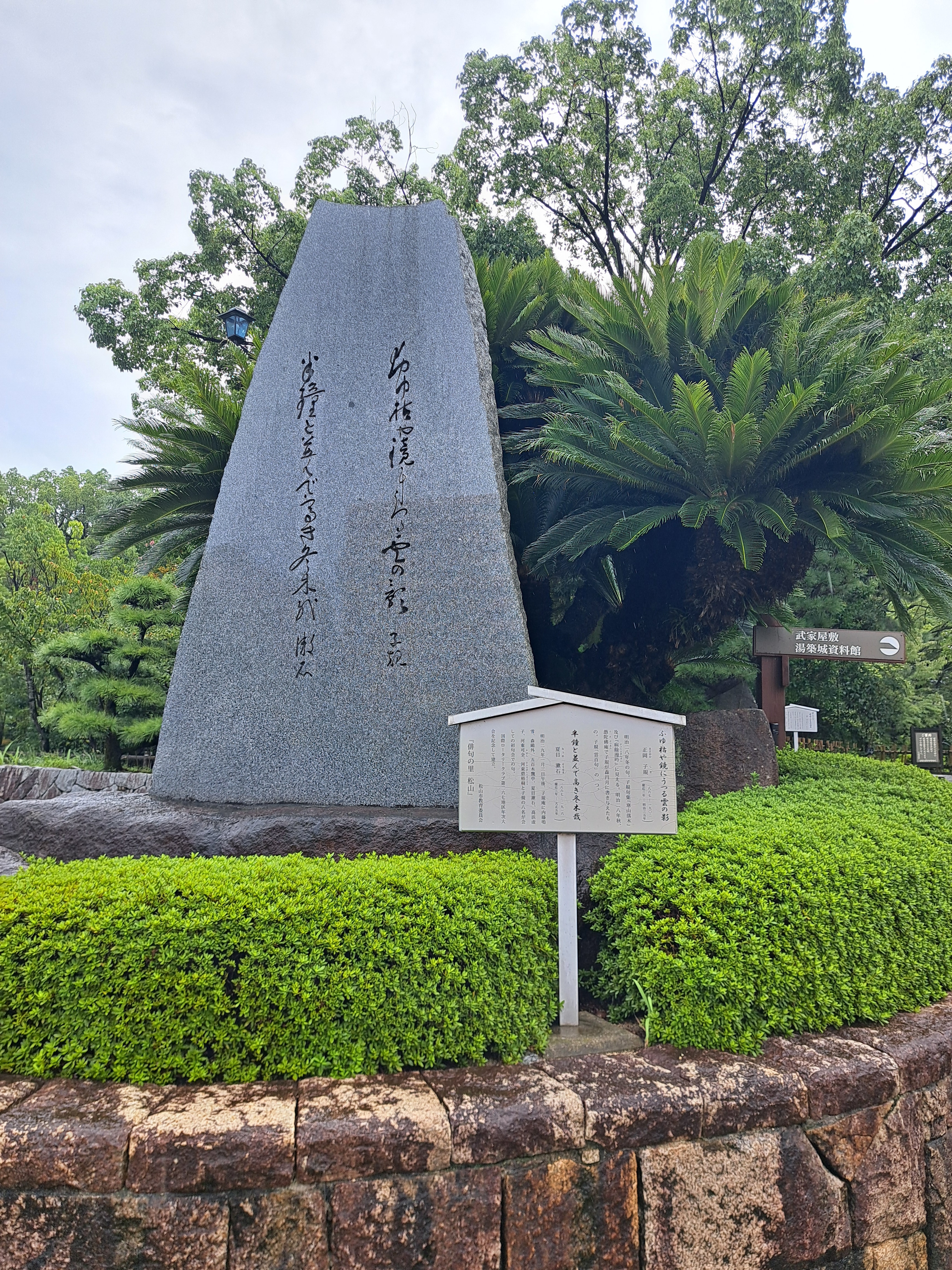
Natsume Soseki Haiku Monument
A haiku monument in Dogo Park. It commemorates Natsume Soseki (1867–1916), the author known by the pen name “Gudabutsu.” Natsume Soseki was assigned to Matsuyama in 1895, and that experience was reflected in the novel *Botchan*.
Kawahigashi Hekigoto Haiku Monument (Path of Haiku)
A haiku monument to Kawahigashi Hekigoto on the Path of Haiku in Dogo Kitamachi. Born in Matsuyama, he studied under Shiki and advanced the new-tendency style of haiku.
Sakai Mokuzen Haiku Monument (Iwaidani Community Center)
A haiku monument with a haiku by Sakai Mokuzen stands in front of Iwaidani Kominkan in Matsuyama. It is one of the haiku monuments scattered throughout Matsuyama.
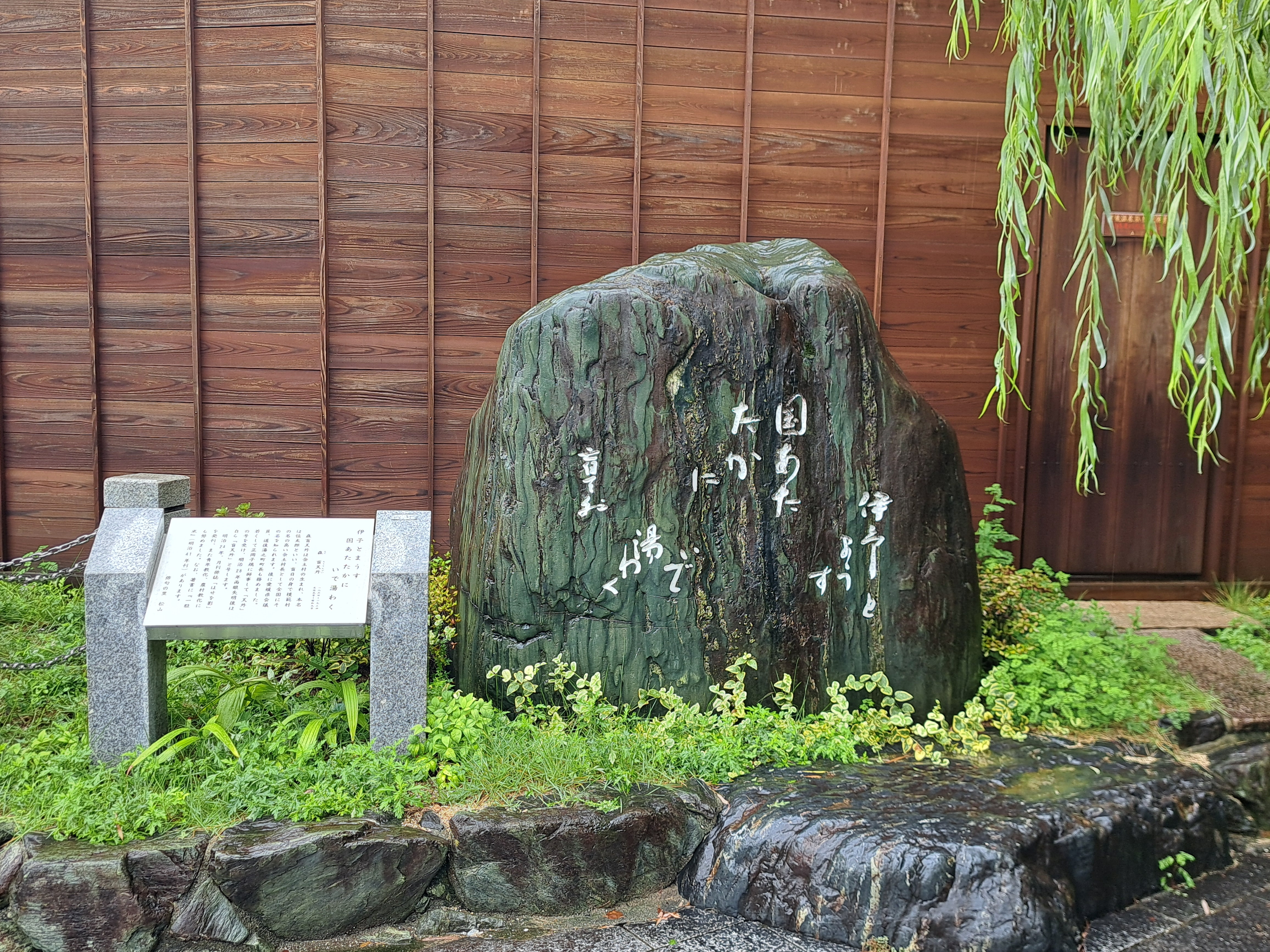
Mori Motengai Haiku Monument
A haiku monument is located in Hojoen, in front of Dogo Onsen Honkan. It commemorates Mori Motengai (1864–1934), a politician and poet who served as the head of Dogo Yunomachi. He studied under Shiki and received the haiku name “Ten-gai.”
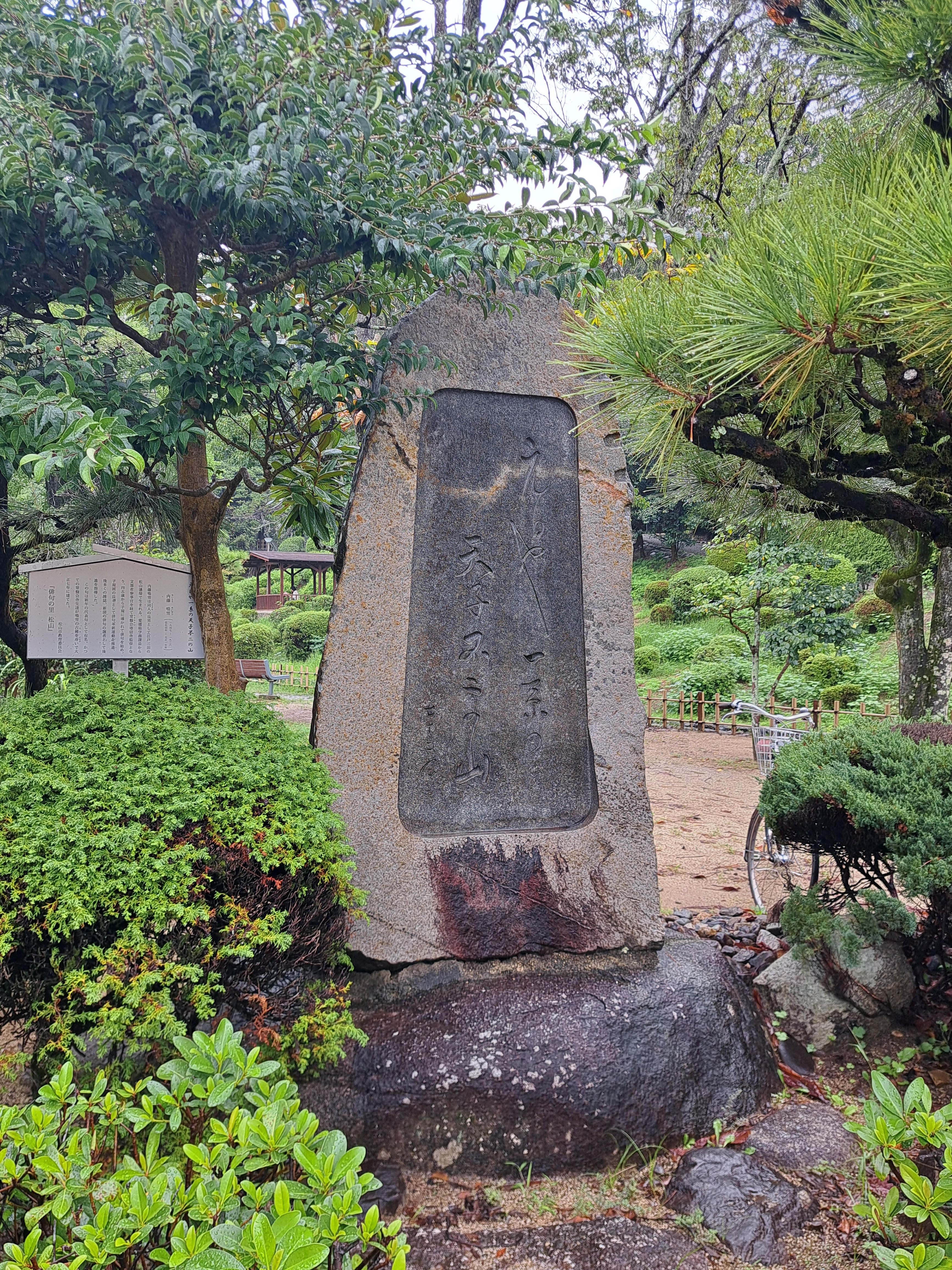
Naito Meisetsu Haiku Monument
This haiku monument is in Dogo Park. It is inscribed with the verse "Mottozu ya itsuika no tenzi futai no yama". In 1918, former dormitory residents erected it as a longevity monument to celebrate the long life of the poet Naito Meisetsu (1847–1926).
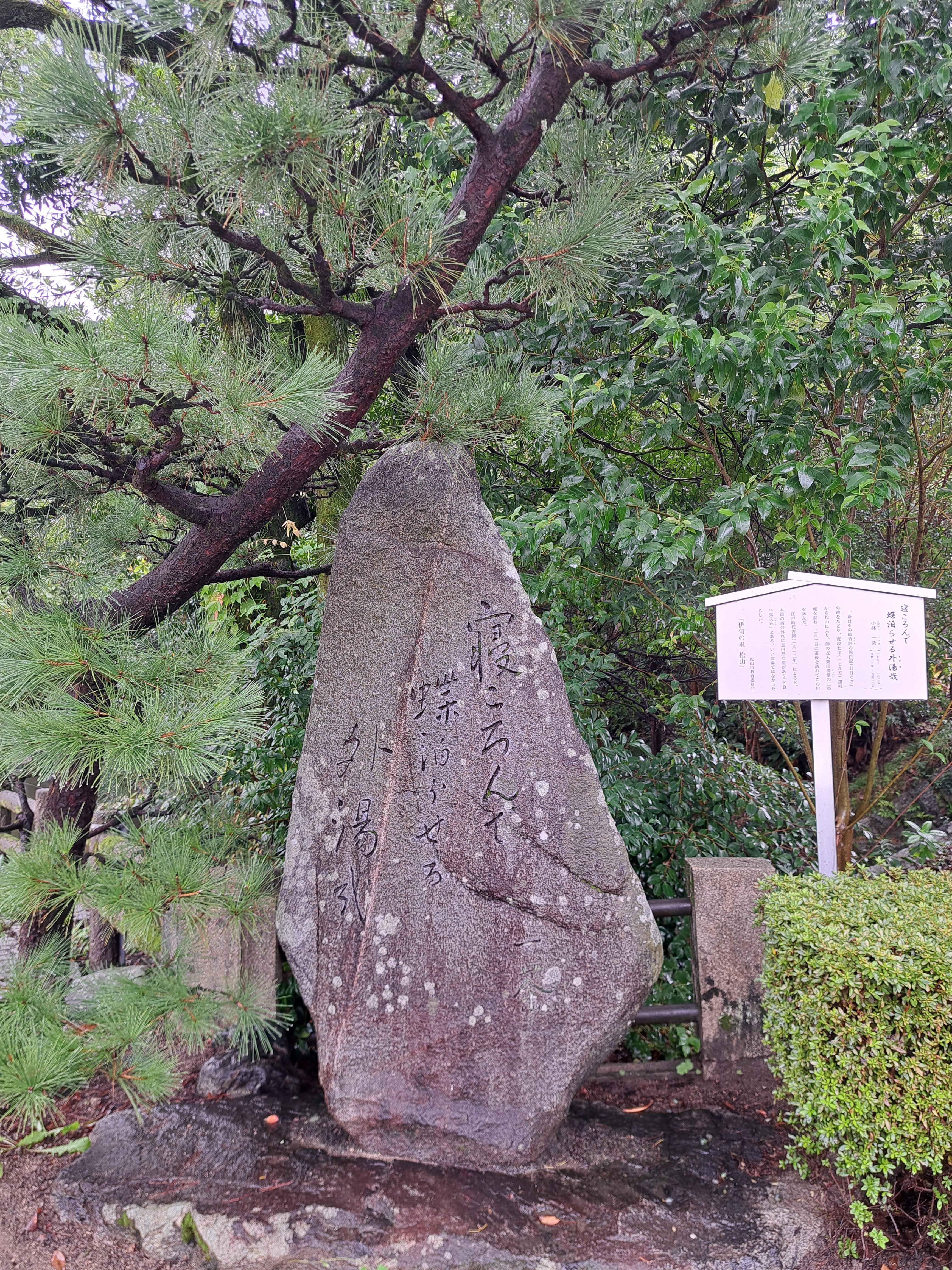
Kobayashi Issa Haiku Monument
The Kobayashi Issa haiku monument is located in Dogo Park, in front of the Shiki Memorial Museum. It transmits haiku from the prominent poet of the late Edo period.
Taneda Santoka Haiku Monument (Choken-ji Temple)
A haiku monument at Choken-ji Temple in Miyuki, Matsuyama. It commemorates Taneda Santoka (1882–1940), a poet of free-form haiku. Santoka spent his final years at the hermitage Isso-an in Matsuyama, where he died.
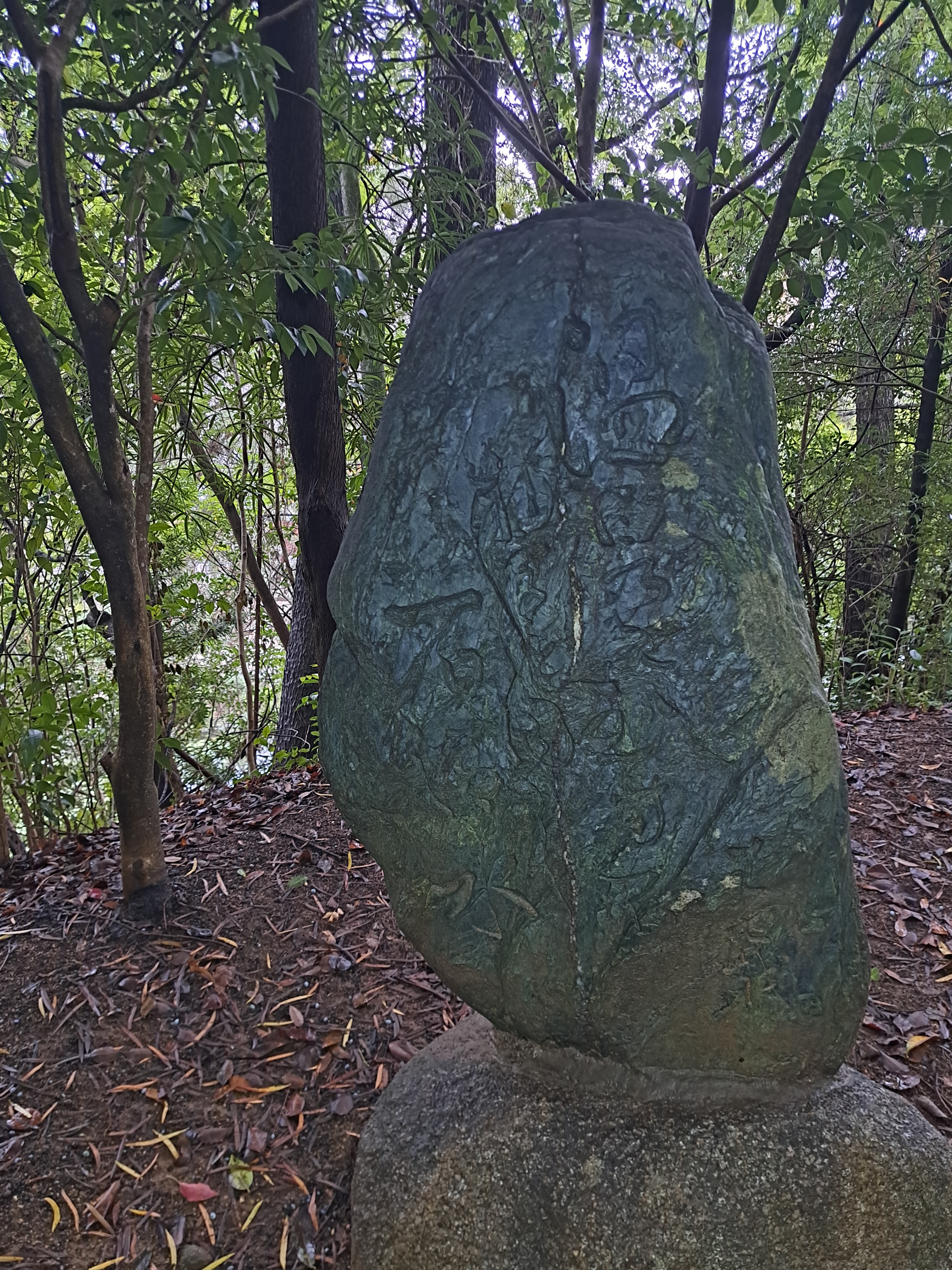
Matsuo Basho Haiku Monument
This is a haiku monument of Matsuo Basho in Dogo Park. It transmits a haiku of Matsuo Basho, a poet of the early Edo period known as the Sage of Haiku.