Maeda Goken Senryu Monument (Ishite-ji Approach)
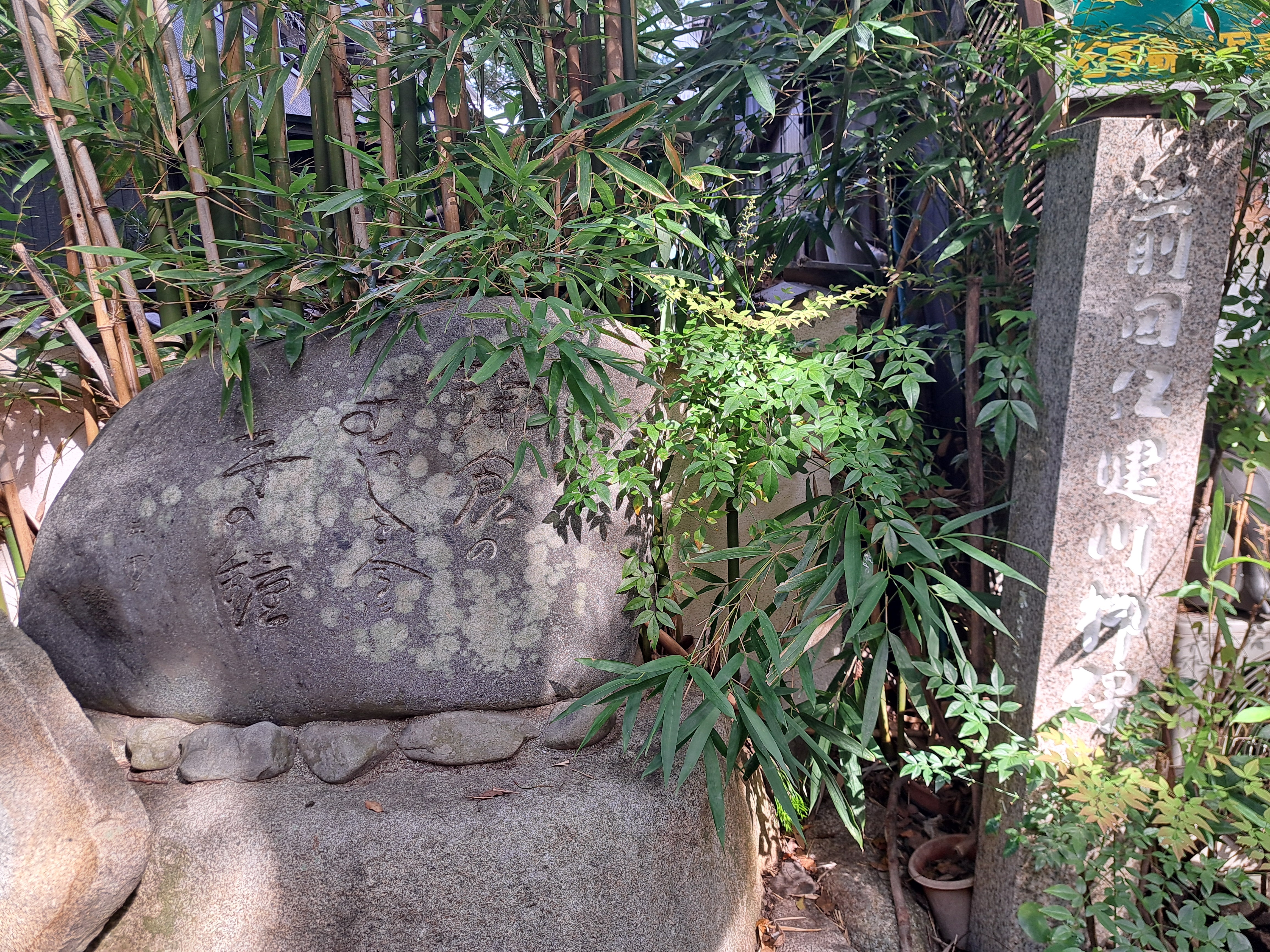
A senryu monument to Maeda Goken on the approach to Ishite-ji, inscribed "鎌倉のむかしを今に寺の鐘". Erected on 20 October 1958 (Showa 33).
A monument on the right-hand side of the approach to Ishite-ji, inscribed with a senryu (comic verse) by Maeda Goken: "鎌倉のむかしを今に寺の鐘" (Kamakura no mukashi o ima ni tera no kane – the temple bell carries the Kamakura era into today). It is a different monument from the Maeda Goken senryu monument on the Path of Haiku (Dogo-machi 2-chome).
According to "Haiku no Sato Matsuyama" by the Shiki Memorial Museum, it was erected on 20 October 1958 (Showa 33) and stands in Ishite 2-chome, on the right of the Ishite-ji approach. The same source notes that next to it is Masaoka Shiki's haiku monument "南無大師石手の寺よ稲の花".
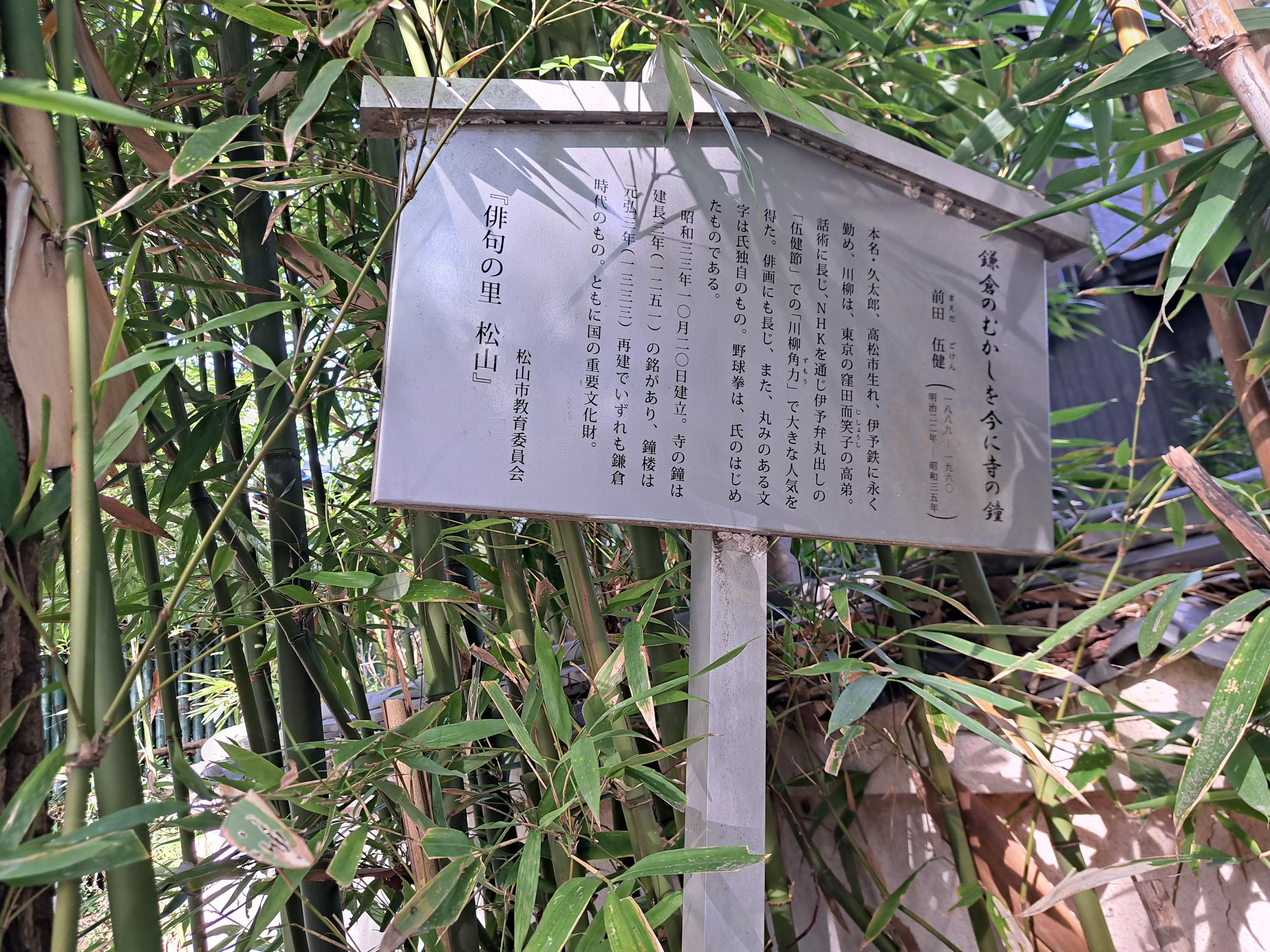
Beside the monument is an information board put up by the Matsuyama City Board of Education (photographed by a contributor on 22 October 2026). According to the board, Maeda Goken (1889–1960), real name Kyutaro, was born in Takamatsu. He worked for many years at Iyotetsu and studied senryu under Kubota Jishoshi in Tokyo. Known for his storytelling in the Iyo dialect, he became popular on NHK's "Senryu Zumo", and the board says he started the game "Yakyuken". The board also notes that the Ishite-ji bell in the verse bears an inscription dated 1251 (Kencho 3) and that the bell tower was rebuilt in 1333 (Genko 3); both are Important Cultural Properties of Japan.
Sources: Shiki Memorial Museum, "Haiku no Sato Matsuyama", Maeda Goken https://www.haiku-matsuyama.jp/dogo/233/ / On-site check (contributor photo of the Matsuyama City Board of Education information board, 2026-10-22) Last checked: 24 October 2026
More spots in Ishite-ji Temple Area
See all in this area →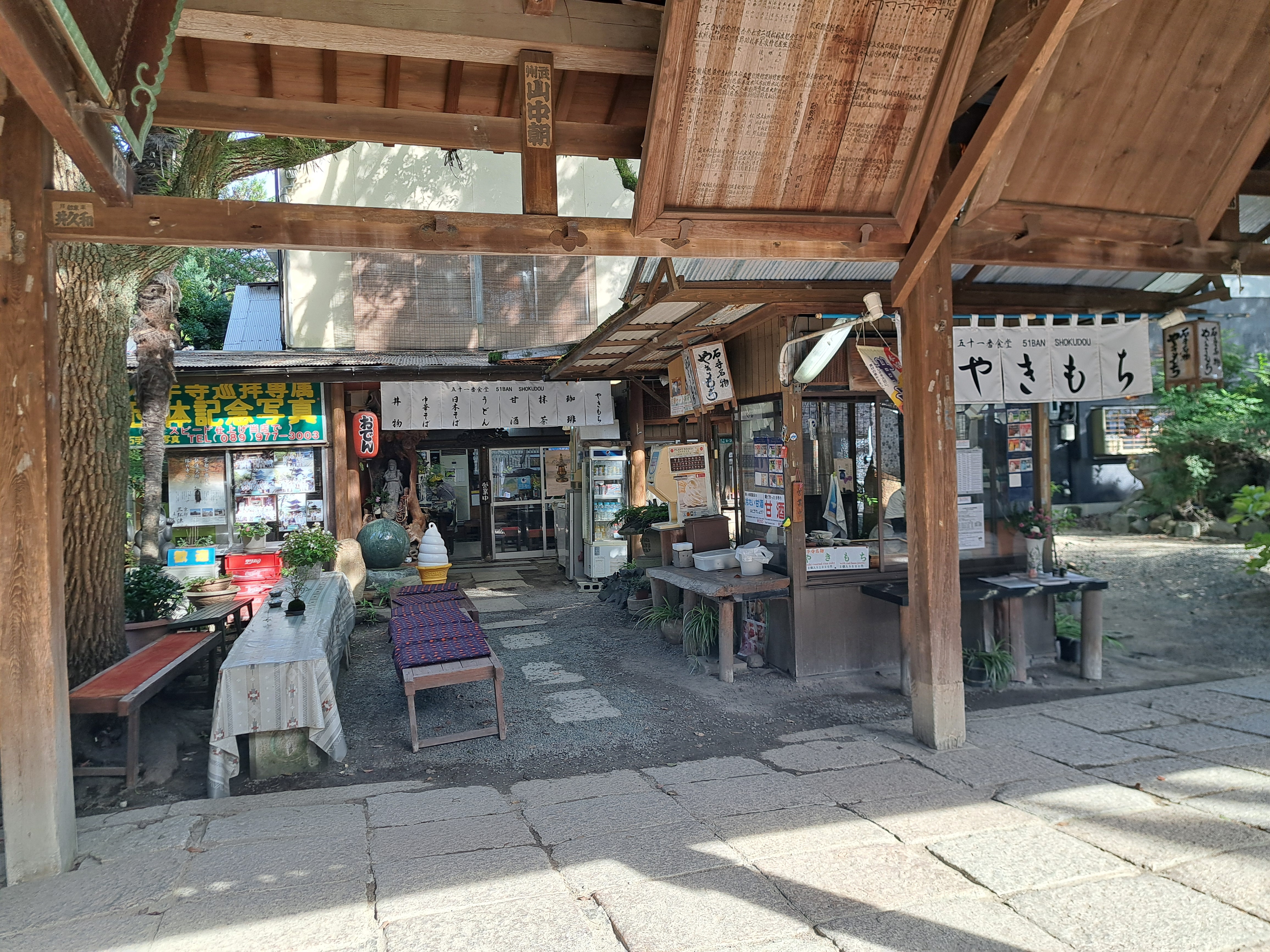
51-ban Shokudo
An eating house on the approach to Ishiteji, the 51st temple of the Shikoku 88-temple pilgrimage. It makes and sells its speciality yakimochi, and also serves udon, soba and oden.
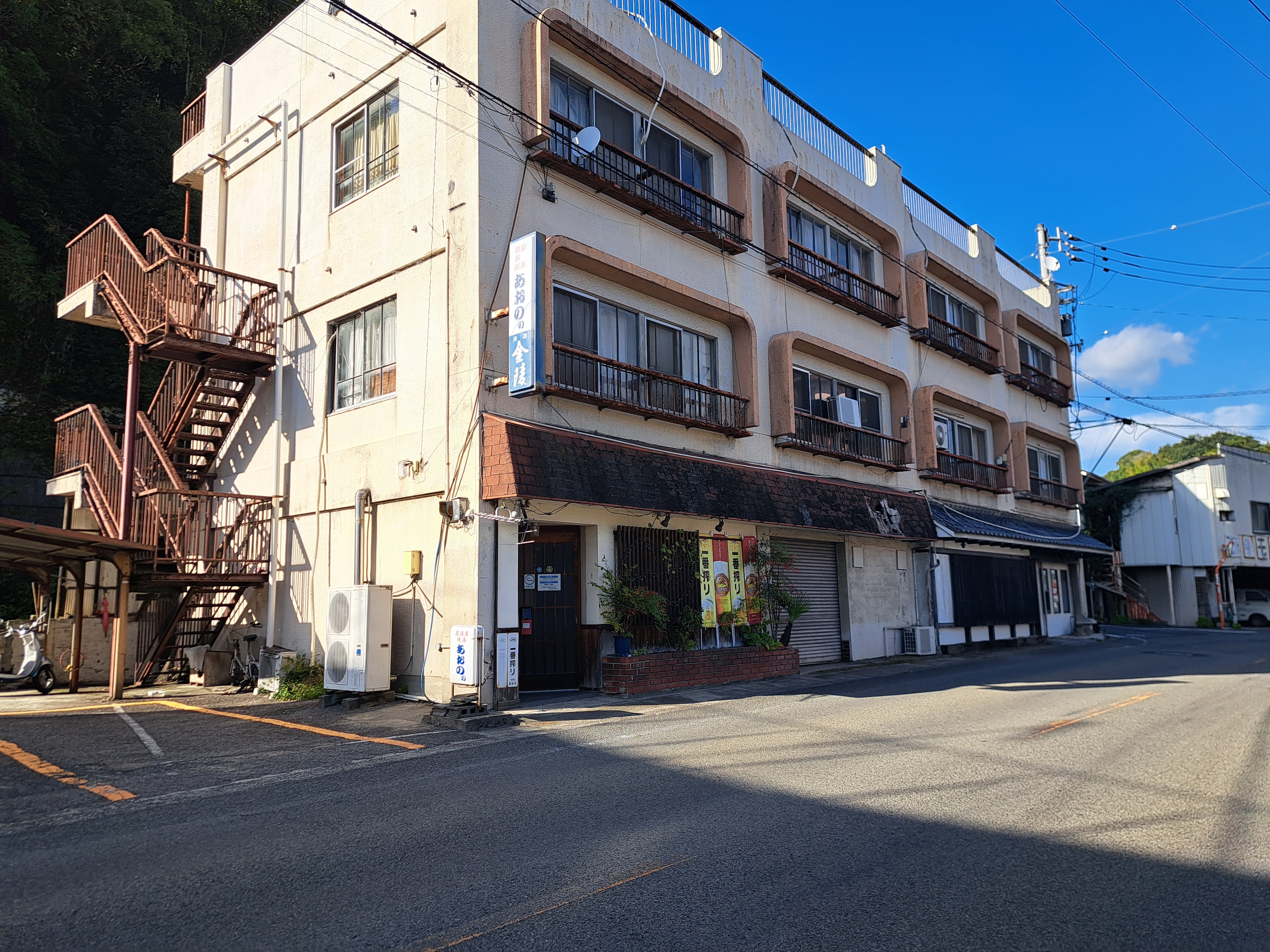
Aonono
Aonono is a pub in Ishite, Matsuyama. It offers fresh fish, grilled dishes, and deep-fried foods.
Books Haruya Spirits Ishite
“Books Haruya Spirits Ishite” is a bookstore in Ishite, Matsuyama. It is one store in the Books Haruya Spirits chain, which operates in Shikoku and other areas.
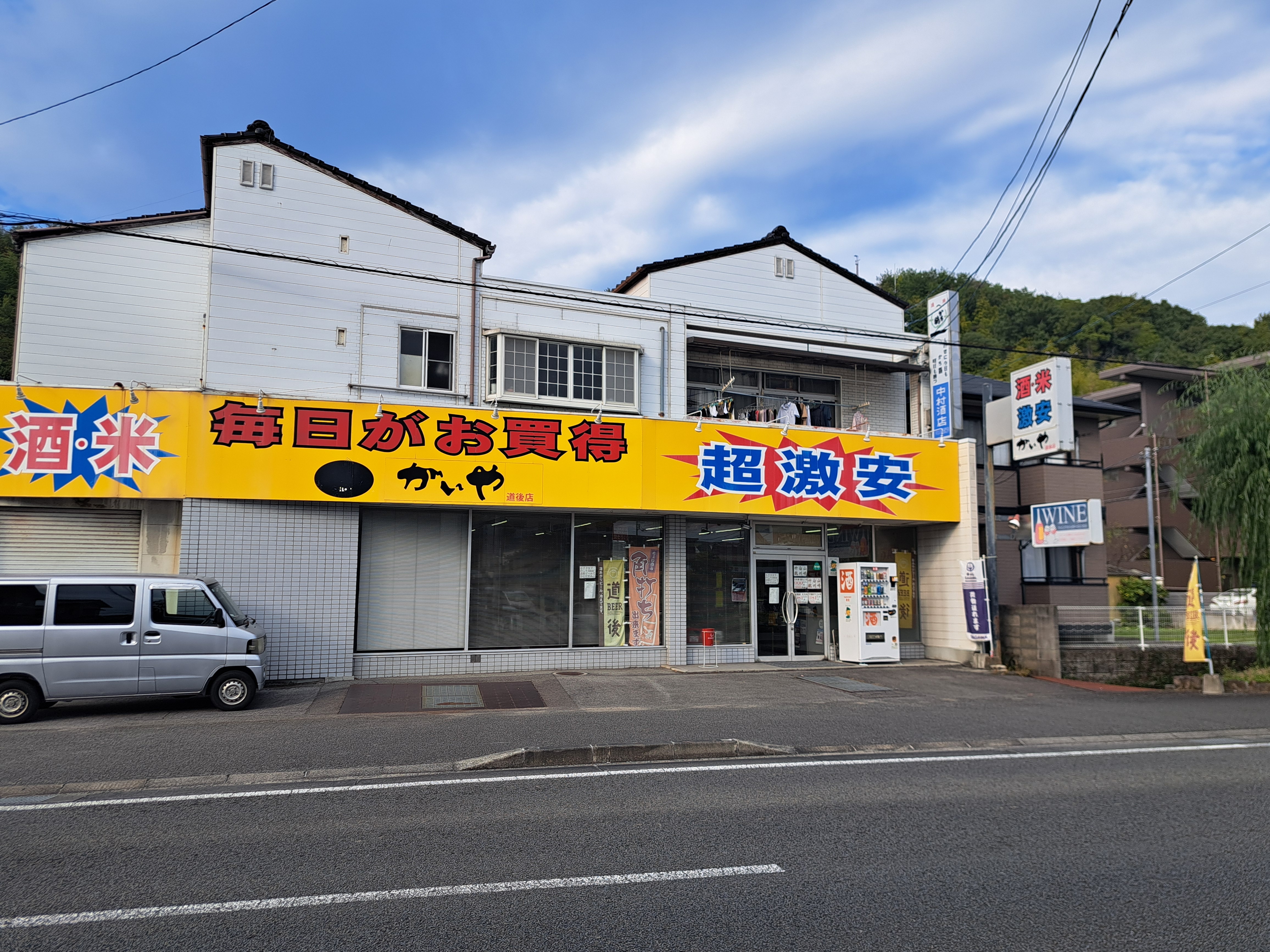
Osake no Gaiya Dogo
A liquor shop in Ishite, Dogo. It stocks local sake from Ehime among other drinks.

Minshuku Mikan
A room-only guesthouse along the pilgrimage route by Ishite-ji Temple. It has a shared kitchen and coin laundry, suiting pilgrims and long stays.
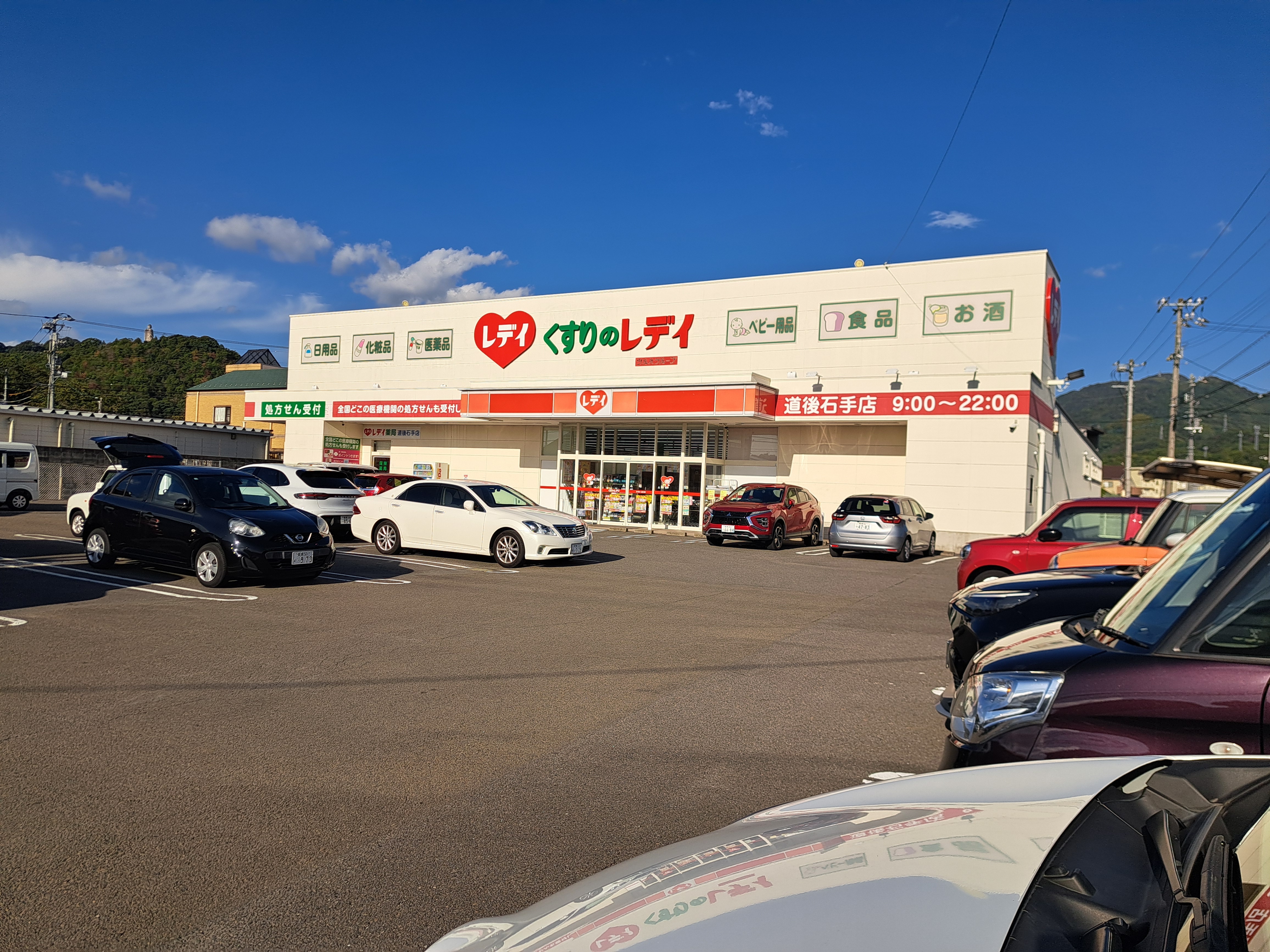
Lady Pharmacy Dogo Ishite
The drugstore "Lady Pharmacy Dogo Ishite" in Shin-Ishite. Pharmaceuticals, daily necessities, and cosmetics can be purchased.
Ishite-ji Okunoin Atago-sha
Atago-sha, the inner sanctuary (okunoin) of Ishite-ji, the 51st temple of the Shikoku 88-temple pilgrimage. It is a quiet place of worship nestled in the hills.
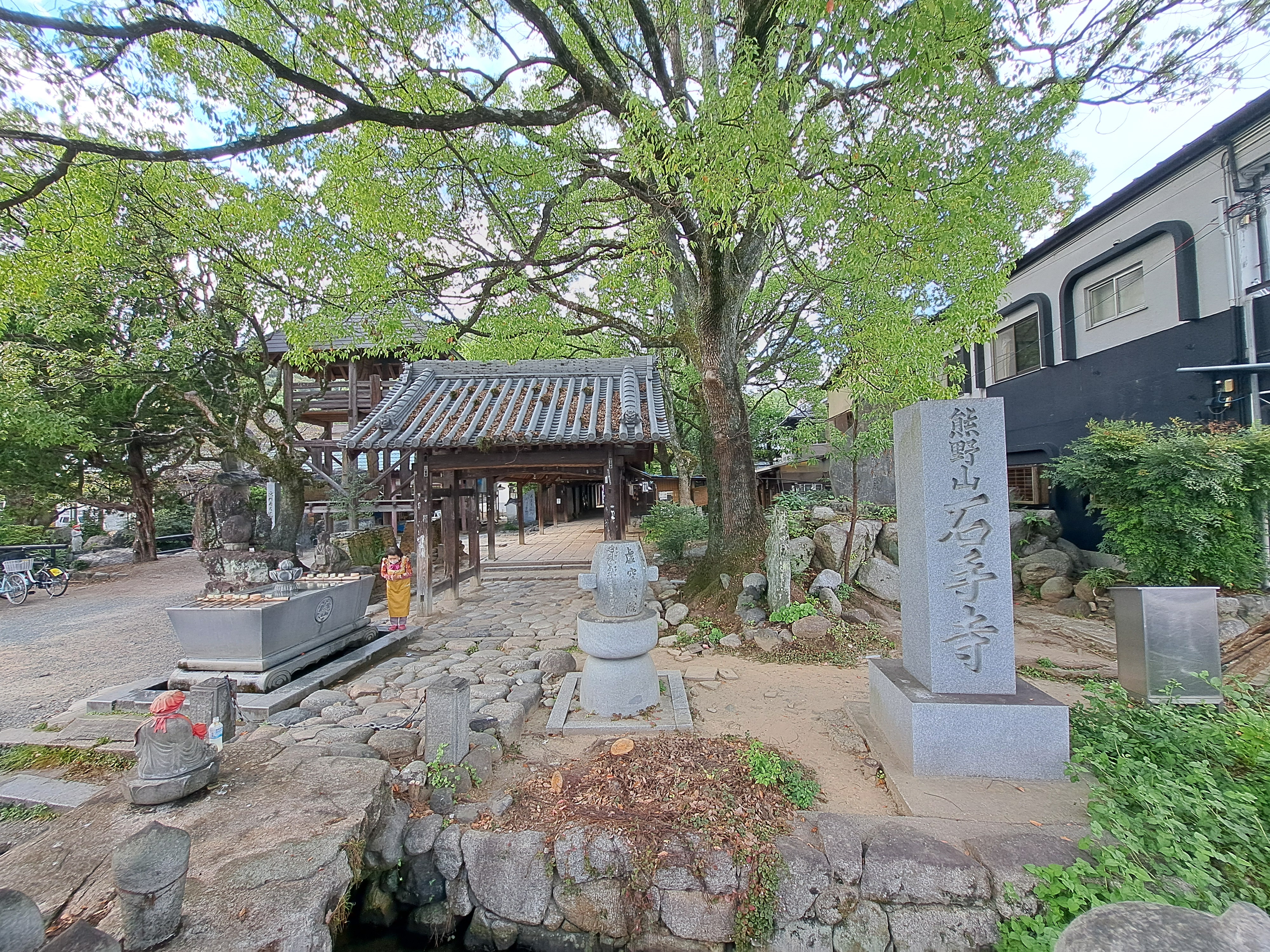
Ishite-ji Temple
Ishite-ji Temple is a Shingon Buddhist pilgrimage temple, the 51st temple of the Shikoku 88 Temple Pilgrimage. It is known for its National Treasure, the Niō Gate, and is one of Matsuyama’s oldest temples, located near Dogo Onsen.
More "Stone Monuments & Poem Steles" spots
See all in this category →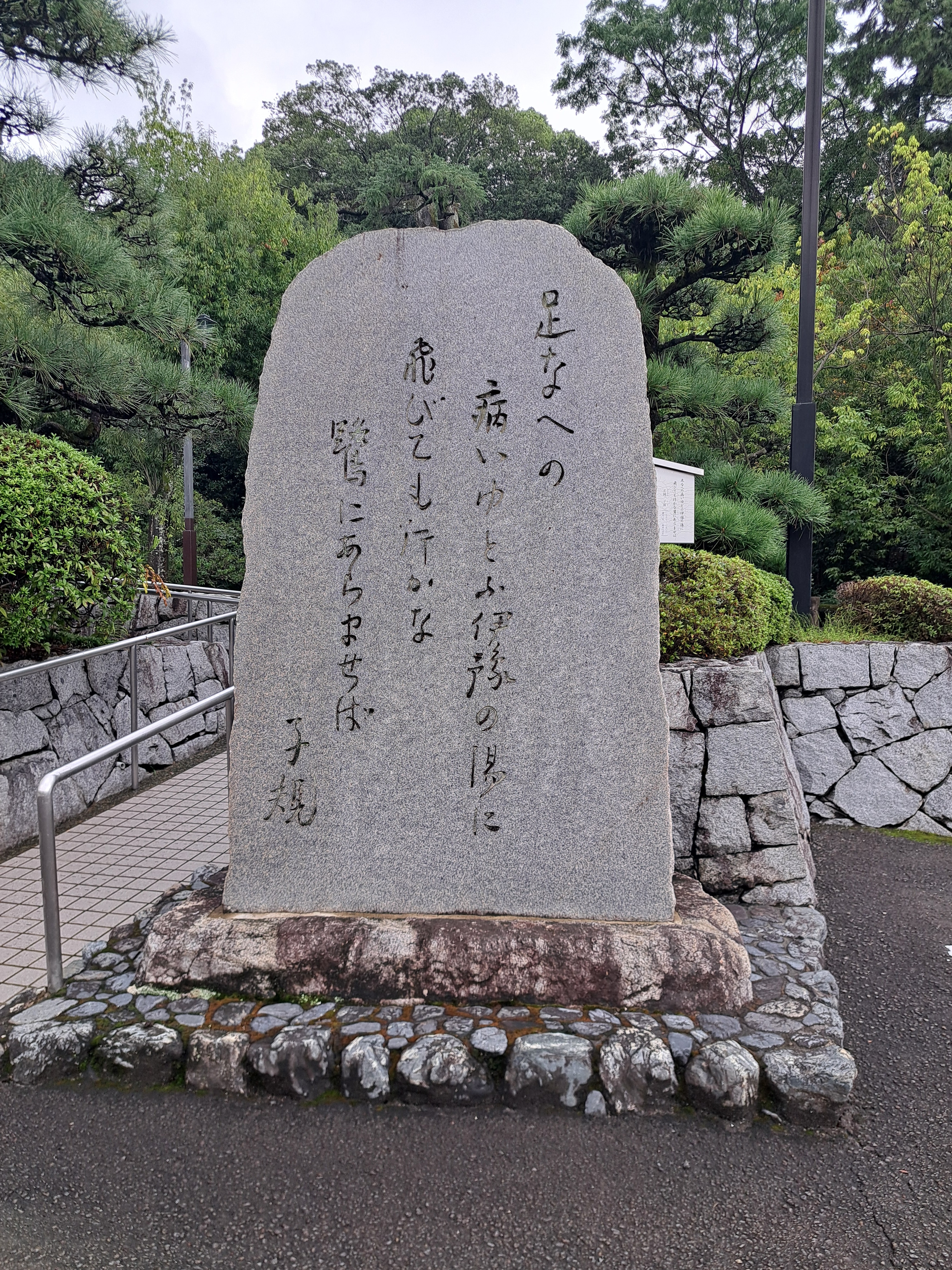
Masaoka Shiki Haiku Monument
A monument for Masaoka Shiki in Dogo Park, in front of the Shiki Memorial Museum. It is inscribed with the tanka "Ashinae no yamai iyu to fu Iyo no yu ni" and was erected for the 50th anniversary of Shiki's death in 1951 (Showa 26).
Path of Haiku (the street of haiku monuments east of the Ehime Prefectural Culture Hall)
The "Path of Haiku" is a street east of the Ehime Prefectural Culture Hall lined with 10 haiku and senryu monuments (11 verses) connected with Dogo Onsen. This page lists the verses by Soseki, Shiki, Santoka and others.
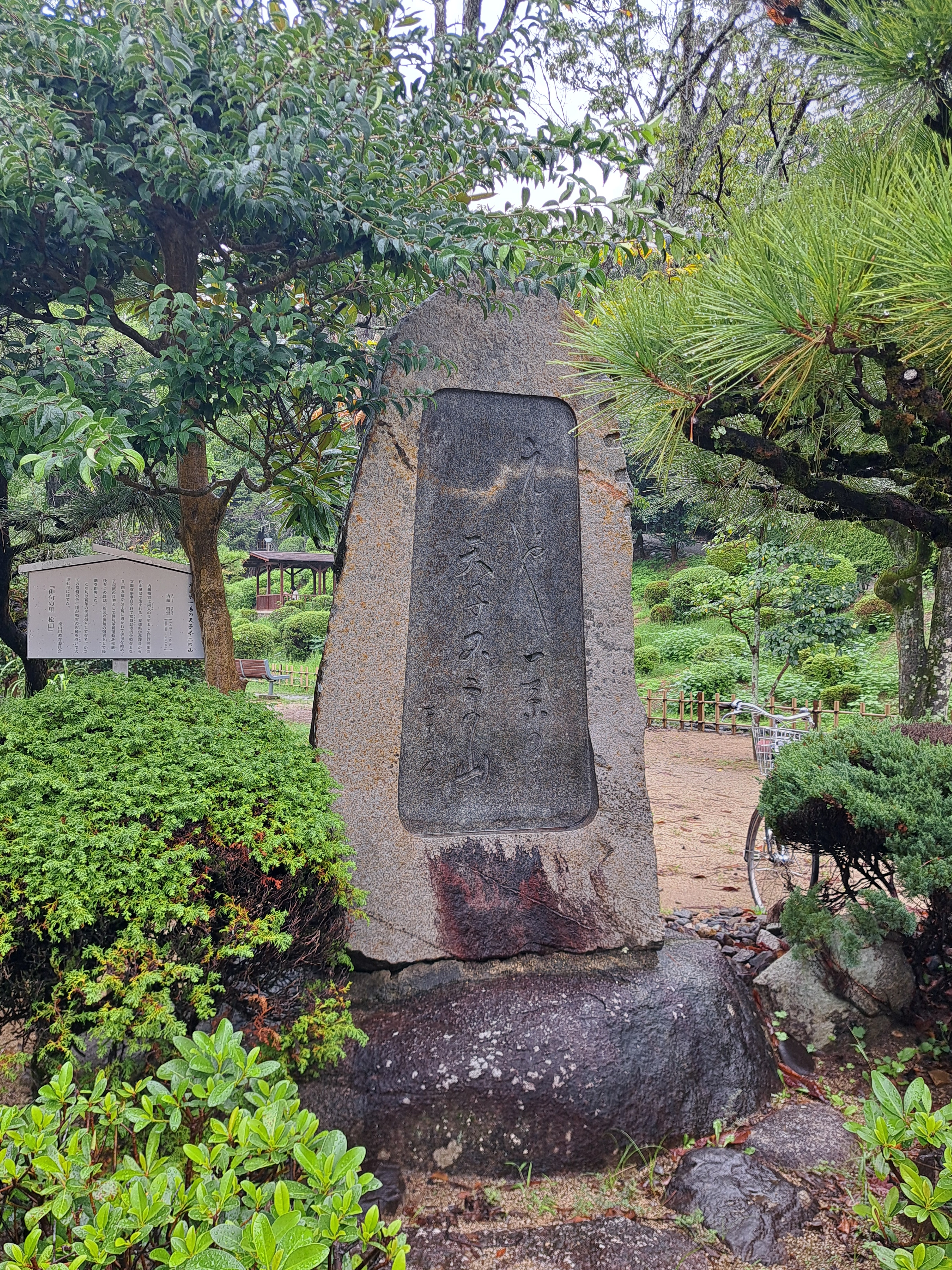
Naito Meisetsu Haiku Monument
This haiku monument is in Dogo Park. It is inscribed with the verse "Mottozu ya itsuika no tenzi futai no yama". In 1918, former dormitory residents erected it as a longevity monument to celebrate the long life of the poet Naito Meisetsu (1847–1926).
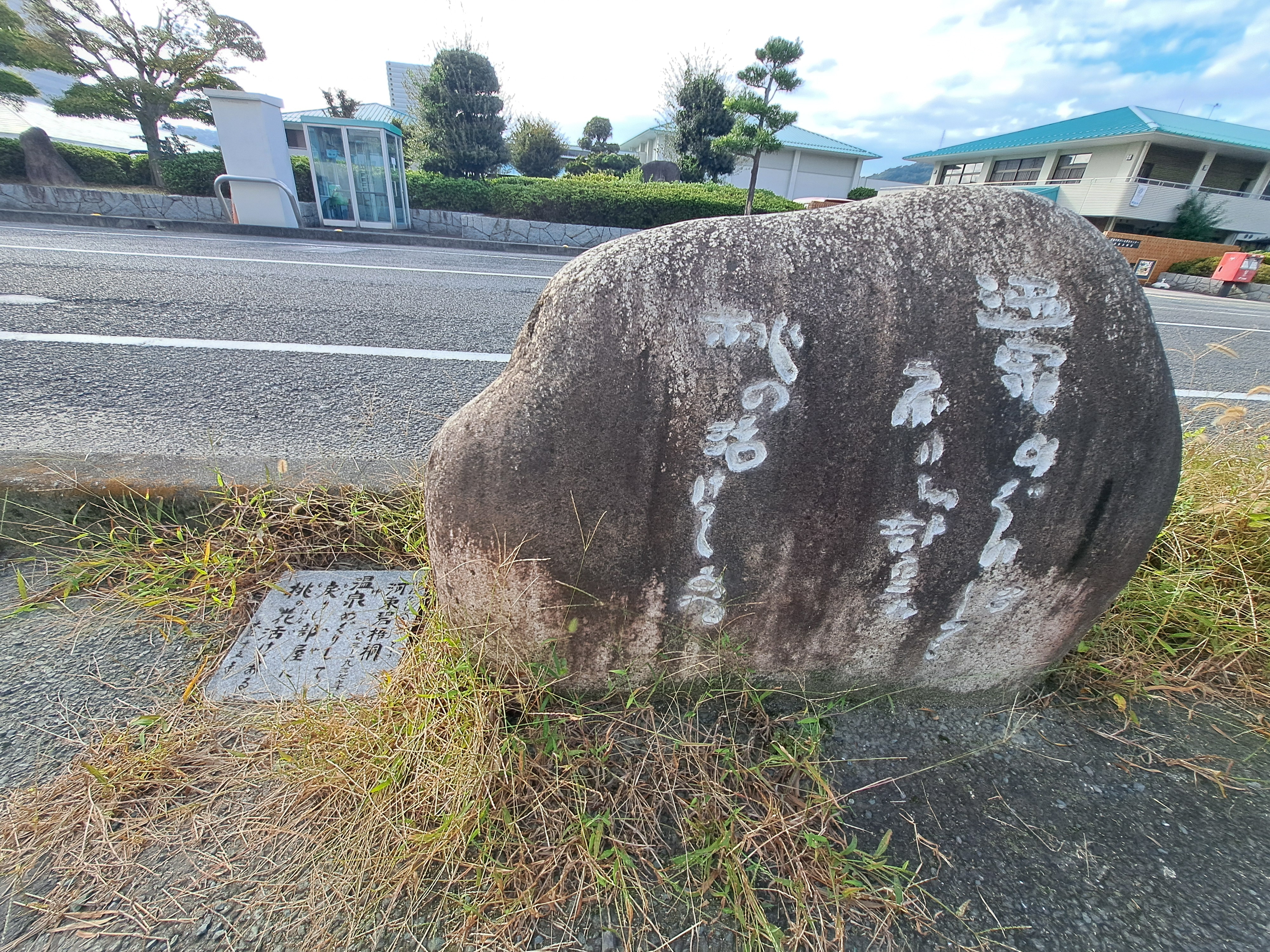
Kawahigashi Hekigoto Haiku Monument (Path of Haiku)
A haiku monument for Kawahigashi Hekigoto on the Dogo 2-chome side of Dogo's "Path of Haiku". It is inscribed with "Onsen meguri shite modorishi heya ni momo no ikete aru".
Taneda Santoka Haiku Monument (Choken-ji Temple)
A haiku monument at Choken-ji Temple in Miyuki, Matsuyama. It commemorates Taneda Santoka (1882–1940), a poet of free-form haiku. Santoka spent his final years at the hermitage Isso-an in Matsuyama, where he died.
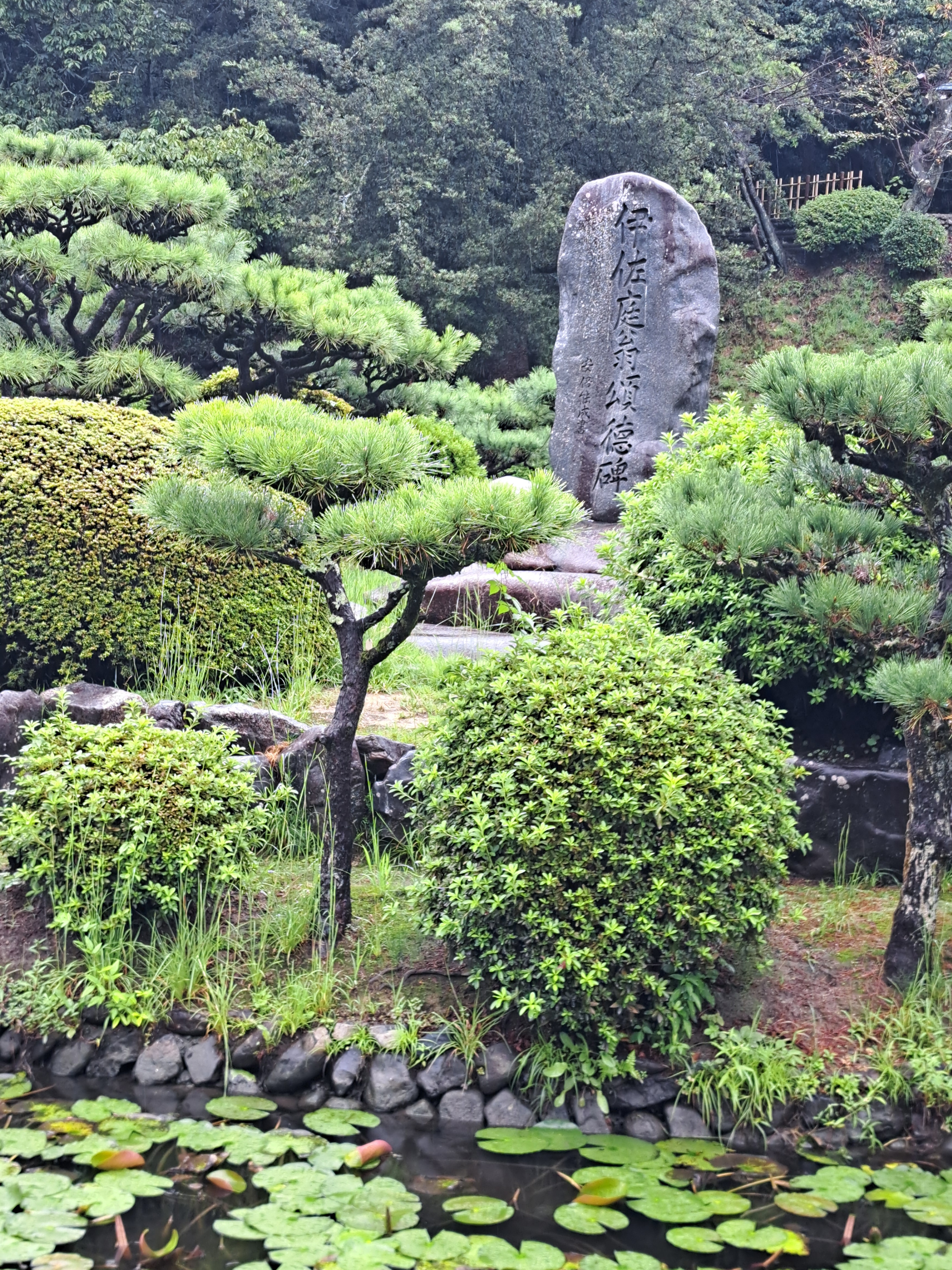
Monument to the Merits of Isaniwa
A monument in Dogo Park. It honours Isaniwa Yukiya, the first mayor of Dogo Yunomachi, who led the 1894 (Meiji 27) rebuilding of Dogo Onsen Honkan. The Honkan is a nationally designated Important Cultural Property.
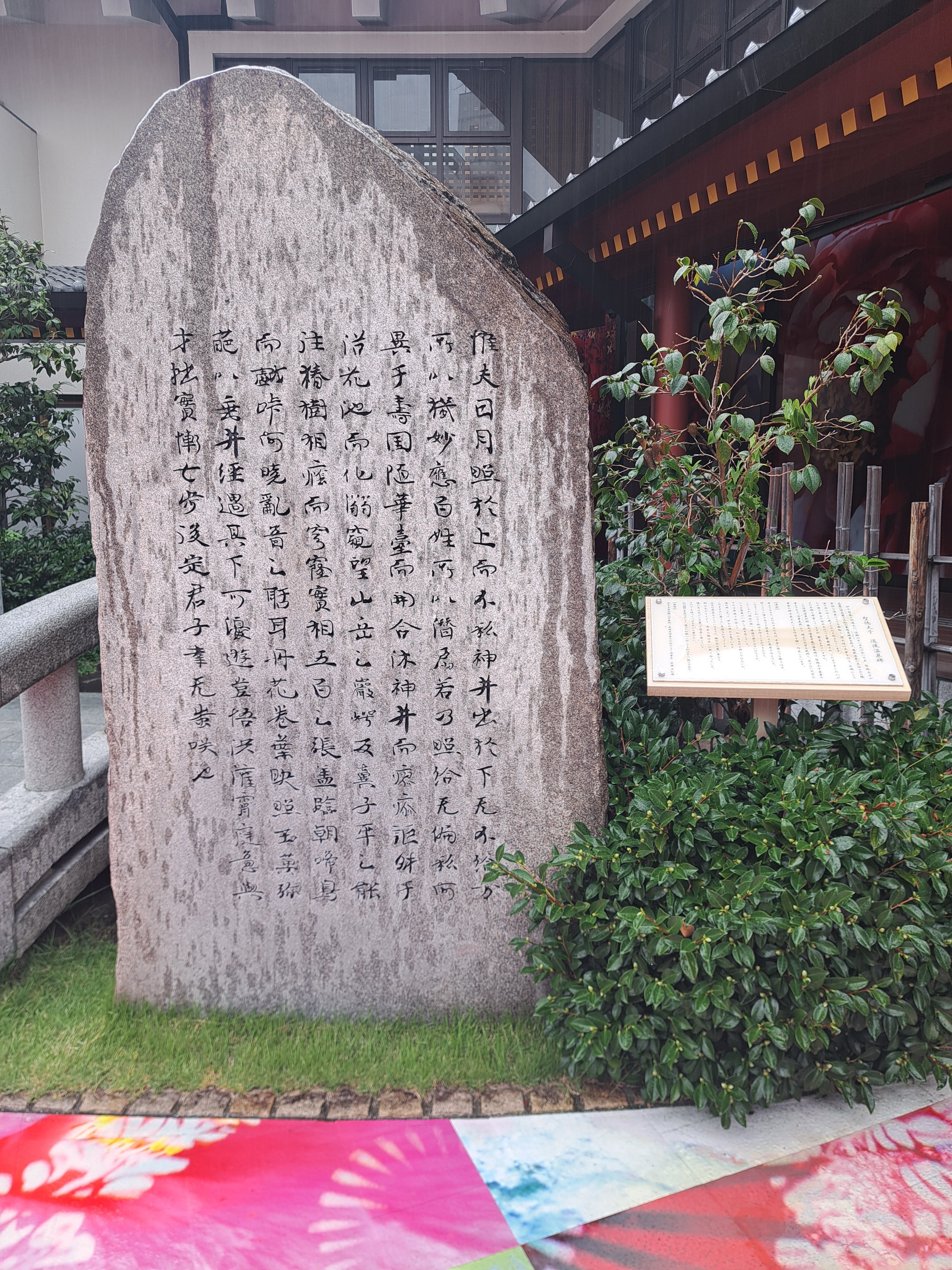
Iyo Yuoka Monument (Replica)
A hot-spring monument in the courtyard of Dogo Onsen Annex Asuka-no-Yu-Zen. Inspired by the Iyo Yuoka Monument, said to record Prince Shotoku's visit to the spa, its inscription is rendered in the script of the "Hokke Gisho".
Sakai Mokuzen Haiku Monument (Iwazeki Amusement Park)
A haiku monument inscribed with a poem by Sakai Mokuzen, standing in the amusement park at Iwazeki in Ishite, Matsuyama. It can be seen while walking the area.