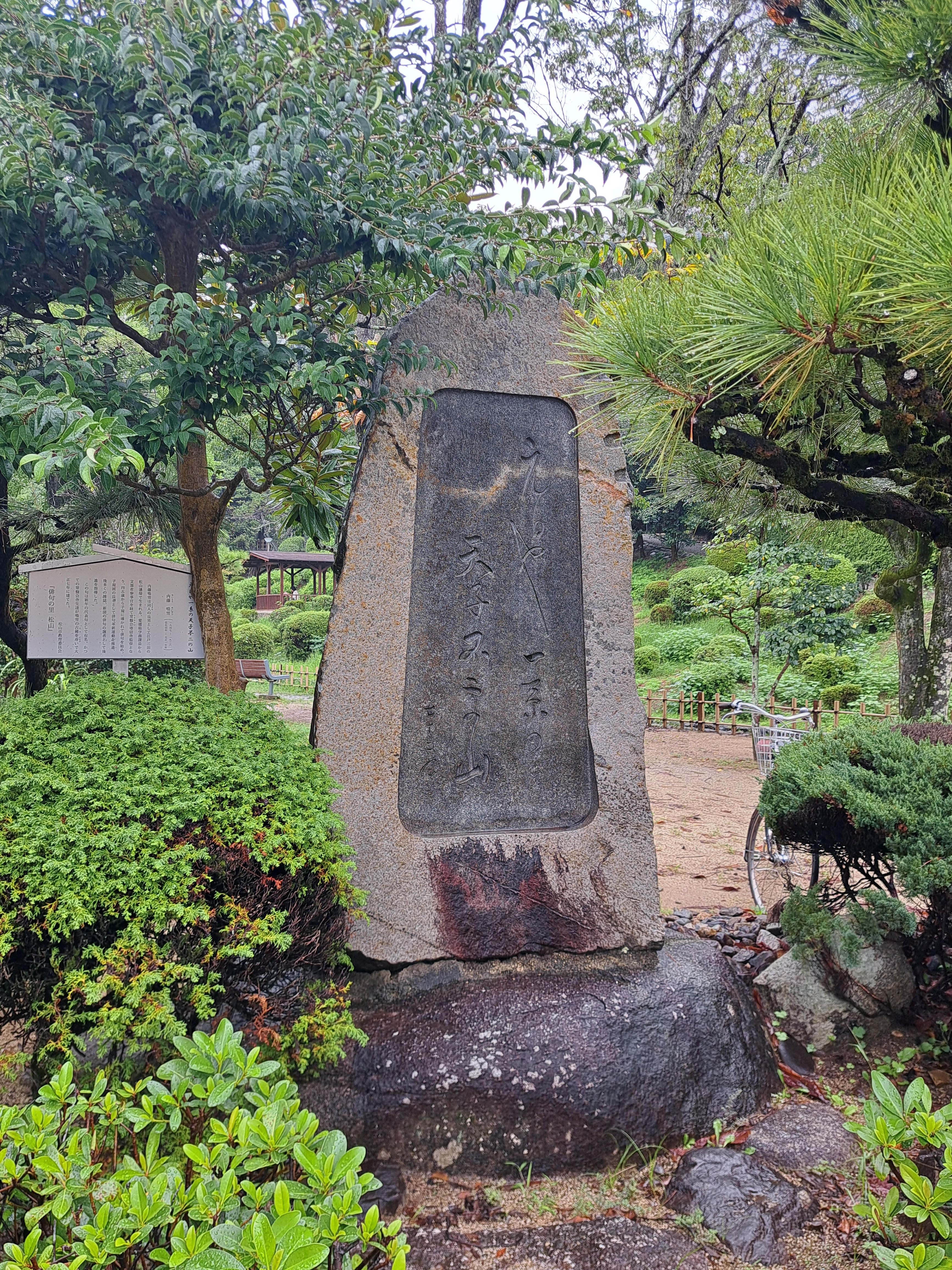
Naito Meisetsu Haiku Monument
This haiku monument is in Dogo Park. It is inscribed with the verse "Mottozu ya itsuika no tenzi futai no yama". In 1918, former dormitory residents erected it as a longevity monument to celebrate the long life of the poet Naito Meisetsu (1847–1926).
The Naito Meisetsu Haiku Monument is a haiku monument located near the west entrance of Dogo Park. The haiku "Ganjitsu ya ikkei no tenshi fuji no yama" is engraved on it.
Origin of Construction
This monument was erected in Dogo Park in 1918 as a monument celebrating longevity, proposed by former dormitory students of Meisetsu. It is said that to coincide with the unveiling, a celebratory Noh performance was held in Tokyo, where Kyoshi Takahama performed the shite (main actor) and Hekigoto Kawahigashi performed the waki (supporting actor) in the play "Jinen Koji."
Naito Meisetsu
Naito Meisetsu (1847–1926) was a samurai of the Iyo-Matsuyama Domain who became a Meiji-period government official and later a haiku poet. He served as the warden of the Tokiwakai Dormitory of the Hisamatsu family, the former lord of the domain, where he interacted with Masaoka Shiki, Hekigoto Kawahigashi, and others who studied there. In 1892, he chose Shiki, who was 21 years younger, as his haiku master and became known for his disinterested and unconventional haiku style.
The area around Dogo Park is dotted with haiku monuments of poets associated with Matsuyama, starting with Shiki, allowing visitors to enjoy a literary walk characteristic of a town of haiku.
Source: "Naito Meisetsu" Wikipedia (CC BY-SA) Last verified: July 2026
More spots in Dogo Park & Isaniwa Shrine Area
See all in this area →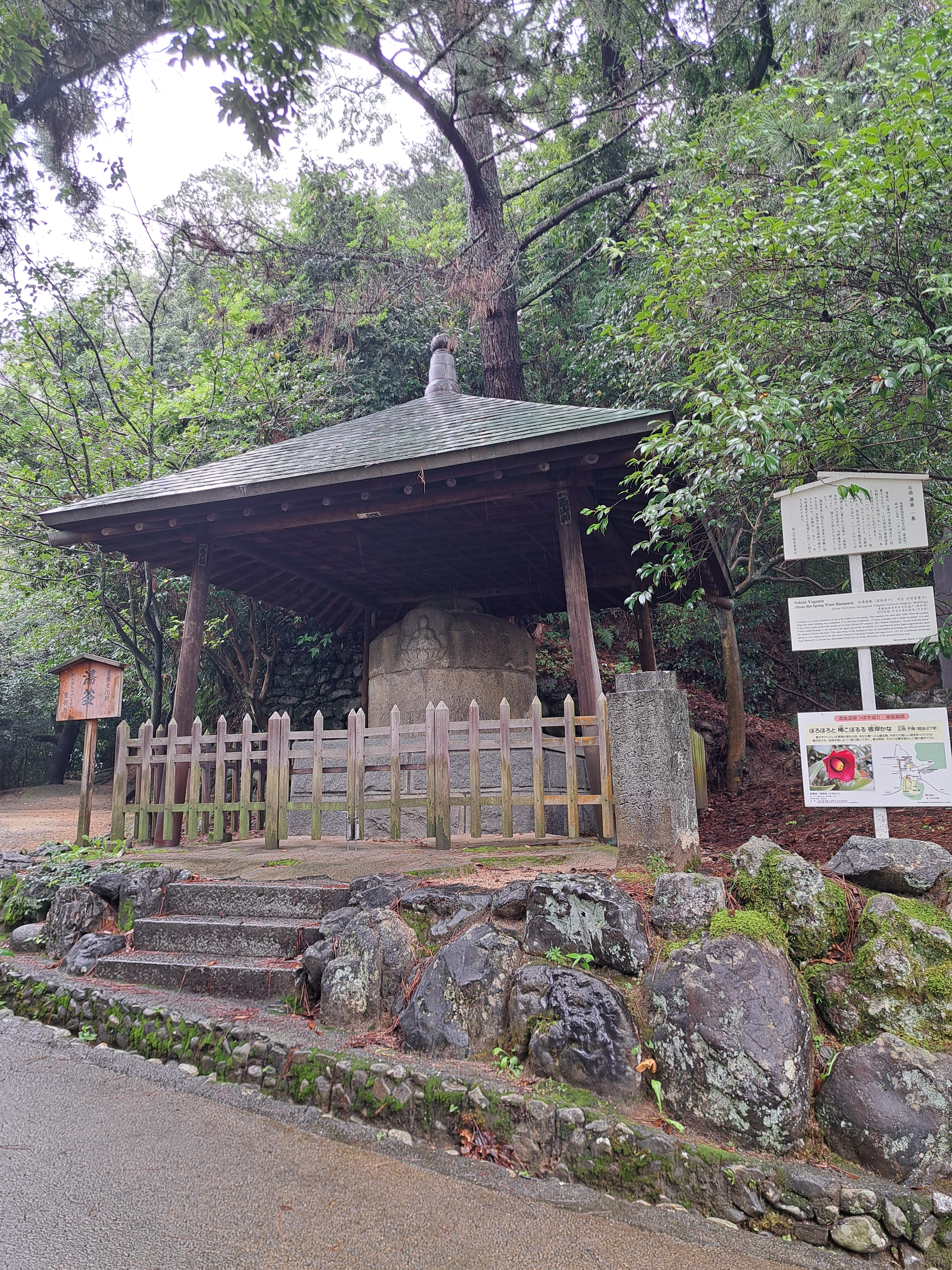
Yugama Yakushi
A stone yugama in Dogo Park. It is a cylindrical stone object that was once used as a hot spring outlet for Dogo Onsen, and is a Tangible Cultural Property designated by Ehime Prefecture.
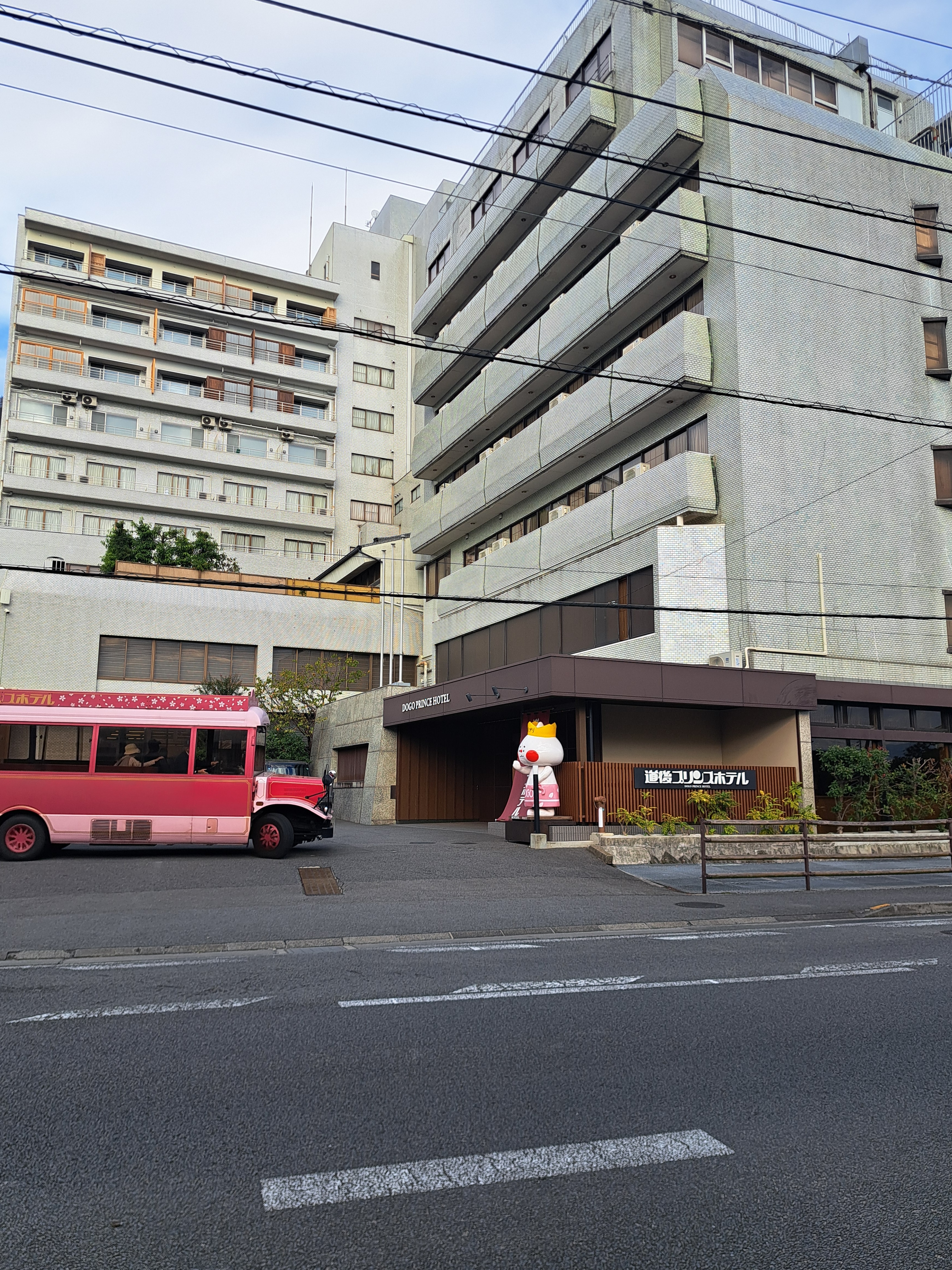
Dogo Prince Hotel
A large hot spring hotel on high ground in Dogo. It has a range of baths, including the large bath Yunoka, the open-air bath Yunone and private open-air baths, and serves kaiseki meals.
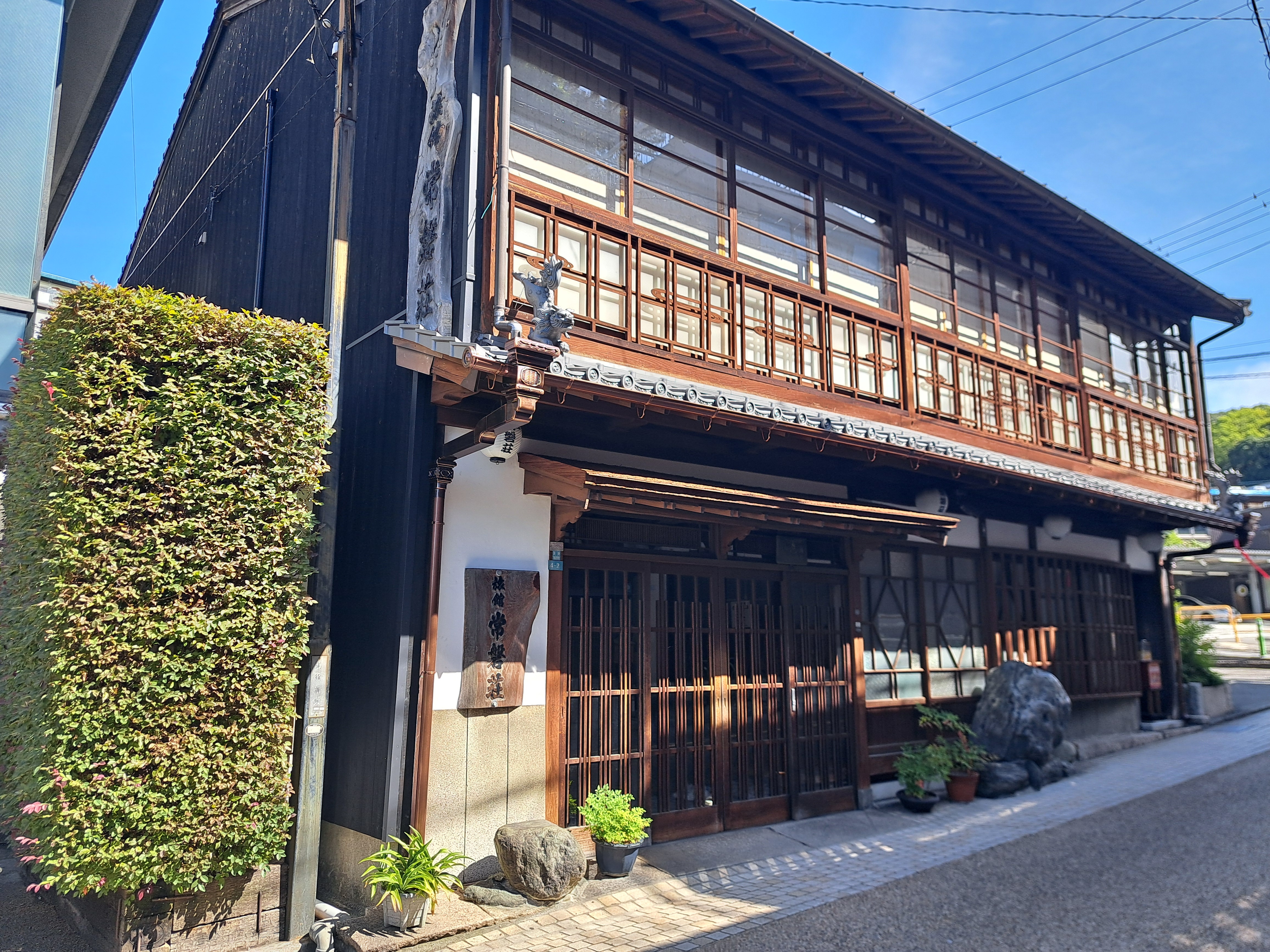
Tokiwaso
A wooden inn at 4-2 Dogoyuzuki-cho dating from the Taisho era. 4 Japanese-style rooms, capacity 10 guests, with a private-use hot spring.
CHAHARU Hanare, Dogo Yumekura
A seven-room ryokan standing immediately east of Dogo Onsen Honkan. Each room has an indoor bath fed by piped hot spring water, and Ehime crafts such as Tobe ware and Imabari towels are used throughout.
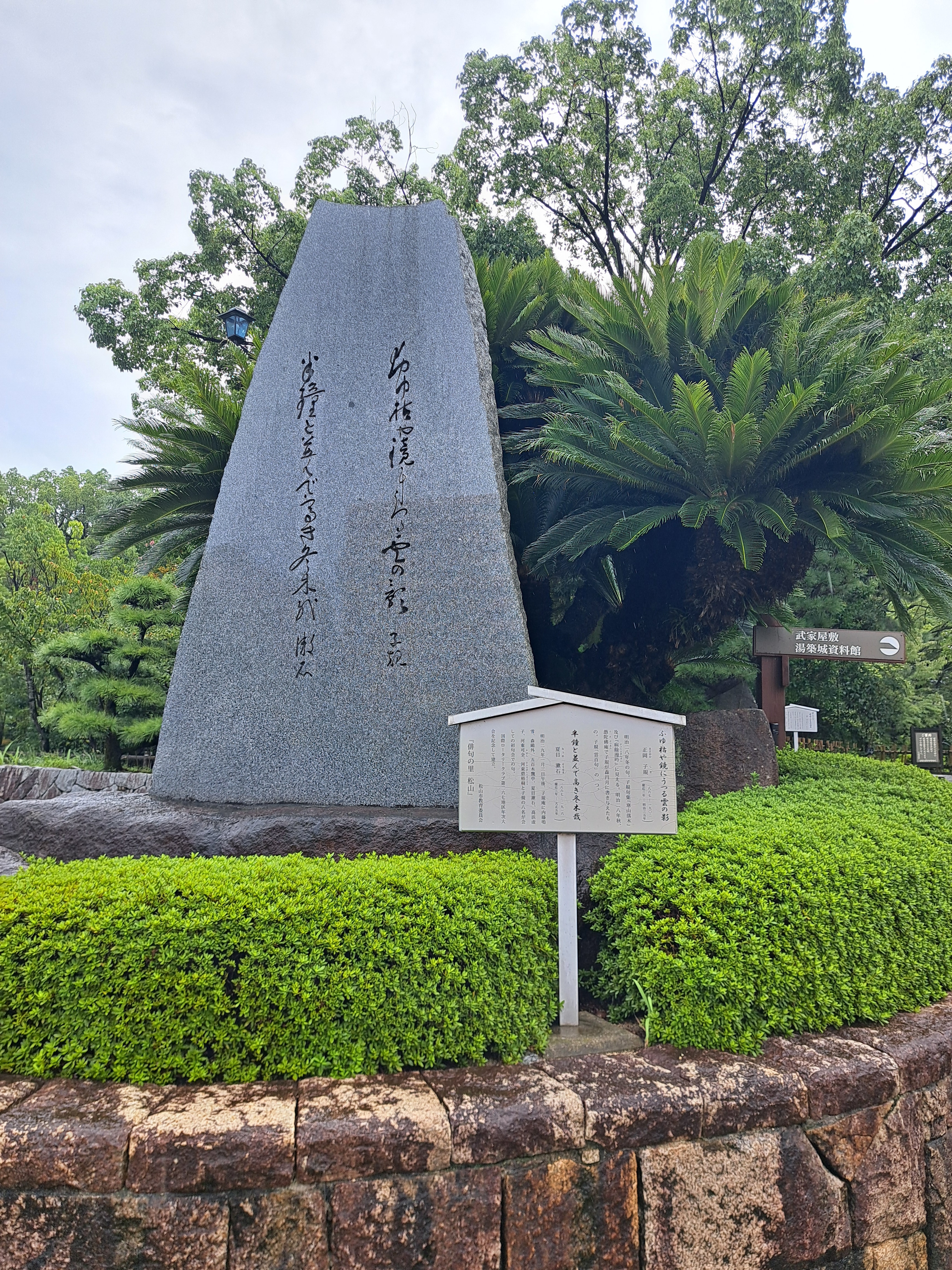
Natsume Soseki Haiku Monument
A haiku monument at the north entrance of Dogo Park. It carries Natsume Soseki's "Hansho to narande takaki fuyuki kana" side by side with a verse by Masaoka Shiki, and was erected in 1986 (Showa 61).
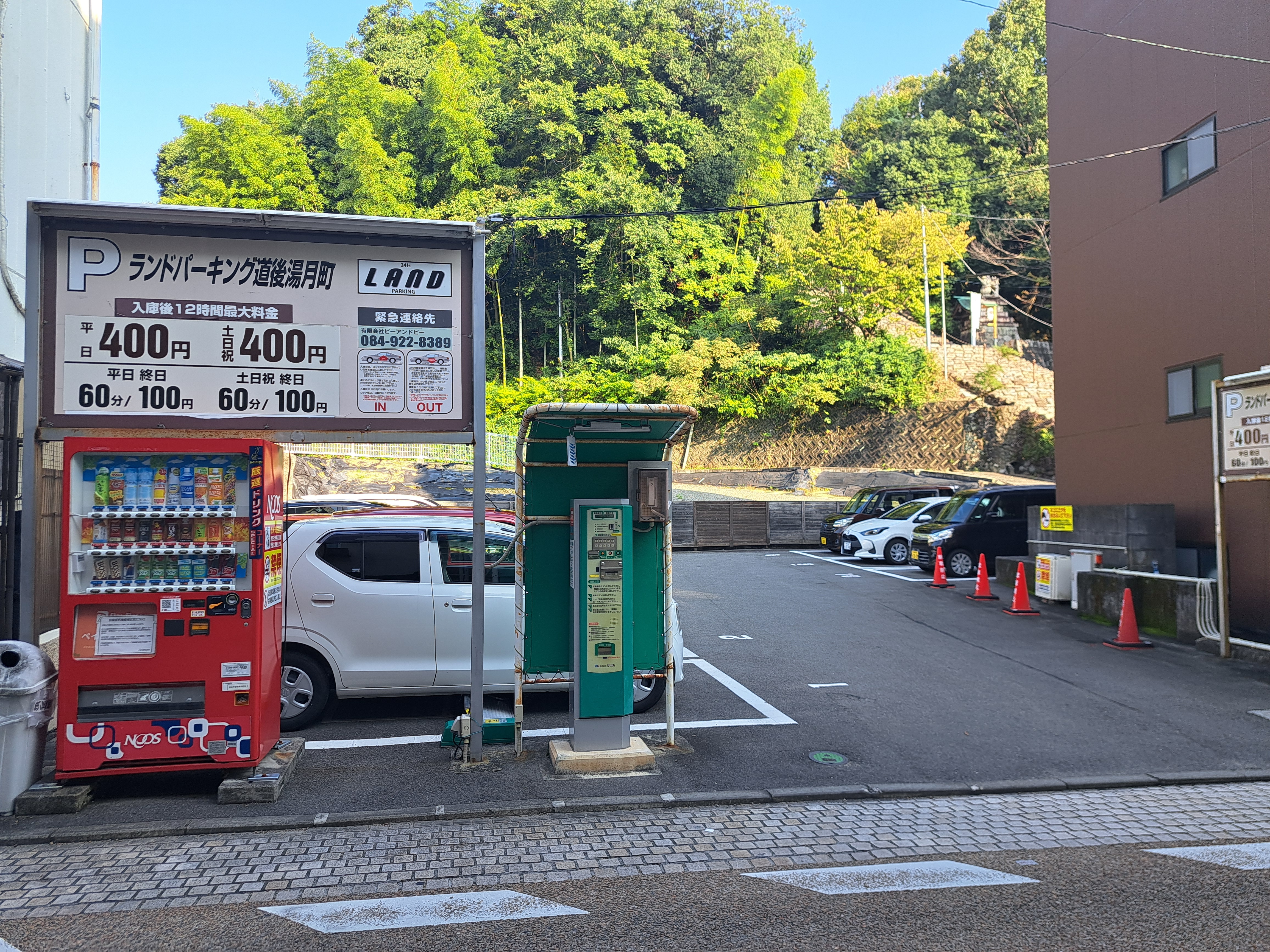
Land Parking Dogo Yuzukicho
A coin parking lot at Dogo-Yuzukicho 1-20.
LA CUISINE JAPONAISE Hari
A dining establishment on the third floor of Dogo Onsen Chaharu. It features window seats facing the English garden and private rooms decorated with photographic and textile artworks, serving lunch and dinner.
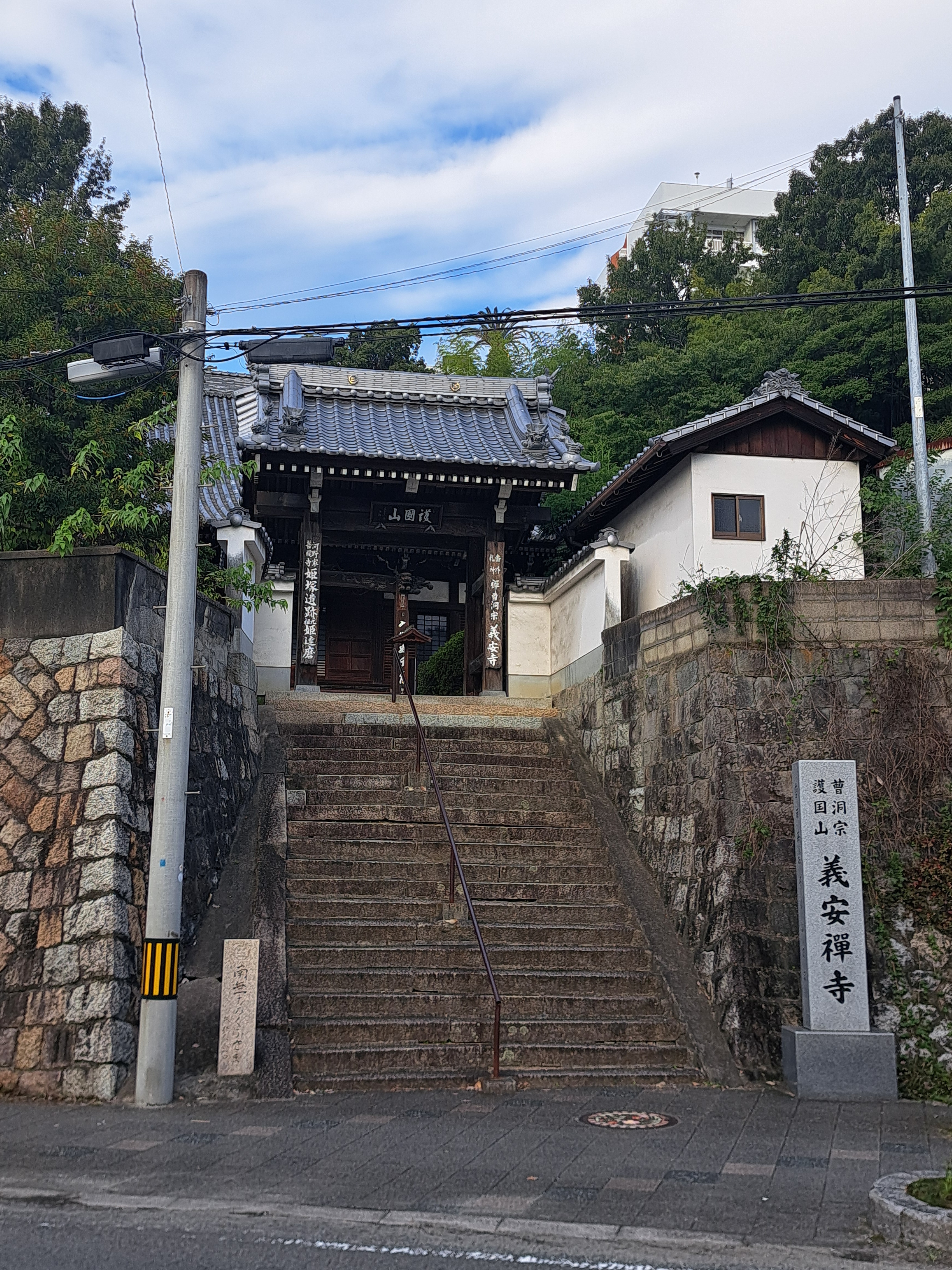
Gian-ji Temple
A temple of the Soto sect located in Dogo Himetsuka. It is a temple associated with the Kono clan, said to have been founded by Kono Hikoshiro Yoshiyasu in 1539, and is an unofficial temple (bangai fudasho) of the Shikoku 88 Temple Pilgrimage.
More "Stone Monuments & Poem Steles" spots
See all in this category →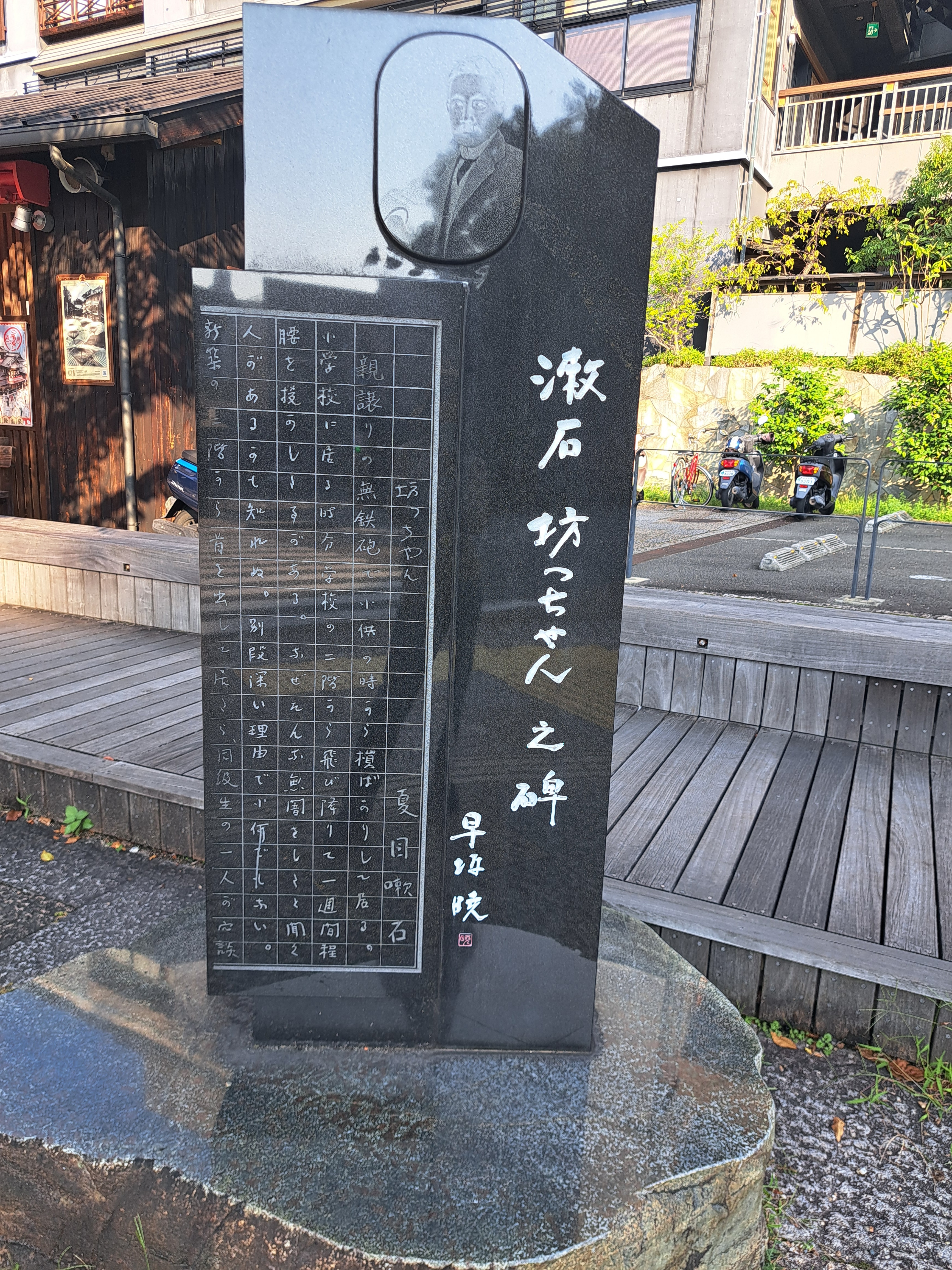
Soseki Botchan Monument
A stone monument to Natsume Soseki's novel "Botchan" on the east side of Dogo Onsen Honkan, set up in 2006 for the 100th anniversary of the novel.
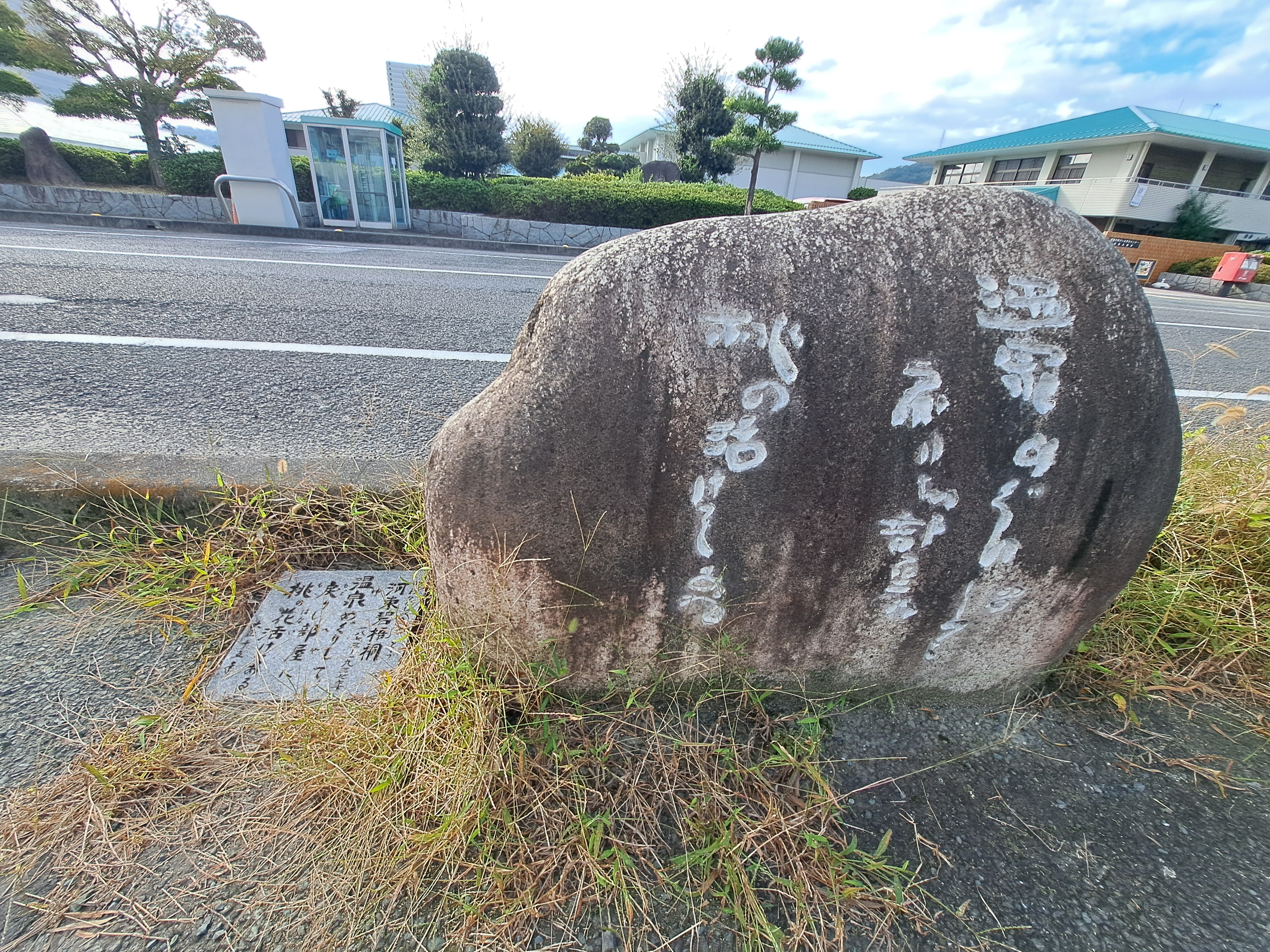
Kawahigashi Hekigoto Haiku Monument (Path of Haiku)
A haiku monument for Kawahigashi Hekigoto on the Dogo 2-chome side of Dogo's "Path of Haiku". It is inscribed with "Onsen meguri shite modorishi heya ni momo no ikete aru".
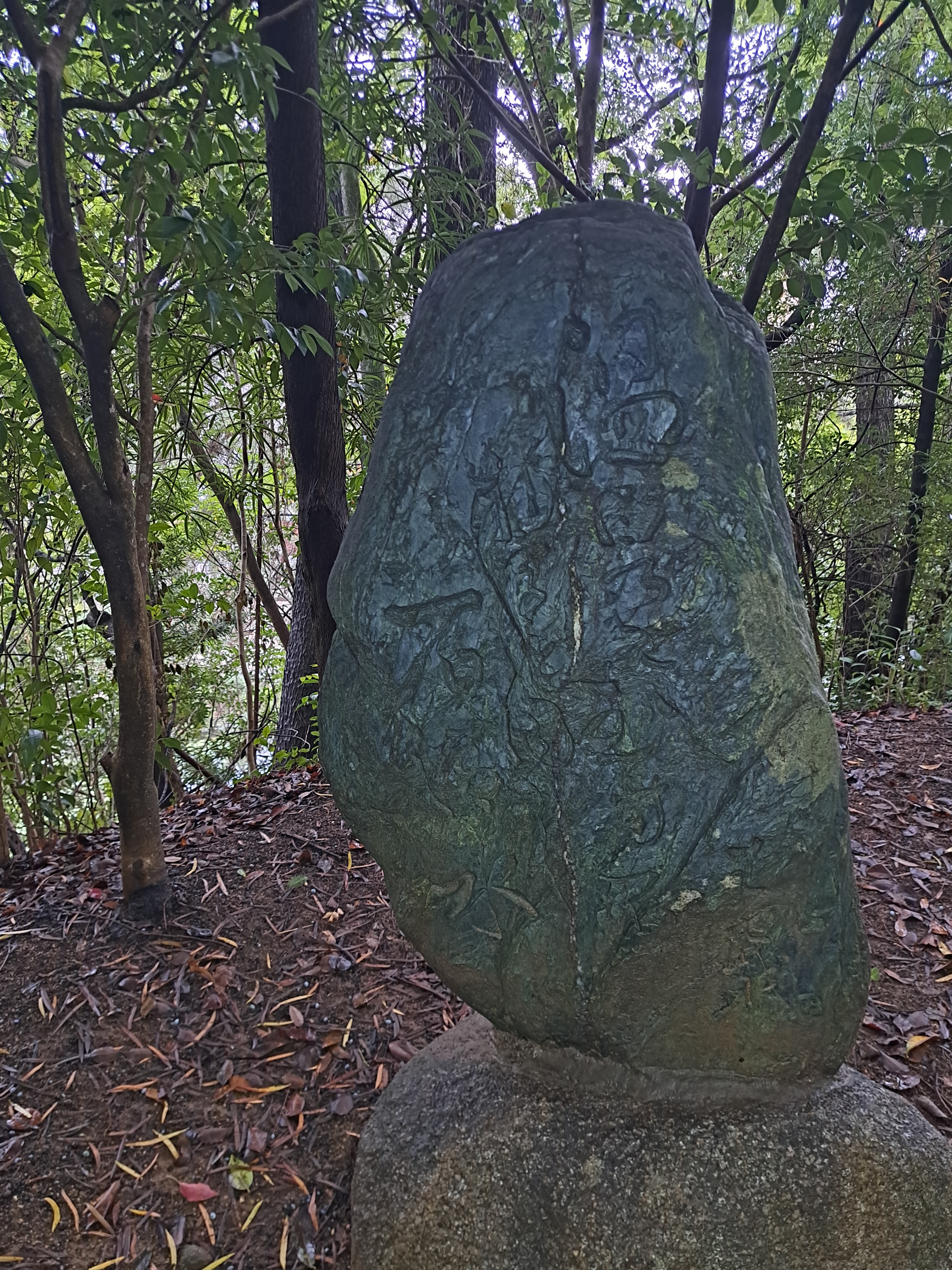
Matsuo Basho Haiku Monument
This is a haiku monument of Matsuo Basho in Dogo Park. It transmits a haiku of Matsuo Basho, a poet of the early Edo period known as the Sage of Haiku.
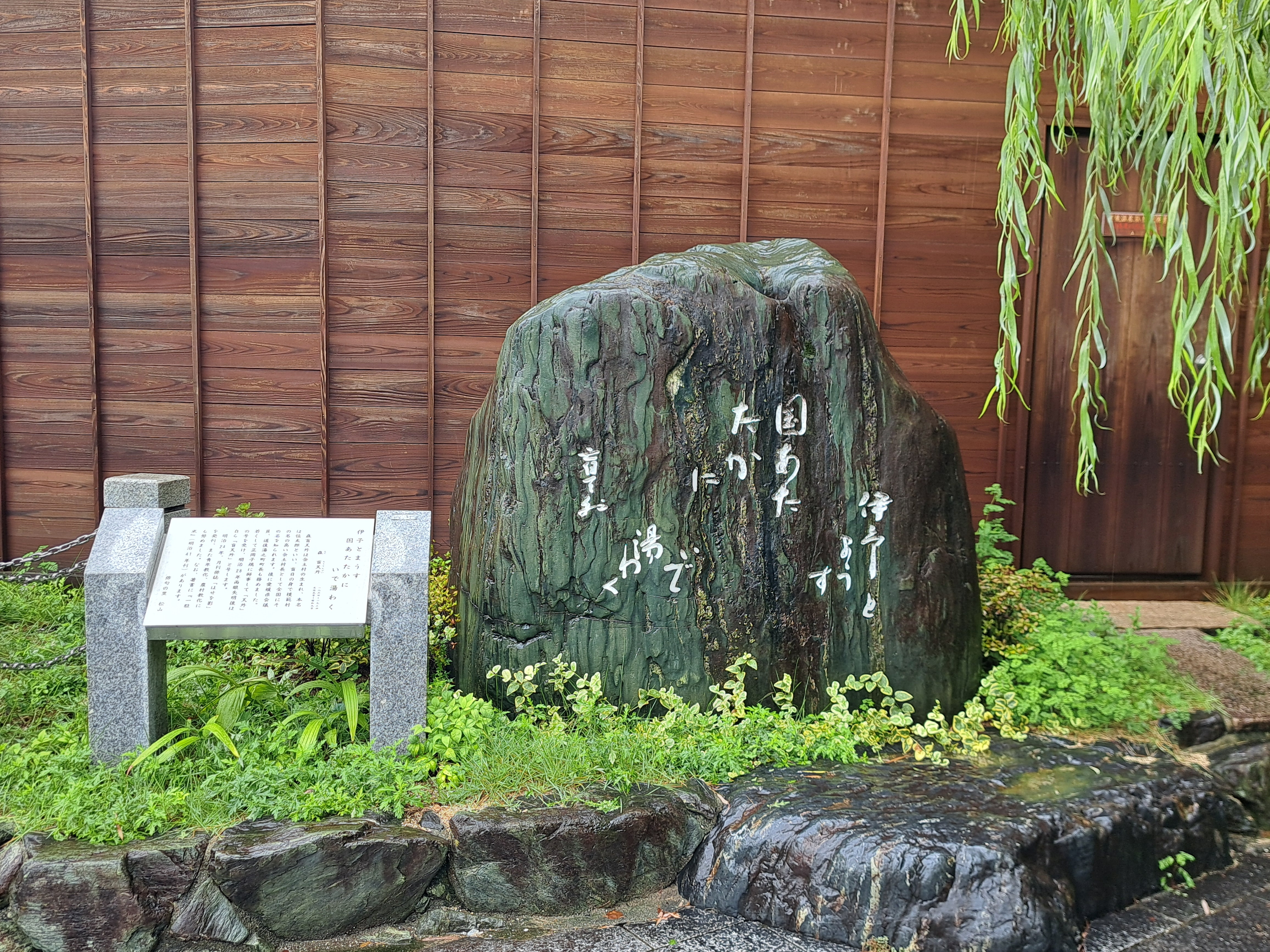
Mori Motengai Haiku Monument
A haiku monument is located in Hojoen, in front of Dogo Onsen Honkan. It commemorates Mori Motengai (1864–1934), a politician and poet who served as the head of Dogo Yunomachi. He studied under Shiki and received the haiku name “Ten-gai.”
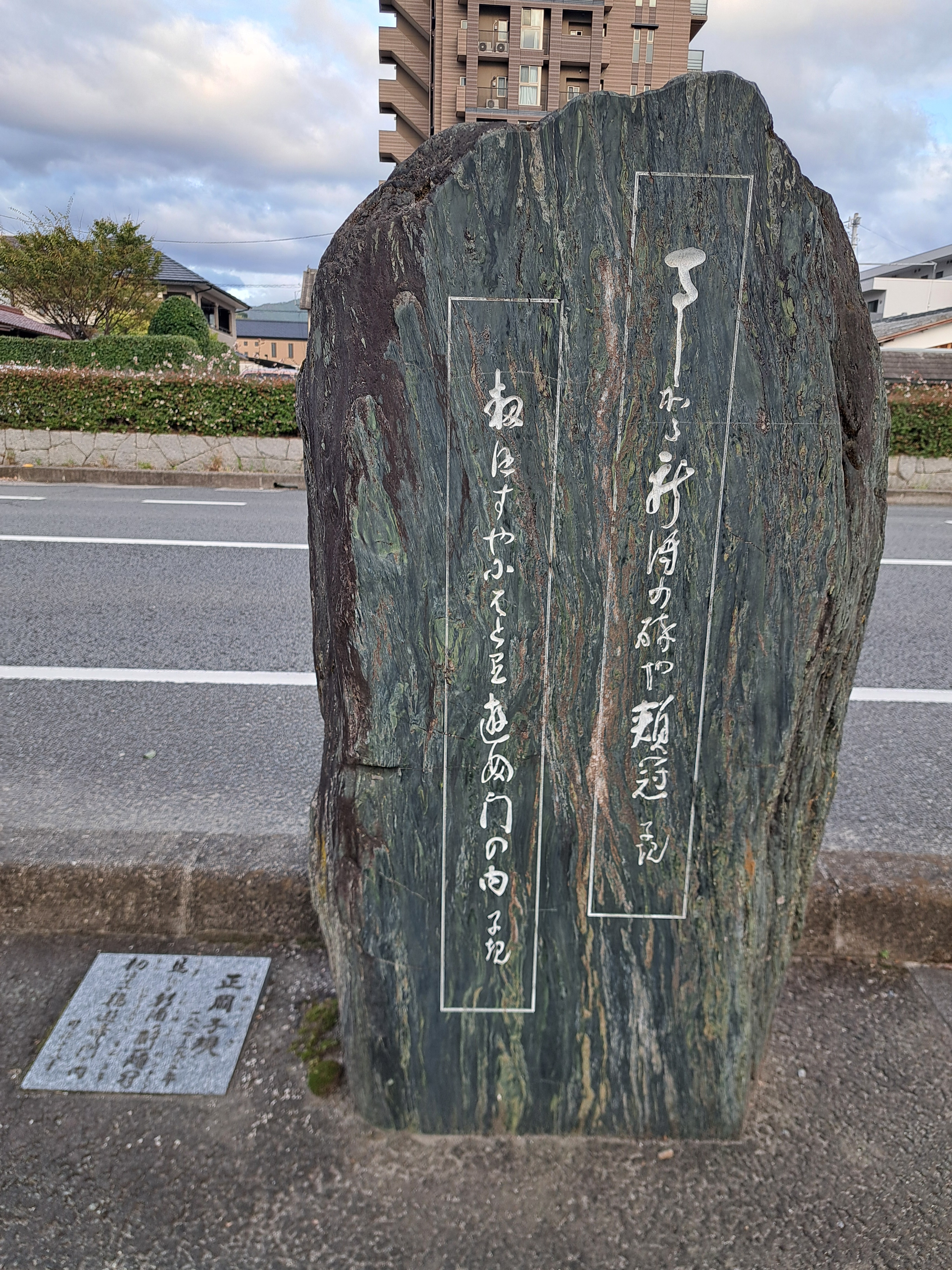
Masaoka Shiki Haiku Monument "Momi hosu ya" (Path of Haiku)
A haiku monument to Masaoka Shiki on the Dogo-machi 2-chome side of the "Path of Haiku" in Dogo (the street east of the Ehime Prefectural Culture Hall). It is inscribed with the haiku "籾ほすやにわとり遊ふ門の内".
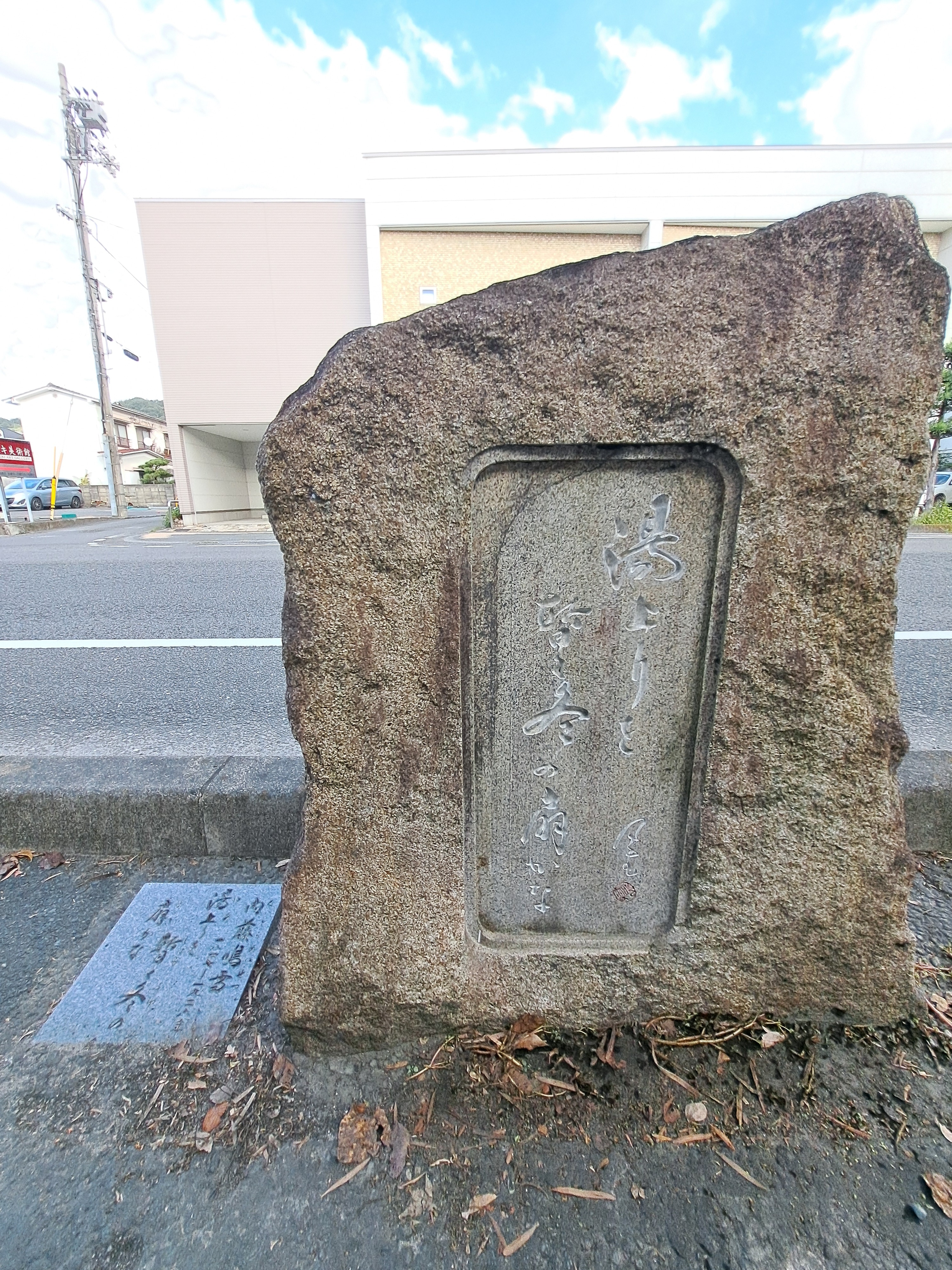
Naito Meisetsu Haiku Monument (Path of Haiku)
A haiku monument to Naito Meisetsu on the Dogo-Kitamachi side of the "Path of Haiku" in Dogo (the street east of the Ehime Prefectural Culture Hall). It is inscribed with the haiku "湯上りを暫く冬の扇かな".
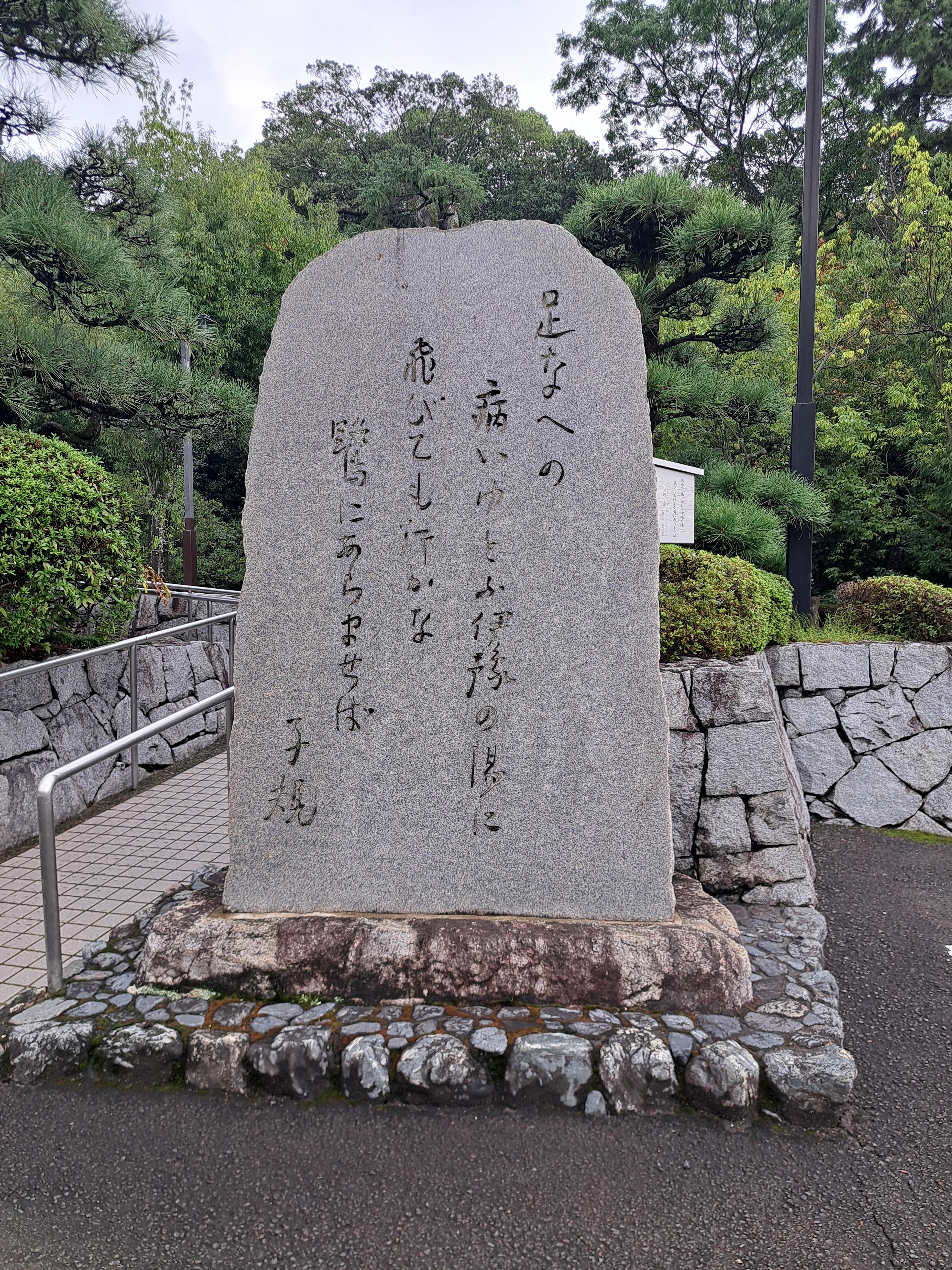
Masaoka Shiki Haiku Monument
A monument for Masaoka Shiki in Dogo Park, in front of the Shiki Memorial Museum. It is inscribed with the tanka "Ashinae no yamai iyu to fu Iyo no yu ni" and was erected for the 50th anniversary of Shiki's death in 1951 (Showa 26).
Path of Haiku (the street of haiku monuments east of the Ehime Prefectural Culture Hall)
The "Path of Haiku" is a street east of the Ehime Prefectural Culture Hall lined with 10 haiku and senryu monuments (11 verses) connected with Dogo Onsen. This page lists the verses by Soseki, Shiki, Santoka and others.