Gian-ji Temple
A temple of the Soto sect located in Dogo Himetsuka. It is a temple associated with the Kono clan, said to have been founded by Kono Hikoshiro Yoshiyasu in 1539, and is an unofficial temple (bangai fudasho) of the Shikoku 88 Temple Pilgrimage.
A Soto Zen temple located in Dogo Himetsuka, commonly known as "Orokubu-sama." It is a bangai fudasho of the Shikoku 88 temple pilgrimage. Located about 100 meters east of the Yuzuki Castle Ruins (currently Dogo Park), it is known as a temple closely associated with the Kono clan, who were the shugo of Iyo.
According to temple records, it is said to have been founded in 1539 by Kono Hikoshiro Yoshiyasu, the son of Kono Kagemichi. The temple's name is derived from this Yoshiyasu's name.
In 1585, during Toyotomi Hideyoshi's invasion of Shikoku, Kono Michinao, the head of the Kono clan, surrendered after being persuaded by Kobayakawa Takakage. It is said that the clan members and hereditary vassals gathered at this temple, shared well water to pledge that they would not serve a second lord, and committed ritual suicide. The "Spring of the Pledge," where they are said to have shared these cups of water, remains on the temple grounds.
It is located about 500 meters south of Dogo Onsen Honkan and is within walking distance of Dogo Park. It is a place that can be visited along with Dogo Park when tracing the history of the Kono clan and Yuzuki Castle.
Sources: Iyokan Net (Ehime Tourism and Local Products Association) Gianji / Shikoku Tourism Promotion Organization
Last confirmed: August 1, 2026
Articles that mention this place
More spots in Dogo Park & Isaniwa Shrine Area
See all in this area →Masaoka Shiki Haiku Monument
Located within Dogo Park, near the Masaoka Shiki Memorial Museum. This haiku monument commemorates Masaoka Shiki (1867–1902), a poet from Matsuyama. Shiki led a movement to innovate haiku in the newspaper 'Nippon'.
440 Kumo / 197 Oto
An antenna shop for Yusuhara in Kochi Prefecture and Ikata in Ehime Prefecture, on Shoninzaka in Dogo. It opened in 2024 and carries specialities and information from both towns.
Kawahigashi Hekigoto Haiku Monument (Dogo Park)
A haiku monument within Kawahigashi Hekigoto Kuhi Dogo Koen. It commemorates Kawahigashi Hekigoto (1873–1937), a poet from Matsuyama. Hekigoto was a disciple of Masaoka Shiki and known as an innovator who promoted the New Tendency haiku.
Natsume Soseki Haiku Monument
A haiku monument in Dogo Park. It commemorates Natsume Soseki (1867–1916), the author known by the pen name “Gudabutsu.” Natsume Soseki was assigned to Matsuyama in 1895, and that experience was reflected in the novel *Botchan*.
Matsuo Basho Haiku Monument
This is a haiku monument of Matsuo Basho in Dogo Park. It transmits a haiku of Matsuo Basho, a poet of the early Edo period known as the Sage of Haiku.
Enthronement Commemoration Monument
A monument within Dogo Park. It was erected to celebrate the Gotaiten, the imperial enthronement ceremony, and can be viewed while strolling through the park.
Himitsu Janai Kichi
An art spot was established in Dogo Yumotomachi as part of Dogo Onsen Art. It is open mainly on weekends and holidays.
Dogo Park (Playground) Public Toilet
A public toilet near the playground in Dogo Park (Yuzuki Castle ruins). Suitable for park walks and visitors with children.
More "Temples (General)" spots
See all in this category →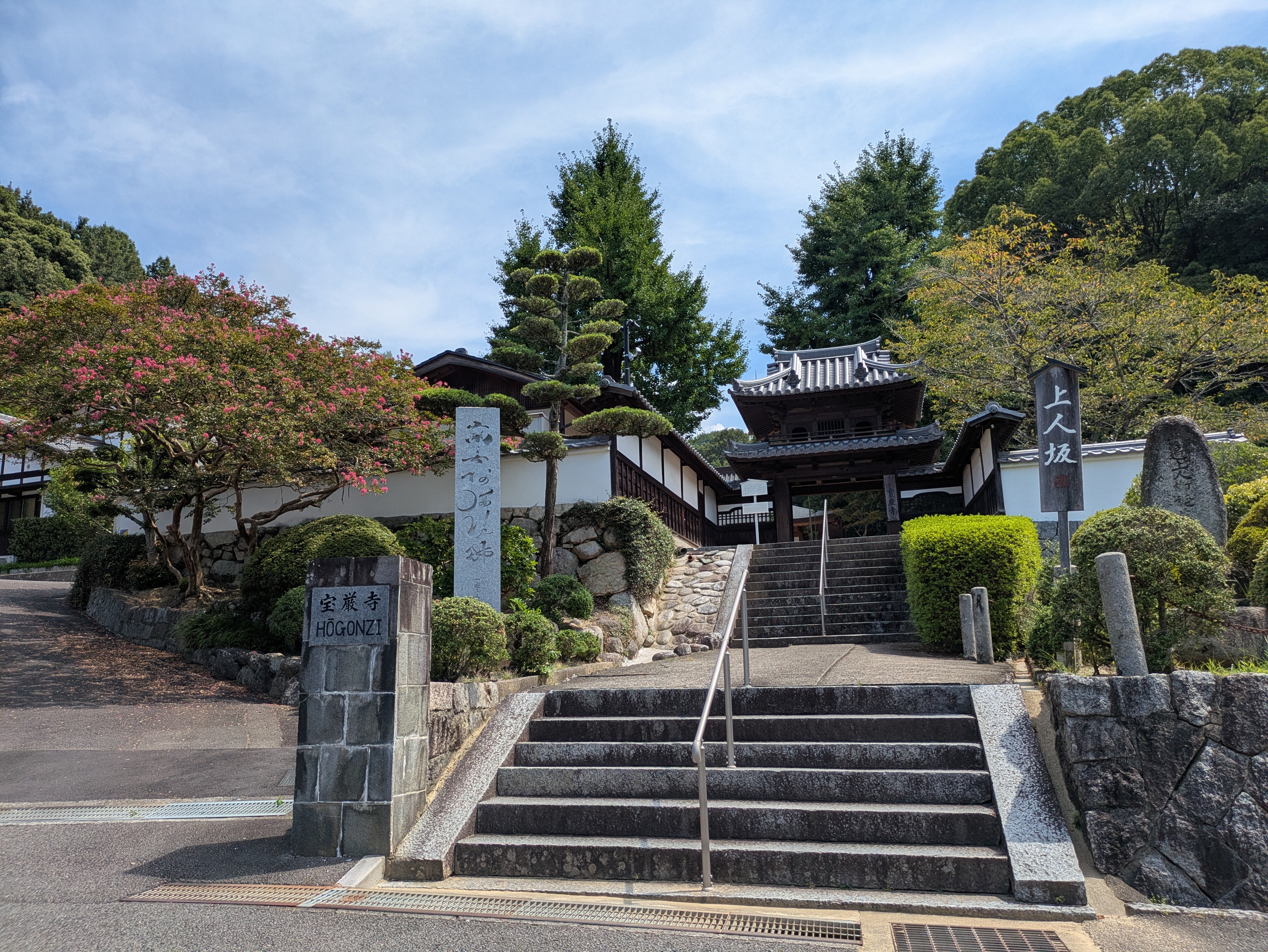
Hogon-ji Temple
A temple in Dogo said to be the birthplace of Ippen, founder of the Ji sect of Buddhism. The main hall was lost to fire in 2013 but was rebuilt in 2016.
Joko-in Temple
A temple in Jokoji-machi, Matsuyama. It sits in a quiet setting surrounded by residential areas on the east side of Dogo Onsen.
Enman-ji Temple
A temple near Dogo Onsen. It is known for its white-painted Yu-no-Odaizoson, a Jizo statue about 3.67 meters tall said to have been made by the monk Gyoki, and it preserves legends connected to Dogo's hot springs.
Myosei-ji Temple
A Nichiren sect temple located in Yamada-cho Otsu, Matsuyama City. The mountain name is Jueizan. Within the grounds, there is the grave of Yanagihara Kyokudo, a haiku poet who founded the haiku magazine "Hototogisu".