Hogon-ji Temple
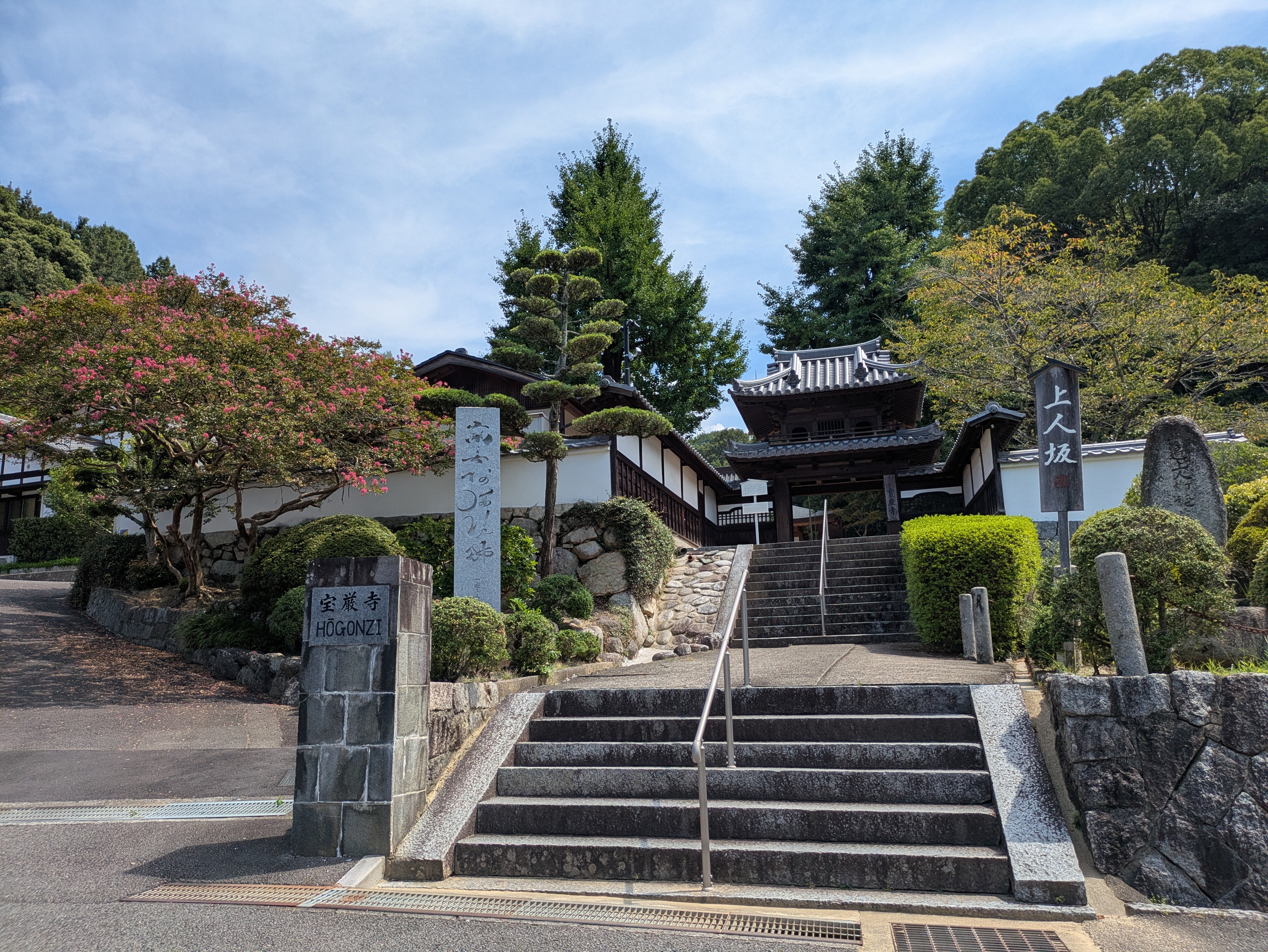
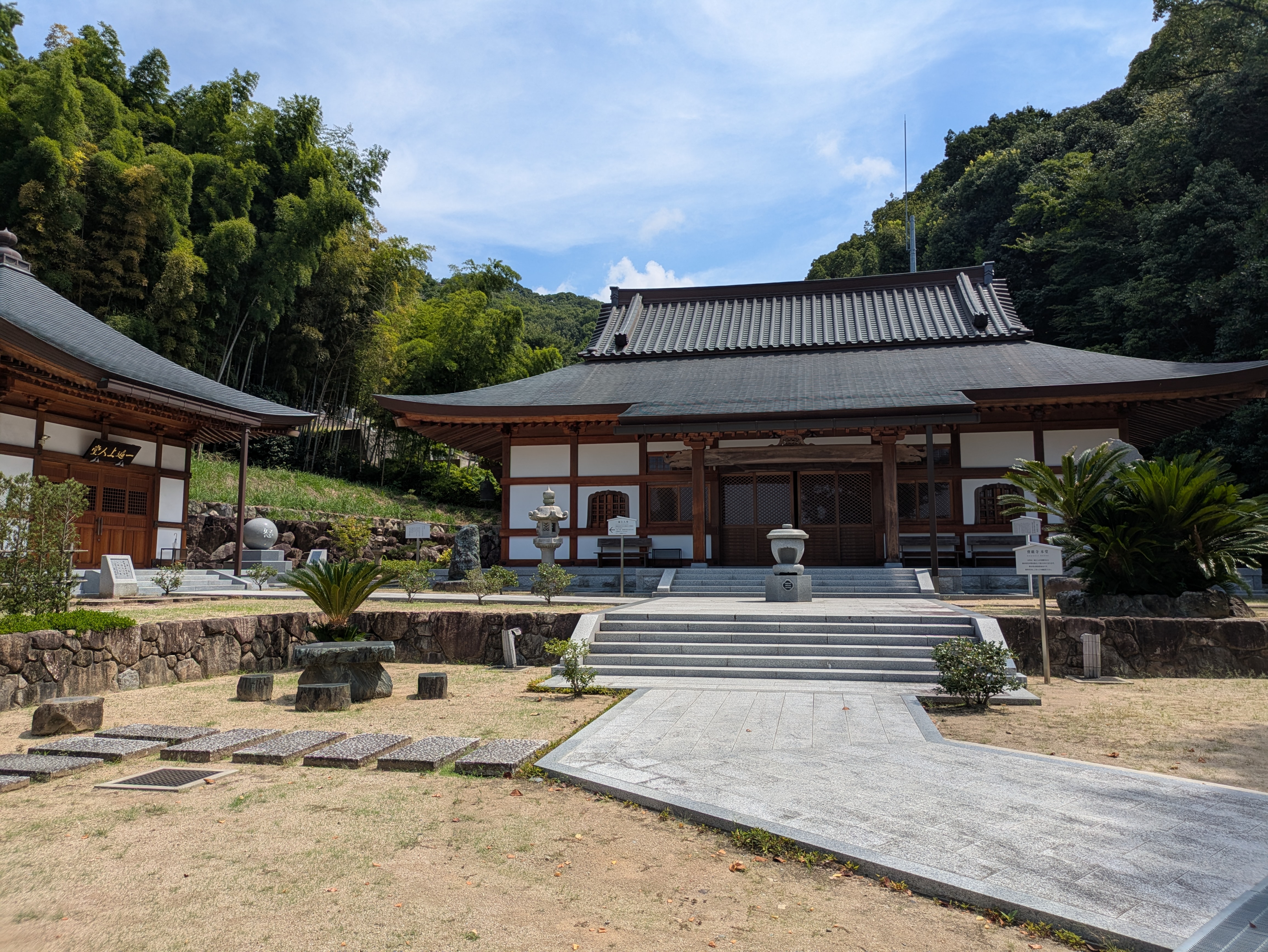
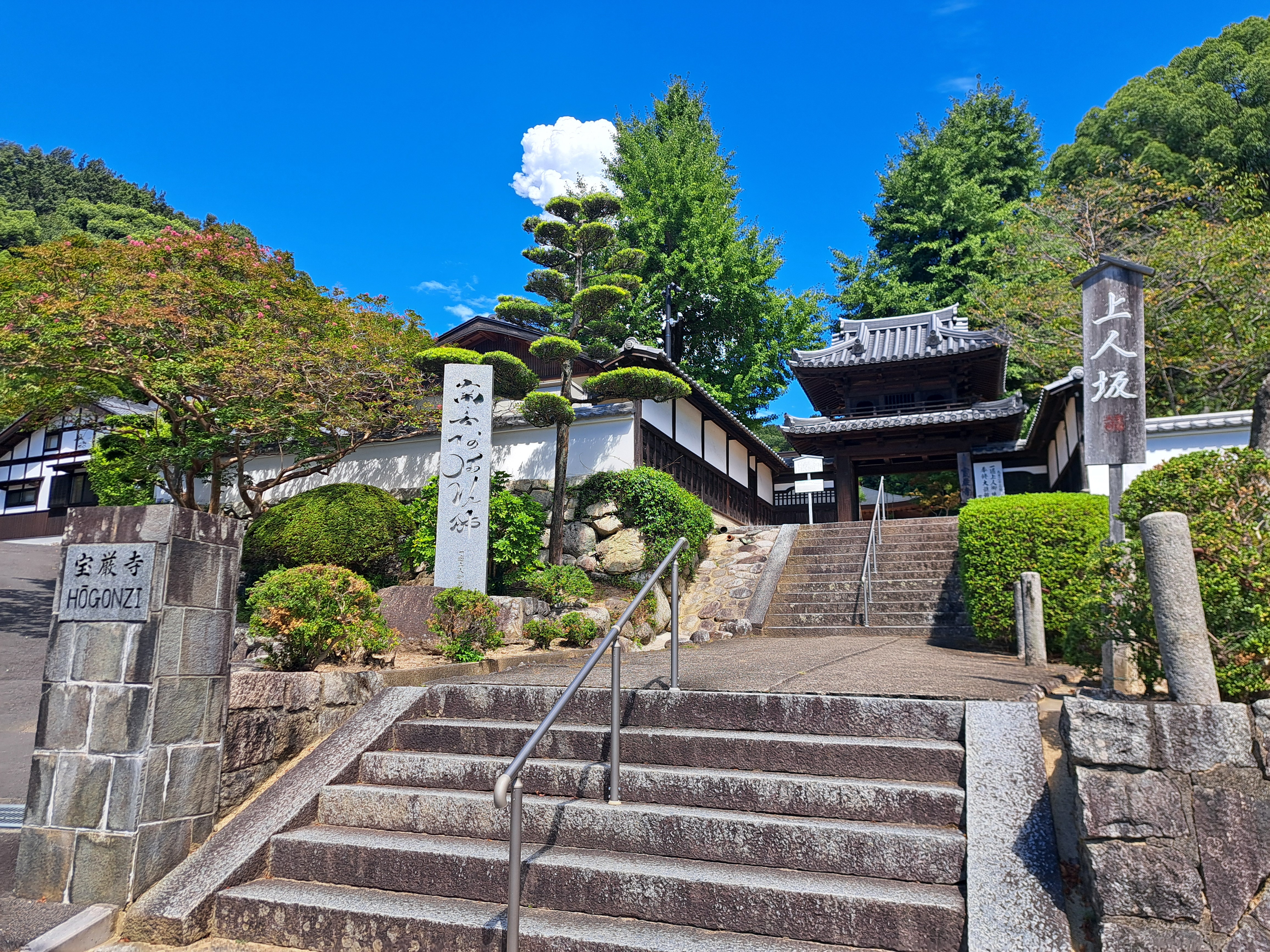
A temple in Dogo said to be the birthplace of Ippen, founder of the Ji sect of Buddhism. The main hall was lost to fire in 2013 but was rebuilt in 2016.
Hogonji Temple is a Ji-shu sect temple located in Dogoyuzukicho, Matsuyama City, known as the birthplace of Ippen Shonin, the founder of the Ji-shu sect. It is located near Dogo Onsen Honkan, on top of a slope.
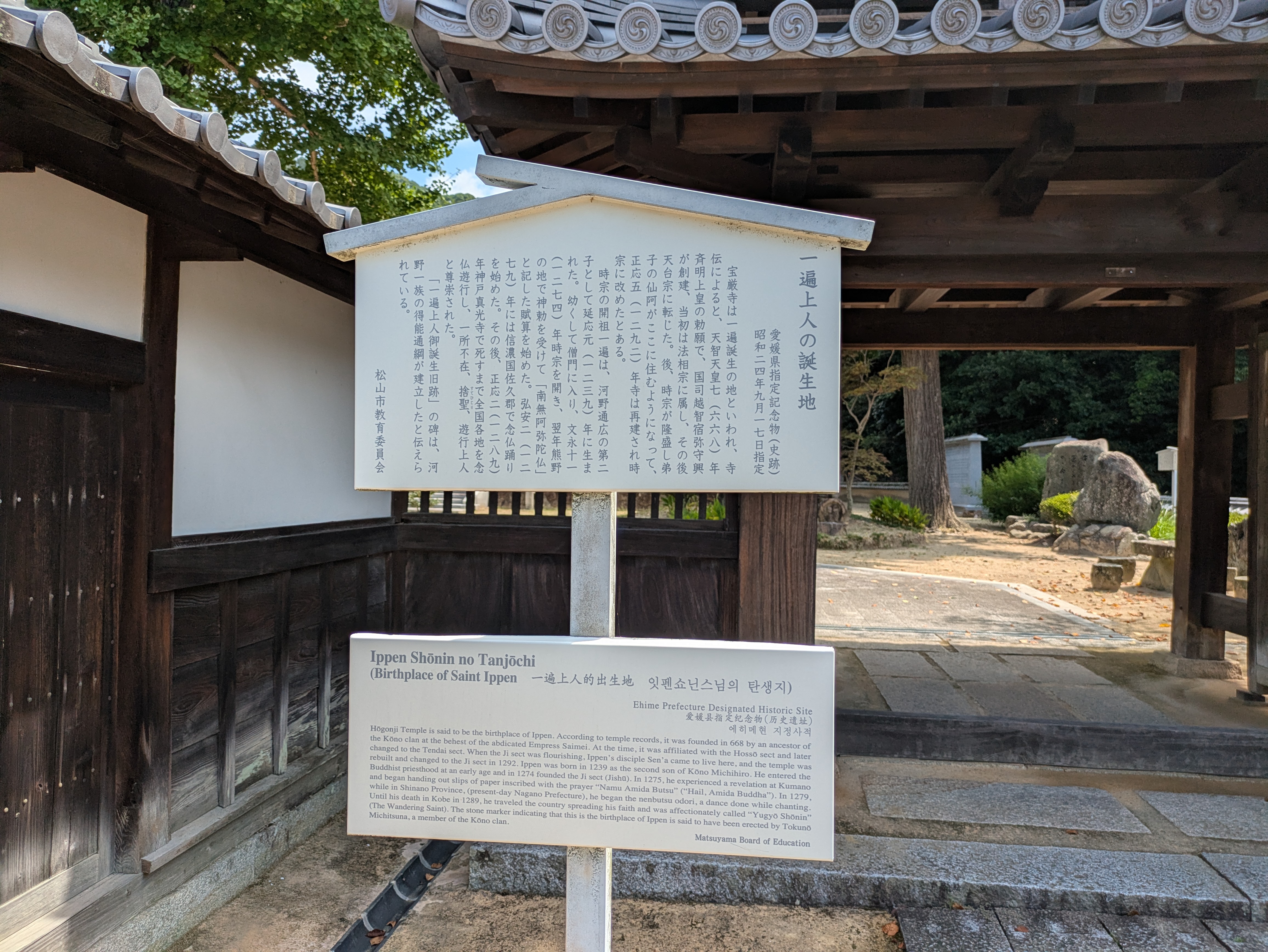
Birthplace of Ippen Shonin
It is said that Ippen was born in a corner of this temple in 1239 as the second child of Kono Michihiro, a powerful family in Iyo. Visitors come to this place associated with Ippen, who traveled nationwide to spread "odori-nembutsu" (dancing nembutsu).
Fire and Reconstruction
On August 10, 2013, the main hall and the priests' quarters were completely destroyed by a fire. In this fire, the "Wooden Standing Statue of Ippen Shonin," a national Important Cultural Property owned by the temple, was also destroyed by fire. This standing statue was made in 1475 during the Muromachi period and was designated as a former National Treasure (current Important Cultural Property) in 1901.
Afterward, reconstruction progressed with donations from temple supporters and various groups, and the dedication ceremony for the main hall and Ippen Shonin Hall was held on May 14, 2016.
Access
- About a 5-minute walk from Dogo Onsen Honkan
- Location: 5-4 Dogoyuzukicho, Matsuyama City
Source: "Hogonji (Matsuyama City)" Wikipedia (CC BY-SA), Ji-shu Dogo Hogonji Temple Official Website. Please check the venue or official website for visiting information.
Last verified: July 2026
Articles that mention this place
Walking the town
An Example of a Dogo Photo Spot Walking Route Targeting Early Morning and Sunset Hours An Example of a Dogo Photo Spot Walking Route Targeting Early Morning and Sunset Hours
For travelers who wish to take photos of historical buildings and streetscapes while avoiding crowds, this guide presents an example of a walking route to enjoy the light conditions and quiet atmosphere during the early morning and sunset hours.
Practical
Basic Photography Etiquette and Precautions at Shrines and Temples Around Dogo Onsen
This explanation summarizes photography etiquette and prohibited matters when visiting shrines and temples such as Isaniwa Shrine and Ishite-ji Temple around Dogo Onsen. It explains the criteria for judgment within the precincts and inside the main halls, as well as the handling of tripods and drones.
Walking the town
8 Museums and Art Galleries Around Dogo — Opening Days, Admission Fees, and Walking Routes
This guide compiles the opening hours, closed days, and admission fees of 8 museums, art galleries, and temple treasure halls that can be visited on foot from Dogo Onsen Station, and presents 2 walking routes based on differences in closed days. The Shiki Memorial Museum is closed on Tuesdays, the Seki Art Museum is closed on Mondays and Tuesdays, Bydeisha is closed on Tuesdays and Wednesdays, and Matsuyama Togetsuan is open only on Saturdays and Sundays.
More spots in Dogo Park & Isaniwa Shrine Area
See all in this area →Yuzuki Castle Museum
A free museum in Dogo Park (Yuzuki Castle ruins). It conveys Yuzuki Castle through excavated artifacts and reconstructed samurai residences.
Matsuyama Kanko Rinji Parking
A temporary parking area with approximately 60 free spaces, open only on designated days during busy periods.
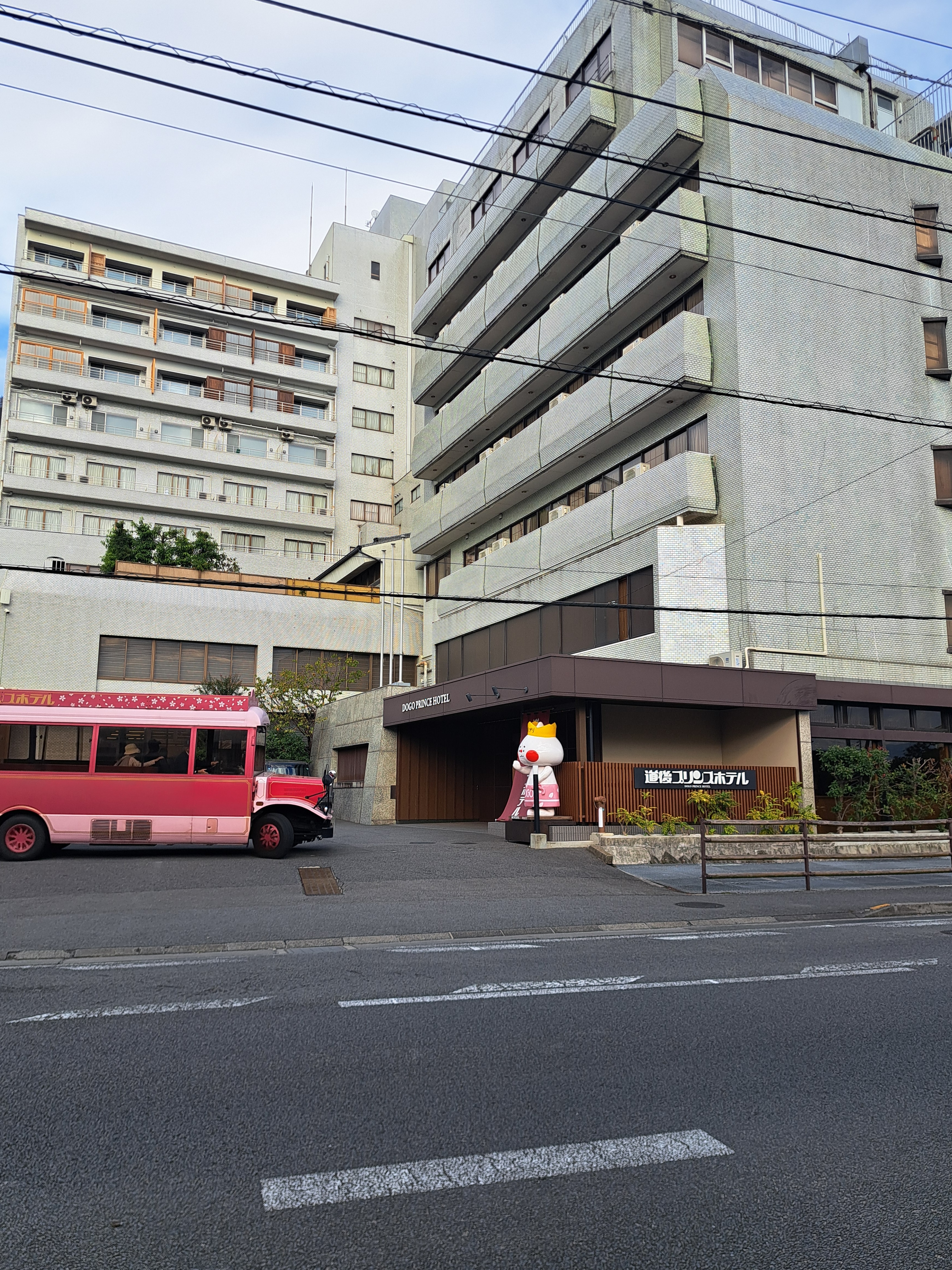
Dogo Prince Hotel
A large hot spring hotel on high ground in Dogo. It has a range of baths, including the large bath Yunoka, the open-air bath Yunone and private open-air baths, and serves kaiseki meals.
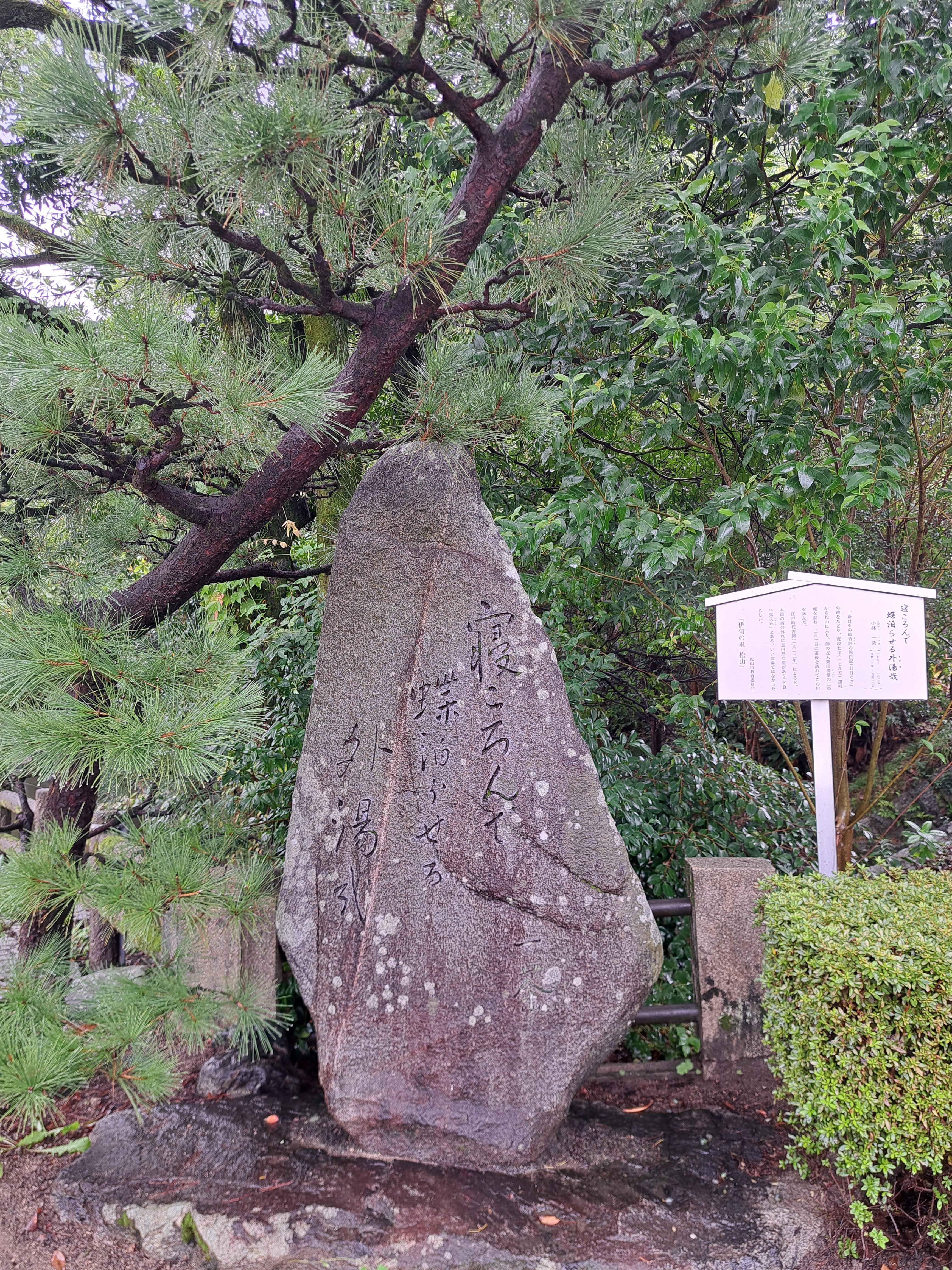
Kobayashi Issa Haiku Monument
A haiku monument for Kobayashi Issa at the north entrance of Dogo Park. It is inscribed with "Nekoronde cho tomaraseru sotoyu kana" and was erected in 1950 (Showa 25).
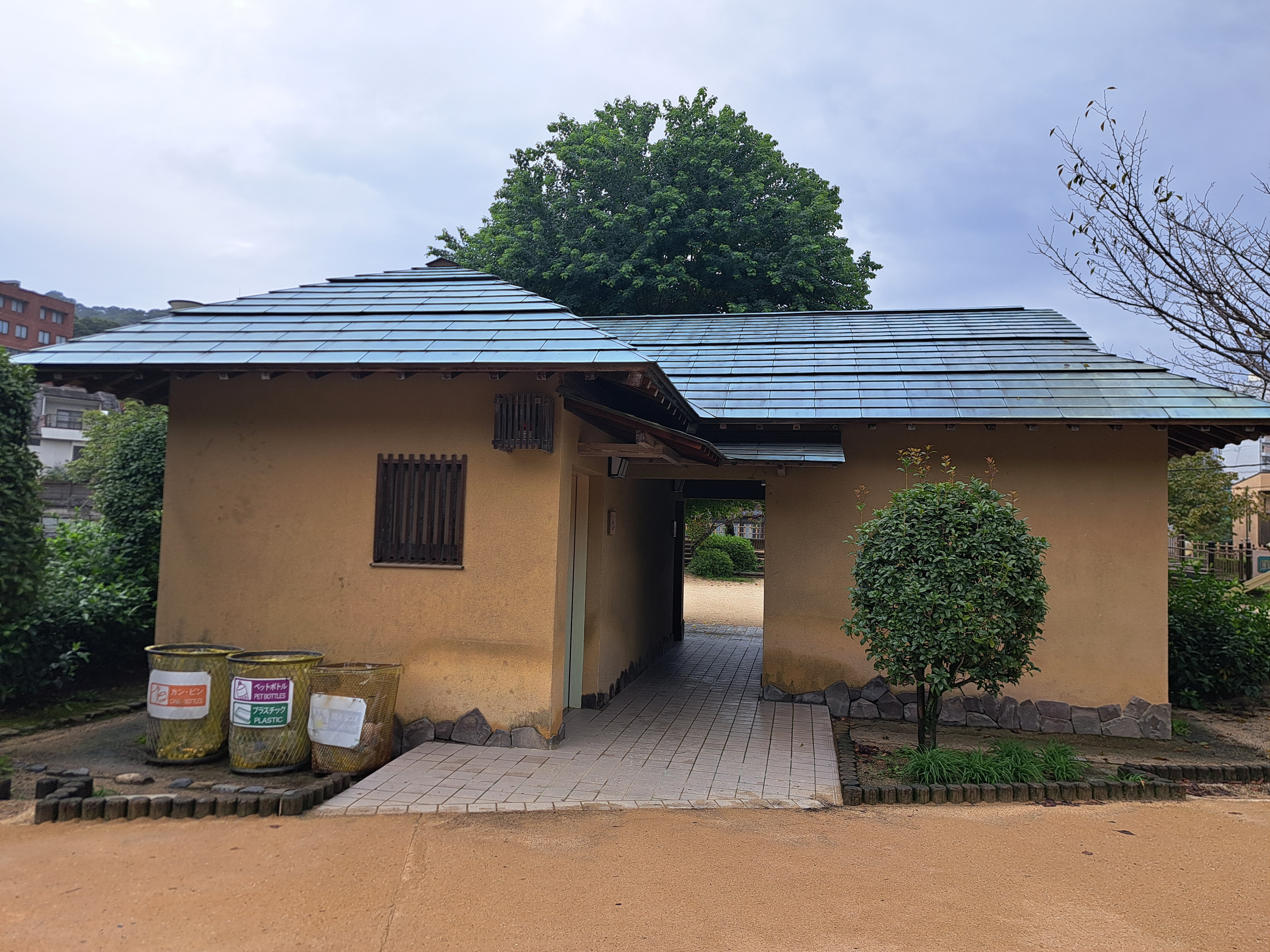
Dogo Park (Playground) Public Toilet
A public toilet near the playground in Dogo Park (Yuzuki Castle ruins). Suitable for park walks and visitors with children.
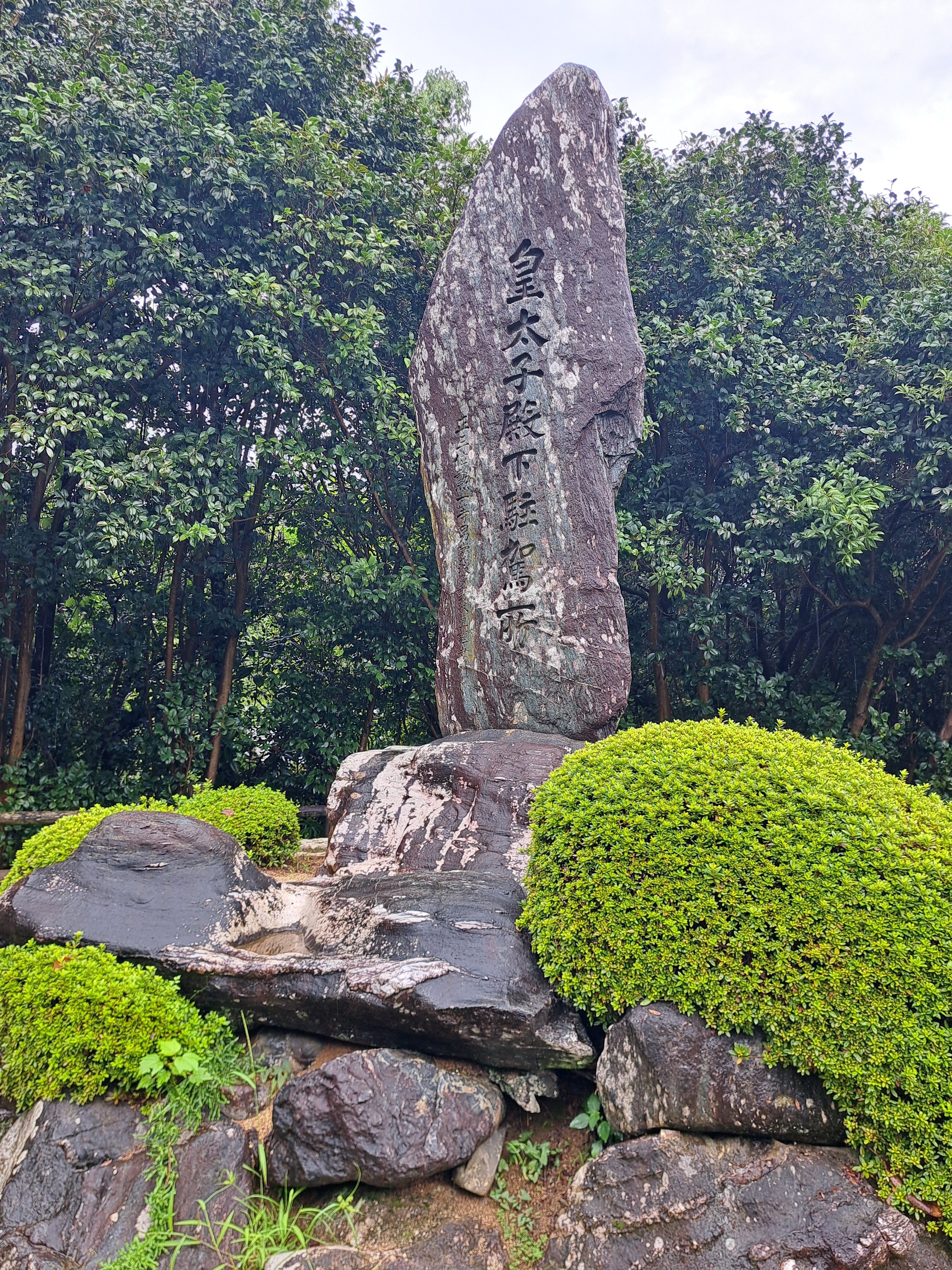
Monument to the Crown Prince's Visit
A stone monument within Dogo Park. This monument, indicating "Chugasho" (a place where the Crown Prince stopped), can be seen while strolling around the park.
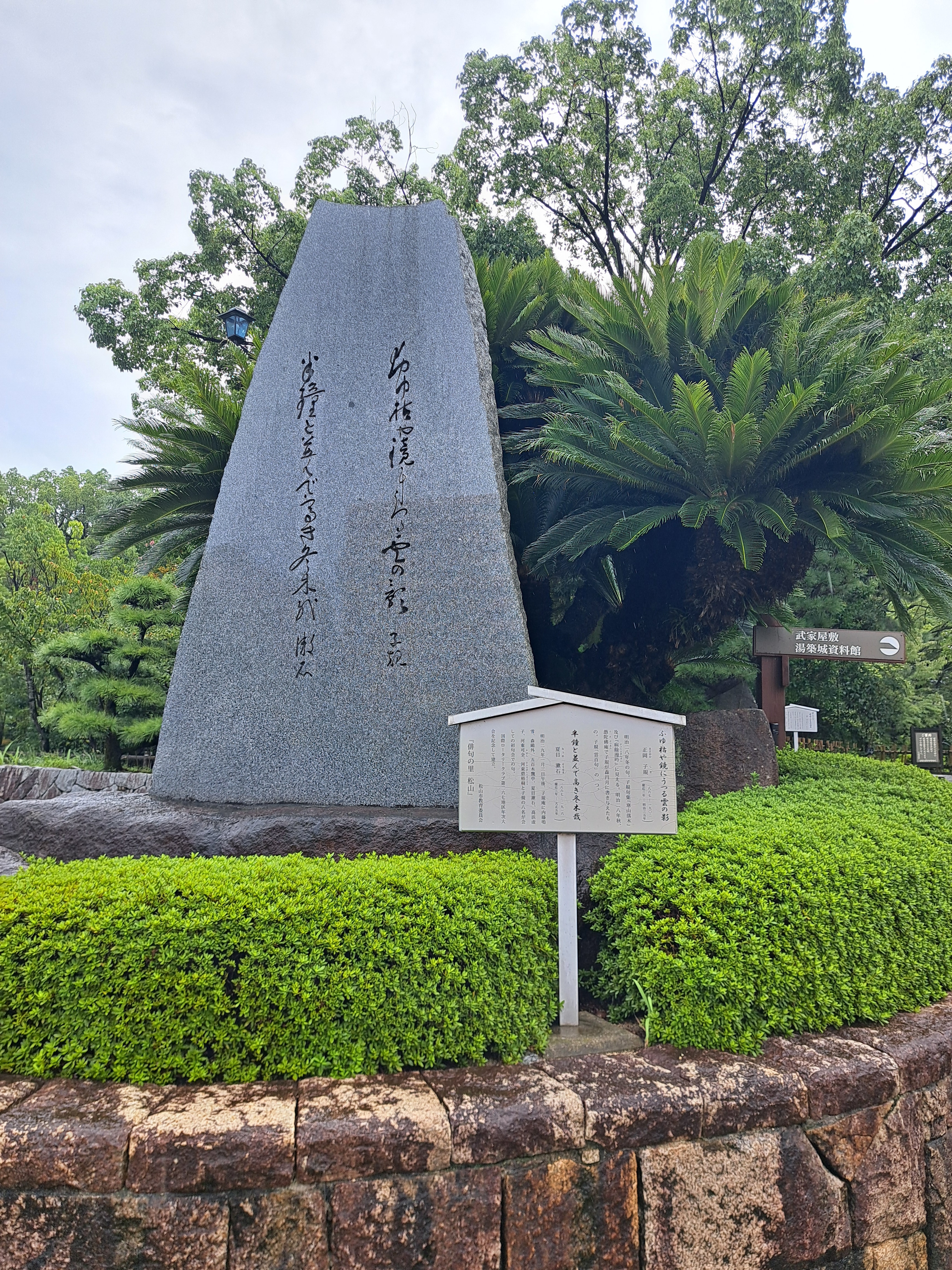
Natsume Soseki Haiku Monument
A haiku monument at the north entrance of Dogo Park. It carries Natsume Soseki's "Hansho to narande takaki fuyuki kana" side by side with a verse by Masaoka Shiki, and was erected in 1986 (Showa 61).
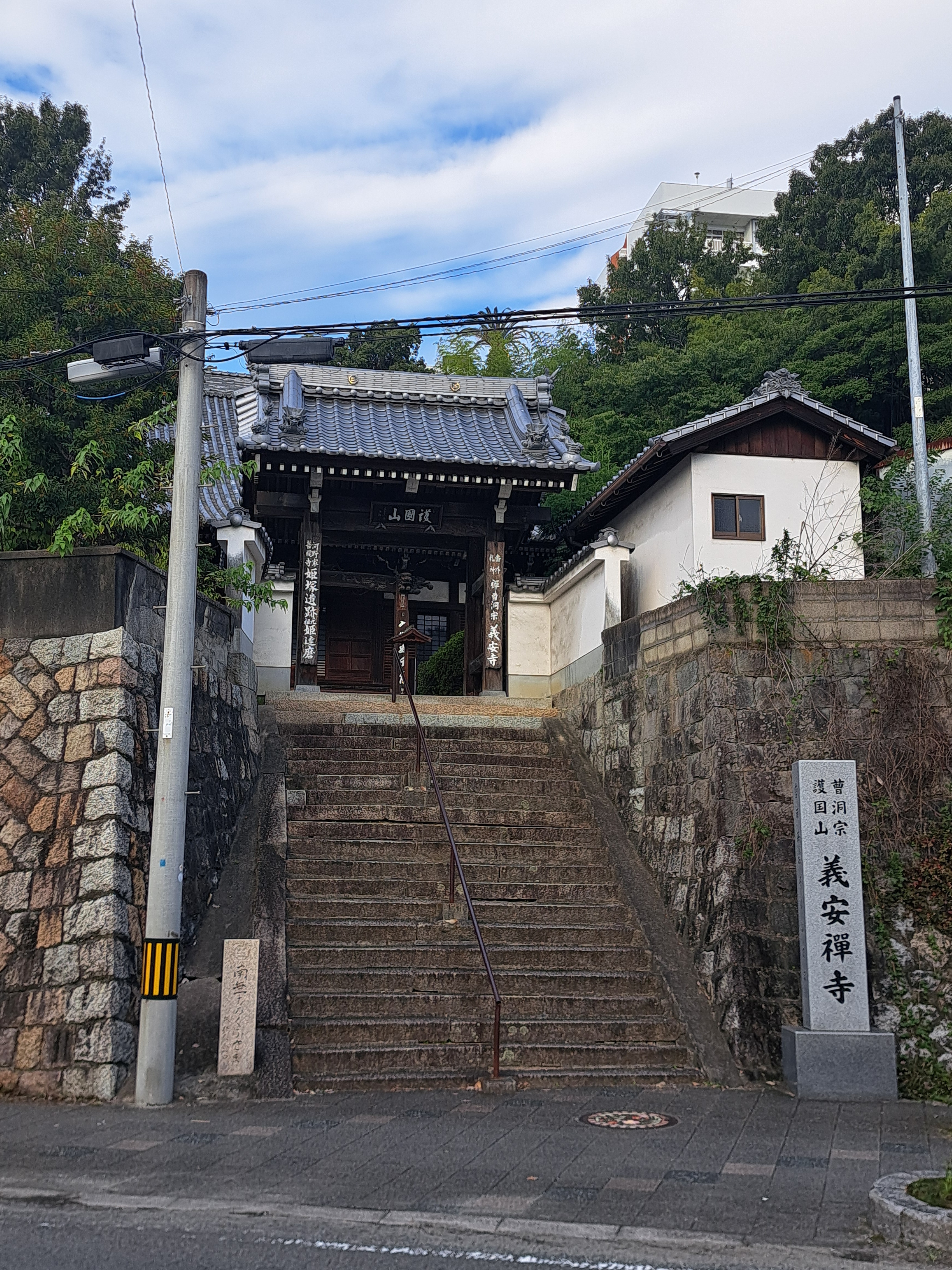
Gian-ji Temple
A temple of the Soto sect located in Dogo Himetsuka. It is a temple associated with the Kono clan, said to have been founded by Kono Hikoshiro Yoshiyasu in 1539, and is an unofficial temple (bangai fudasho) of the Shikoku 88 Temple Pilgrimage.
More "Temples (General)" spots
See all in this category →Gian-ji Temple
A temple of the Soto sect located in Dogo Himetsuka. It is a temple associated with the Kono clan, said to have been founded by Kono Hikoshiro Yoshiyasu in 1539, and is an unofficial temple (bangai fudasho) of the Shikoku 88 Temple Pilgrimage.

Joko-in Temple
A temple in Jokoji-machi, Matsuyama. It sits in a quiet setting surrounded by residential areas on the east side of Dogo Onsen.

Enman-ji Temple
A temple near Dogo Onsen. It is known for its white-painted Yu-no-Odaizoson, a Jizo statue about 3.67 meters tall said to have been made by the monk Gyoki, and it preserves legends connected to Dogo's hot springs.
Myosei-ji Temple
A Nichiren sect temple located in Yamada-cho Otsu, Matsuyama City. The mountain name is Jueizan. Within the grounds, there is the grave of Yanagihara Kyokudo, a haiku poet who founded the haiku magazine "Hototogisu".