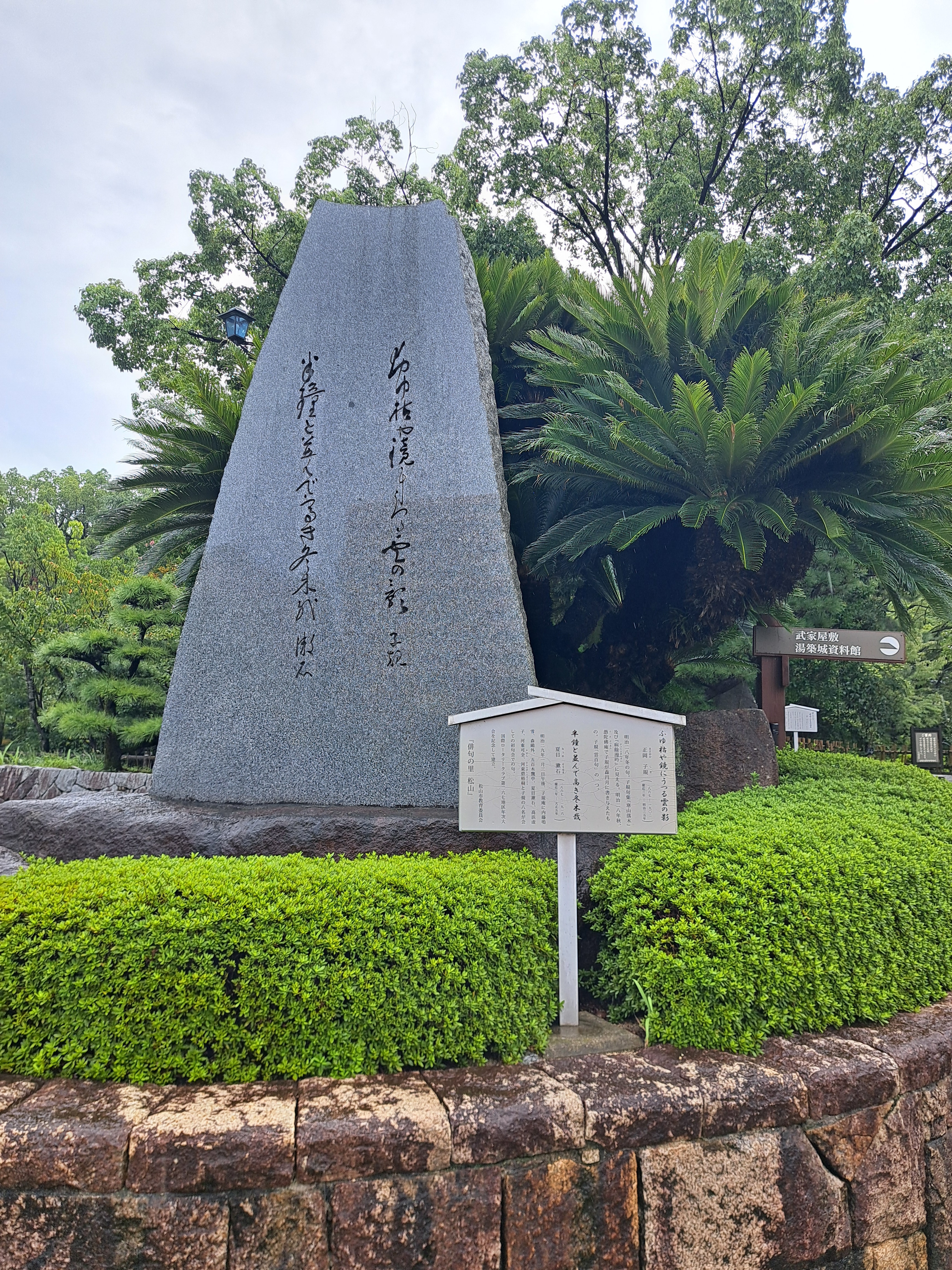
Natsume Soseki Haiku Monument
A haiku monument at the north entrance of Dogo Park. It carries Natsume Soseki's "Hansho to narande takaki fuyuki kana" side by side with a verse by Masaoka Shiki, and was erected in 1986 (Showa 61).
The Natsume Soseki Haiku Monument stands at the north entrance of Dogo Park. Two verses are carved side by side: Natsume Soseki's "Hansho to narande takaki fuyuki kana" and Masaoka Shiki's "Fuyugare ya kagami ni utsuru kumo no kage". It was erected on November 2, 1986 (Showa 61) to commemorate the annual convention of Rotary International District 267.
Natsume Soseki and Matsuyama
Natsume Soseki (1867–1916) was a novelist known for works such as "I Am a Cat" and "Botchan". His haiku pen name was "Gudabutsu", and he enjoyed haiku as well. In 1895 (Meiji 28) he came to Ehime Prefectural Jinjo Middle School in Matsuyama as an English teacher, and the experience was drawn on in the novel "Botchan". In the same year Shiki, who had returned to Matsuyama, lodged in the same house as Soseki, and the two held haiku gatherings together. This monument, with their two verses side by side, conveys that friendship.
Source: Matsuyama Shiki Memorial Museum, "Ehime no Kuhi" http://www.haiku-matsuyama.jp/dogo/210/ / "Natsume Soseki" Wikipedia (CC BY-SA) Last confirmed: October 5, 2026
More spots in Dogo Park & Isaniwa Shrine Area
See all in this area →Yuzuki Castle Museum
A free museum in Dogo Park (Yuzuki Castle ruins). It conveys Yuzuki Castle through excavated artifacts and reconstructed samurai residences.
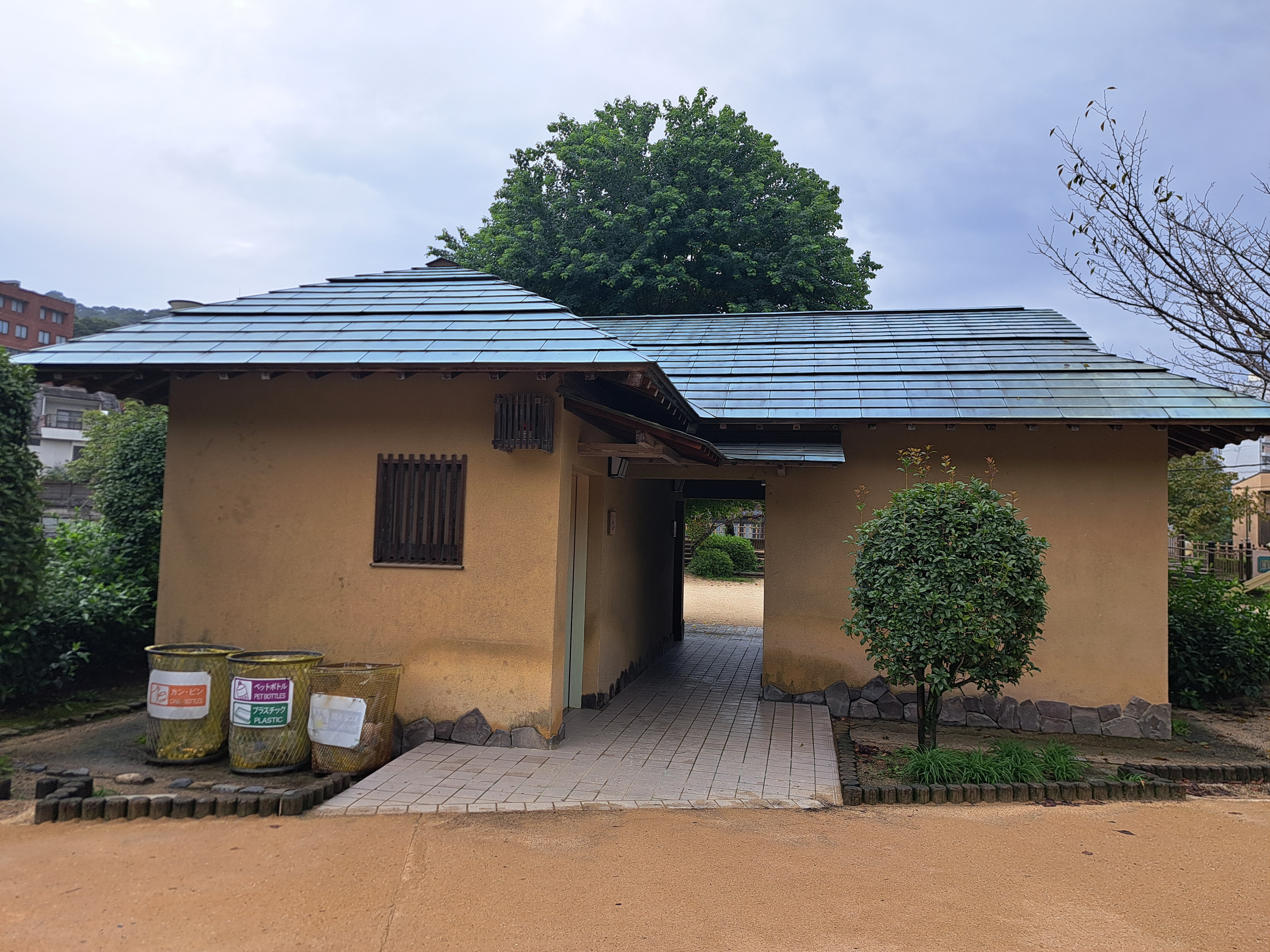
Dogo Park (Playground) Public Toilet
A public toilet near the playground in Dogo Park (Yuzuki Castle ruins). Suitable for park walks and visitors with children.
Hotel Katsuragi Spa Resort Dogo
A hotel adjoining Dogo Onsen Honkan and the shopping street. Its baths include one with ukiyo-e prints set against hinoki-wood walls, and day-use bathing is also available.
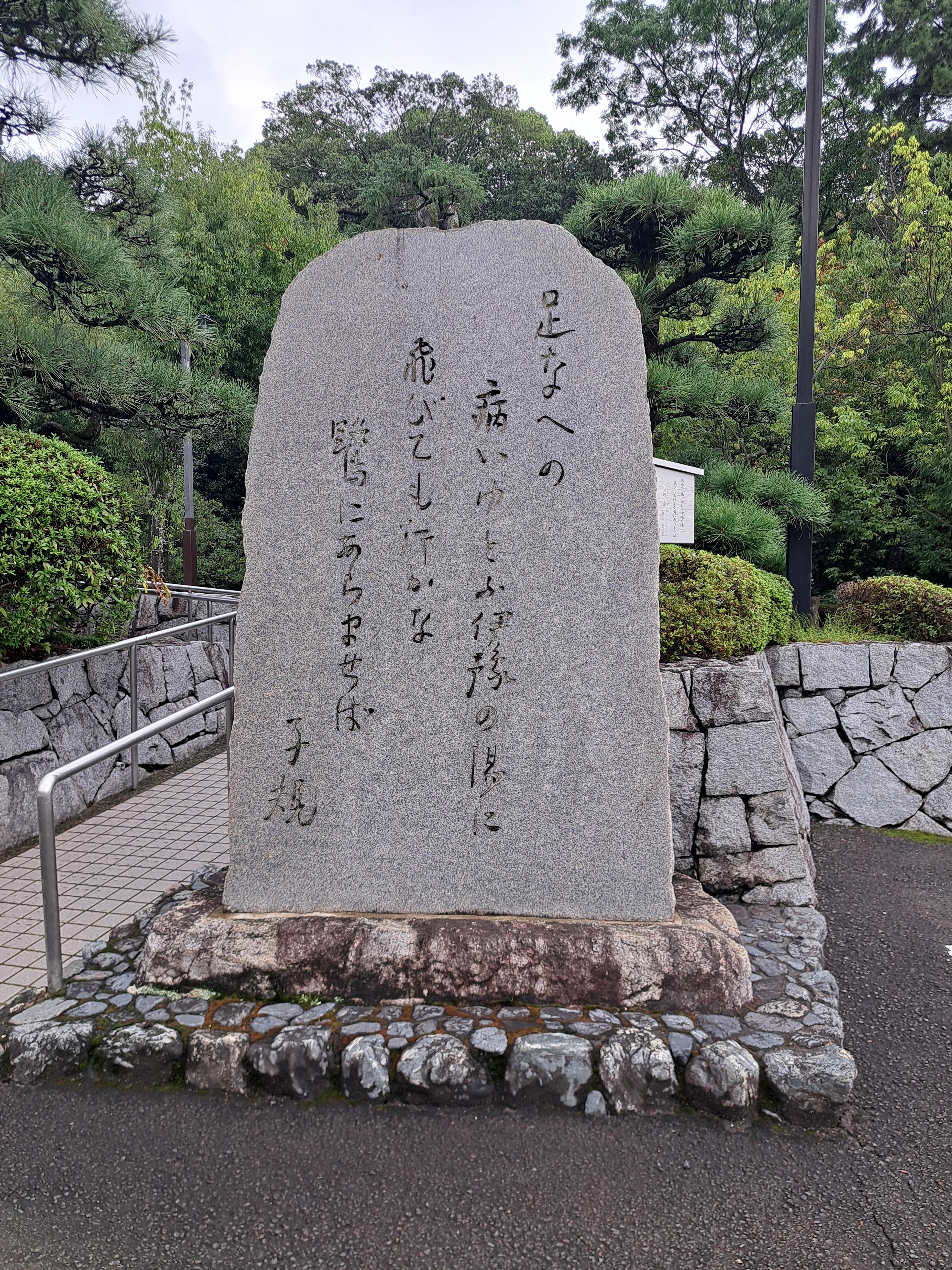
Masaoka Shiki Haiku Monument
A monument for Masaoka Shiki in Dogo Park, in front of the Shiki Memorial Museum. It is inscribed with the tanka "Ashinae no yamai iyu to fu Iyo no yu ni" and was erected for the 50th anniversary of Shiki's death in 1951 (Showa 26).

Enman-ji Temple
A temple near Dogo Onsen. It is known for its white-painted Yu-no-Odaizoson, a Jizo statue about 3.67 meters tall said to have been made by the monk Gyoki, and it preserves legends connected to Dogo's hot springs.
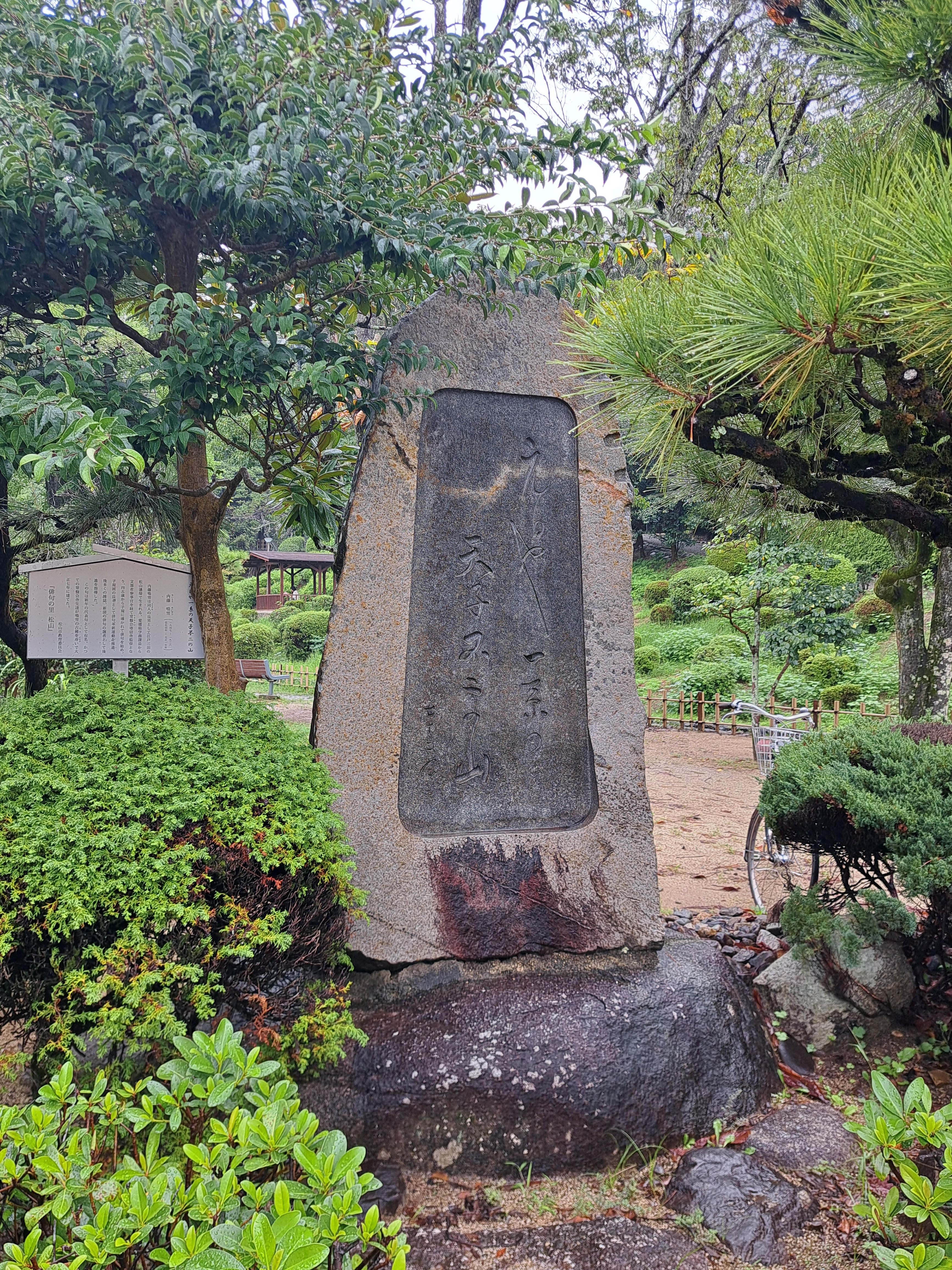
Naito Meisetsu Haiku Monument
This haiku monument is in Dogo Park. It is inscribed with the verse "Mottozu ya itsuika no tenzi futai no yama". In 1918, former dormitory residents erected it as a longevity monument to celebrate the long life of the poet Naito Meisetsu (1847–1926).
Kimono Bar -CHAHARU-
A bar located on the 1st floor of Dogo Onsen Chaharu. It serves sake, cocktails, local beer, and more in a Japanese-style space. It is open on Thursday through Sunday nights.
CHAHARU Hanare, Dogo Yumekura
A seven-room ryokan standing immediately east of Dogo Onsen Honkan. Each room has an indoor bath fed by piped hot spring water, and Ehime crafts such as Tobe ware and Imabari towels are used throughout.
More "Stone Monuments & Poem Steles" spots
See all in this category →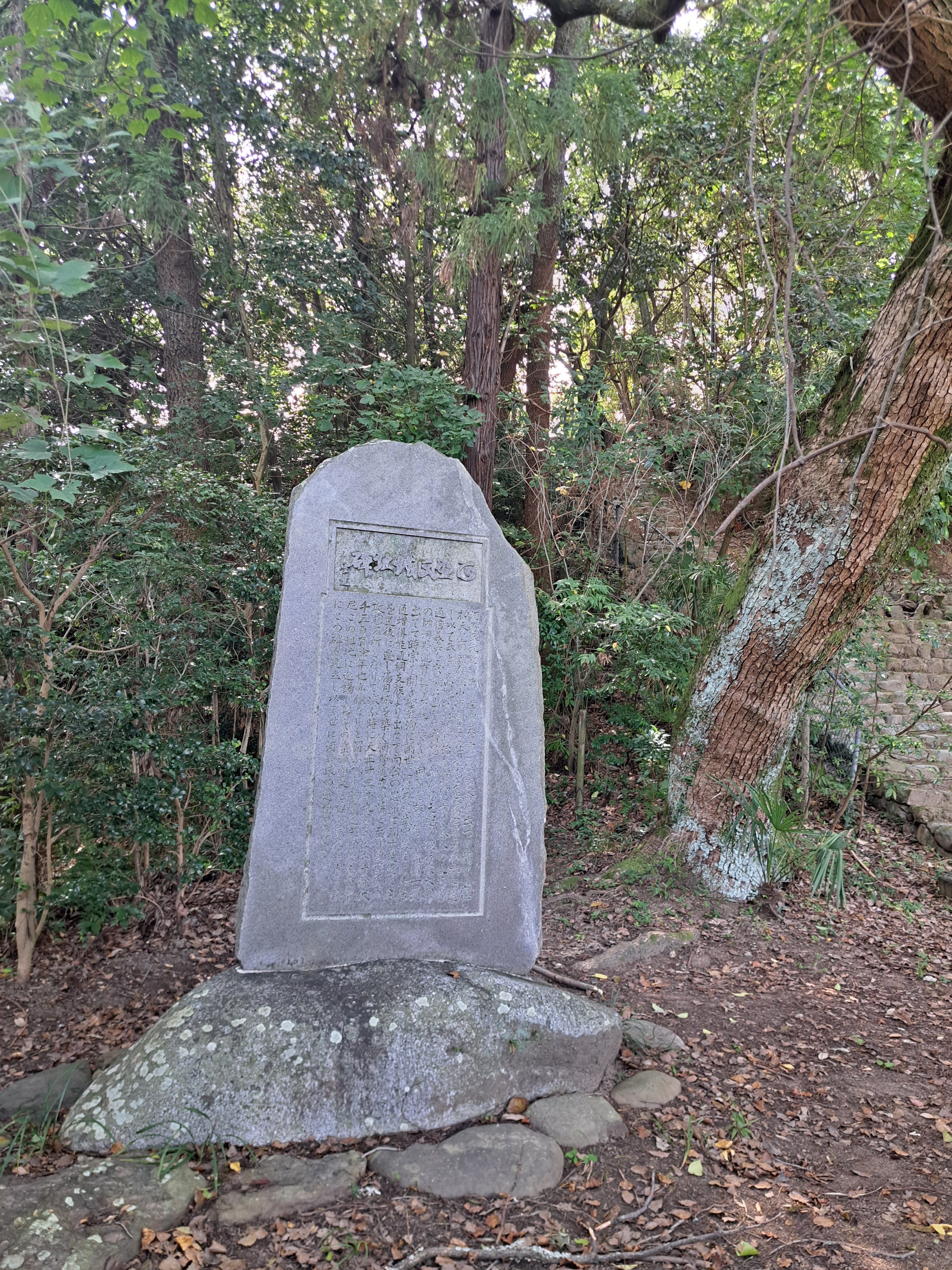
Kono Clan Castle Site Monument
The Kono clan castle site monument in Dogo Park (the site of Yuzuki Castle). It records the history of the Kono clan, who based themselves here in the medieval period, and was erected in 1941 (Showa 16). It is one of the stops on Dogo Park's haiku monument tour.
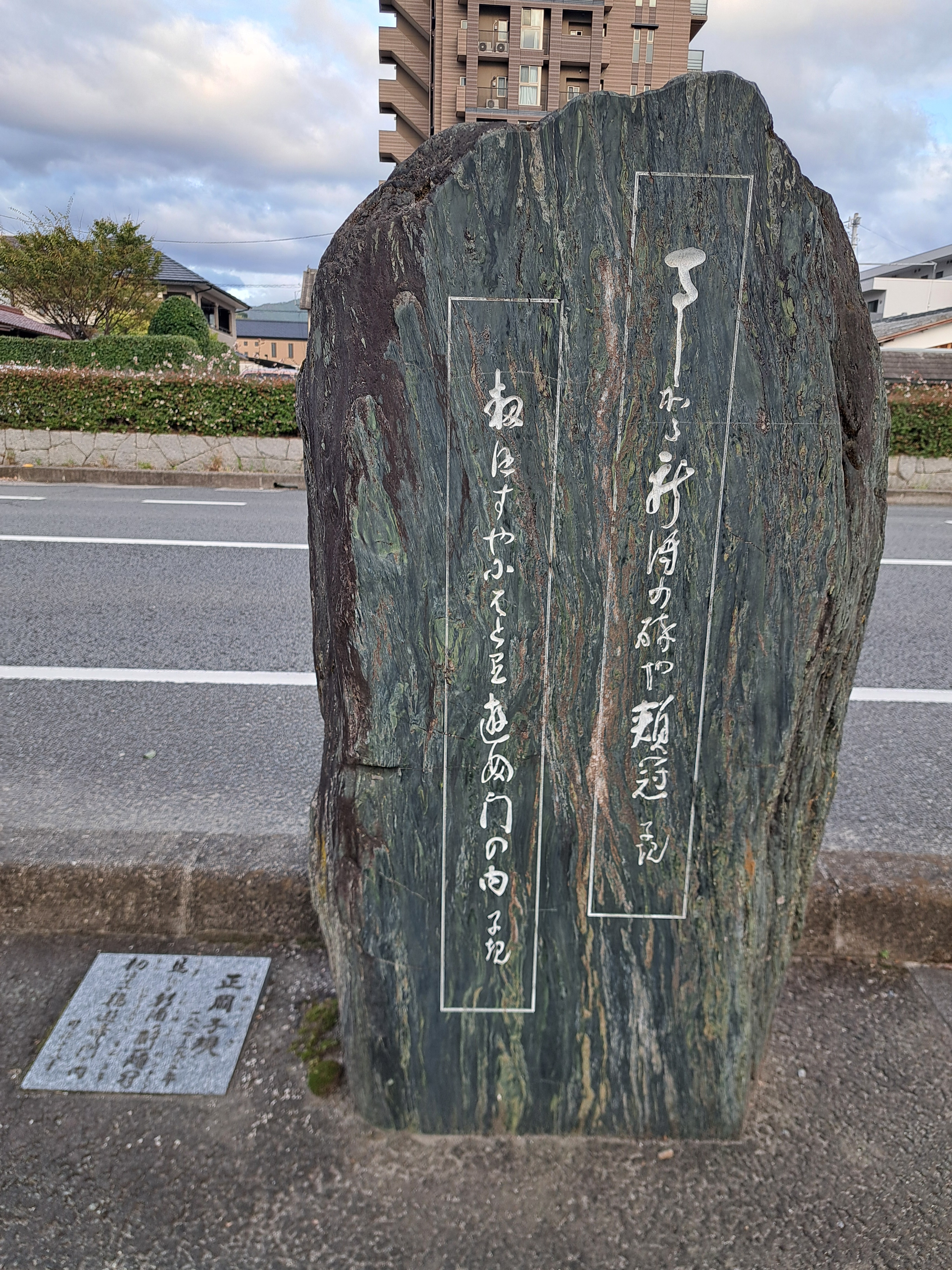
Masaoka Shiki Haiku Monument "Momi hosu ya" (Path of Haiku)
A haiku monument to Masaoka Shiki on the Dogo-machi 2-chome side of the "Path of Haiku" in Dogo (the street east of the Ehime Prefectural Culture Hall). It is inscribed with the haiku "籾ほすやにわとり遊ふ門の内".
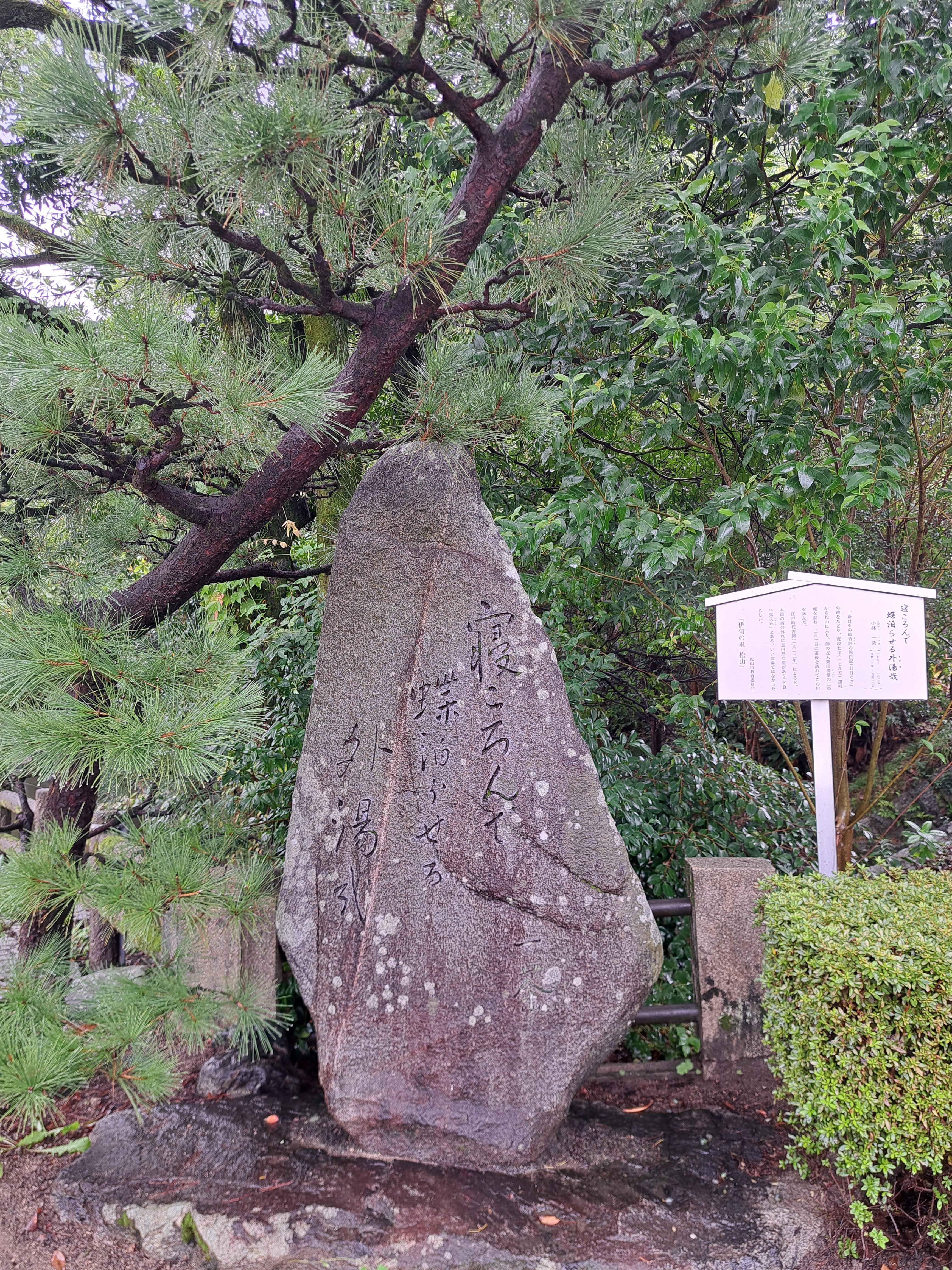
Kobayashi Issa Haiku Monument
A haiku monument for Kobayashi Issa at the north entrance of Dogo Park. It is inscribed with "Nekoronde cho tomaraseru sotoyu kana" and was erected in 1950 (Showa 25).
Path of Haiku (the street of haiku monuments east of the Ehime Prefectural Culture Hall)
The "Path of Haiku" is a street east of the Ehime Prefectural Culture Hall lined with 10 haiku and senryu monuments (11 verses) connected with Dogo Onsen. This page lists the verses by Soseki, Shiki, Santoka and others.
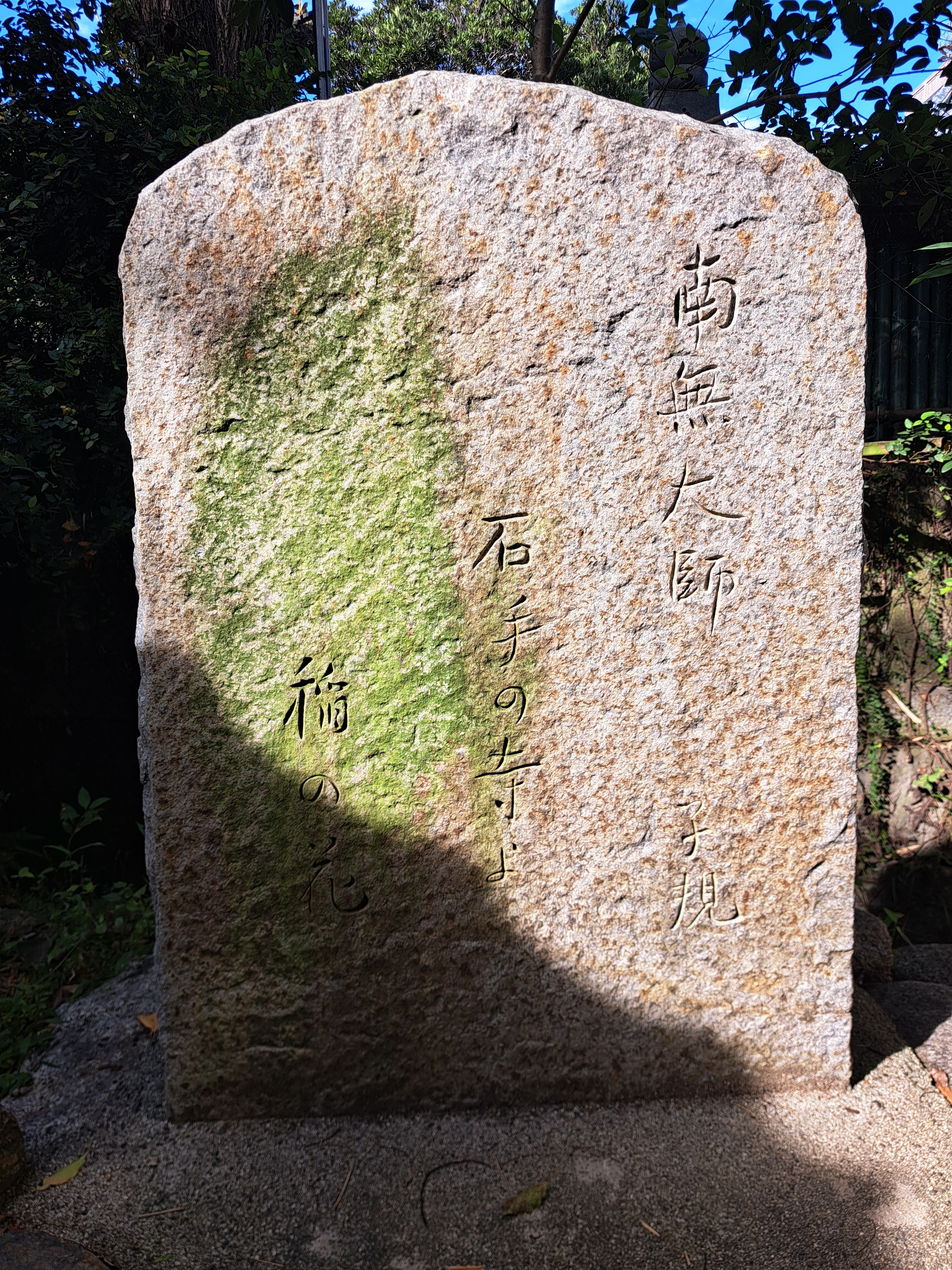
Masaoka Shiki Haiku Monument (Ishite-ji Temple Approach)
A haiku monument of Masaoka Shiki is located on the approach to Ishite-ji Temple, the 51st pilgrimage temple in Shikoku. It can be visited along with a visit to Ishite-ji Temple, known for its National Treasure, Nio-mon.
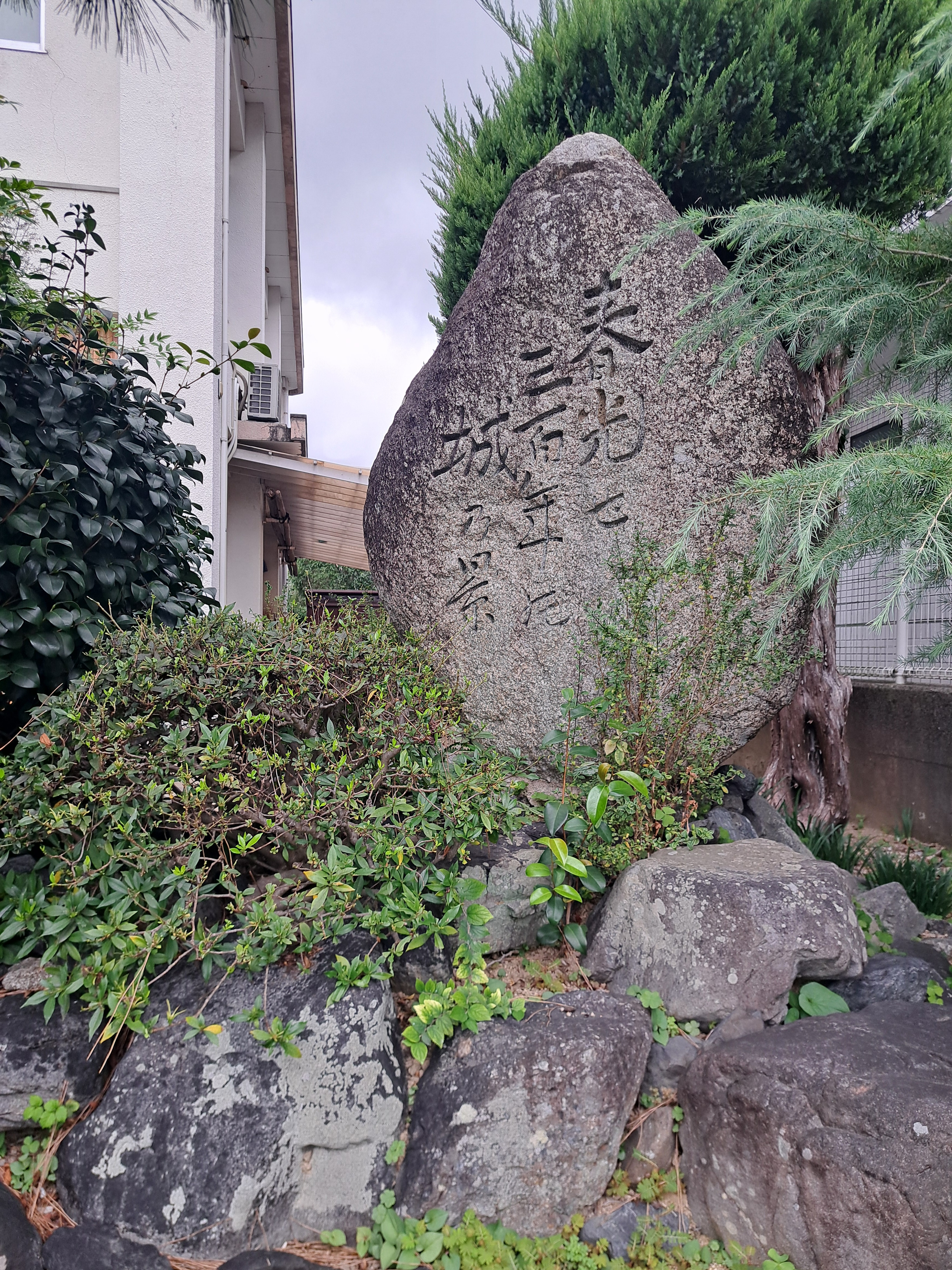
Sakai Mokuzen Haiku Monument (Iwaidani Community Center)
A haiku monument for Sakai Mokuzen at the Iwaidani branch of the Dogo Community Center in Iwaidani. It bears the verse "Shunko ya sanbyaku-nen no shiro no kei" and was unveiled in 1962 (Showa 37).
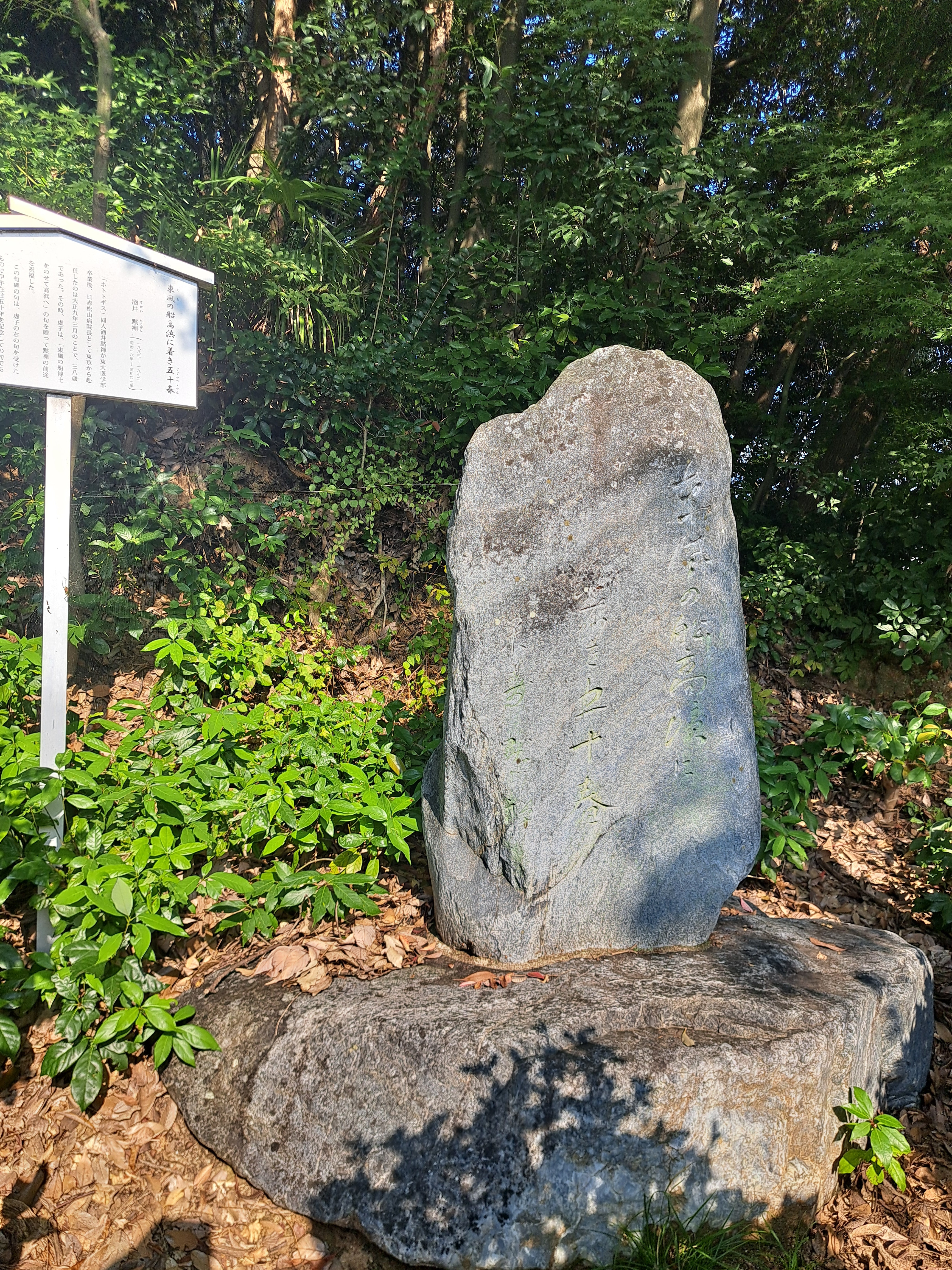
Sakai Mokuzen Haiku Monument (Matsuyama Shrine)
A haiku monument for Sakai Mokuzen on the right side of the approach to Matsuyama Shrine. It is inscribed with "Kochi no fune Takahama ni tsuki gojuharu" and was erected in 1972 (Showa 47).
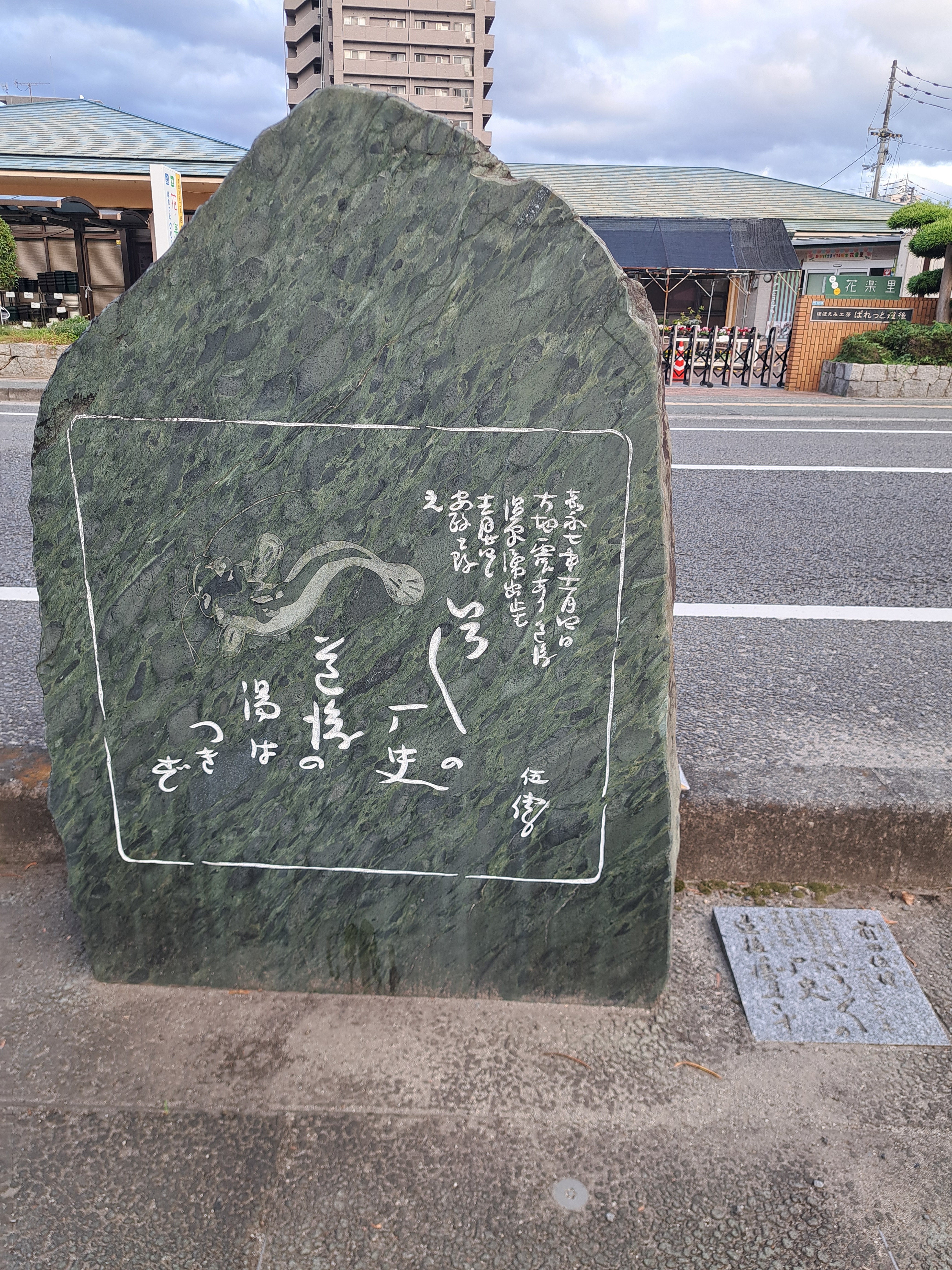
Maeda Goken Senryu Monument (Path of Haiku)
A senryu monument to Maeda Goken on the Dogo-machi 2-chome side of the "Path of Haiku" in Dogo (the street east of the Ehime Prefectural Culture Hall). It is inscribed with the senryu "いろいろの歴史道後の湯はつきず".