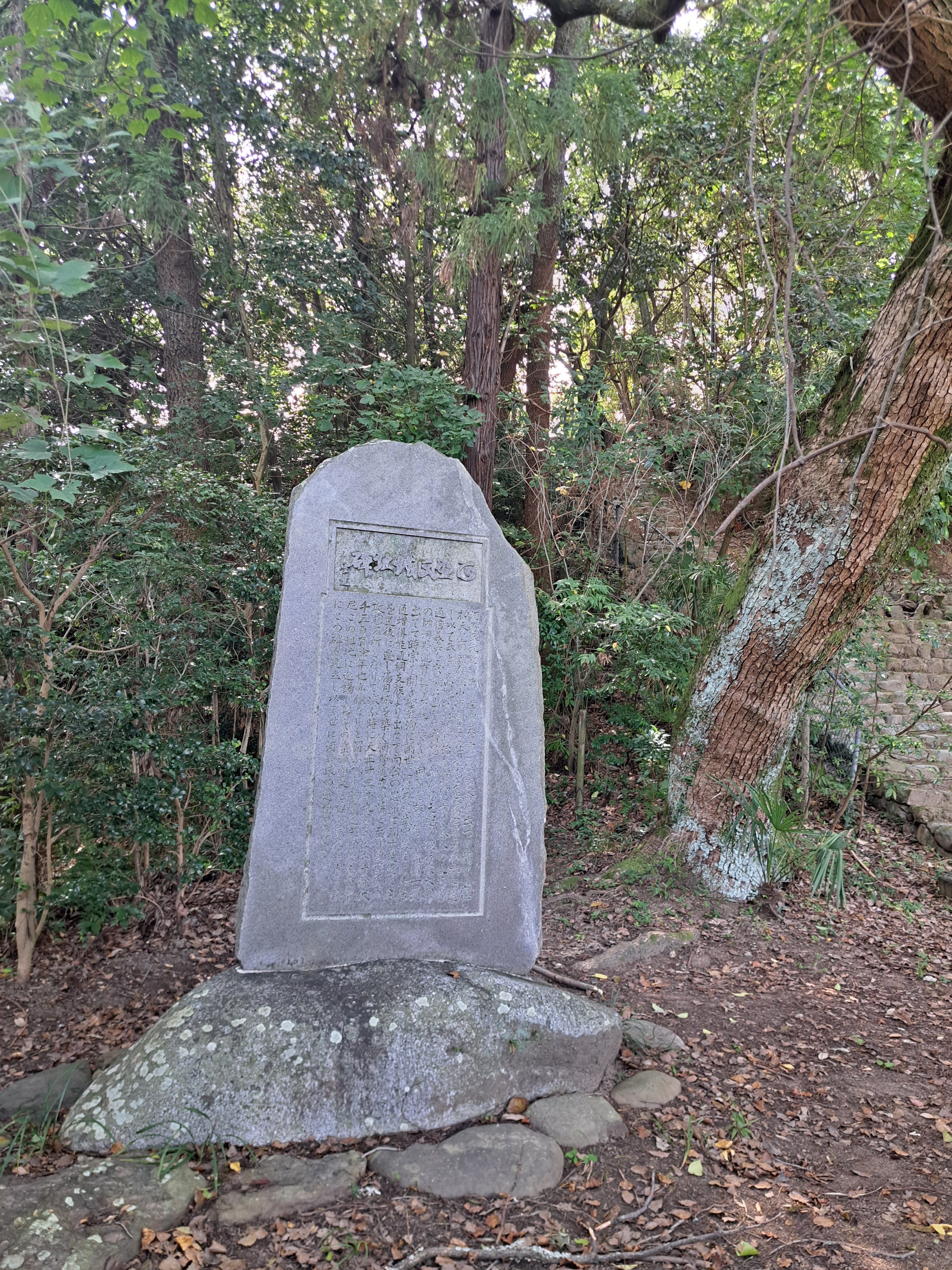
Kono Clan Castle Site Monument
The Kono clan castle site monument in Dogo Park (the site of Yuzuki Castle). It records the history of the Kono clan, who based themselves here in the medieval period, and was erected in 1941 (Showa 16). It is one of the stops on Dogo Park's haiku monument tour.
The Kono Clan Castle Site Monument (Kono-shi Joshi-hi) is a stone monument in Dogo Park. Its inscription records the history of the Kono clan, who made Yuzuki Castle here their base in the medieval period. It was erected in November 1941 (Showa 16) by Kukaku-ni. It is included in Dogo Park's "Haiku Monument Tour Course", and the park also has a separate monument recording the "Origin of the Yuzuki Castle Site".
Yuzuki Castle and the Kono clan
Yuzuki Castle was built around 1335 (Kenmu 2) by the Kono clan, who were the military governors (shugo) of Iyo Province. For about 250 years afterward it served as the Kono base. In 1585 (Tensho 13), however, it was attacked by forces under Kobayakawa Takakage and others in Toyotomi Hideyoshi's invasion of Shikoku, and after about a month under siege the Kono clan surrendered. The castle was abandoned around 1587 (Tensho 15).
The castle site was developed as the prefectural Dogo Park in 1888 (Meiji 21), and after archaeological excavation, samurai residences, earthen walls and other structures were reconstructed. It was designated a National Historic Site in 2002 (Heisei 14) and was also selected as one of Japan's 100 Famous Castles.
Source: Dogo Park official website, "Haiku Monument Tour Course" https://dogokouen.jp/dogokouen/ / "Yuzuki Castle" Wikipedia (CC BY-SA) Last confirmed: October 5, 2026
Articles that mention this place
More spots in Dogo Park & Isaniwa Shrine Area
See all in this area →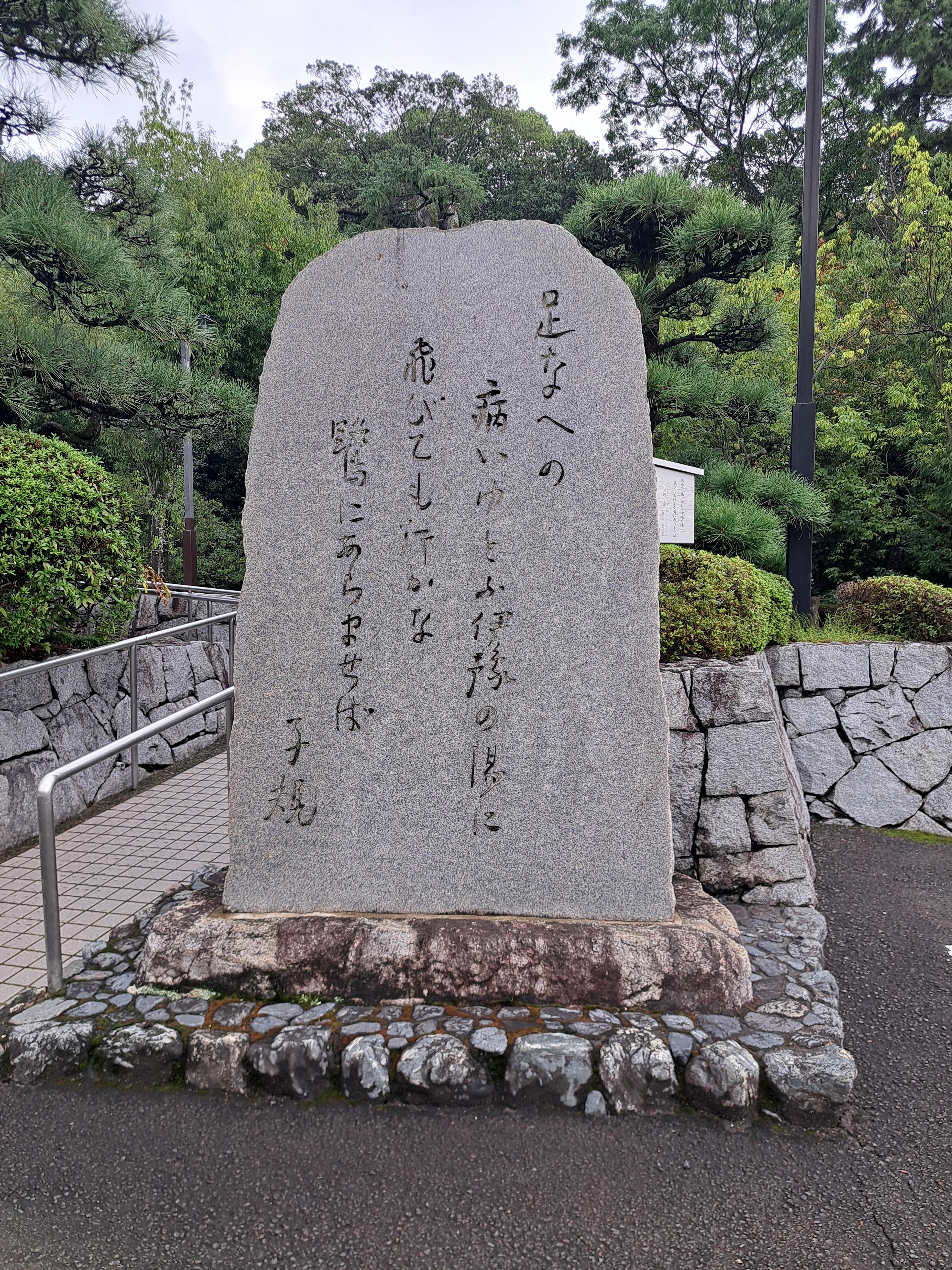
Masaoka Shiki Haiku Monument
A monument for Masaoka Shiki in Dogo Park, in front of the Shiki Memorial Museum. It is inscribed with the tanka "Ashinae no yamai iyu to fu Iyo no yu ni" and was erected for the 50th anniversary of Shiki's death in 1951 (Showa 26).
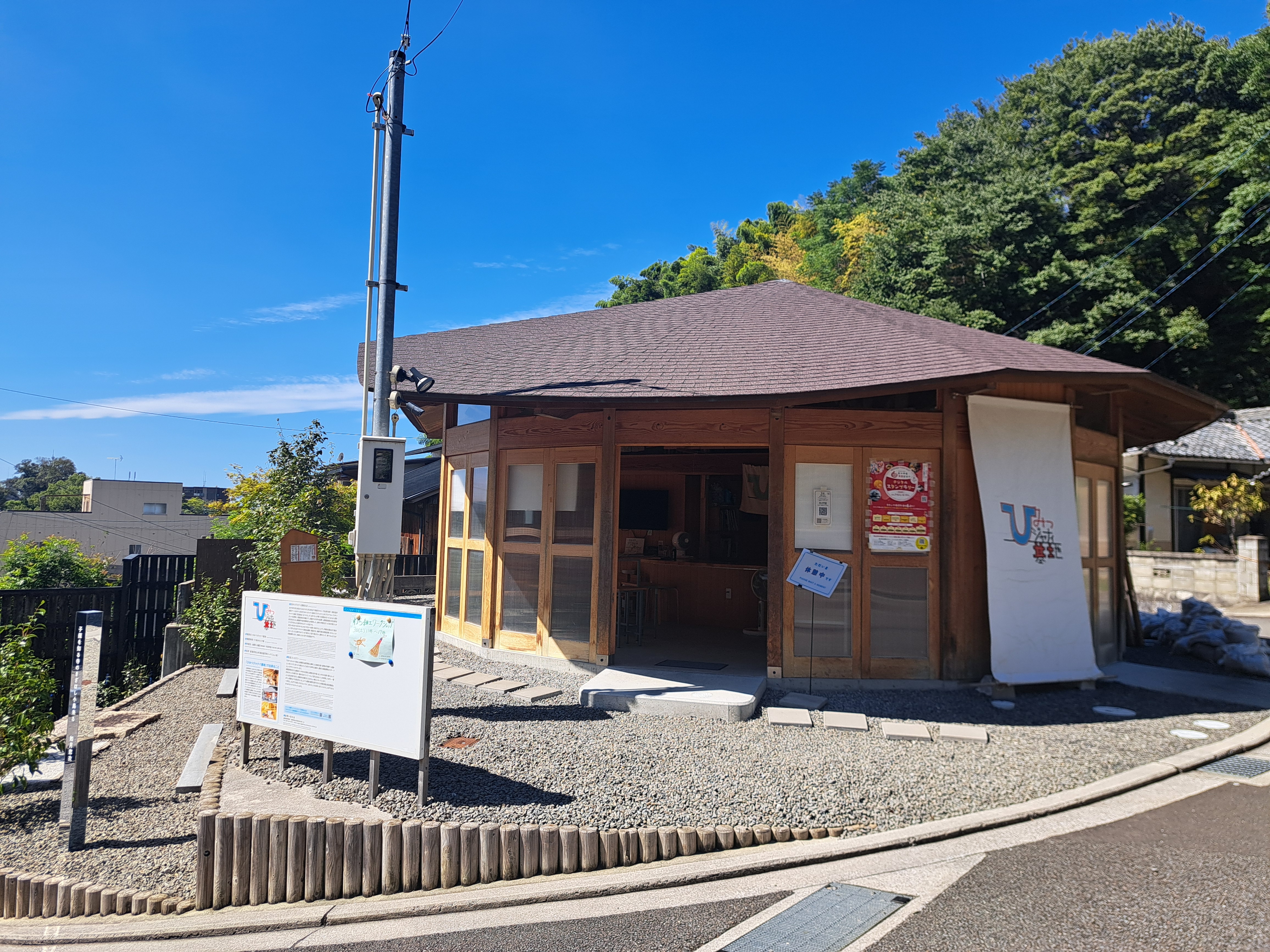
Himitsu Janai Kichi
An art spot was established in Dogo Yumotomachi as part of Dogo Onsen Art. It is open mainly on weekends and holidays.
CHAHARU Hanare, Dogo Yumekura
A seven-room ryokan standing immediately east of Dogo Onsen Honkan. Each room has an indoor bath fed by piped hot spring water, and Ehime crafts such as Tobe ware and Imabari towels are used throughout.
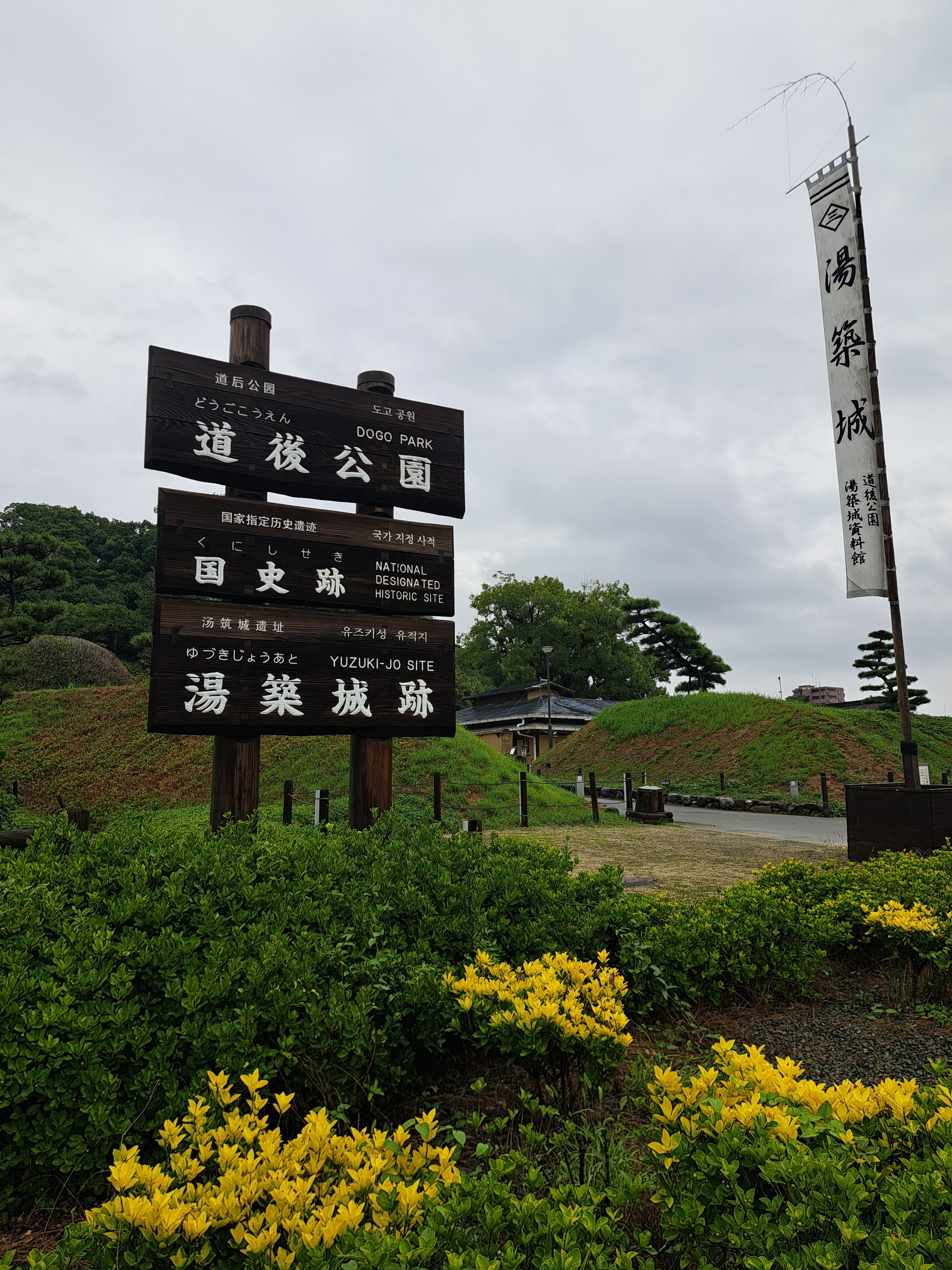
Dogo Park (Yuzuki Castle Ruins)
A park developed on the ruins of medieval Yuzuki Castle. It was the seat of the Kono clan, military governors of Iyo Province, and is designated a National Historic Site. It features reconstructed samurai residences and earthworks, a museum, and an observation deck.
440 Kumo / 197 Oto
An antenna shop for Yusuhara in Kochi Prefecture and Ikata in Ehime Prefecture, on Shoninzaka in Dogo. It opened in 2024 and carries specialities and information from both towns.
Dogo Onsen Hospital
A regional core hospital specializing in rheumatology and rehabilitation.
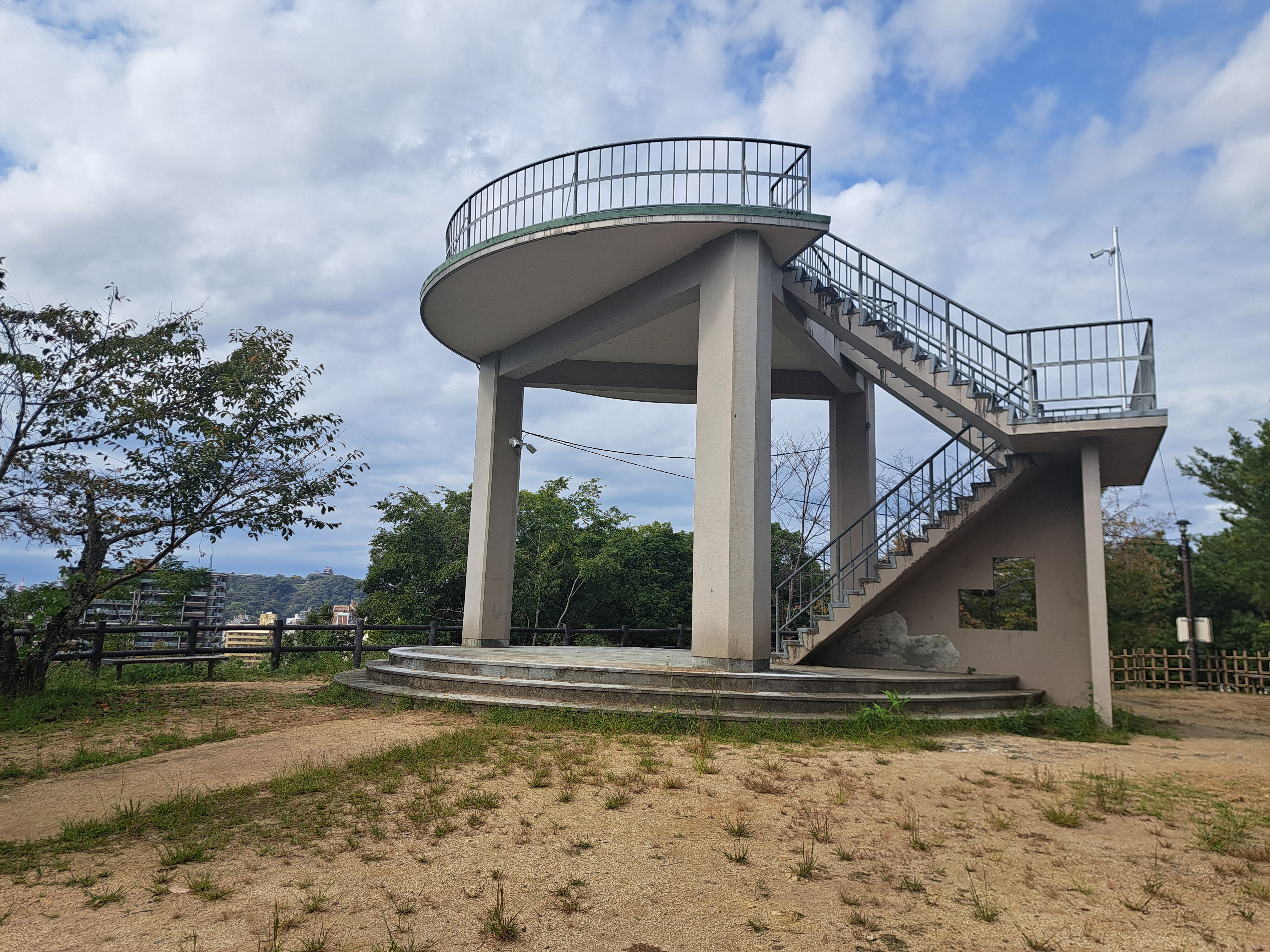
Dogo Park Observatory
An observation deck located at the top of the central elevated hill in Dogo Park, the site of Yuzuki Castle ruins. It offers views of Matsuyama Castle, the sea of Hojo, the Kutsuna Islands, and the Kururin Ferris wheel at Iyotetsu Takashimaya.
Dogo Onsen Honkan East Side Public Toilet
A public toilet located on the east side of Dogo Onsen Honkan. It can be used during walks around the Honkan.
More "Stone Monuments & Poem Steles" spots
See all in this category →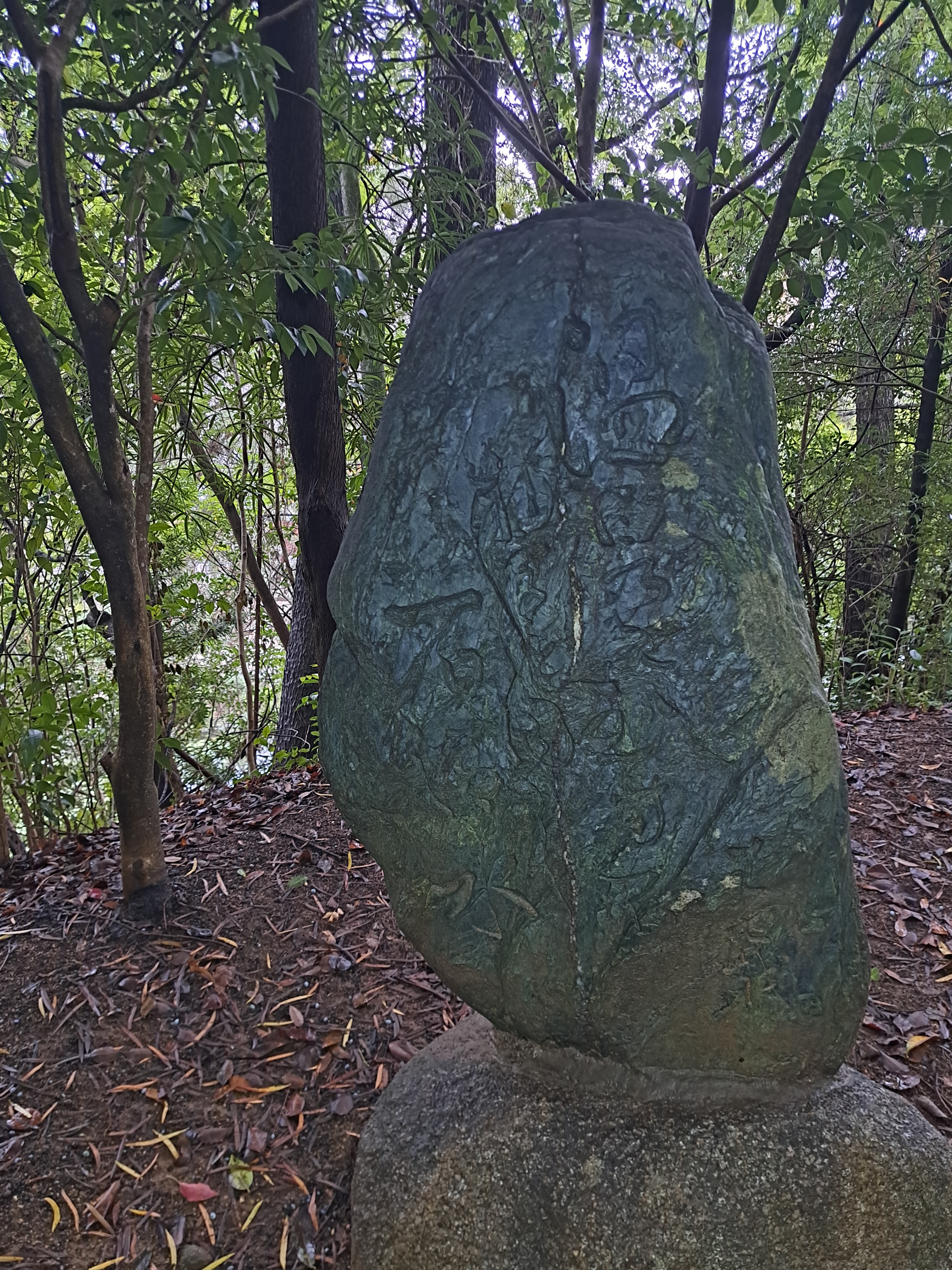
Matsuo Basho Haiku Monument
This is a haiku monument of Matsuo Basho in Dogo Park. It transmits a haiku of Matsuo Basho, a poet of the early Edo period known as the Sage of Haiku.
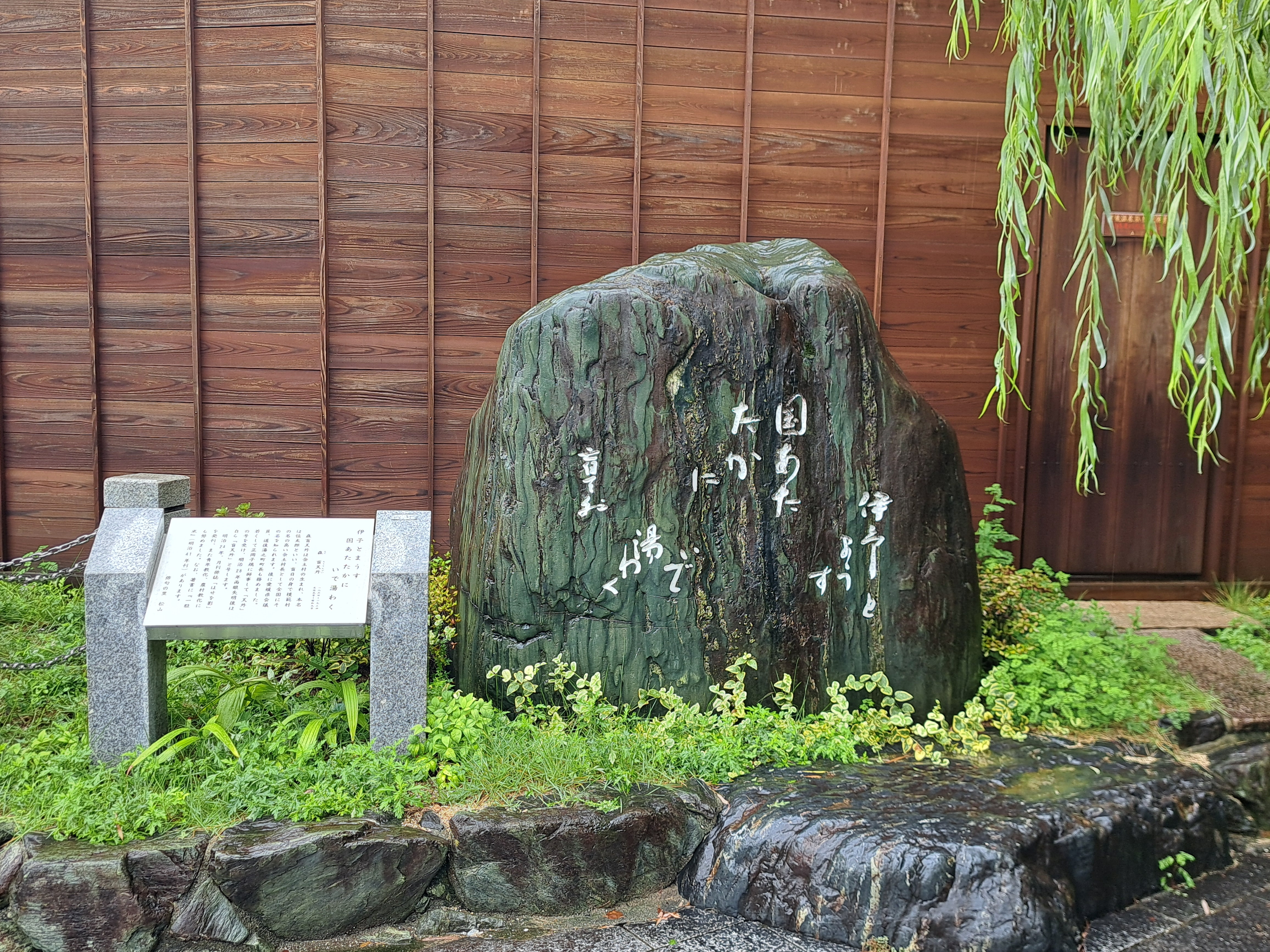
Mori Motengai Haiku Monument
A haiku monument is located in Hojoen, in front of Dogo Onsen Honkan. It commemorates Mori Motengai (1864–1934), a politician and poet who served as the head of Dogo Yunomachi. He studied under Shiki and received the haiku name “Ten-gai.”
Masaoka Shiki Haiku Monument
A monument for Masaoka Shiki in Dogo Park, in front of the Shiki Memorial Museum. It is inscribed with the tanka "Ashinae no yamai iyu to fu Iyo no yu ni" and was erected for the 50th anniversary of Shiki's death in 1951 (Showa 26).
Taneda Santoka Haiku Monument (Choken-ji Temple)
A haiku monument at Choken-ji Temple in Miyuki, Matsuyama. It commemorates Taneda Santoka (1882–1940), a poet of free-form haiku. Santoka spent his final years at the hermitage Isso-an in Matsuyama, where he died.
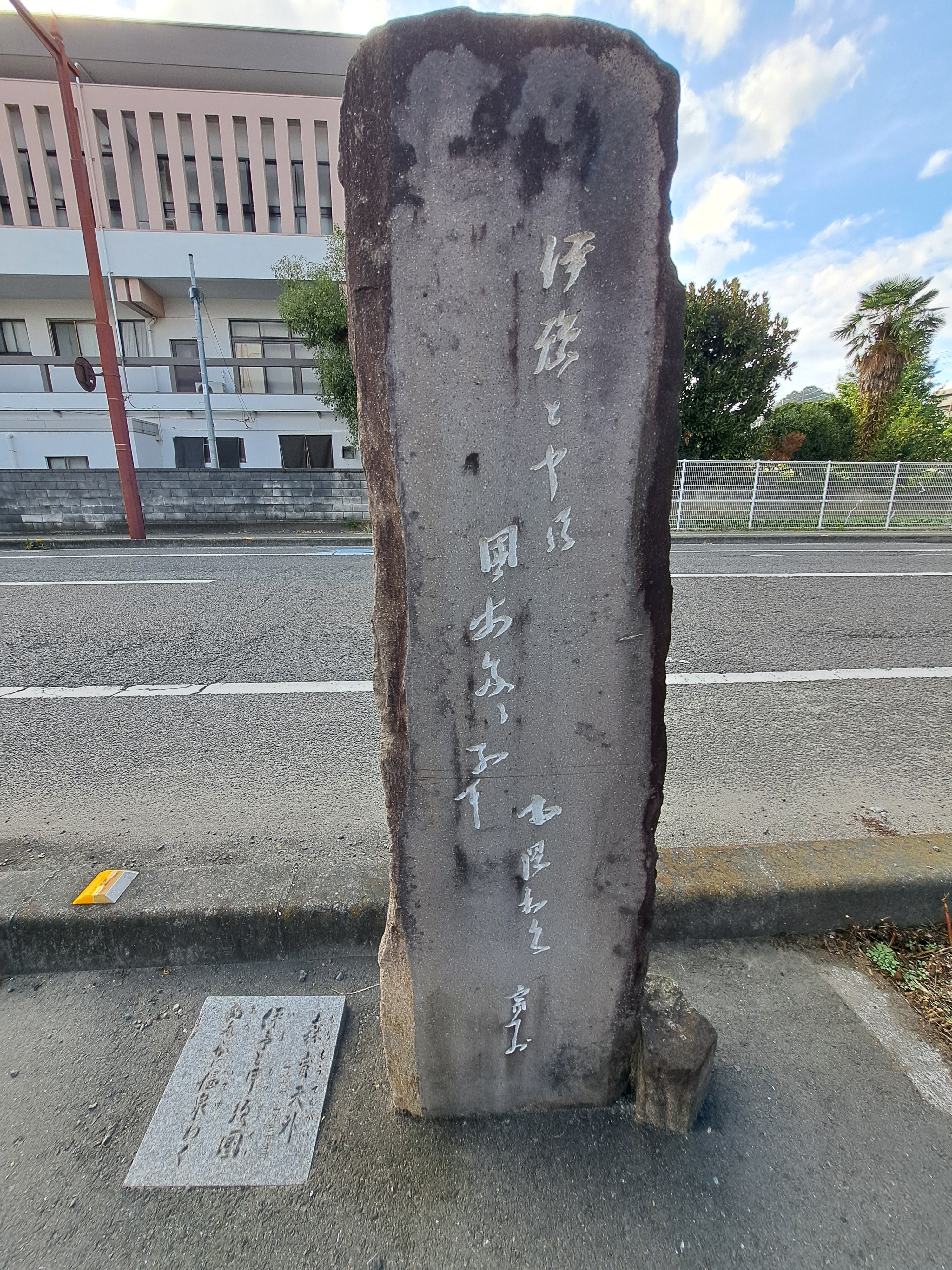
Mori Motengai Haiku Monument (Path of Haiku)
A haiku monument to Mori Motengai on the Dogo-Kitamachi side of the "Path of Haiku" in Dogo (the street east of the Ehime Prefectural Culture Hall). It is inscribed with the haiku "伊予と申す国あたゝかに温泉わく".
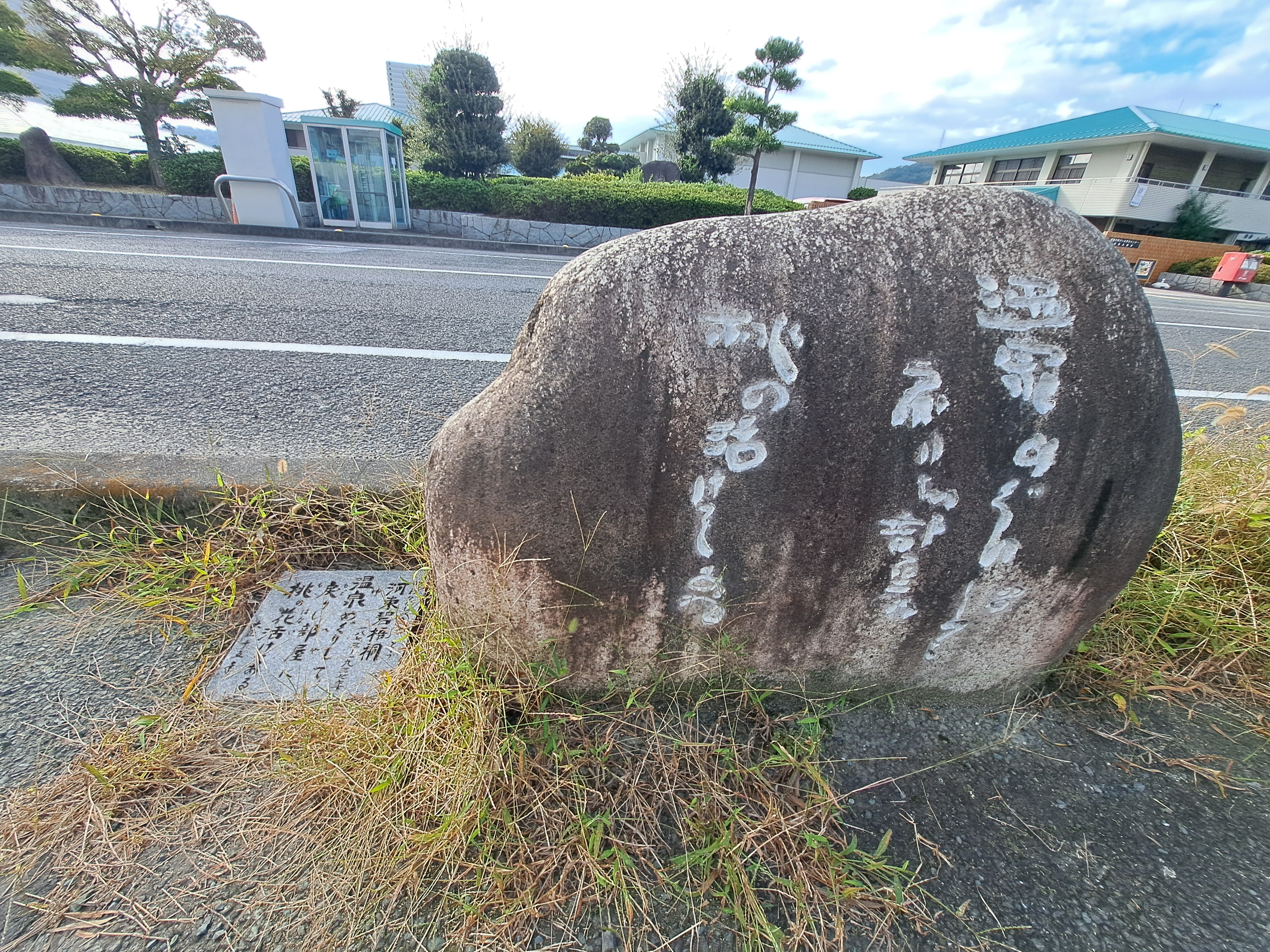
Kawahigashi Hekigoto Haiku Monument (Path of Haiku)
A haiku monument for Kawahigashi Hekigoto on the Dogo 2-chome side of Dogo's "Path of Haiku". It is inscribed with "Onsen meguri shite modorishi heya ni momo no ikete aru".
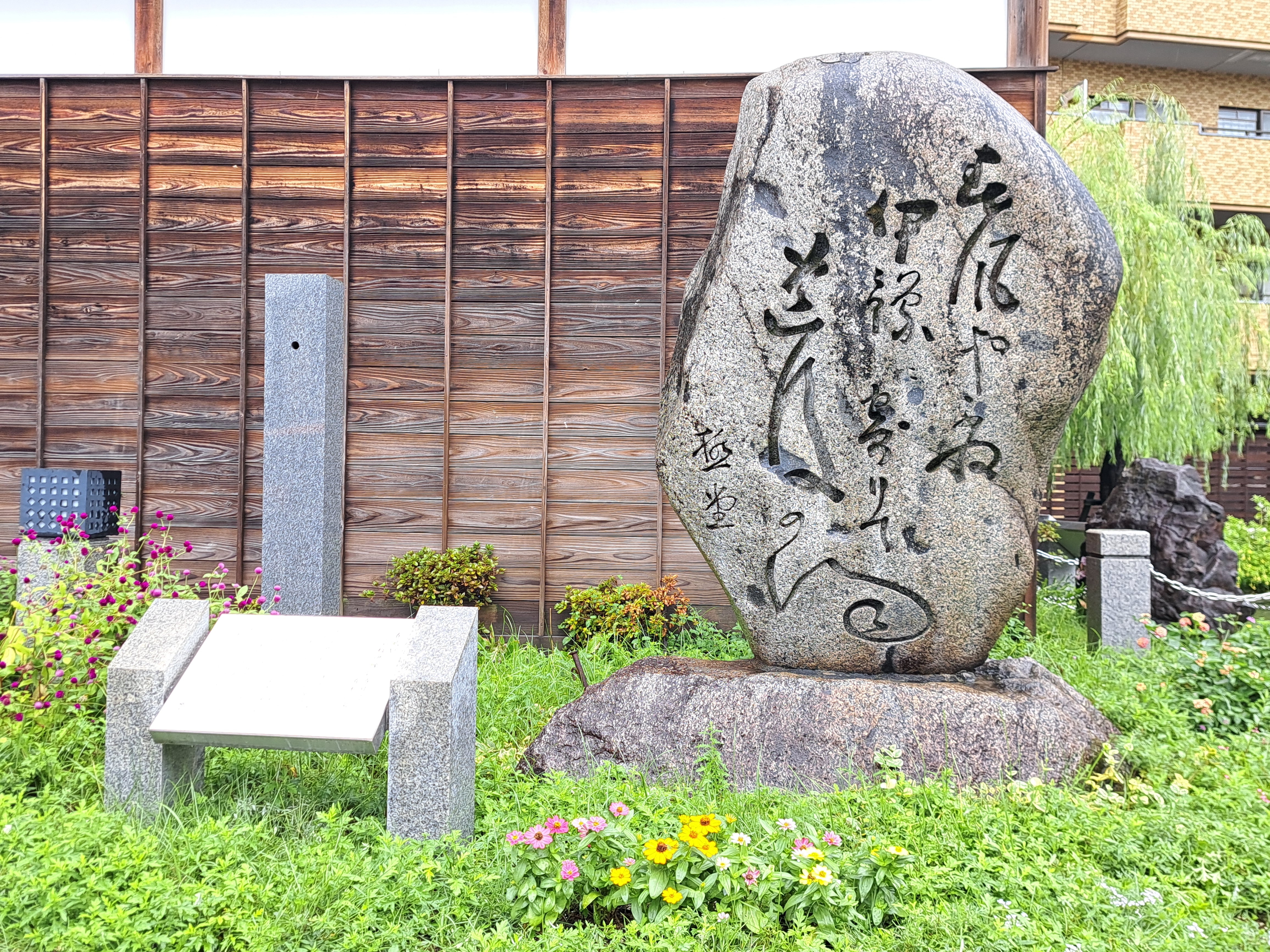
Yanagihara Kyokudo Haiku Monument
A haiku monument is located in Hojoen, in front of Dogo Onsen Honkan. It commemorates Ryu Hiroshi (1867–1957), a poet from Matsuyama. Ryu Hiroshi founded the literary magazine 'Hototogisu' in Matsuyama in 1897, and became the first honorary citizen of Matsuyama City.
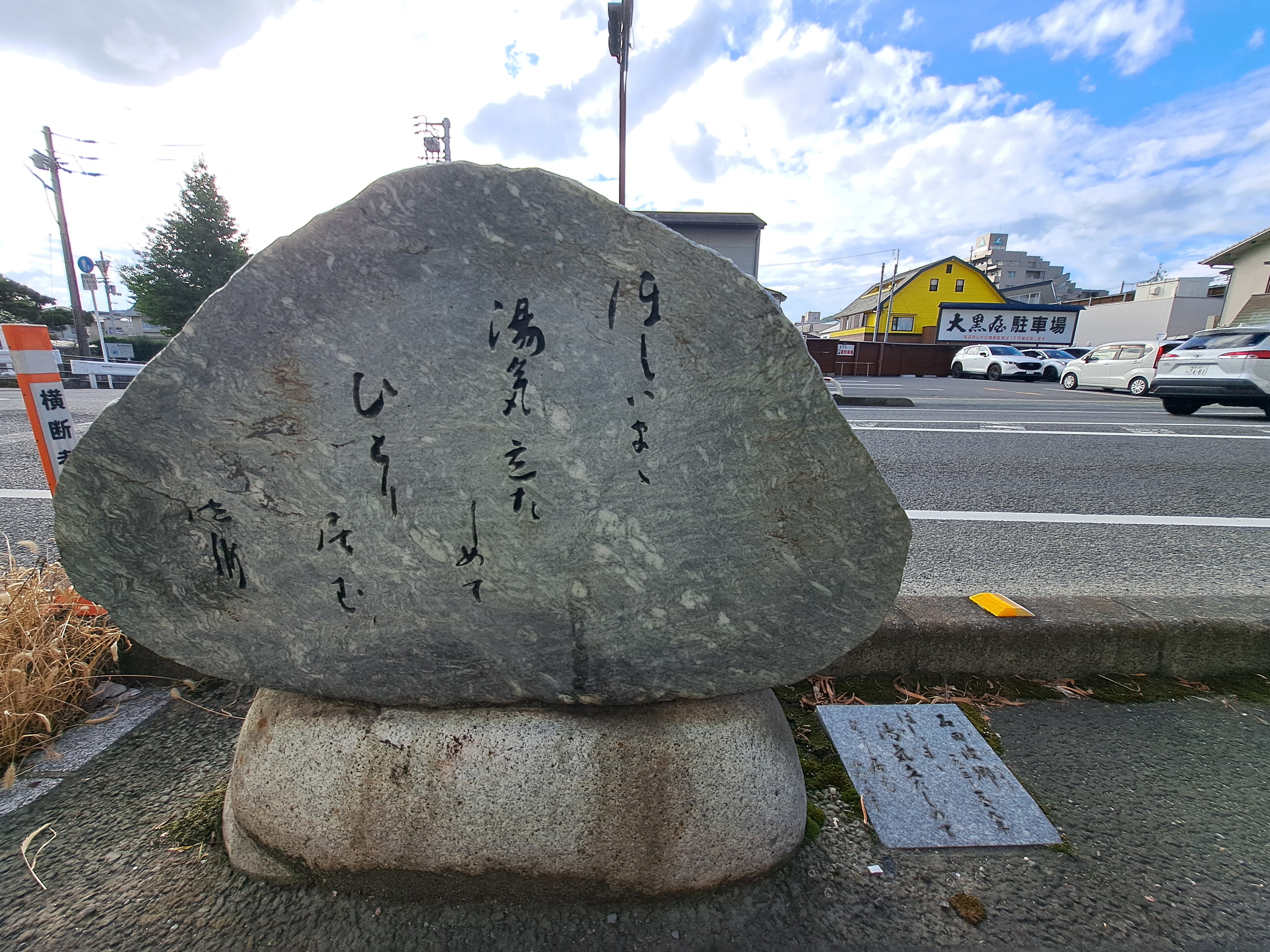
Ishida Hakyo Haiku Monument (Path of Haiku)
A haiku monument to Ishida Hakyo on the Dogo-Kitamachi side of the "Path of Haiku" in Dogo (the street east of the Ehime Prefectural Culture Hall). It is inscribed with the haiku "ほしいまゝ湯気立たしめてひとり居む".