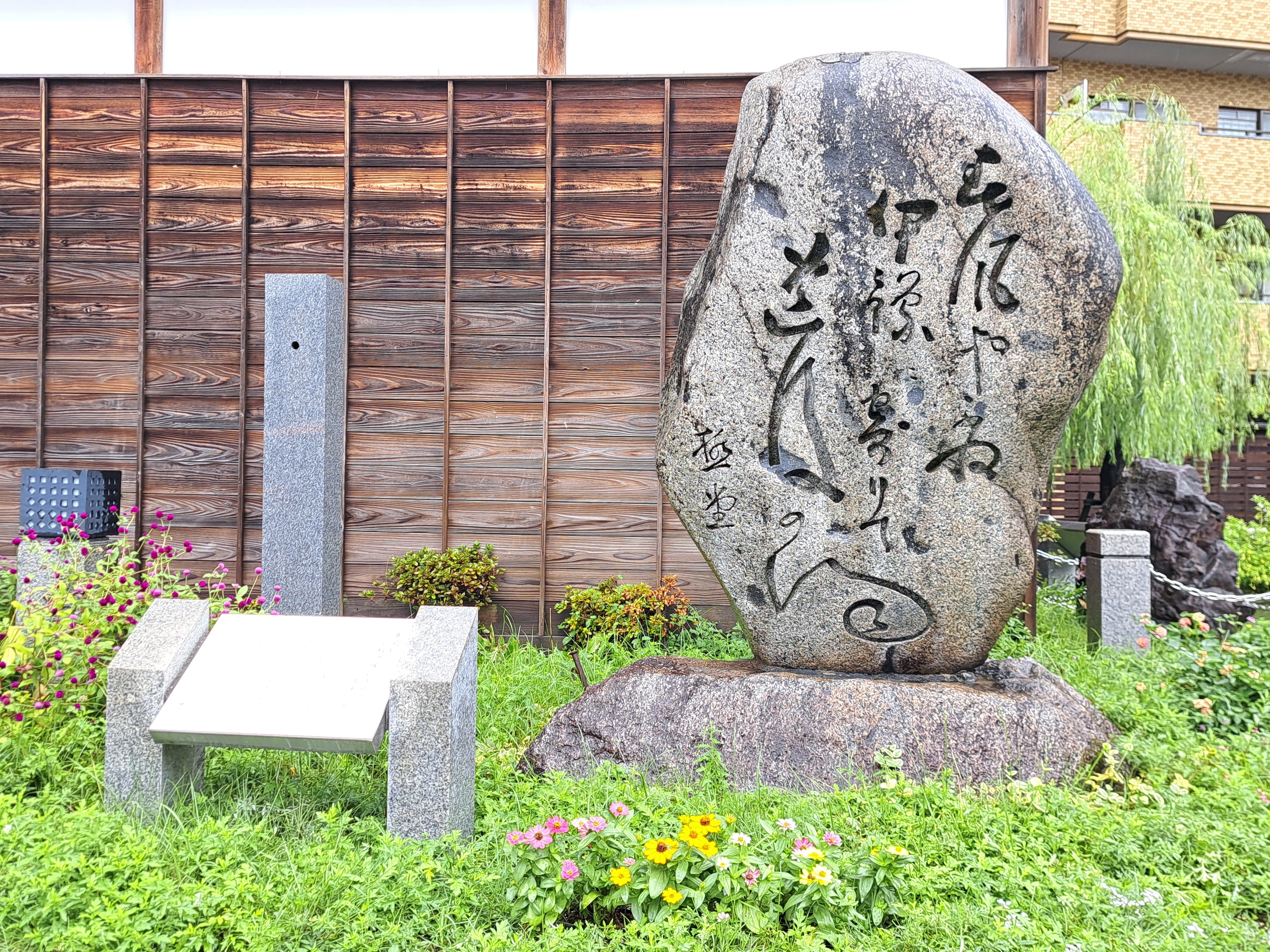
Yanagihara Kyokudo Haiku Monument
A haiku monument is located in Hojoen, in front of Dogo Onsen Honkan. It commemorates Ryu Hiroshi (1867–1957), a poet from Matsuyama. Ryu Hiroshi founded the literary magazine 'Hototogisu' in Matsuyama in 1897, and became the first honorary citizen of Matsuyama City.
The Yanagihara Kyokudo Haiku Monument is a monument located in Hojoen in front of Dogo Onsen Honkan. It commemorates Yanagihara Kyokudo, a haiku poet associated with Matsuyama.
Yanagihara Kyokudo
Yanagihara Kyokudo (1867-1957) was a haiku poet and journalist from Matsuyama. He deepened his friendship with Shiki Masaoka, who was the same age, at Matsuyama Middle School, and later changed his haiku pen name to "Kyokudo" at Shiki's suggestion. In 1897, he launched the monthly haiku magazine "Hototogisu" in Matsuyama (from the 21st issue onward, it was handed over to Kyoshi Takahama and continued as "Hototogisu" in Tokyo).
He also worked as a newspaper reporter and a Matsuyama City Council member, and in his later years, he devoted his efforts to the research and honoring of Shiki. In 1957, he was selected as the first honorary citizen of Matsuyama City, and passed away in the same year at the age of 90.
Hojoen, where the haiku monument is located, is right in front of Dogo Onsen Honkan, and you can stop by along with the footbath and the Botchan Karakuri Clock.
Source: "Yanagihara Kyokudo" Wikipedia (CC BY-SA) Last confirmed date: July 2026
More spots in Central Dogo Onsen Area
See all in this area →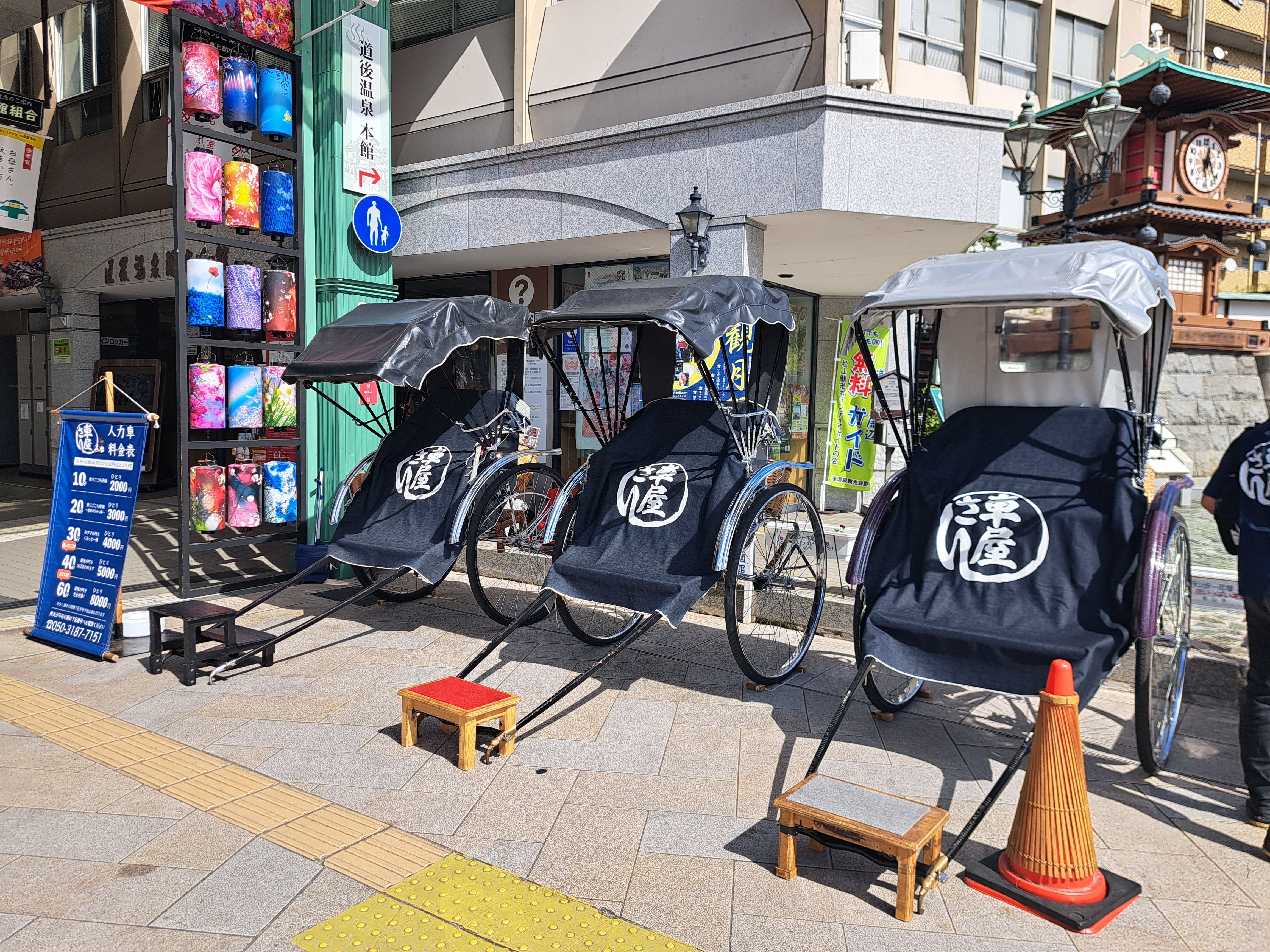
Dogo Jinrikisha Ganso Kurumayasan
A sightseeing rickshaw departing from and arriving in front of Dogo Onsen Station. The oldest sightseeing rickshaw that first began operating in Shikoku in 1982.
Bettei Oborozukiyo
A secluded inn in Dogo Sagidanicho. Every guest room has an open-air bath, and meals draw on the seasons of the Seto Inland Sea.
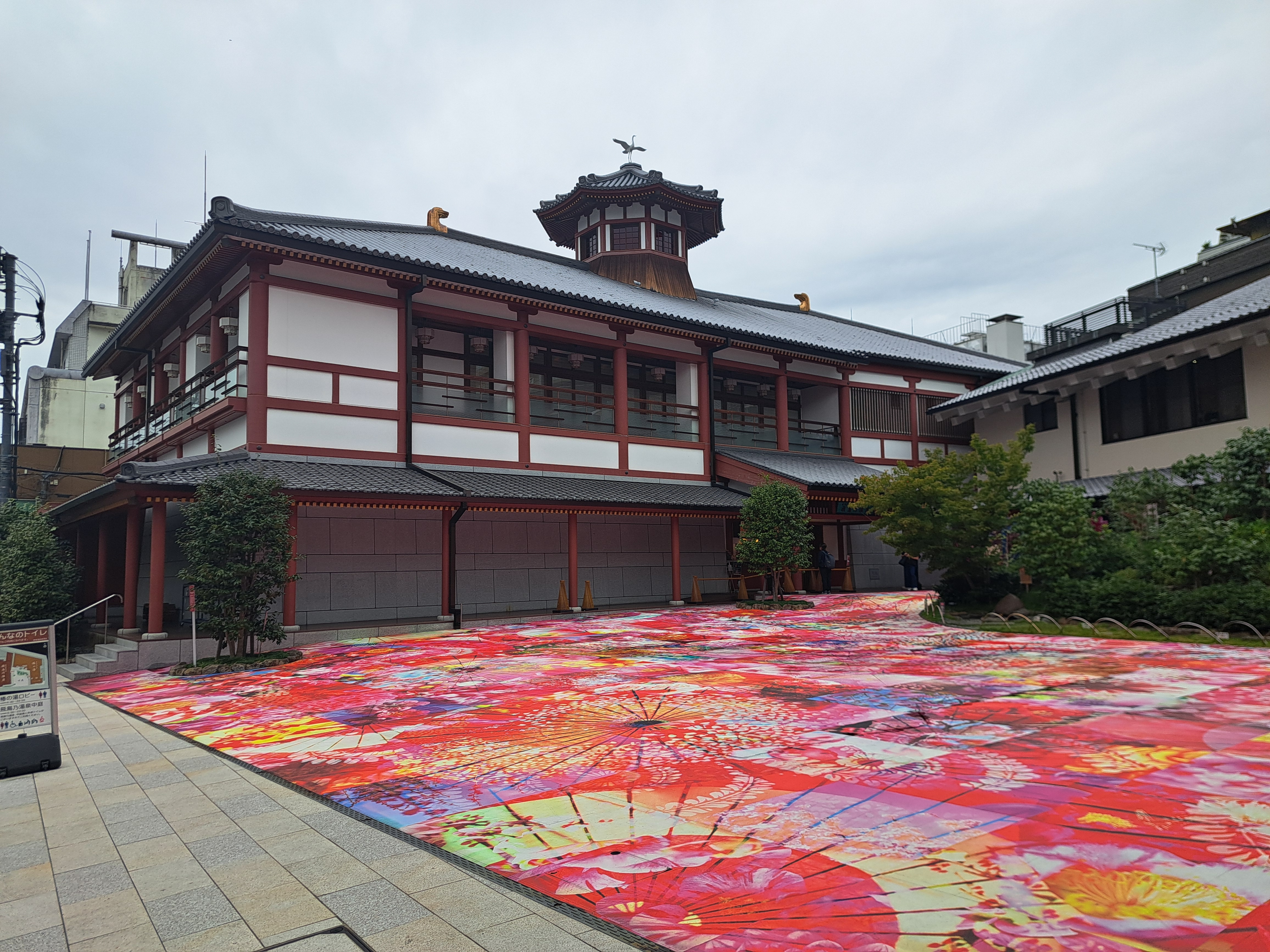
Dogo Onsen Annex Asuka-no-Yu
An annex of Dogo Onsen opened in 2017. A bathhouse incorporating the architectural style of the Asuka period, it features an open-air bath, a grand hall, and special bathrooms that recreate the Yushinden imperial bath chamber.
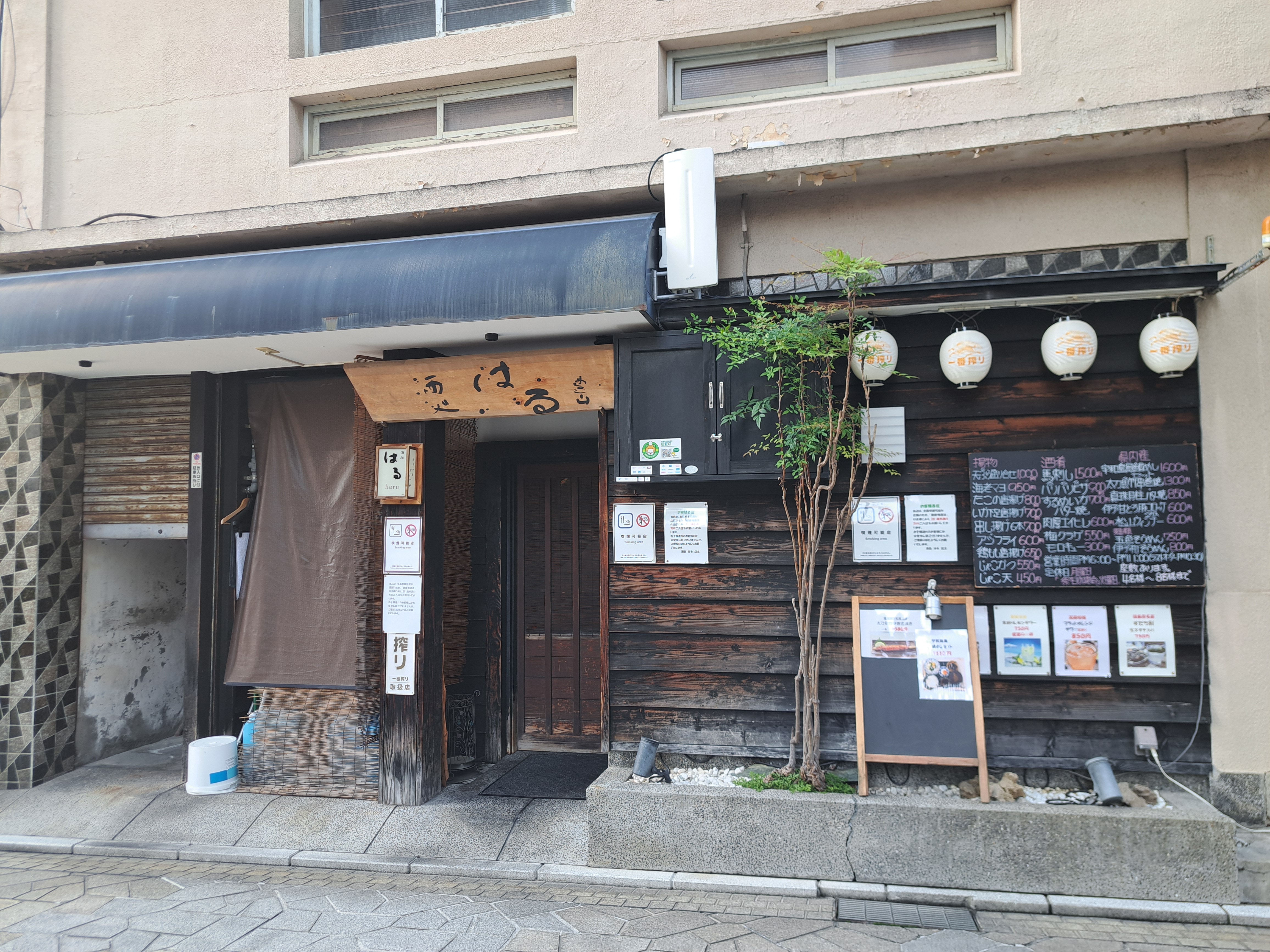
Haru Dogo Yunomachi
An izakaya in Dogo Yunomachi serving dishes such as suppon (soft-shelled turtle). Open in the evening, 18:00–23:00, closed on Mondays (notice board at the shop, 20 October 2026).

Ichiroku Honpo Dogo Honkan-mae
Ichiroku Honpo in front of Dogo Onsen Honkan. The ground floor sells souvenir sweets such as the Ichiroku tart, and the first floor is the cafe Ichiroku Saryo.

Auberge Dogo
A stay-and-dine inn in Dogo Yunomachi. It houses the Italian restaurant IL POSITANO, where guests can relax over a meal.
Dogo Yamanote Hotel
A British-style resort hotel in Dogo Sagidanicho. Featuring a total of 70 guest rooms, King's Wine Cellar, and large hot spring baths supplied from the hot spring source, it is about a 5-minute walk from Dogo Onsen Station.
Dogo Tsubaki Club
A Japanese restaurant that reopened after refurbishment in November 2025. The general goods shop Ayane was brought into the ground floor of the same building.
More "Stone Monuments & Poem Steles" spots
See all in this category →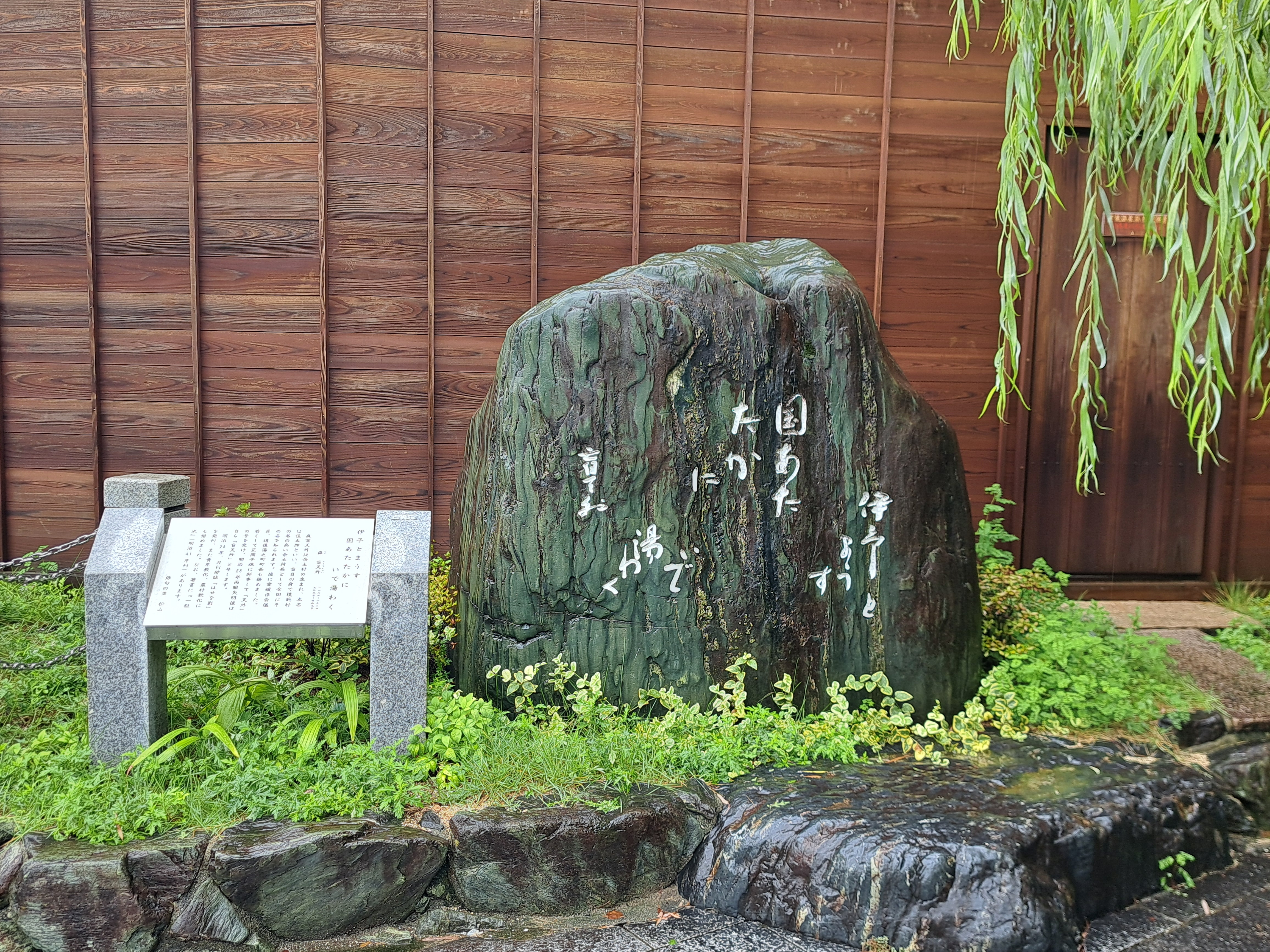
Mori Motengai Haiku Monument
A haiku monument is located in Hojoen, in front of Dogo Onsen Honkan. It commemorates Mori Motengai (1864–1934), a politician and poet who served as the head of Dogo Yunomachi. He studied under Shiki and received the haiku name “Ten-gai.”
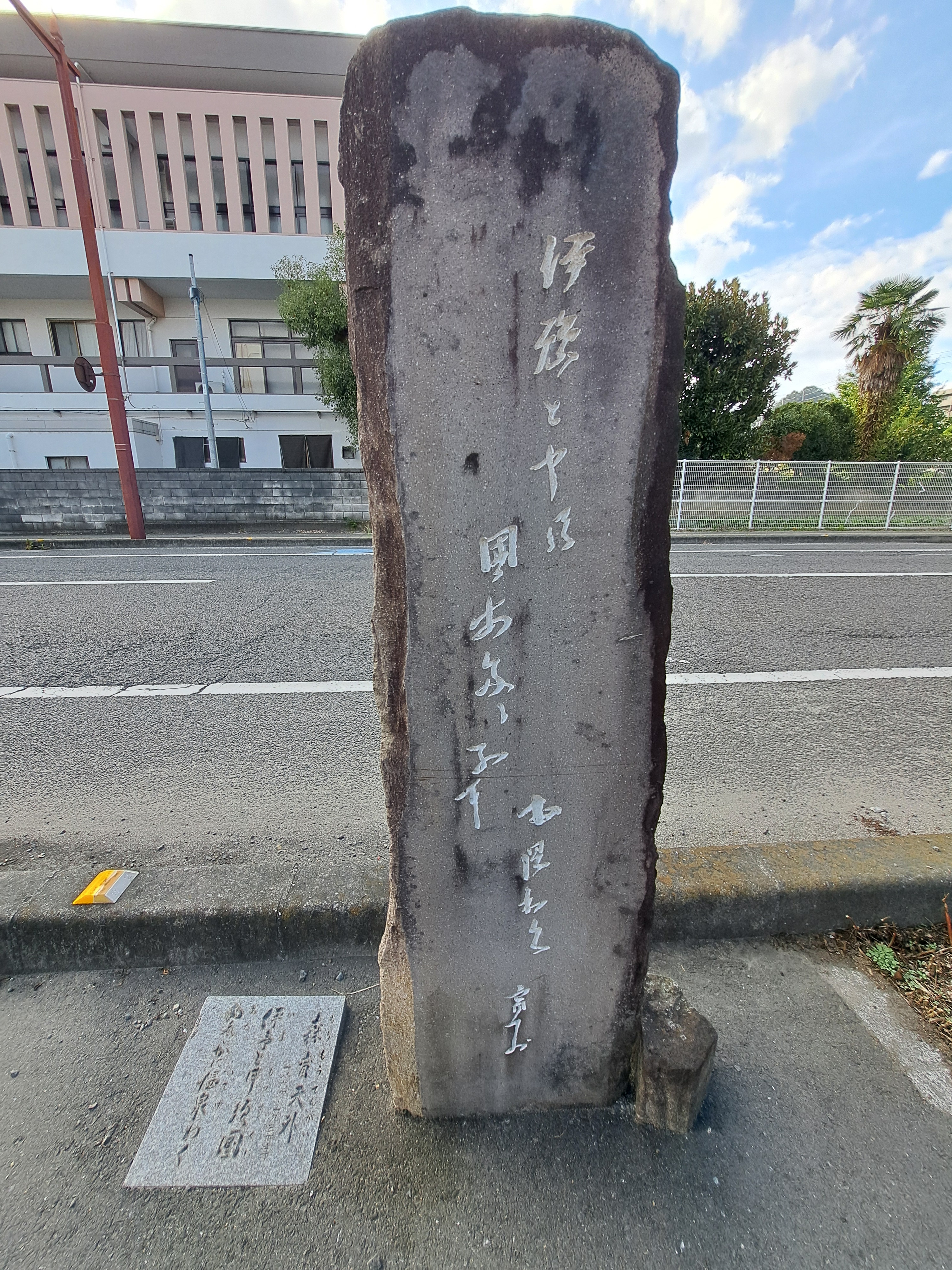
Mori Motengai Haiku Monument (Path of Haiku)
A haiku monument to Mori Motengai on the Dogo-Kitamachi side of the "Path of Haiku" in Dogo (the street east of the Ehime Prefectural Culture Hall). It is inscribed with the haiku "伊予と申す国あたゝかに温泉わく".
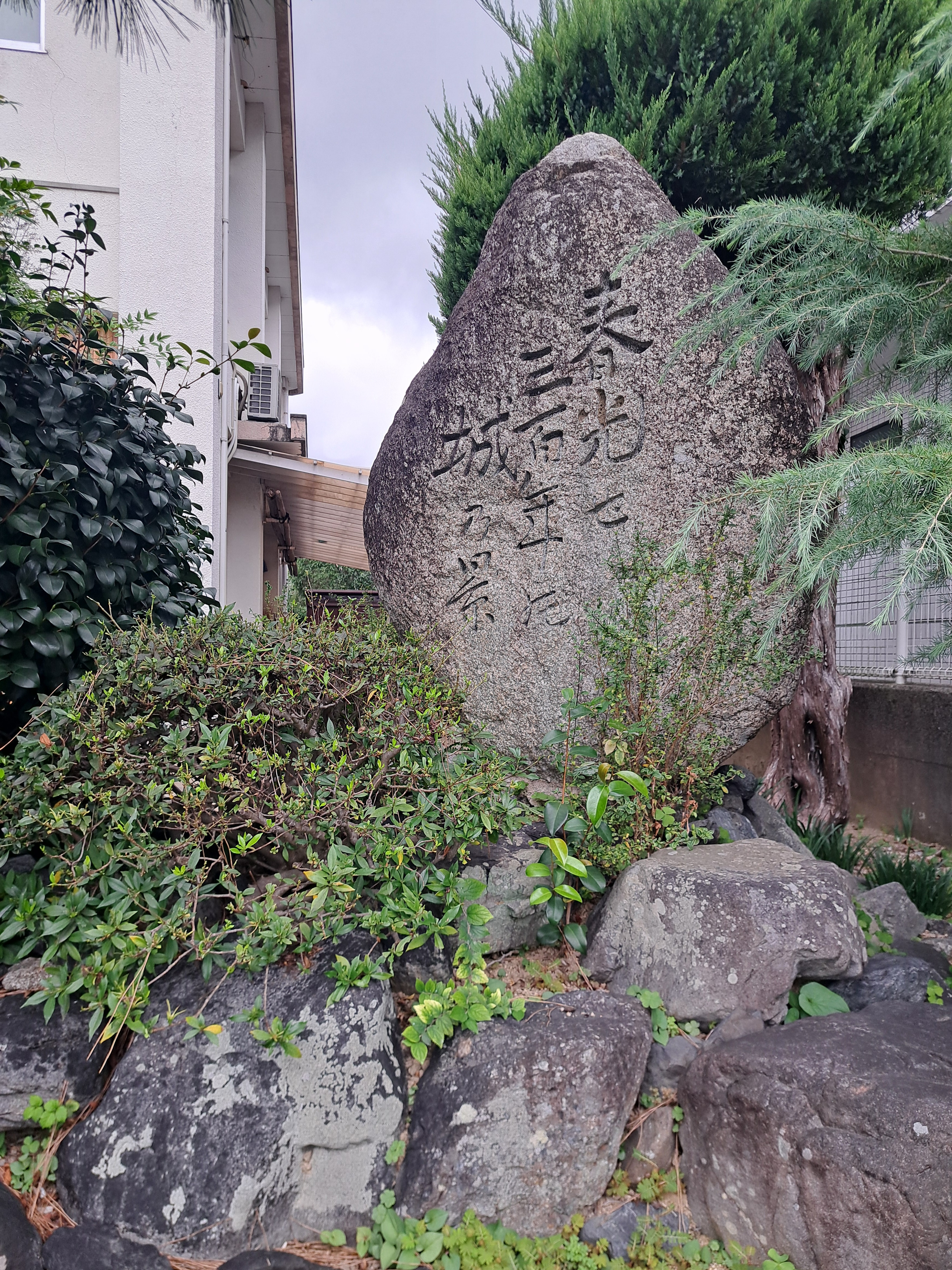
Sakai Mokuzen Haiku Monument (Iwaidani Community Center)
A haiku monument for Sakai Mokuzen at the Iwaidani branch of the Dogo Community Center in Iwaidani. It bears the verse "Shunko ya sanbyaku-nen no shiro no kei" and was unveiled in 1962 (Showa 37).
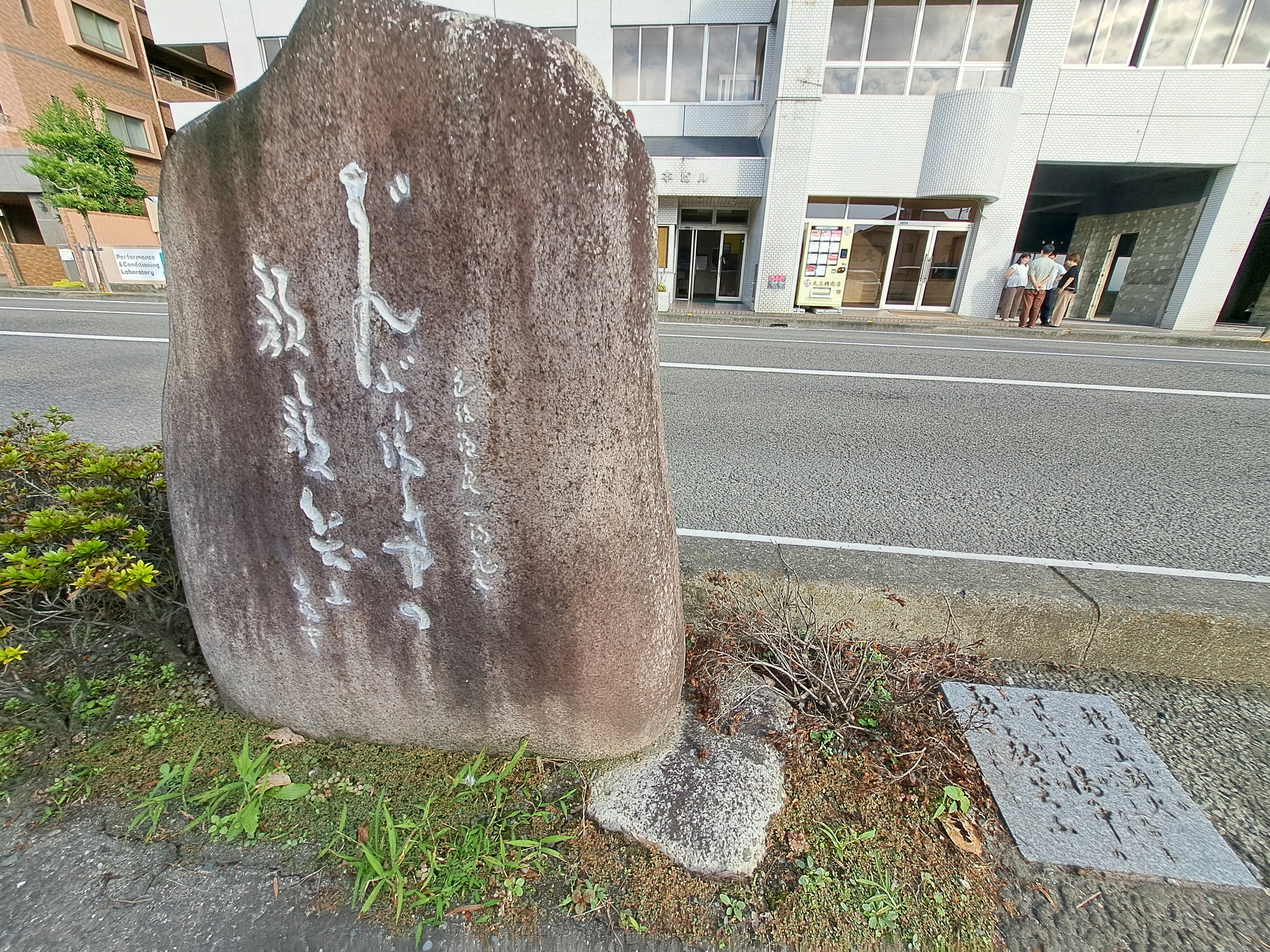
Taneda Santoka Haiku Monument (Path of Haiku)
A haiku monument to Taneda Santoka on the Dogo-Kitamachi side of the "Path of Haiku" in Dogo (the street east of the Ehime Prefectural Culture Hall). It is inscribed with the haiku "ずんぶり湯の中の顔と顔笑ふ".
Taneda Santoka Haiku Monument (Choken-ji Temple)
A haiku monument at Choken-ji Temple in Miyuki, Matsuyama. It commemorates Taneda Santoka (1882–1940), a poet of free-form haiku. Santoka spent his final years at the hermitage Isso-an in Matsuyama, where he died.
Sakai Mokuzen Haiku Monument (Iwazeki Amusement Park)
A haiku monument inscribed with a poem by Sakai Mokuzen, standing in the amusement park at Iwazeki in Ishite, Matsuyama. It can be seen while walking the area.
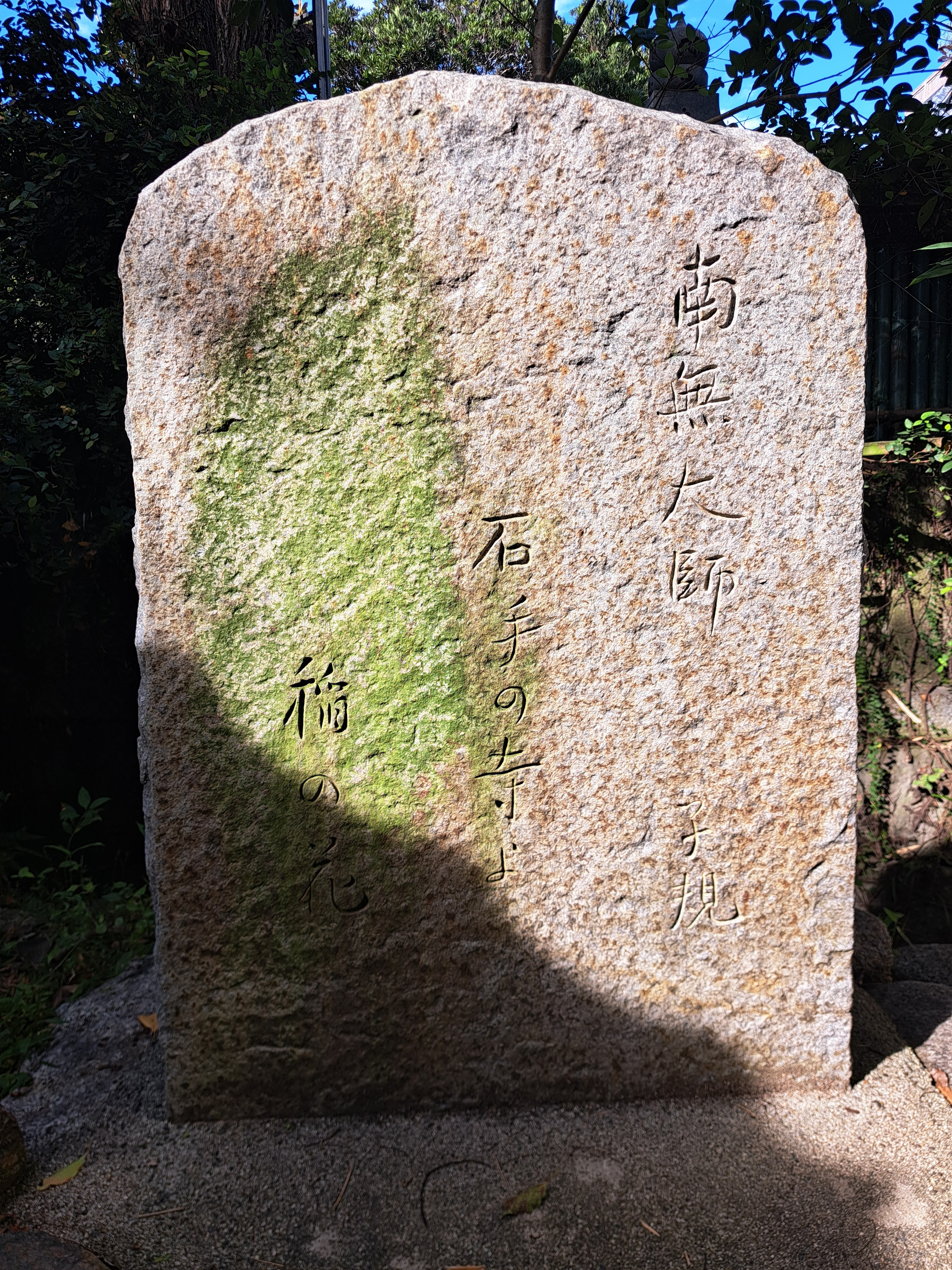
Masaoka Shiki Haiku Monument (Ishite-ji Temple Approach)
A haiku monument of Masaoka Shiki is located on the approach to Ishite-ji Temple, the 51st pilgrimage temple in Shikoku. It can be visited along with a visit to Ishite-ji Temple, known for its National Treasure, Nio-mon.
Path of Haiku (the street of haiku monuments east of the Ehime Prefectural Culture Hall)
The "Path of Haiku" is a street east of the Ehime Prefectural Culture Hall lined with 10 haiku and senryu monuments (11 verses) connected with Dogo Onsen. This page lists the verses by Soseki, Shiki, Santoka and others.