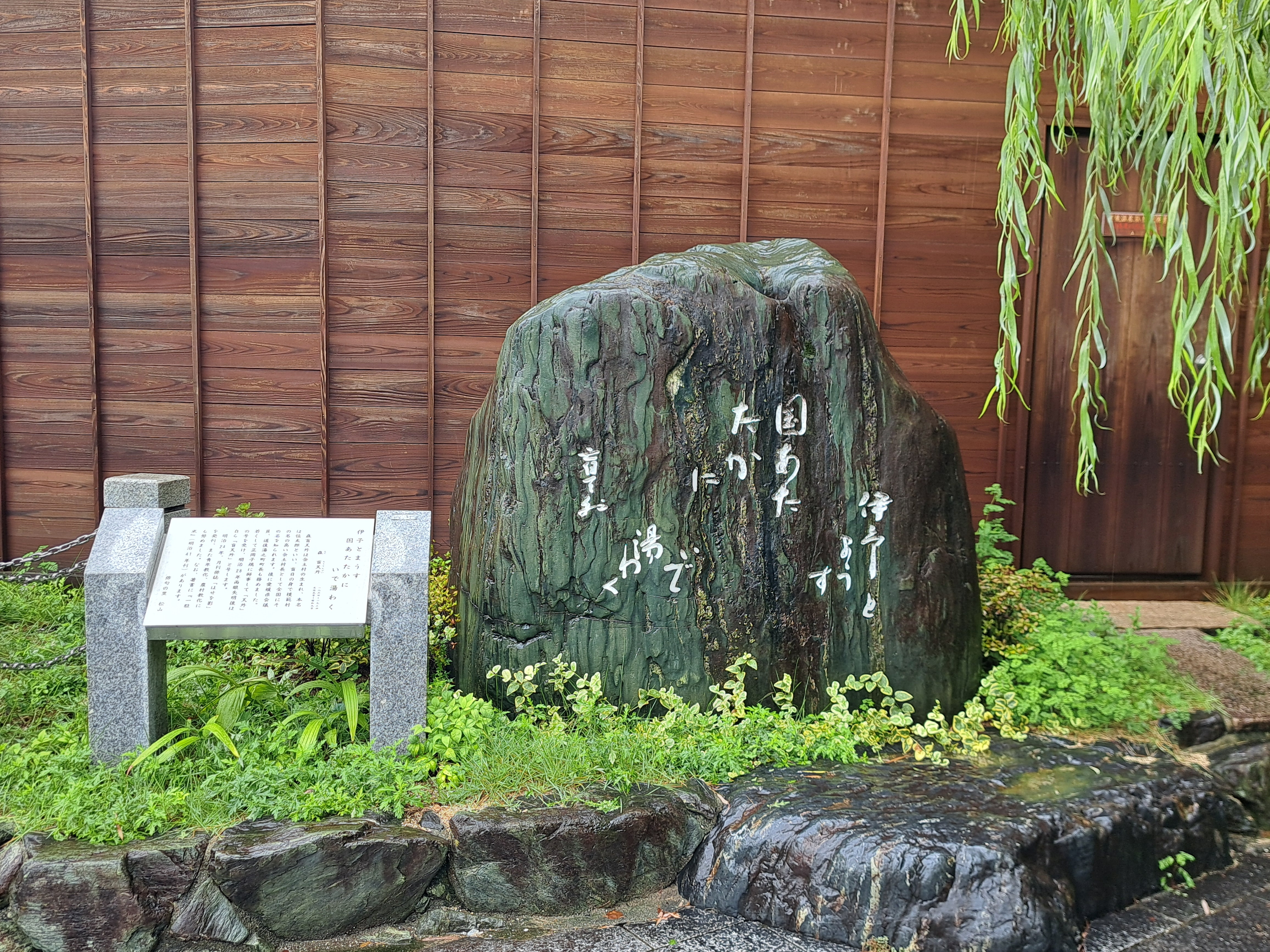
Mori Motengai Haiku Monument
A haiku monument is located in Hojoen, in front of Dogo Onsen Honkan. It commemorates Mori Motengai (1864–1934), a politician and poet who served as the head of Dogo Yunomachi. He studied under Shiki and received the haiku name “Ten-gai.”
The Mori Motengai Haiku Monument is a haiku monument located in Hojoen in front of Dogo Onsen Honkan, commemorating Mori Motengai, a politician and haiku poet associated with Dogo.
Mori Motengai
Mori Motengai (real name Mori Kotaro, 1864–1934) was a politician who served as a member of the Ehime Prefectural Assembly, the mayor of Yodo Village, and the mayor of Dogo Yunomachi. Although he lost his sight due to an eye disease while serving as a member of the prefectural assembly, he became the mayor of Yodo Village in 1898, dedicating himself to village administration as Japan's first blind mayor. He also focused on education for the blind, establishing the private Ehime School for the Blind and Deaf (currently Ehime Prefectural Matsuyama School for the Blind) using his retirement allowance, and was appointed as the mayor of Dogo Yunomachi in 1932.
He was also excellent at haiku and studied under Masaoka Shiki. He received the haiku pen name "Tengai" from Shiki and called himself "Motengai."
Hojoen, where the haiku monument is located, is right in front of Dogo Onsen Honkan and can be visited along with the footbath and the Botchan Karakuri Clock.
Source: "Mori Kotaro" Wikipedia (CC BY-SA) Last verified: July 2026
More spots in Central Dogo Onsen Area
See all in this area →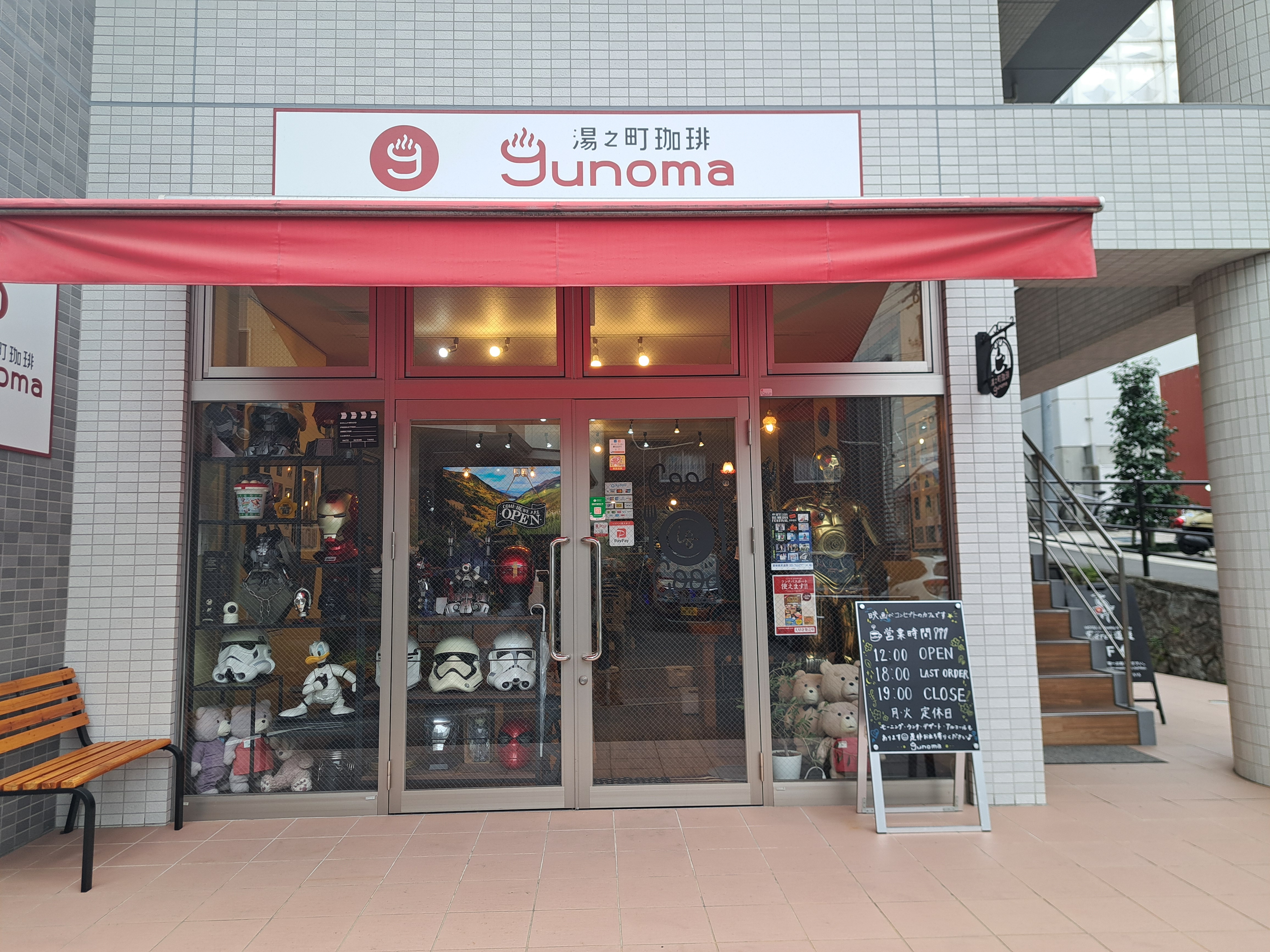
Yunomachi Coffee Yunoma
A café inside Egret Dogo. The board outside lists 12:00–19:00 (last order 18:00), closed Mondays and Tuesdays.
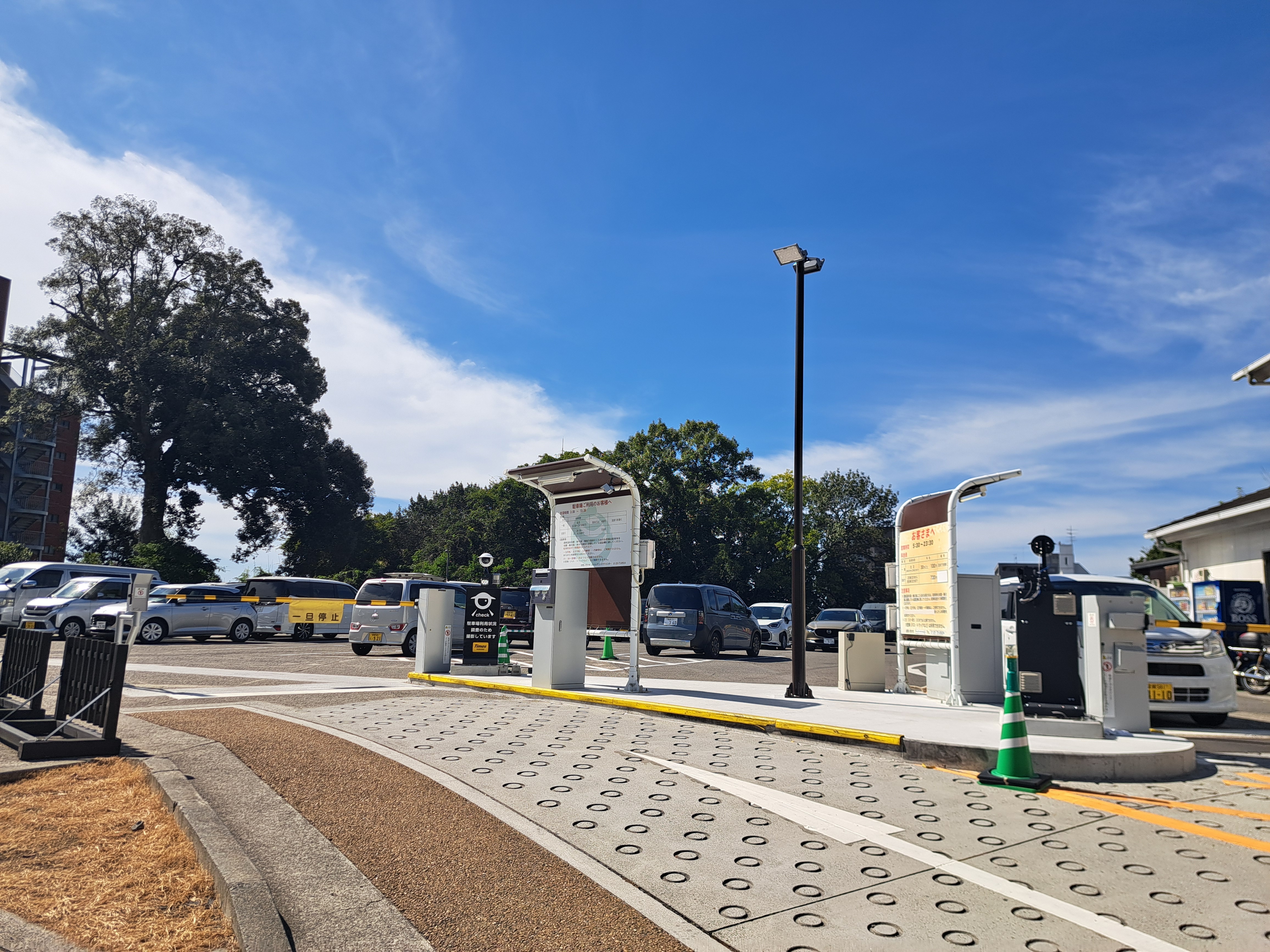
Dogo Onsen Parking
Dogo Onsen Parking is a municipal parking lot with capacity for 100 vehicles, closest to Dogo Onsen Honkan. Free for 1 hour with use of 3 public bathhouses.
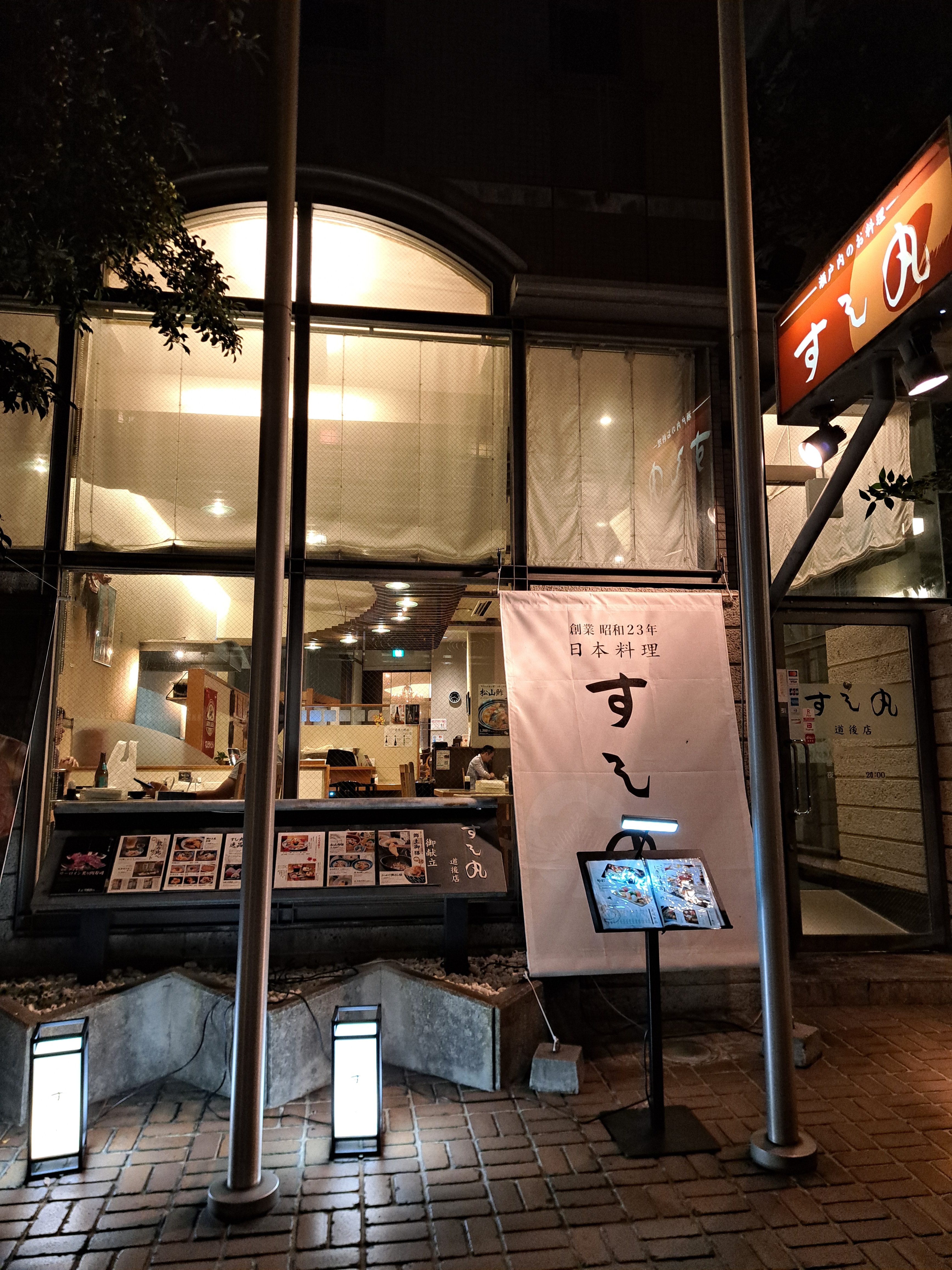
Sushimaru Dogo
A Japanese restaurant located on the first floor of Hotel Patio Dogo in front of Dogo Onsen Honkan. It serves sushi made with fish from the Seto Inland Sea and Ehime's local cuisine such as Matsuyama-zushi.
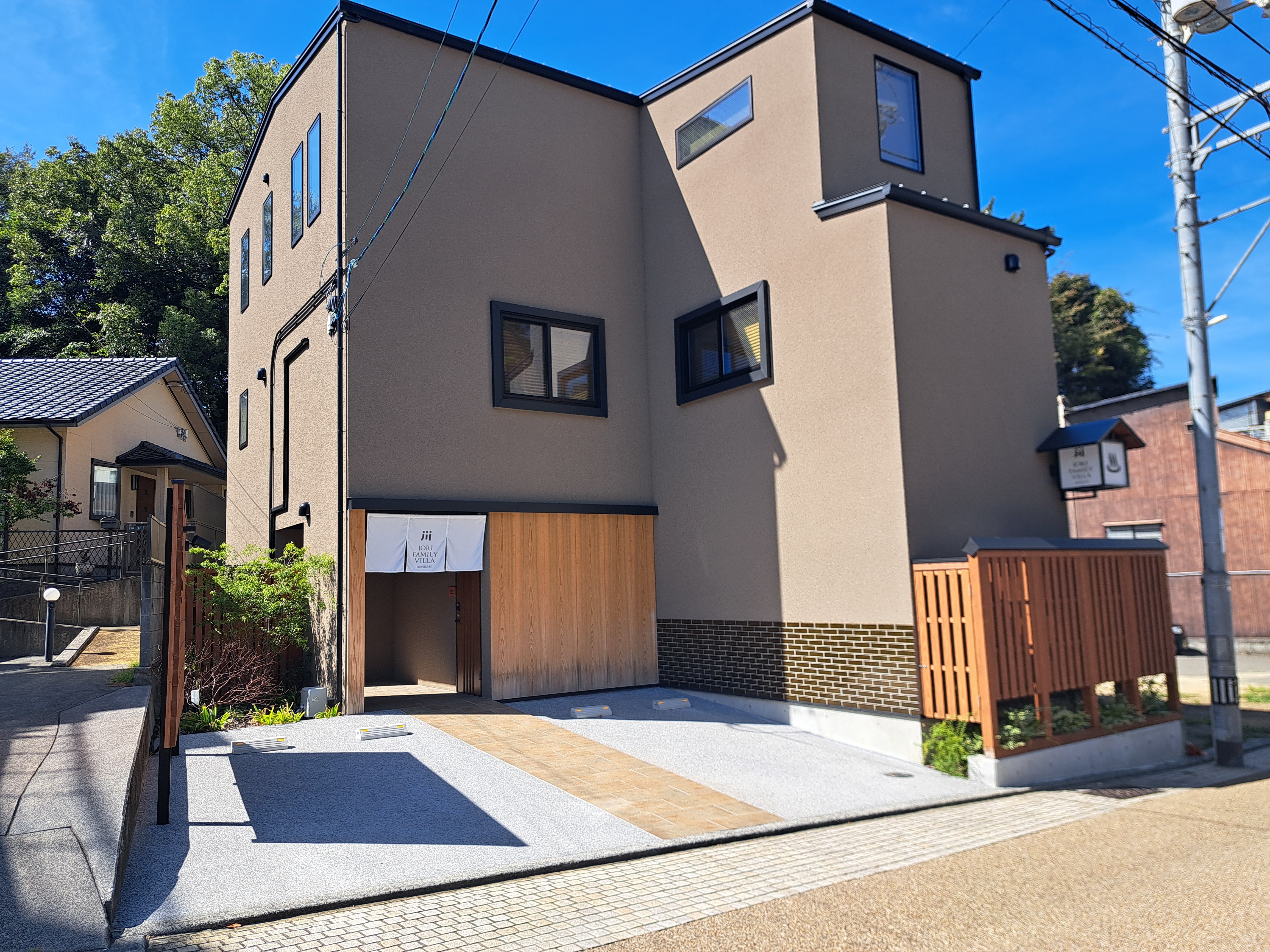
Iori Family Villa Dogo Yunomachi
A whole-building rental villa for families with children aged 0 to 3, operated by Iori, a specialty shop dealing in Imabari towels. It features 2 rooms, each approximately 100 square meters. Located a 2-minute walk from Dogo Onsen Honkan.
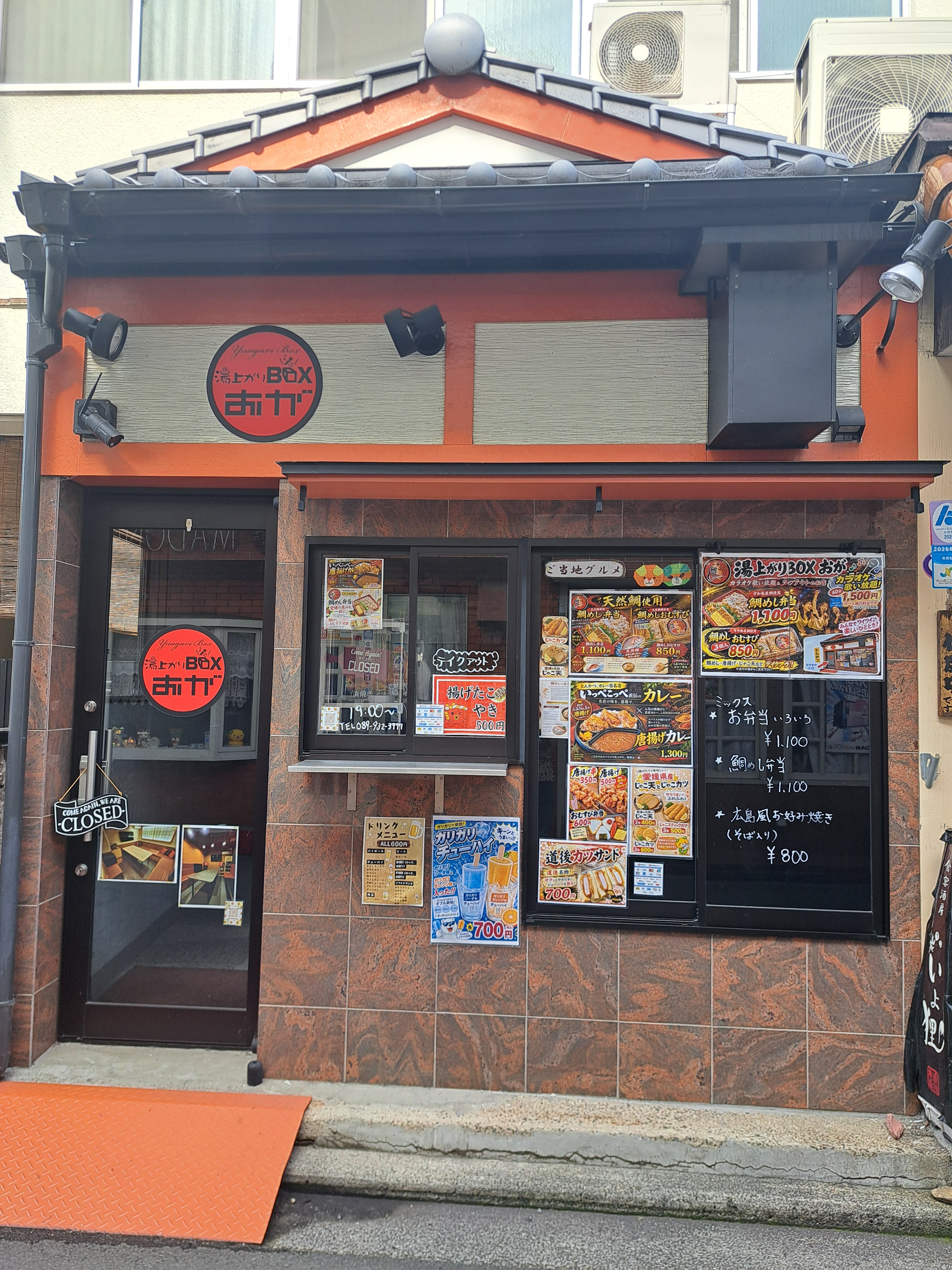
Yuagari BOX Oga
A shop at 18-2 Dogo Yunomachi. On 20 October 2026 the sign at the front read "Yuagari BOX Oga", and the window advertised takeaway dishes such as tai-meshi bento and karaage curry.
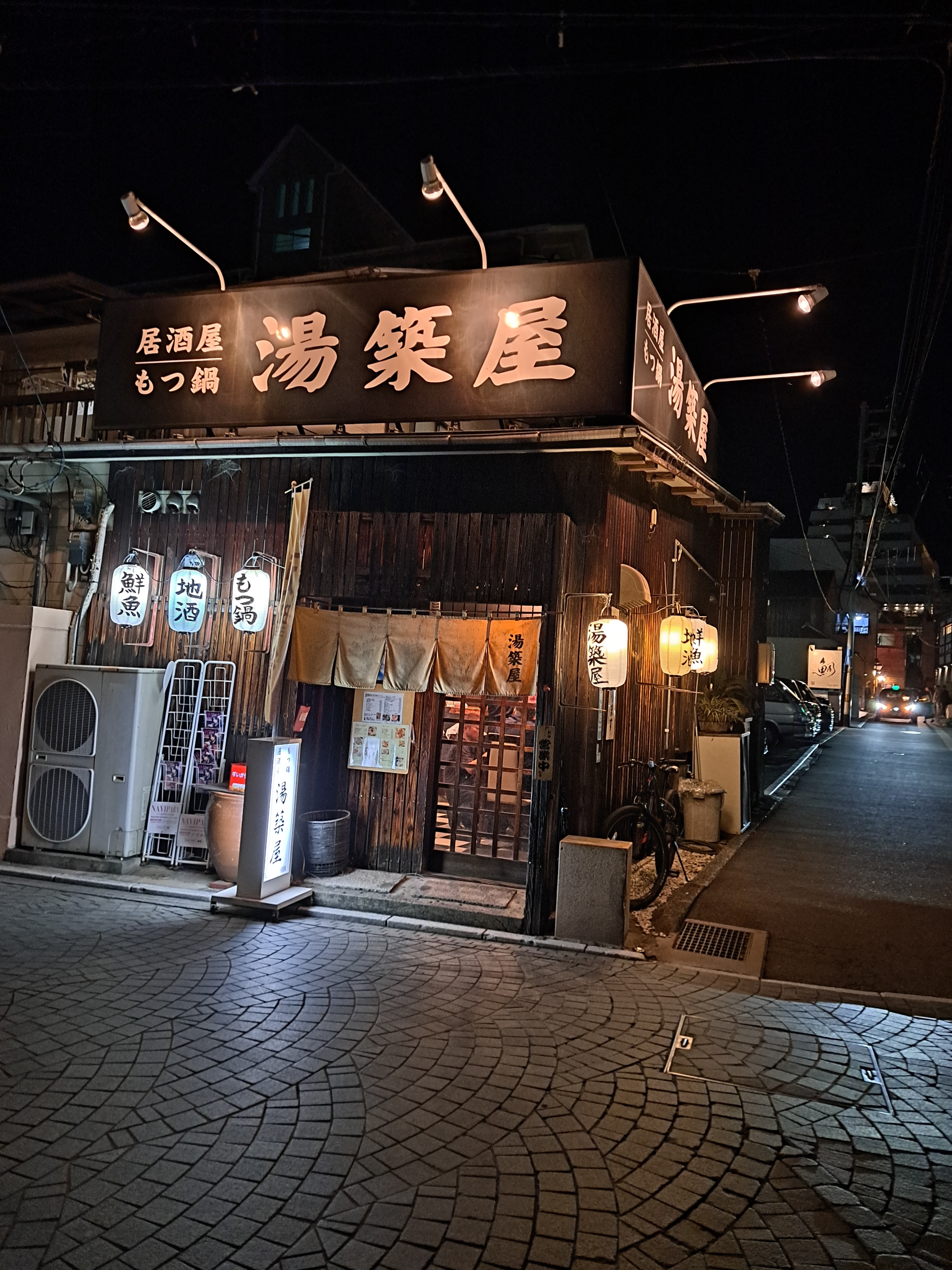
Yuzukiya
A motsunabe restaurant open in the evening, located in Dogo Yunomachi, a 2-minute walk from Dogo Onsen Station.
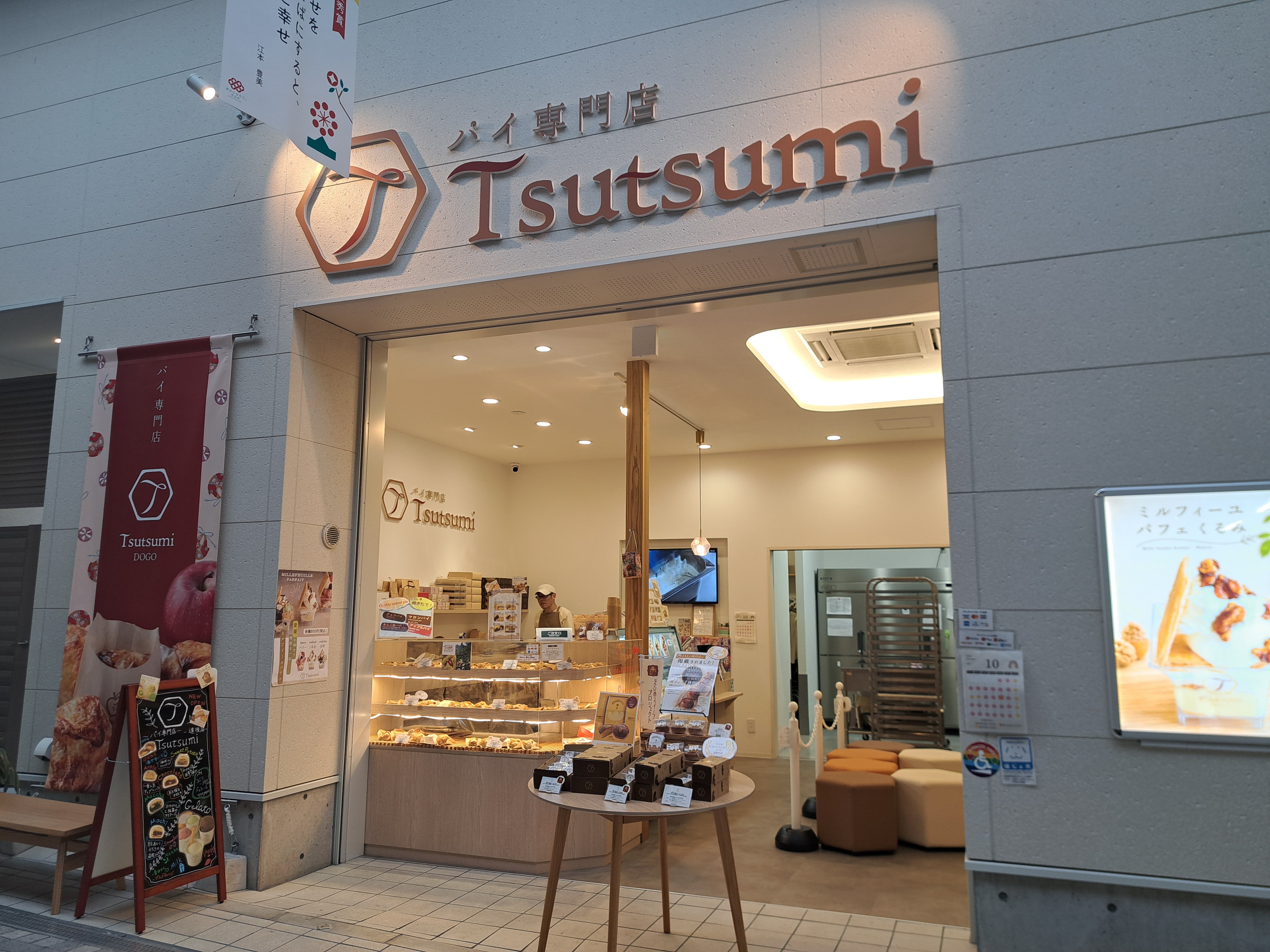
Pie Specialty Shop Tsutsumi Dogo
A pie specialist in the Dogo shopping arcade. It opened in 2025 as the second branch and offers pies for takeaway made with local ingredients, such as the Dogo sake-lees pie.
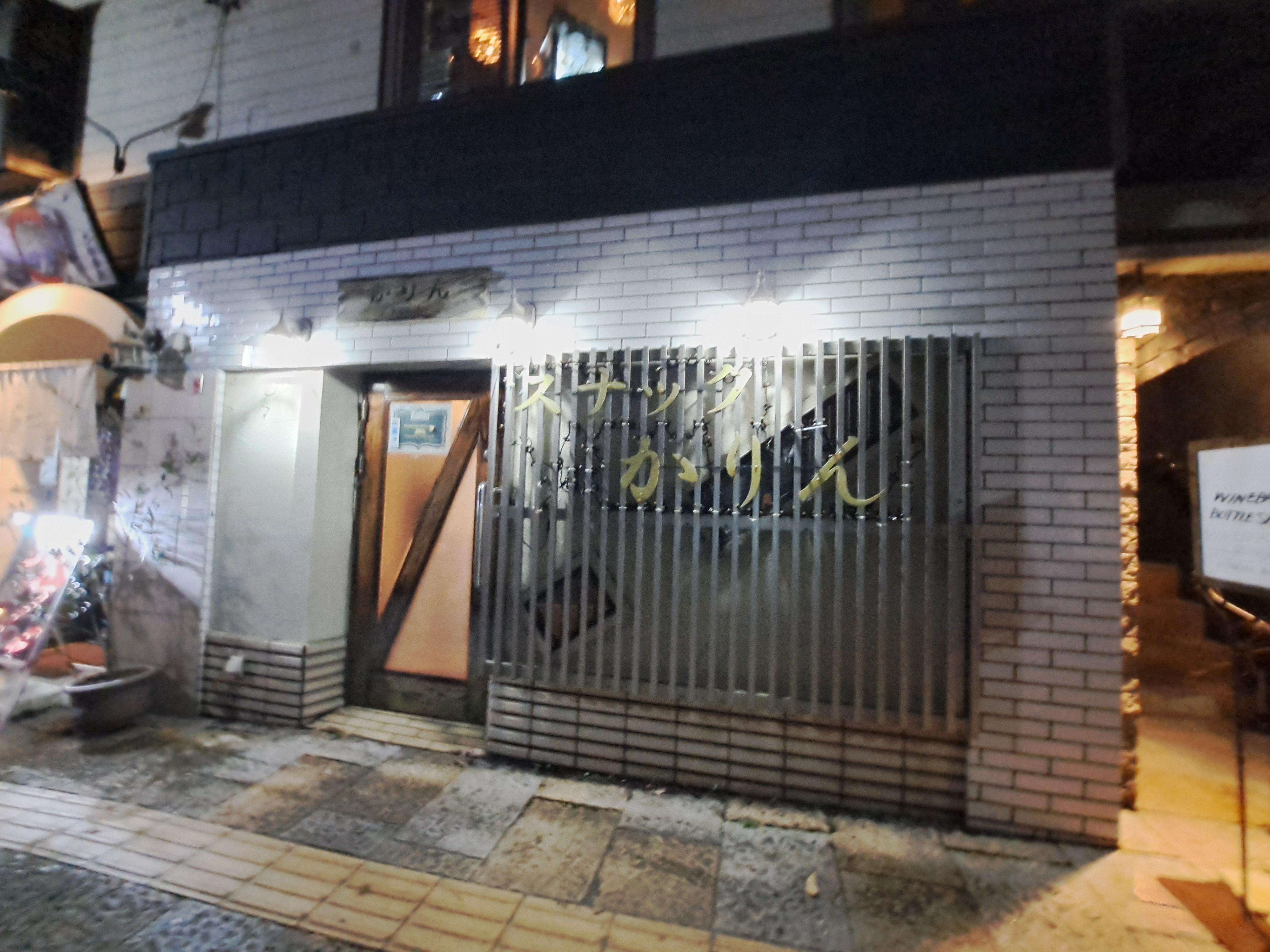
Snack Karin
A snack bar with karaoke located at 6-23 Dogo Yunomachi, a 2-minute walk from Dogo Onsen Station.
More "Stone Monuments & Poem Steles" spots
See all in this category →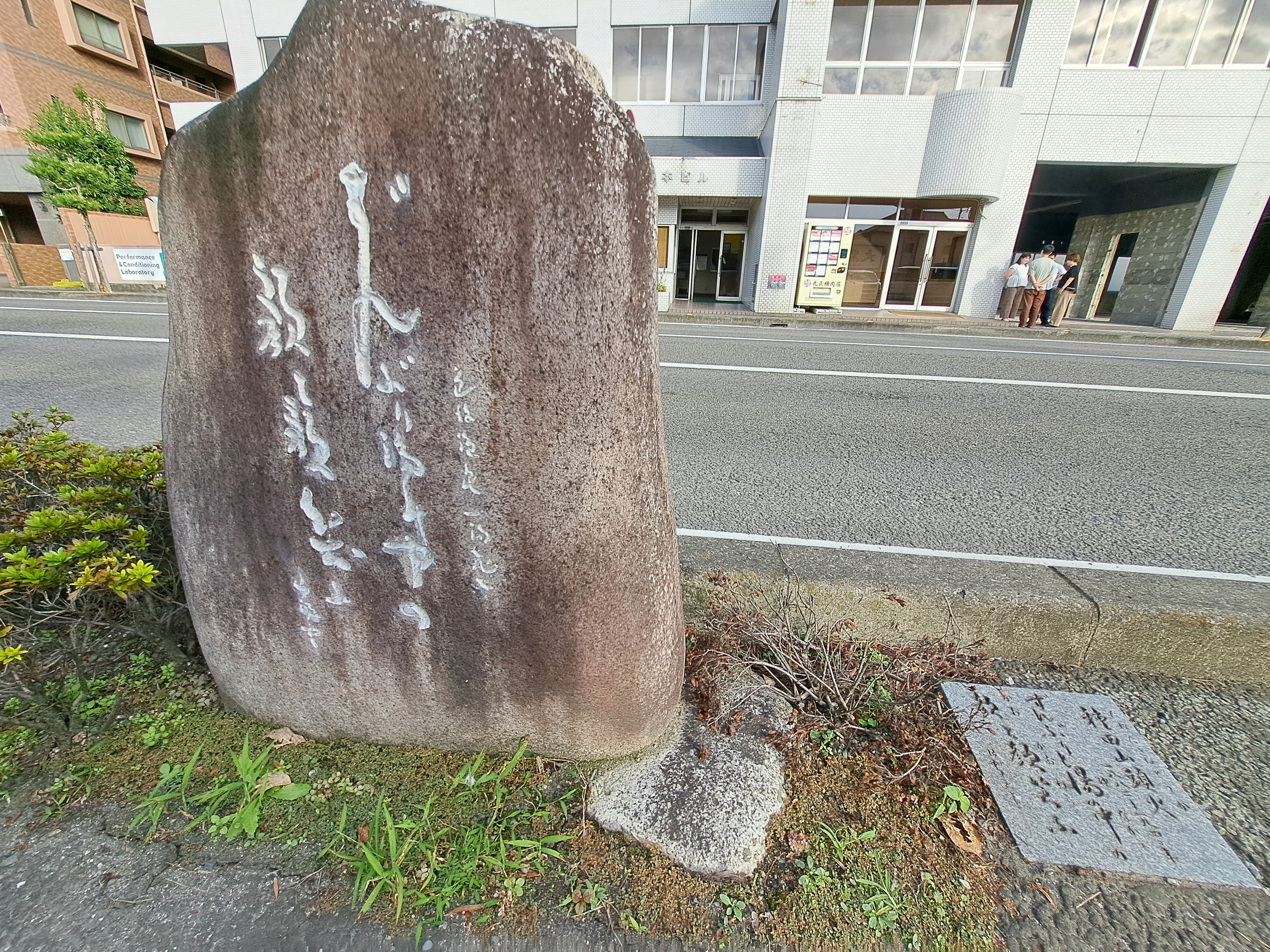
Taneda Santoka Haiku Monument (Path of Haiku)
A haiku monument to Taneda Santoka on the Dogo-Kitamachi side of the "Path of Haiku" in Dogo (the street east of the Ehime Prefectural Culture Hall). It is inscribed with the haiku "ずんぶり湯の中の顔と顔笑ふ".
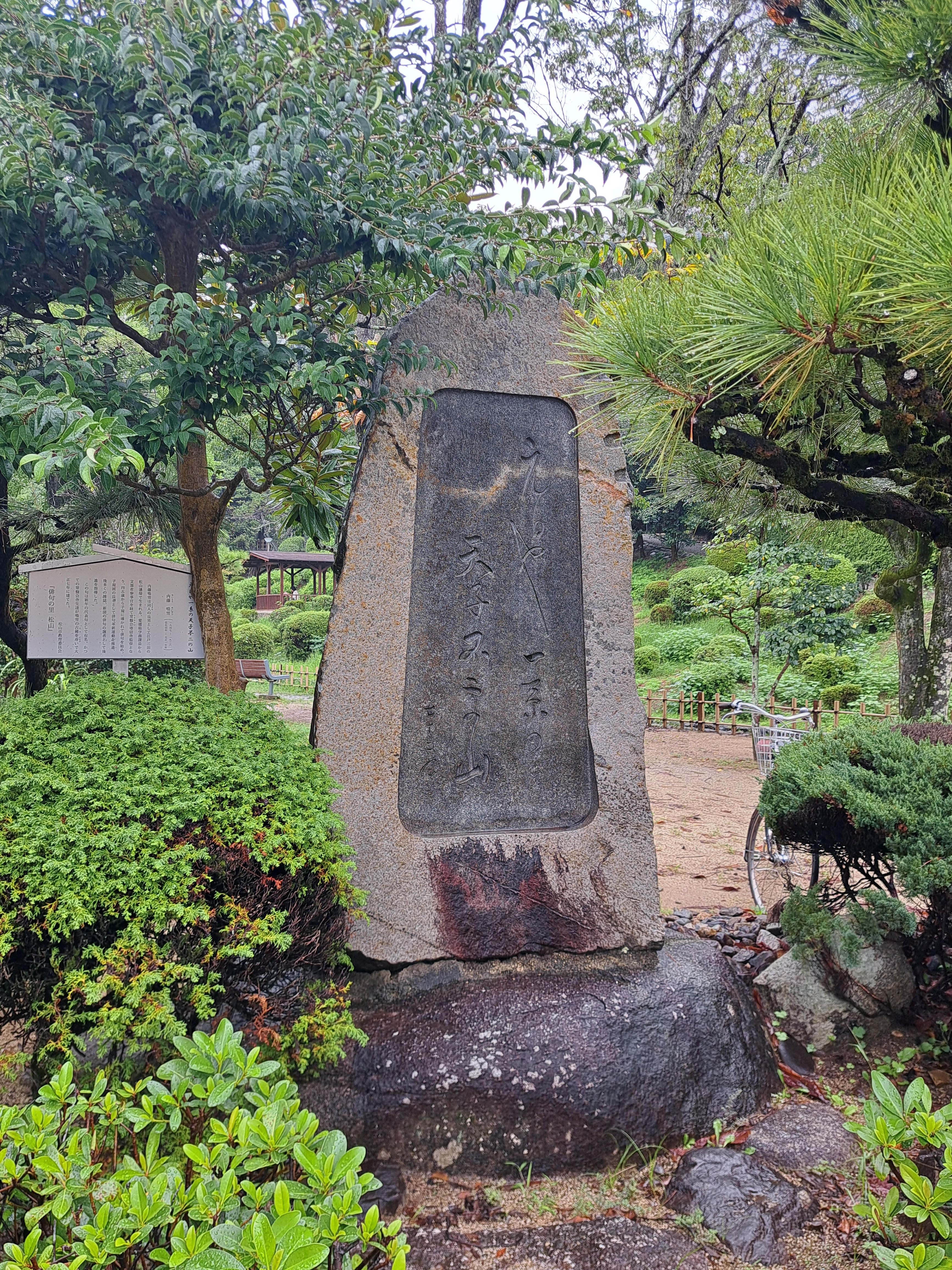
Naito Meisetsu Haiku Monument
This haiku monument is in Dogo Park. It is inscribed with the verse "Mottozu ya itsuika no tenzi futai no yama". In 1918, former dormitory residents erected it as a longevity monument to celebrate the long life of the poet Naito Meisetsu (1847–1926).
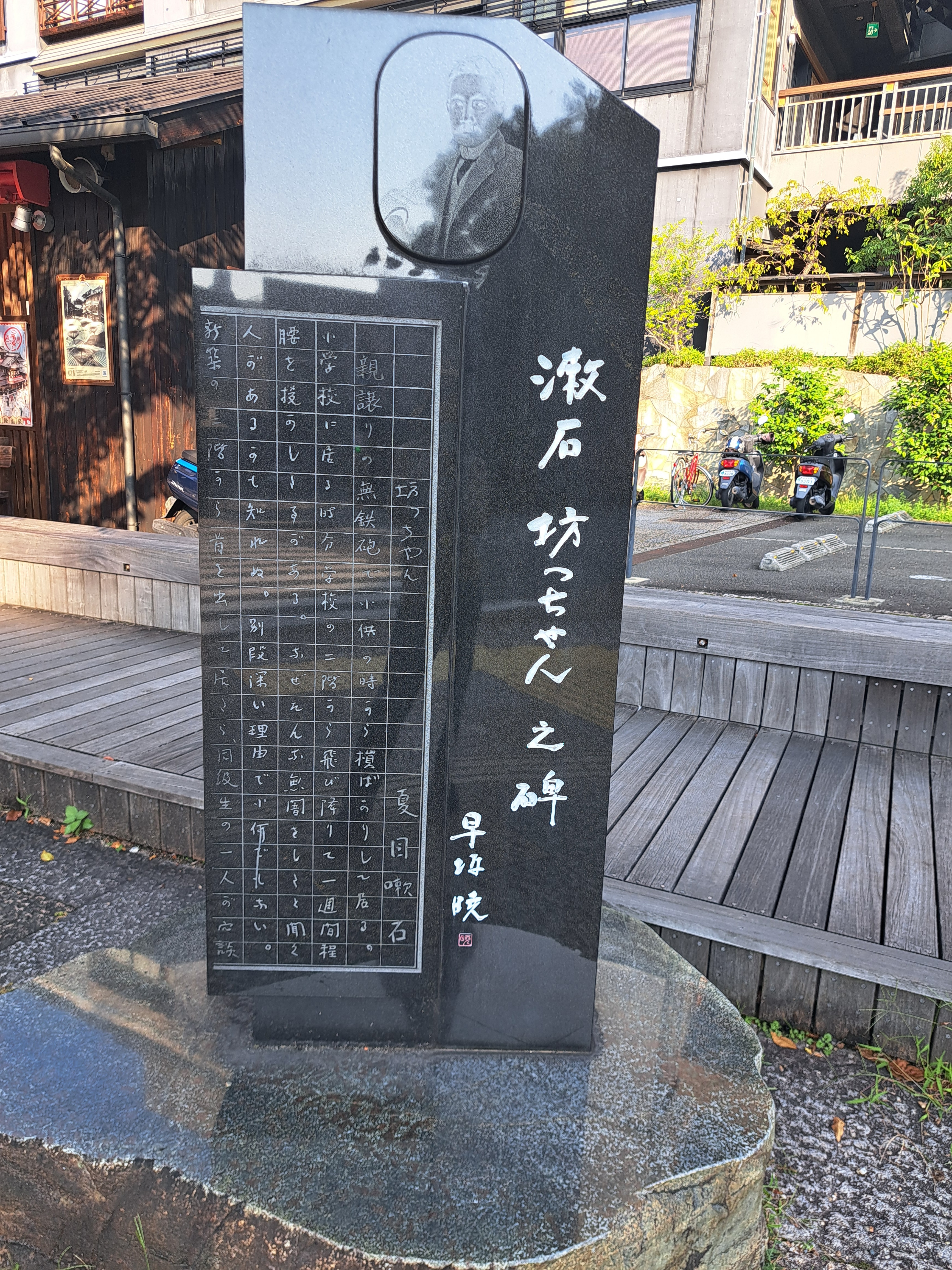
Soseki Botchan Monument
A stone monument to Natsume Soseki's novel "Botchan" on the east side of Dogo Onsen Honkan, set up in 2006 for the 100th anniversary of the novel.
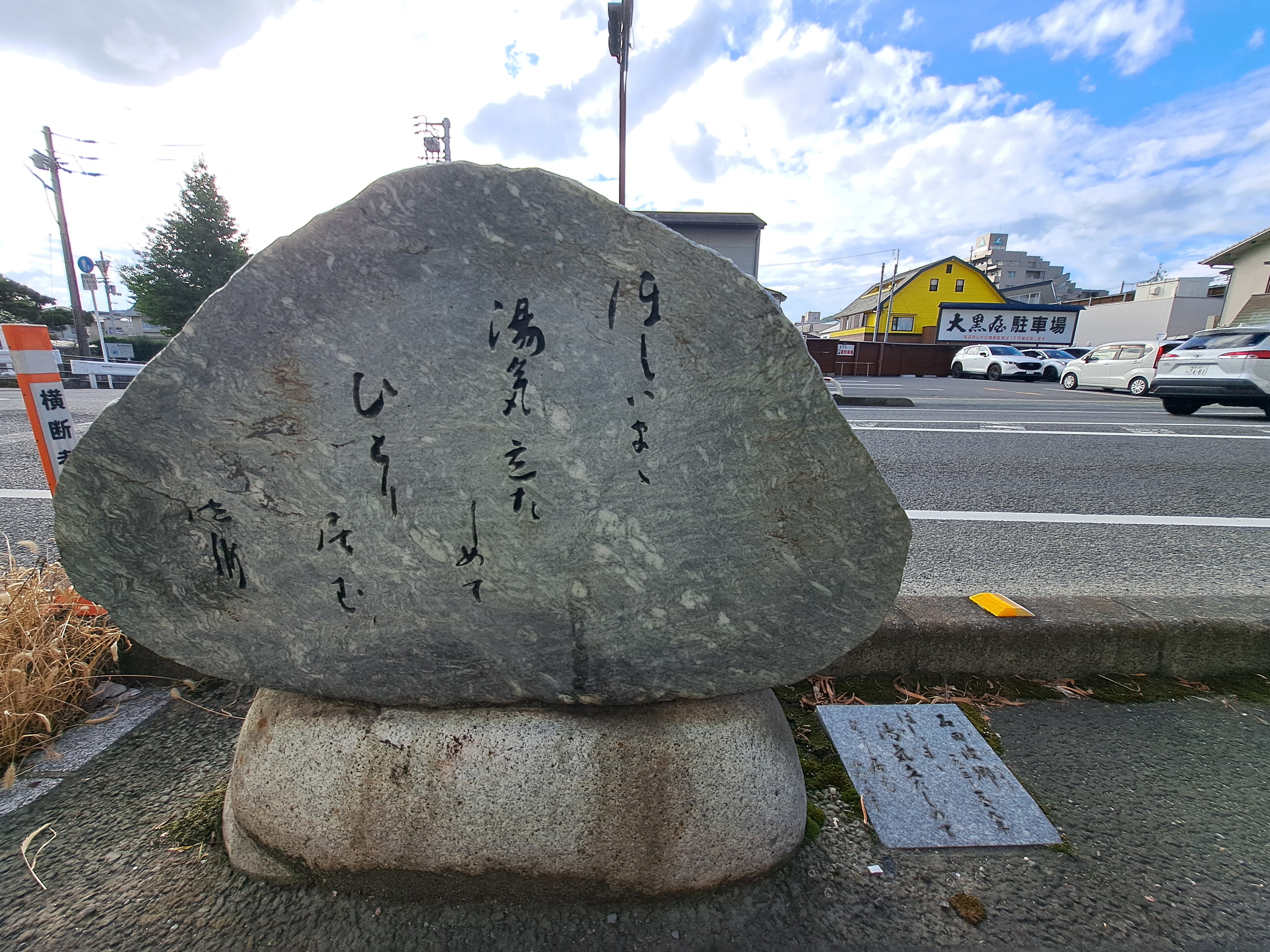
Ishida Hakyo Haiku Monument (Path of Haiku)
A haiku monument to Ishida Hakyo on the Dogo-Kitamachi side of the "Path of Haiku" in Dogo (the street east of the Ehime Prefectural Culture Hall). It is inscribed with the haiku "ほしいまゝ湯気立たしめてひとり居む".
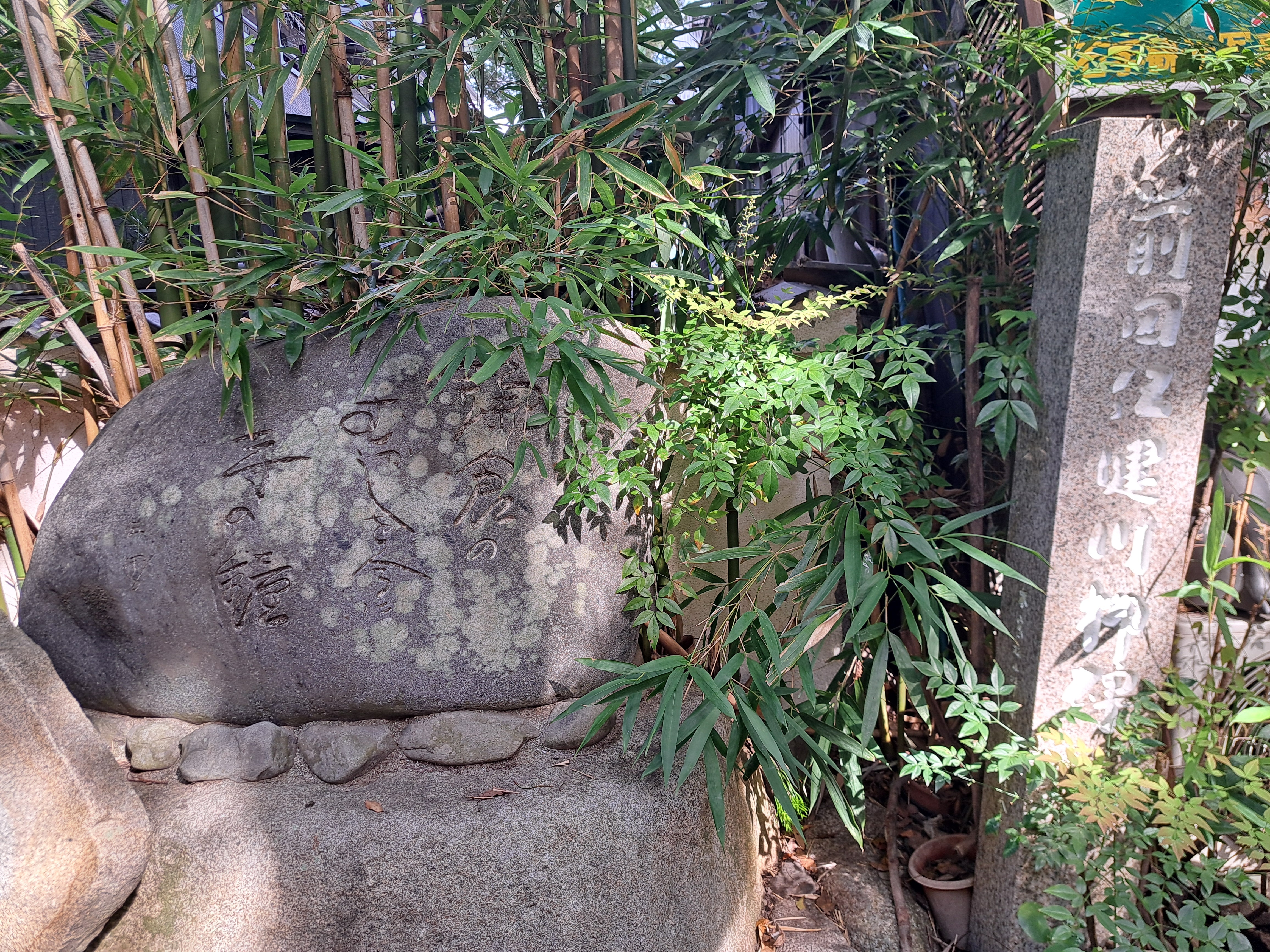
Maeda Goken Senryu Monument (Ishite-ji Approach)
A senryu monument to Maeda Goken on the approach to Ishite-ji, inscribed "鎌倉のむかしを今に寺の鐘". Erected on 20 October 1958 (Showa 33).
Taneda Santoka Haiku Monument (Choken-ji Temple)
A haiku monument at Choken-ji Temple in Miyuki, Matsuyama. It commemorates Taneda Santoka (1882–1940), a poet of free-form haiku. Santoka spent his final years at the hermitage Isso-an in Matsuyama, where he died.
Sakai Mokuzen Haiku Monument (Iwazeki Amusement Park)
A haiku monument inscribed with a poem by Sakai Mokuzen, standing in the amusement park at Iwazeki in Ishite, Matsuyama. It can be seen while walking the area.
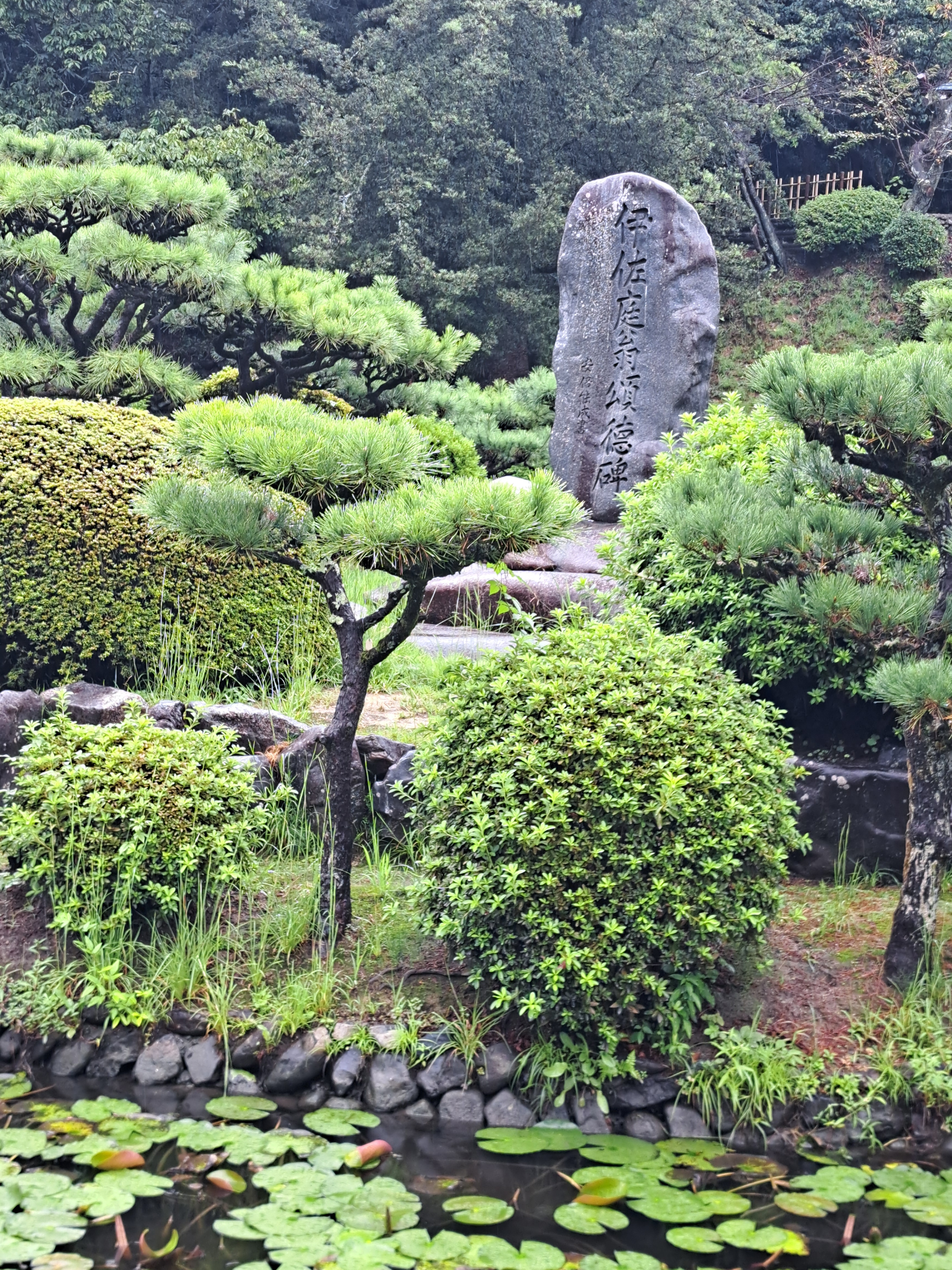
Monument to the Merits of Isaniwa
A monument in Dogo Park. It honours Isaniwa Yukiya, the first mayor of Dogo Yunomachi, who led the 1894 (Meiji 27) rebuilding of Dogo Onsen Honkan. The Honkan is a nationally designated Important Cultural Property.