Taneda Santoka Haiku Monument (Choken-ji Temple)
A haiku monument at Choken-ji Temple in Miyuki, Matsuyama. It commemorates Taneda Santoka (1882–1940), a poet of free-form haiku. Santoka spent his final years at the hermitage Isso-an in Matsuyama, where he died.
The Taneda Santoka Haiku Monument is a monument located at Chokenji Temple in Miyuki, Matsuyama City, which commemorates the free-verse haiku poet Taneda Santoka.
Taneda Santoka
Taneda Santoka (1882–1940) was a haiku poet born in Hofu City, Yamaguchi Prefecture. He studied under the haiku magazine "Soun" edited by Seisensui Ogiwara, and was ordained as a priest at Hoonji Temple of the Soto sect in Kumamoto in 1925. He is known for continuing to write free-verse haiku, which is not bound by the standard 5-7-5 syllable structure or seasonal themes, while wandering throughout various regions, and is praised alongside Hosai Ozaki from the same "Soun" magazine. In his later years, he lived in the hermitage "Isso-an" in Matsuyama, where he ended his life. As Matsuyama is the place where Santoka passed away, his haiku monuments remain in various locations throughout the city.
Source: "Taneda Santoka" Wikipedia (CC BY-SA) Last confirmation date: July 2026
More spots in West Dogo Area
See all in this area →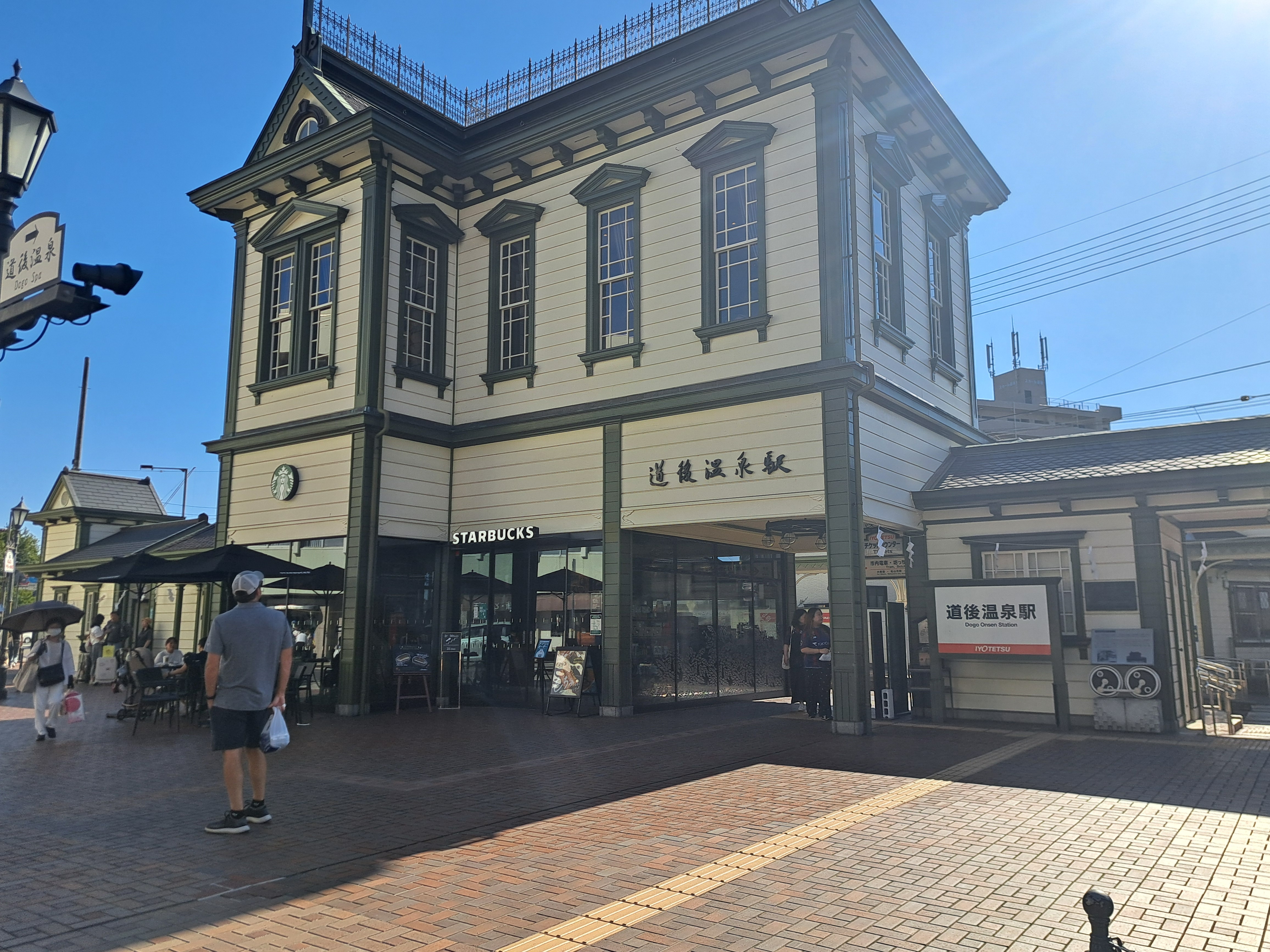
Iyotetsu Dogo Onsen Station
This is the terminal station of the Iyo Railway Chonan Line. The station building is a restored version of the original building, constructed in 1911, and is also known as a station for the Botchan Train.
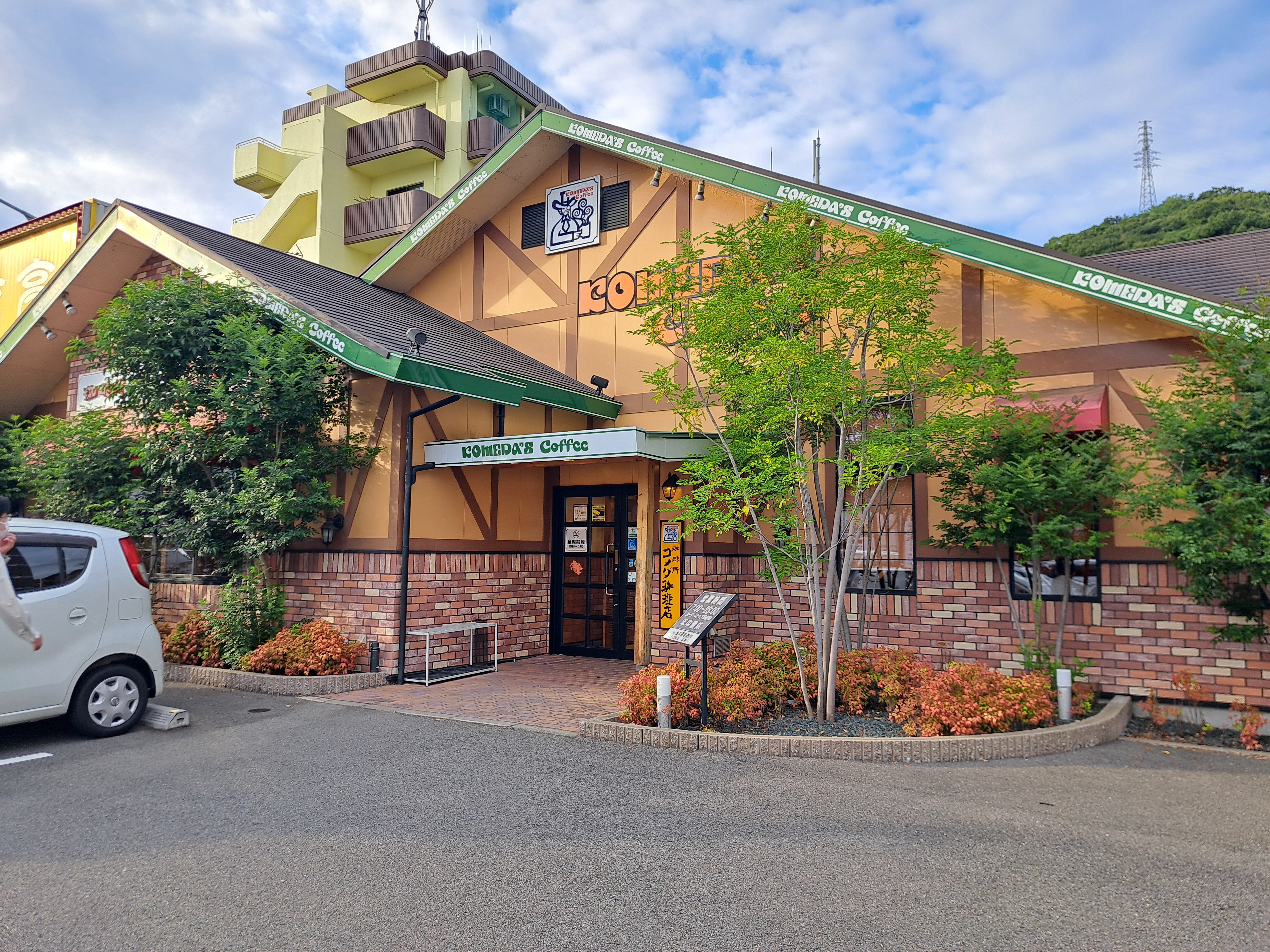
Komeda Coffee Matsuyama Dogo
A coffee shop located in Dogo Himata. It is open continuously from 7:00 to 23:00, offering nationwide common menu items such as morning service and Shiro-Noir. It has a parking lot.
Dogo Shinonome Sai
A shabu-shabu and sukiyaki restaurant. Matsusaka beef and Kuroge wagyu beef can be enjoyed in fully private rooms. A Dogo branch of the Matsuyama Nibancho main store.
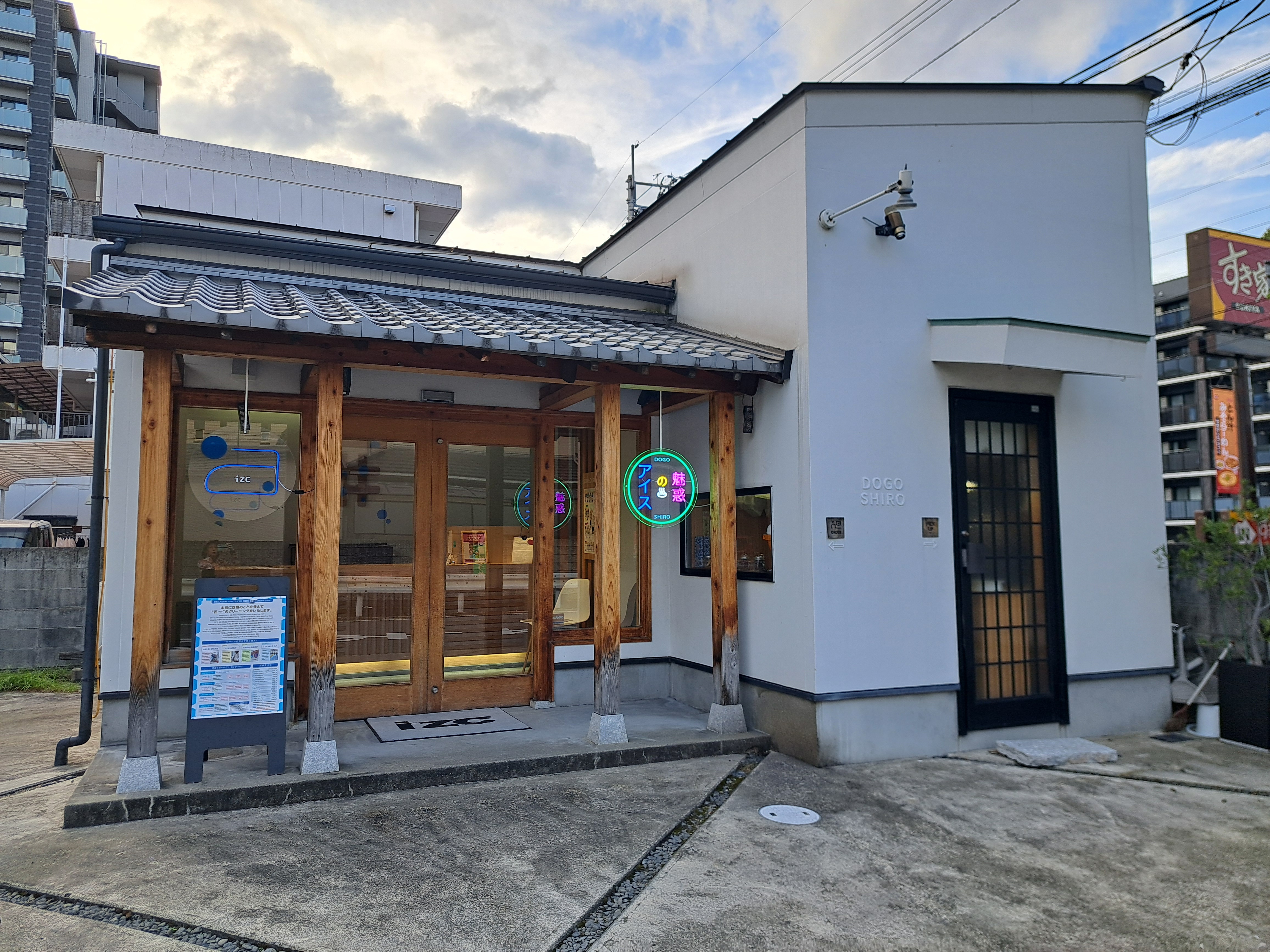
Miwaku no Ice DOGO SHIRO
An ice cream parfait specialty store located in Dogo Himata. Opened on August 15, 2025. It offers free toppings exclusive to the Dogo store and is available for dine-in and takeout.
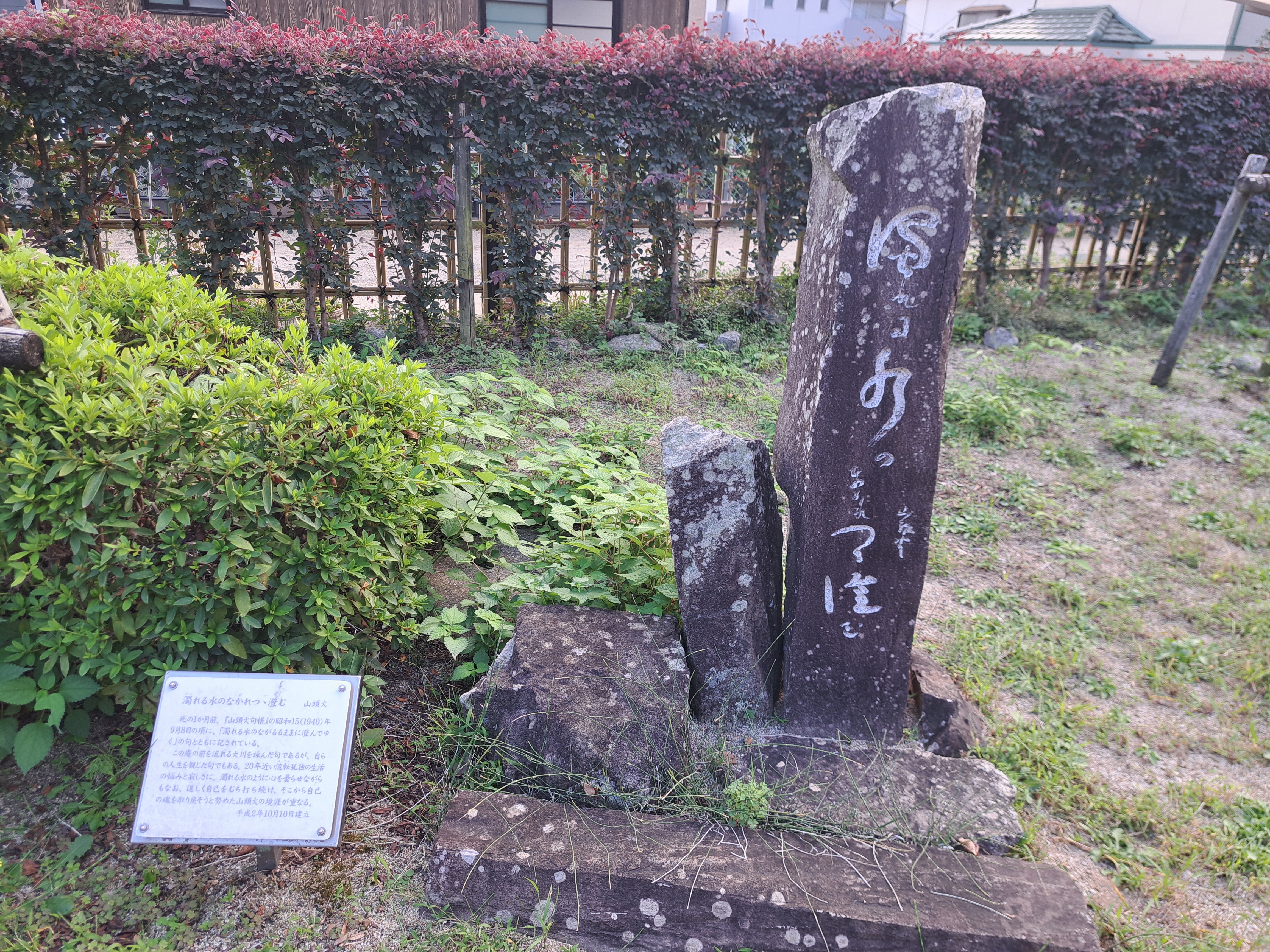
Issoan
A hermitage in the grounds of Gyoko-ji Temple in Miyuki, Matsuyama, where the free-verse haiku poet Taneda Santoka spent his last months. The current building was rebuilt in 1952, and a monument with Santoka's haiku stands in the garden.
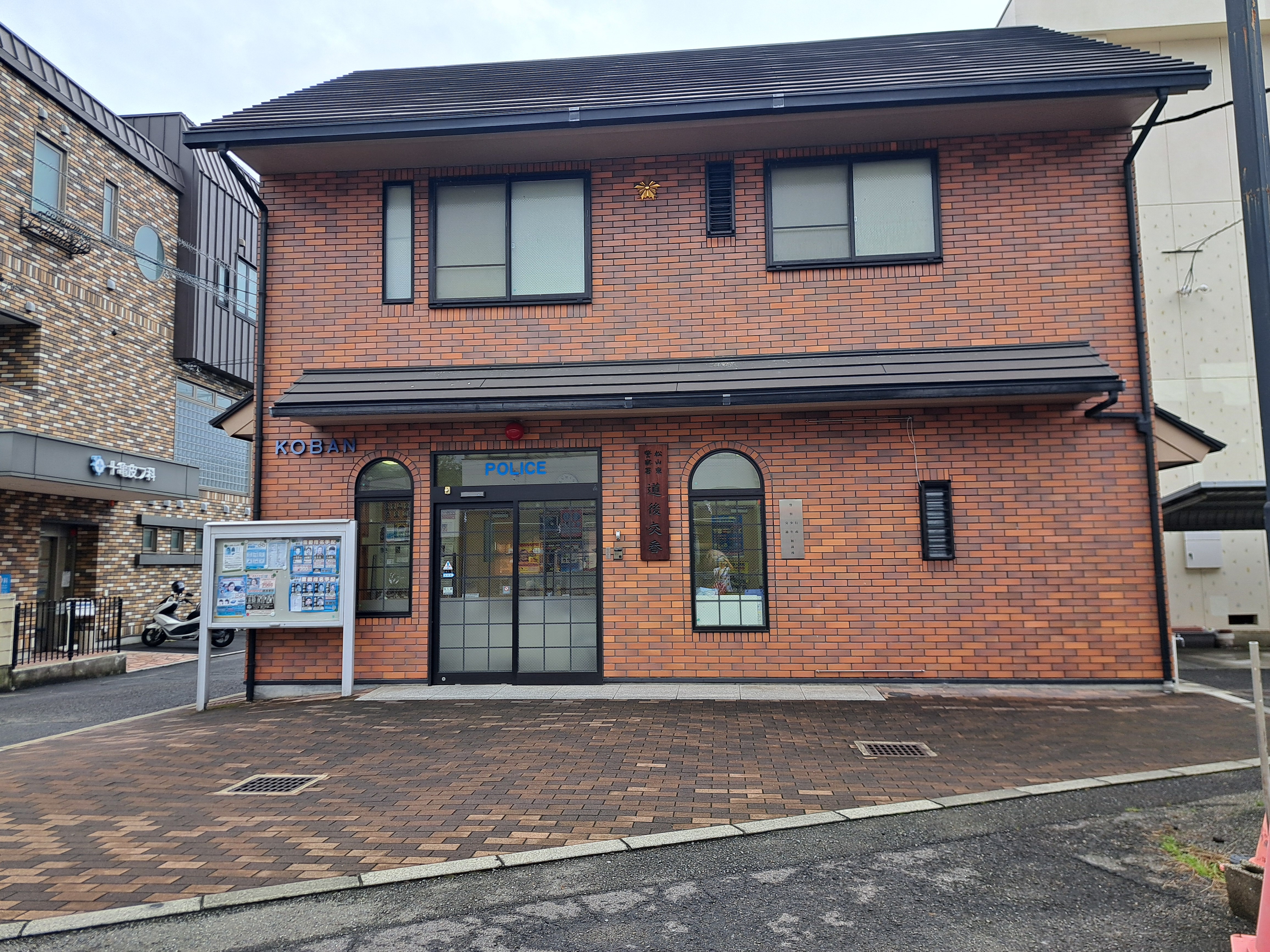
Matsuyama-Higashi Police Station – Dogo Koban
A police box (koban) serving Dogo Onsen. Close to Dogo Onsen Honkan and the shopping arcade, it is a point of safety and support for visitors and residents alike.
Super ABC Dogo Himata
A neighborhood supermarket with a strong selection of prepared foods and bento, open 9:00–22:00.
Path of Haiku (the street of haiku monuments east of the Ehime Prefectural Culture Hall)
The "Path of Haiku" is a street east of the Ehime Prefectural Culture Hall lined with 10 haiku and senryu monuments (11 verses) connected with Dogo Onsen. This page lists the verses by Soseki, Shiki, Santoka and others.
More "Stone Monuments & Poem Steles" spots
See all in this category →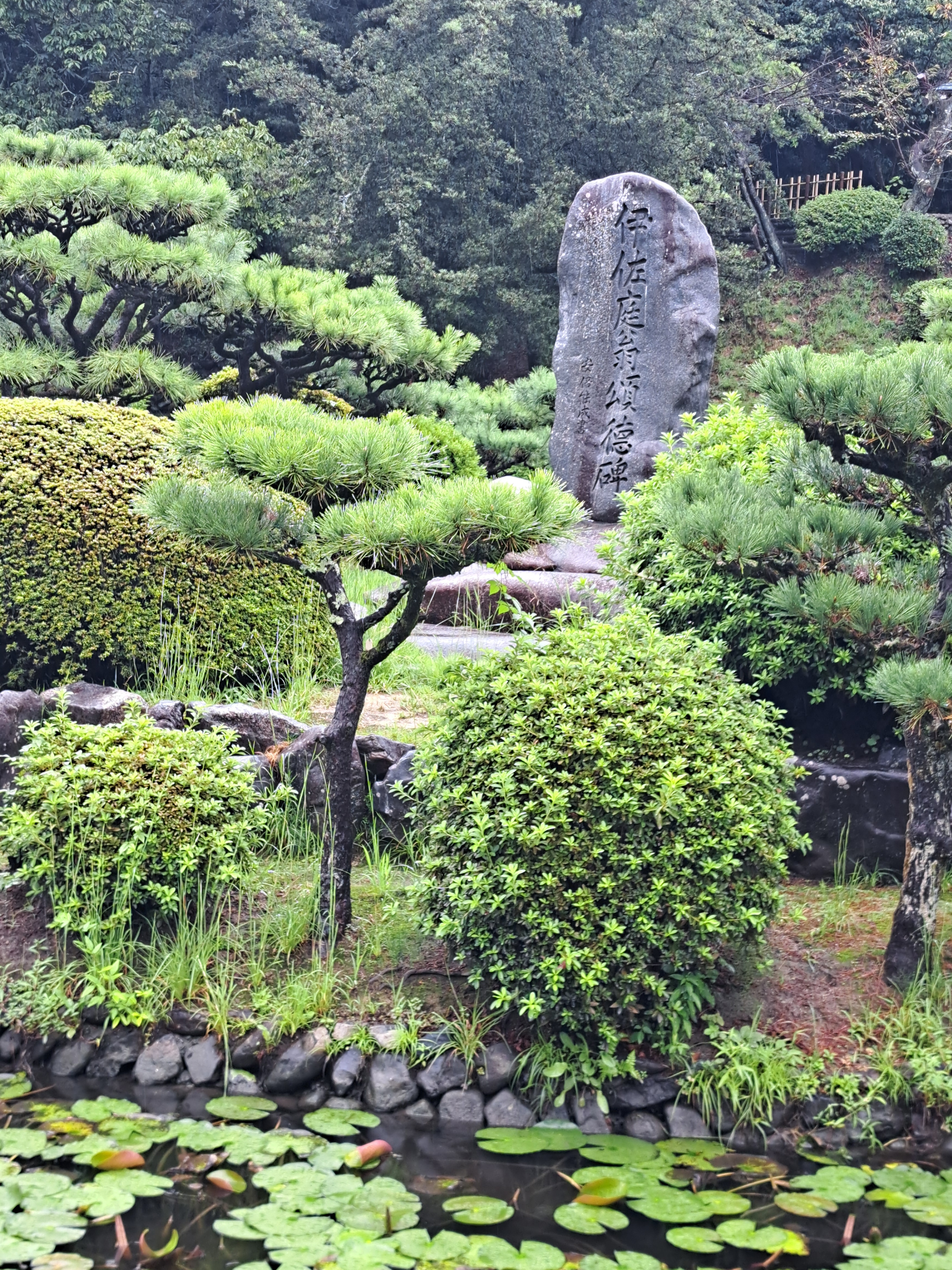
Monument to the Merits of Isaniwa
A monument in Dogo Park. It honours Isaniwa Yukiya, the first mayor of Dogo Yunomachi, who led the 1894 (Meiji 27) rebuilding of Dogo Onsen Honkan. The Honkan is a nationally designated Important Cultural Property.
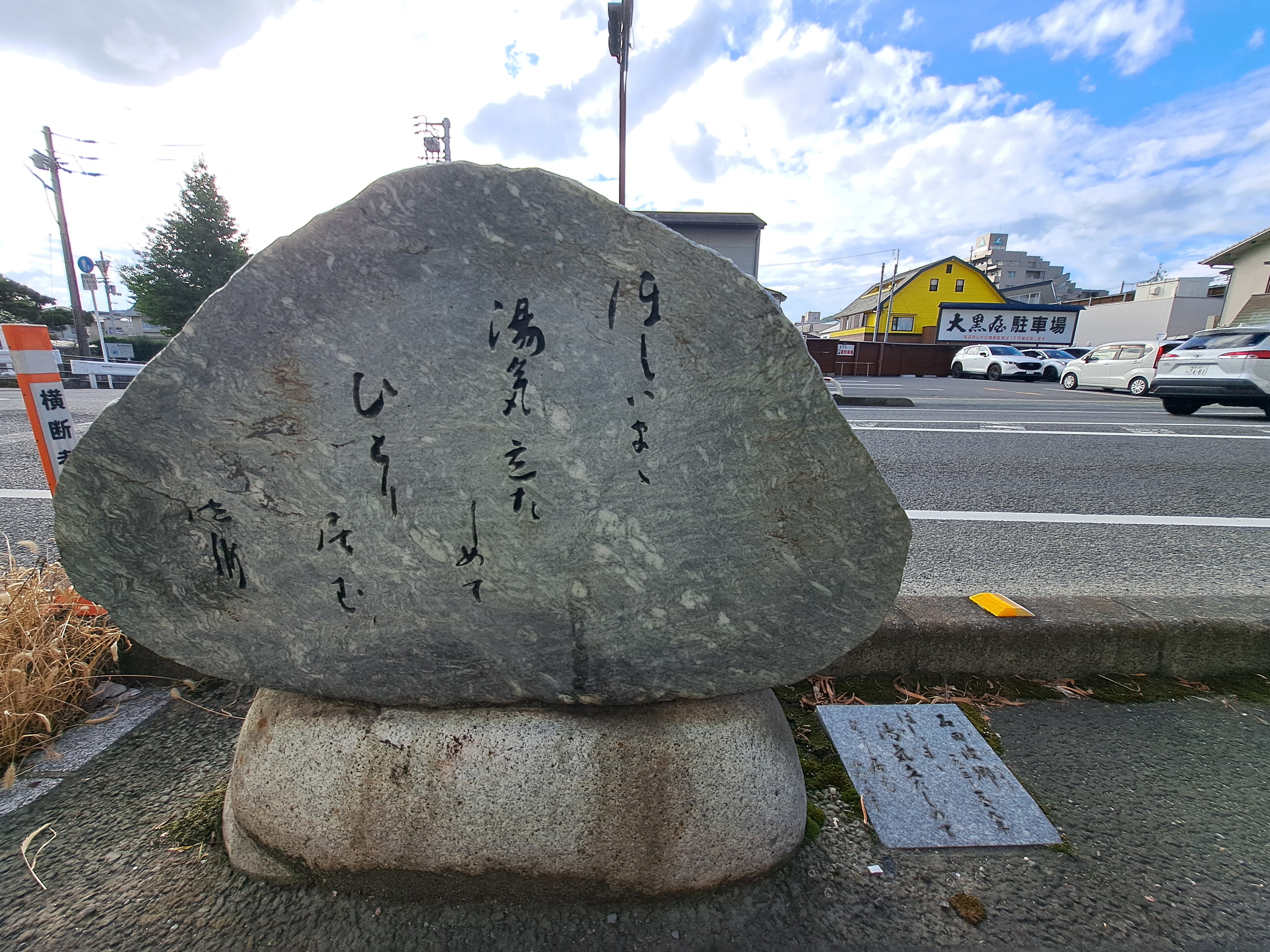
Ishida Hakyo Haiku Monument (Path of Haiku)
A haiku monument to Ishida Hakyo on the Dogo-Kitamachi side of the "Path of Haiku" in Dogo (the street east of the Ehime Prefectural Culture Hall). It is inscribed with the haiku "ほしいまゝ湯気立たしめてひとり居む".
Sakai Mokuzen Haiku Monument (Iwazeki Amusement Park)
A haiku monument inscribed with a poem by Sakai Mokuzen, standing in the amusement park at Iwazeki in Ishite, Matsuyama. It can be seen while walking the area.
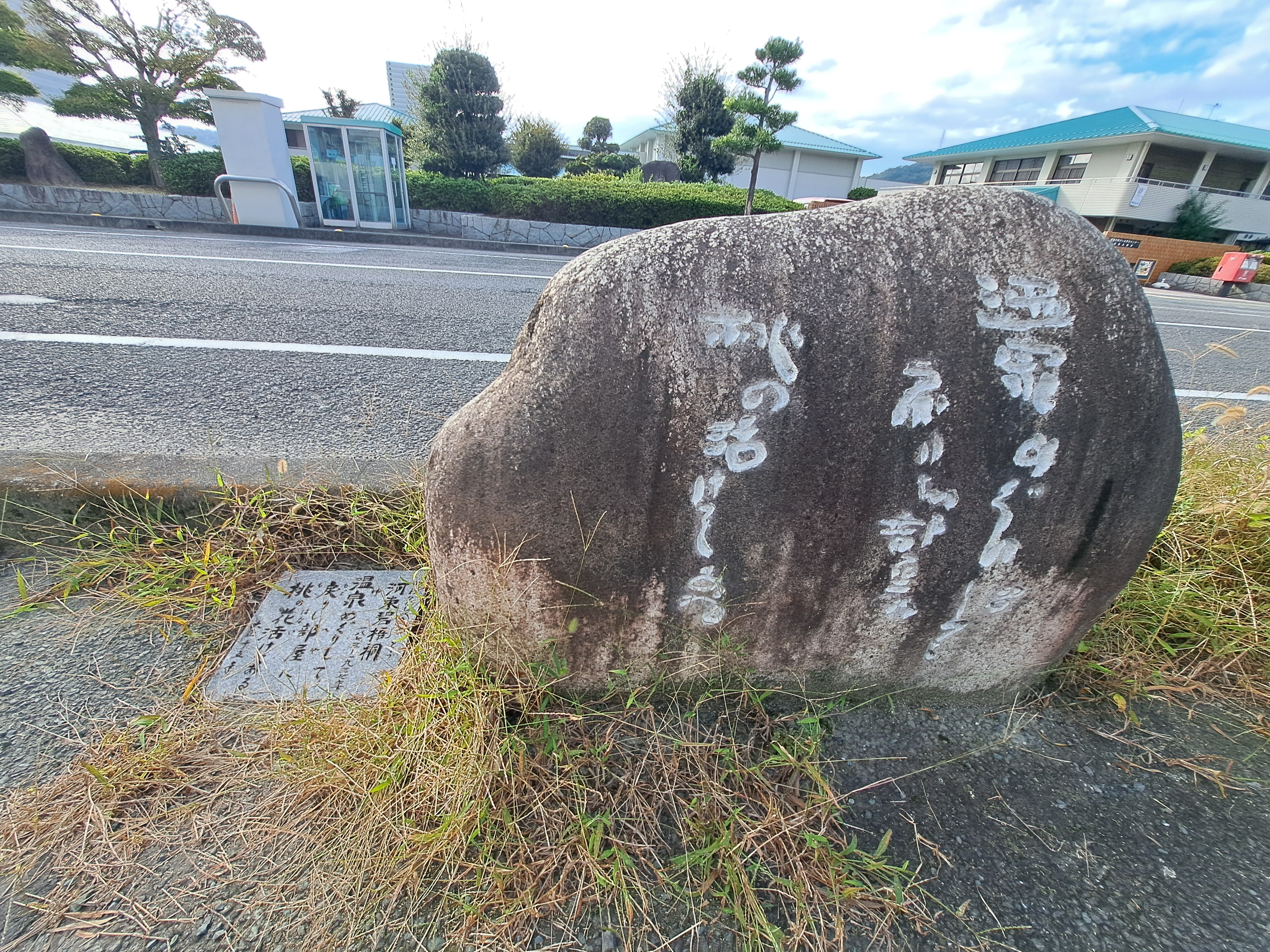
Kawahigashi Hekigoto Haiku Monument (Path of Haiku)
A haiku monument for Kawahigashi Hekigoto on the Dogo 2-chome side of Dogo's "Path of Haiku". It is inscribed with "Onsen meguri shite modorishi heya ni momo no ikete aru".
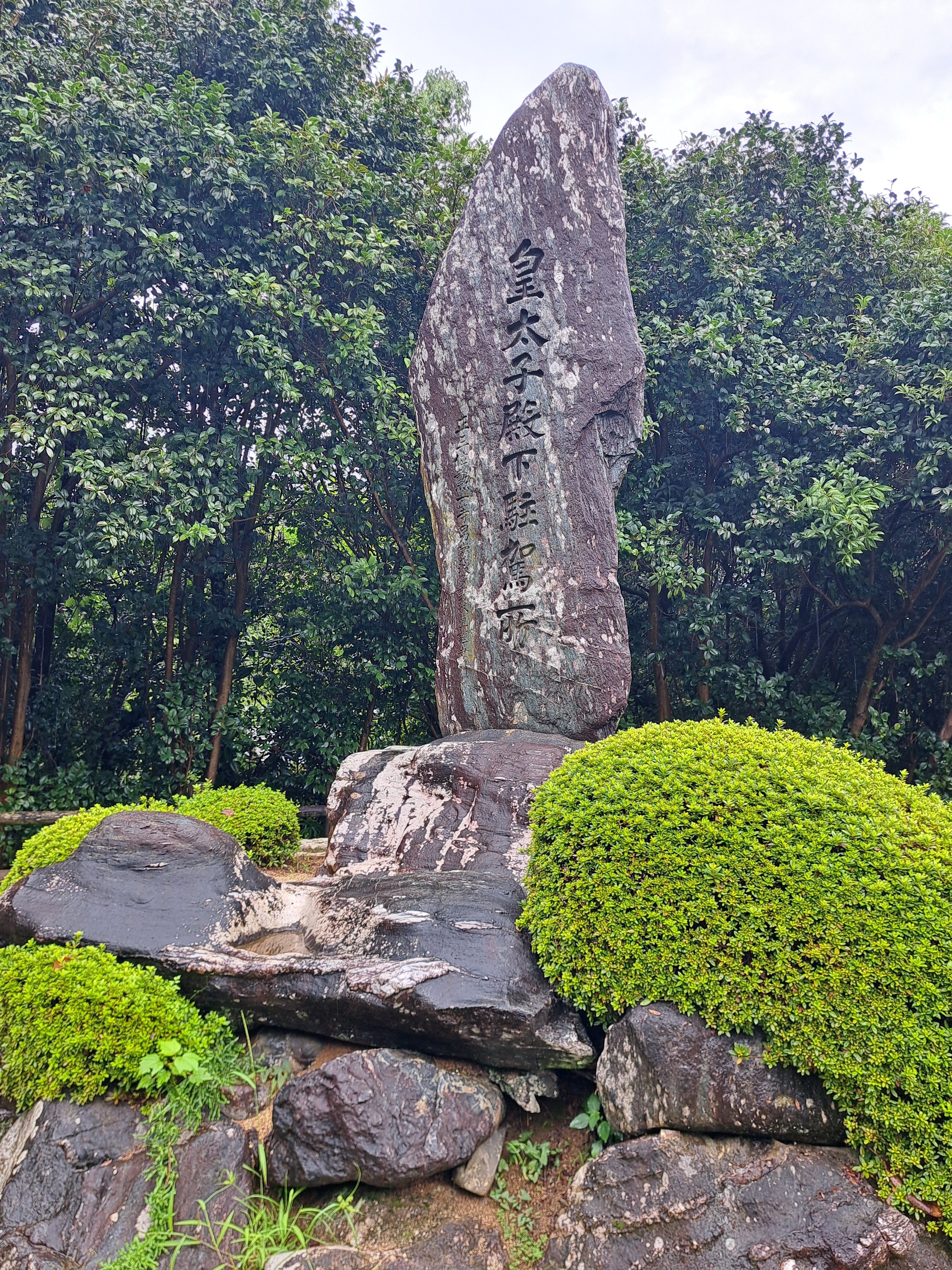
Monument to the Crown Prince's Visit
A stone monument within Dogo Park. This monument, indicating "Chugasho" (a place where the Crown Prince stopped), can be seen while strolling around the park.
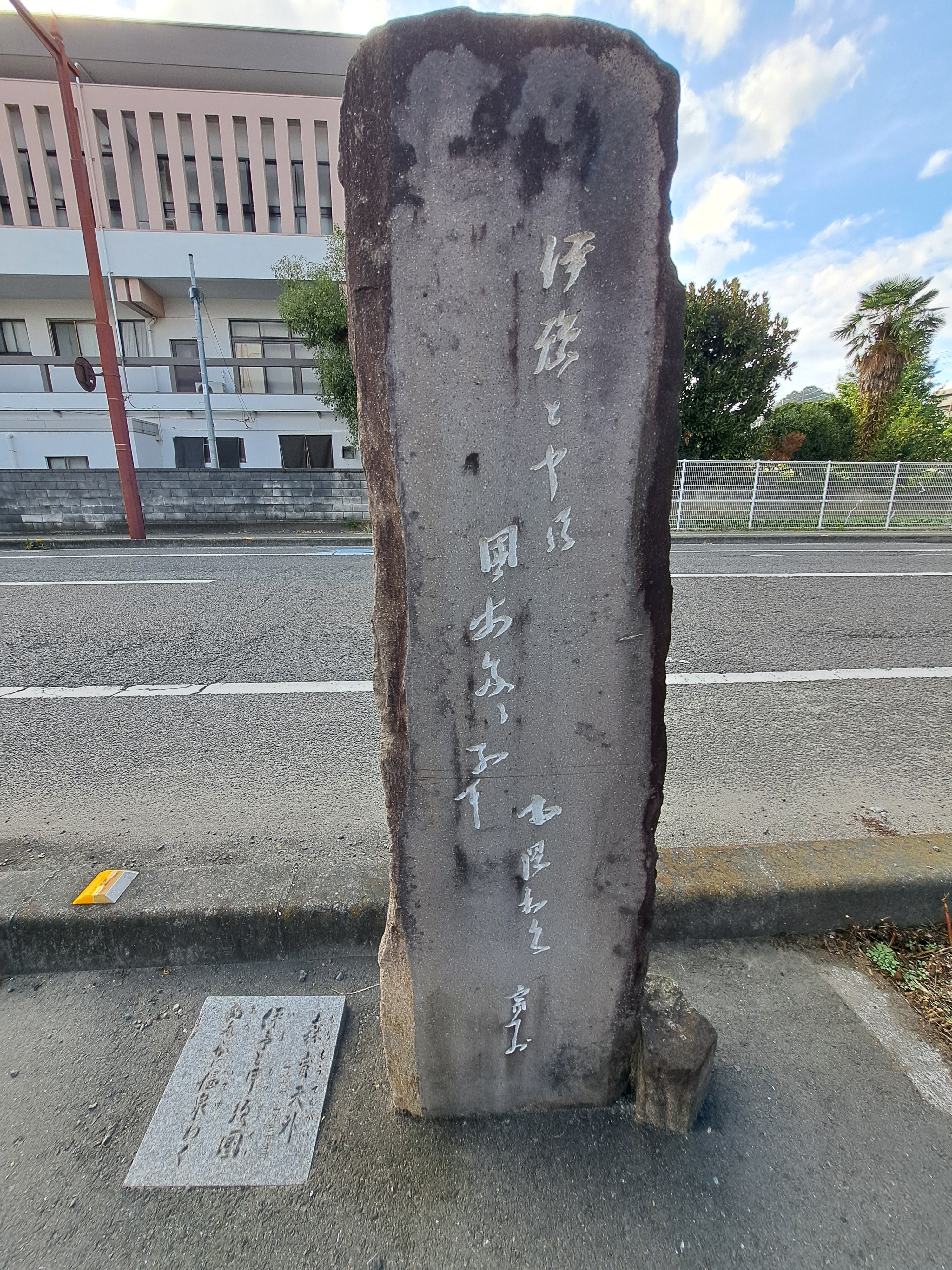
Mori Motengai Haiku Monument (Path of Haiku)
A haiku monument to Mori Motengai on the Dogo-Kitamachi side of the "Path of Haiku" in Dogo (the street east of the Ehime Prefectural Culture Hall). It is inscribed with the haiku "伊予と申す国あたゝかに温泉わく".
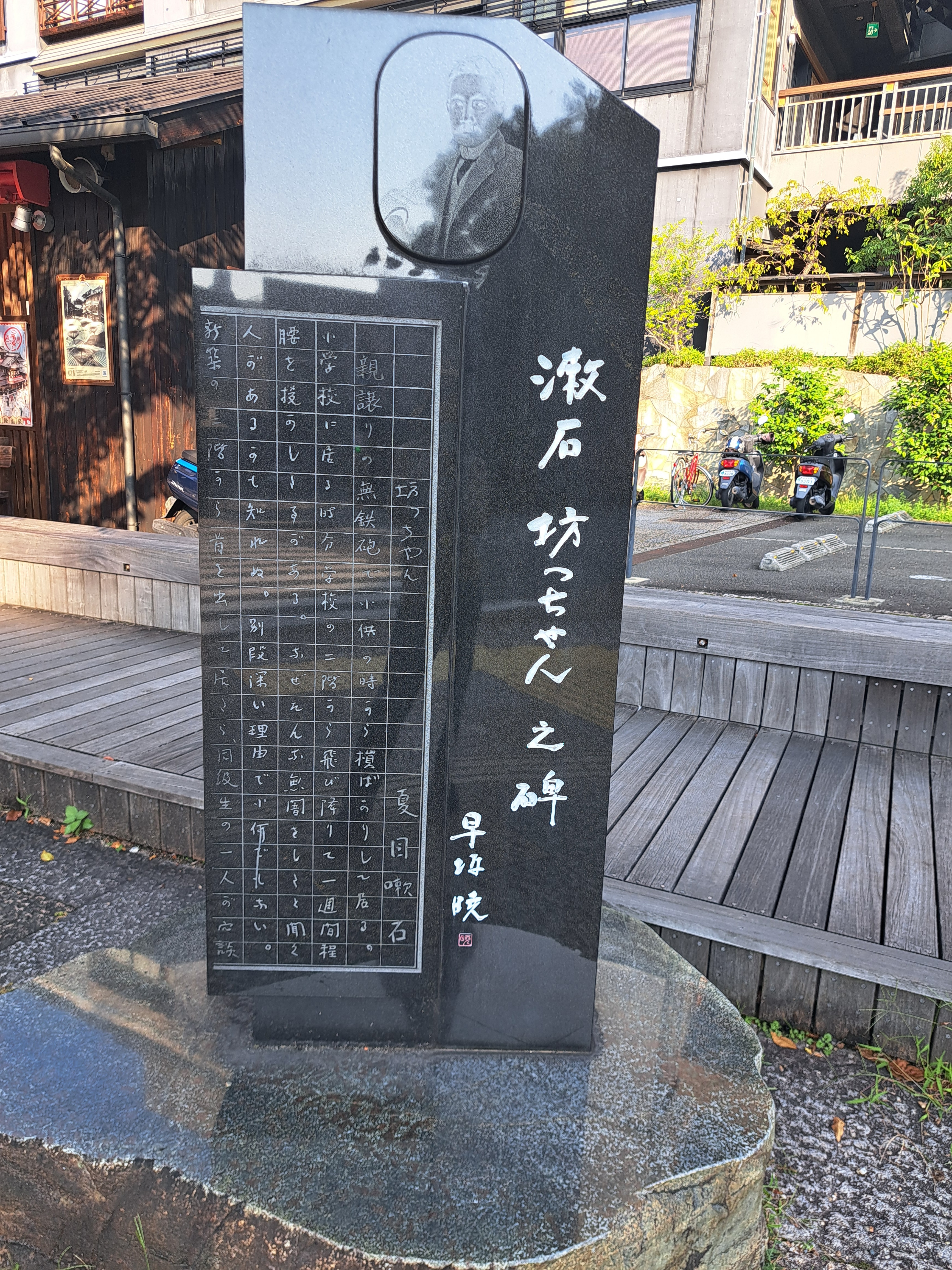
Soseki Botchan Monument
A stone monument to Natsume Soseki's novel "Botchan" on the east side of Dogo Onsen Honkan, set up in 2006 for the 100th anniversary of the novel.
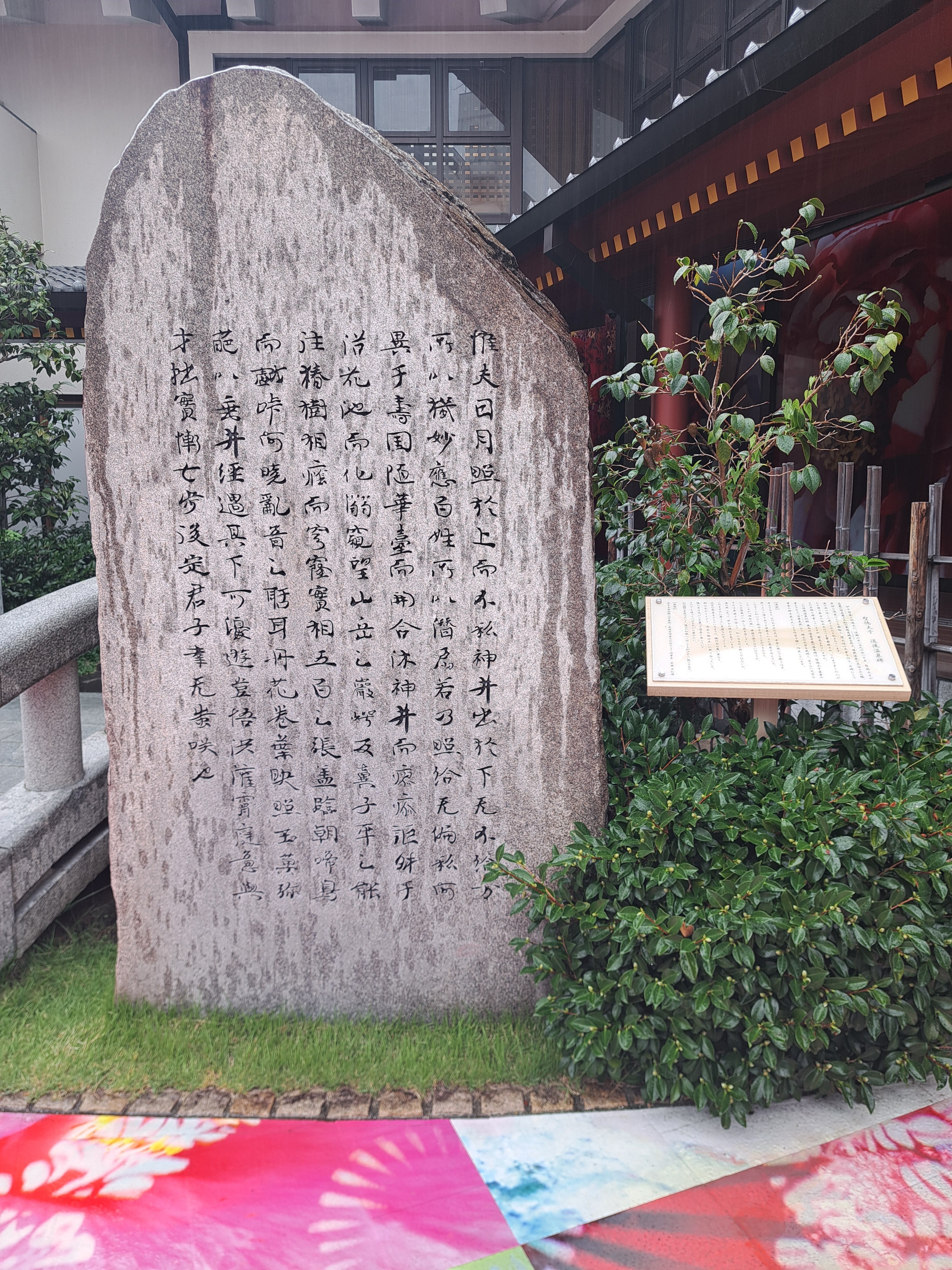
Iyo Yuoka Monument (Replica)
A hot-spring monument in the courtyard of Dogo Onsen Annex Asuka-no-Yu-Zen. Inspired by the Iyo Yuoka Monument, said to record Prince Shotoku's visit to the spa, its inscription is rendered in the script of the "Hokke Gisho".