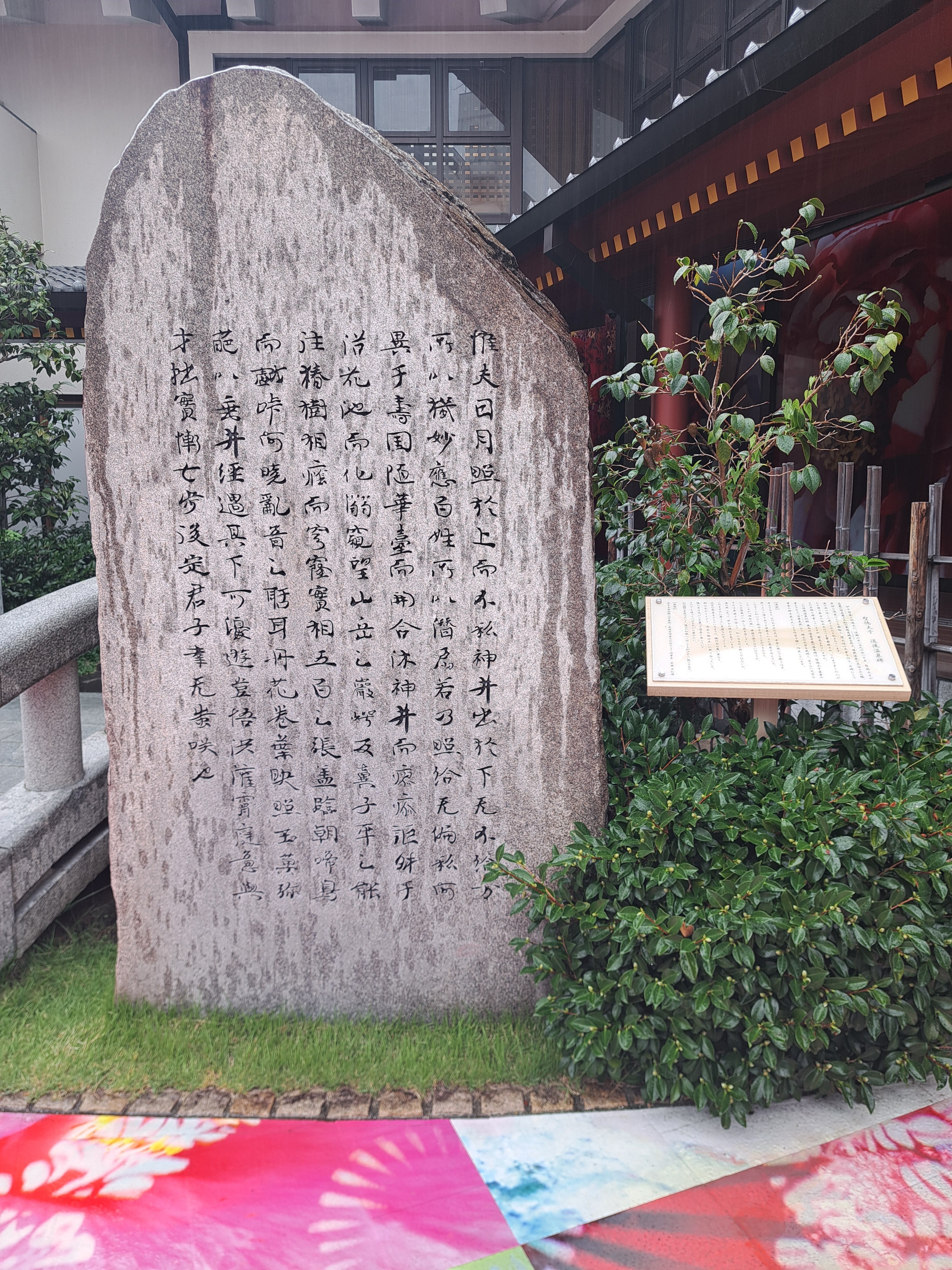
Iyo Yuoka Monument (Replica)
A hot-spring monument in the courtyard of Dogo Onsen Annex Asuka-no-Yu-Zen. Inspired by the Iyo Yuoka Monument, said to record Prince Shotoku's visit to the spa, its inscription is rendered in the script of the "Hokke Gisho".
The Iyo Yuoka Monument (Iyo no Yuoka no Hi) is a hot-spring monument in the courtyard of Dogo Onsen Annex Asuka-no-Yu-Zen. According to the City of Matsuyama, the courtyard of Asuka-no-Yu-Zen has a hot-spring monument expressed in the characters of the "Hokke Gisho", said to be in the hand of Prince Shotoku himself. Asuka-no-Yu-Zen opened in December 2017 (Heisei 29).
Origin
There is a tradition that when Prince Shotoku visited the waters of Dogo, an inscription describing the occasion was set up on the hill of Yu no Oka. The original monument no longer exists, and its text has been handed down as a fragment of the "Iyo no Kuni Fudoki" quoted in the "Shaku Nihongi". The monument in the courtyard renders the text of this tradition in a script associated with the Prince.
Dogo Onsen is said to be one of Japan's three oldest hot springs, and the waters of Dogo are sung of in Book 1 of the "Man'yoshu". The name Asuka-no-Yu-Zen also comes from the tradition of visits by Prince Shotoku and others.
Source: City of Matsuyama, "Historic Dogo Onsen" https://www.city.matsuyama.ehime.jp/kanko/kankoguide/kankomeisho/dogoonsen/rekisiarudogoonsen.html / Dogo Onsen official website https://dogo.jp/onsen/asuka / "Iyo Yuoka Monument" Wikipedia (CC BY-SA) Last confirmed: October 5, 2026
More spots in Central Dogo Onsen Area
See all in this area →Yaya Dining
The breakfast-focused restaurant of Hotel Dogo Yaya. It serves a buffet of local produce, including mandarin juice poured from a tap.
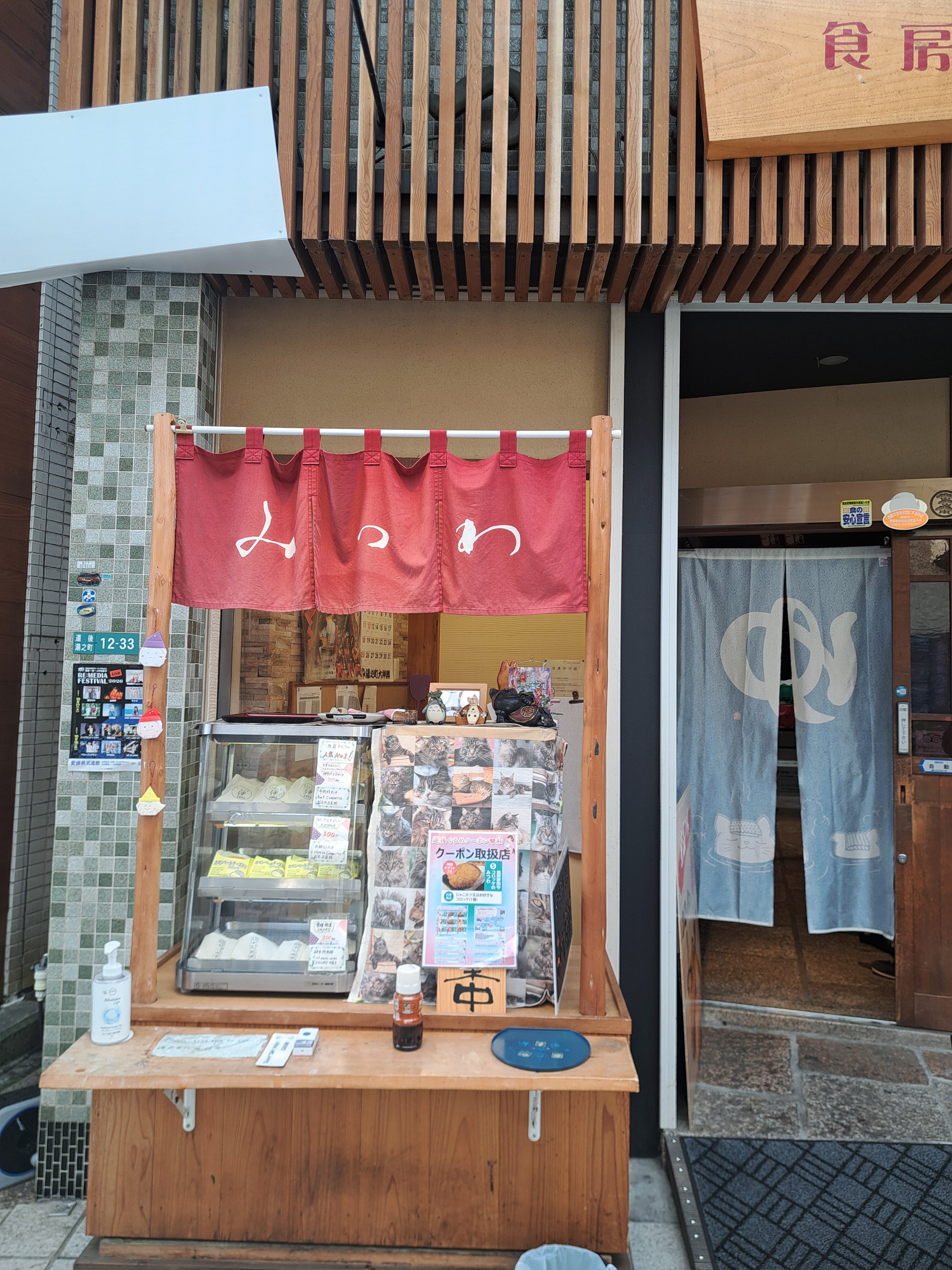
Croquette no Mitsuwa
Croquette no Mitsuwa is a takeout shop in the Dogo Onsen district. It offers fried foods such as croquettes and jaco katsu for visitors to eat while walking.
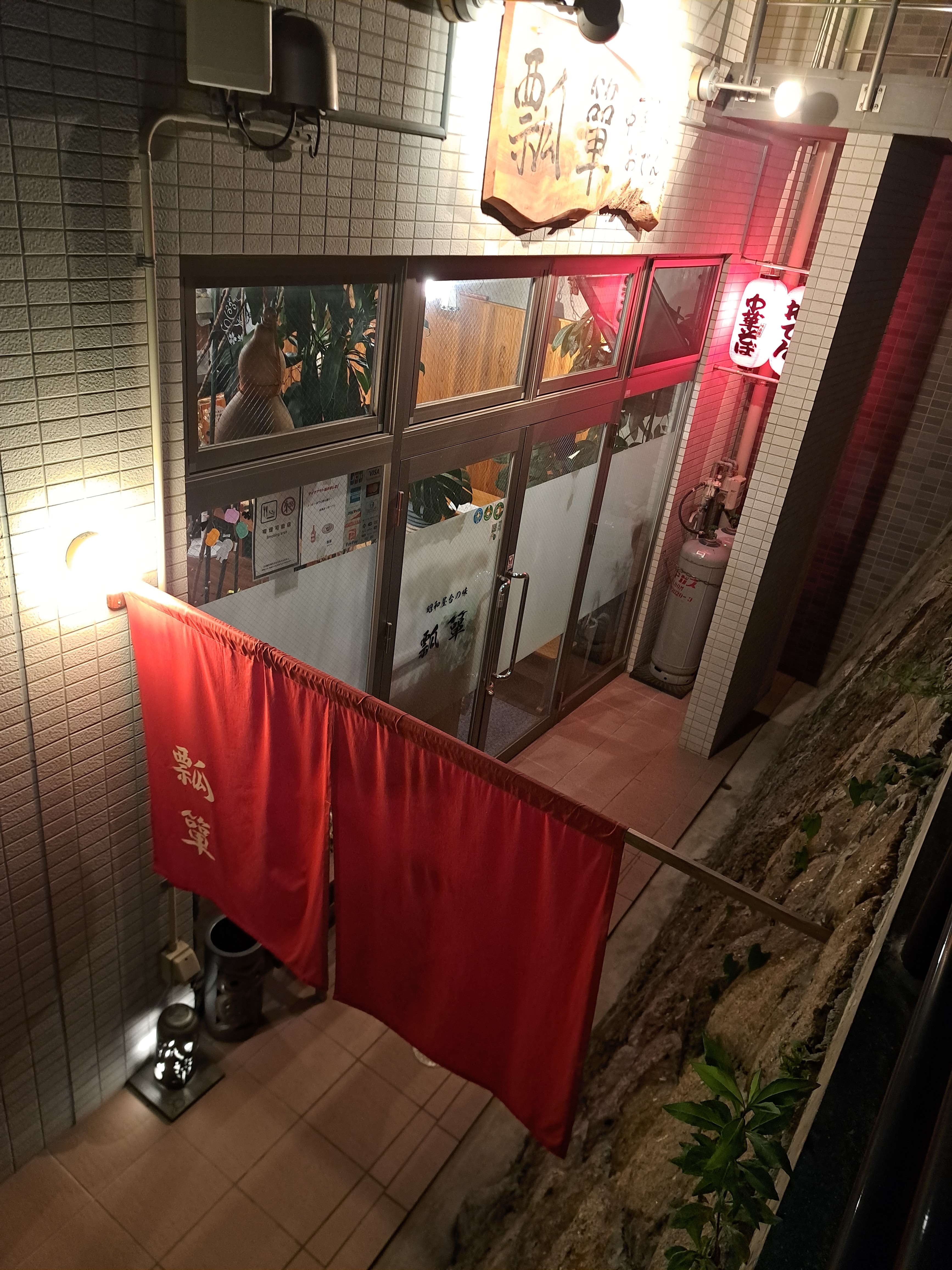
Hyotan Dogo
Established in 1980, this is a restaurant specializing in Chinese ramen and oden. It is considered the originator of Matsuyama’s local ramen, Hyotan Dogo.
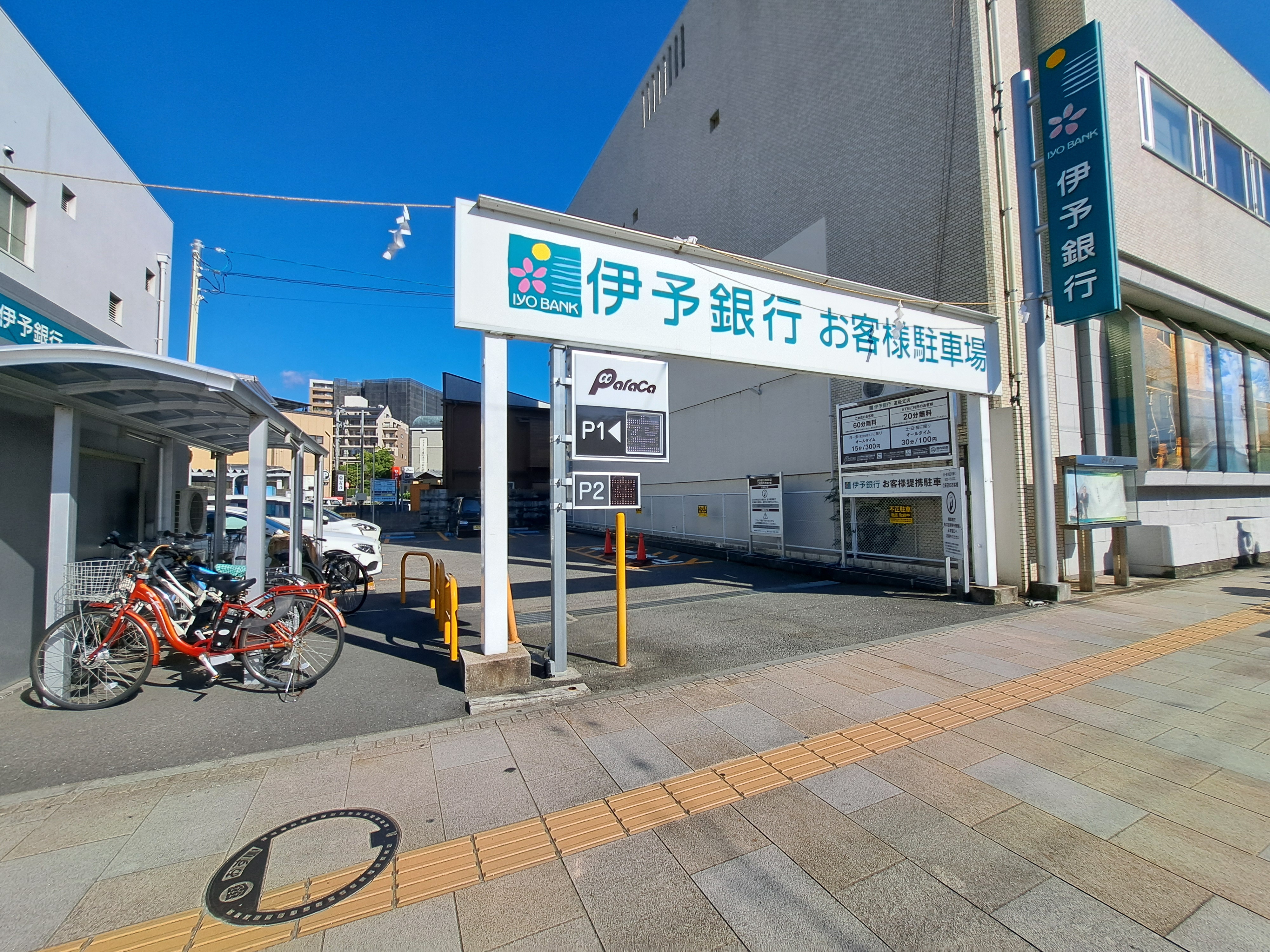
Paraca Iyobank Dogo Parking
A coin parking lot (Paraca) on bank premises, open to the public.
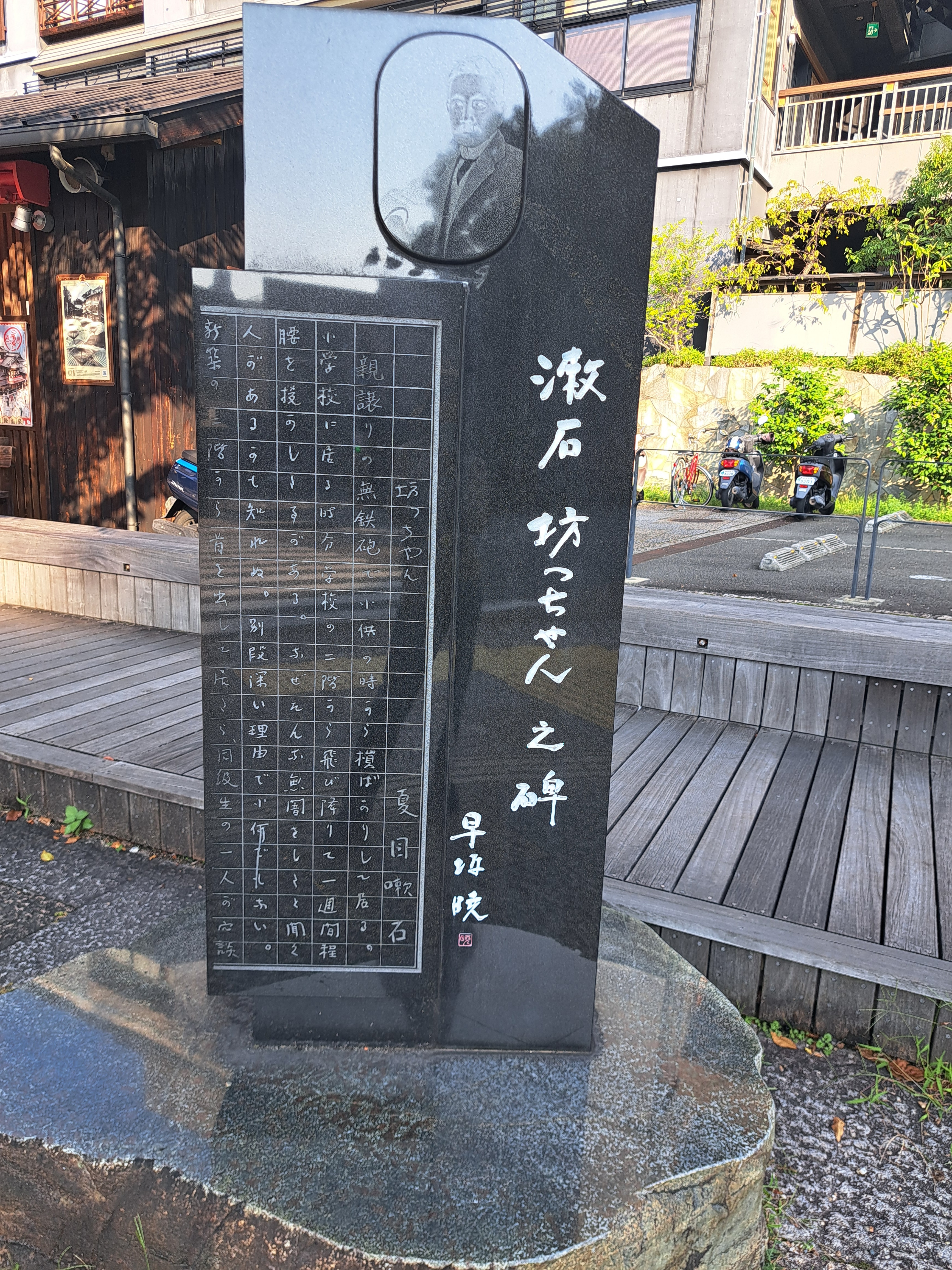
Soseki Botchan Monument
A stone monument to Natsume Soseki's novel "Botchan" on the east side of Dogo Onsen Honkan, set up in 2006 for the 100th anniversary of the novel.
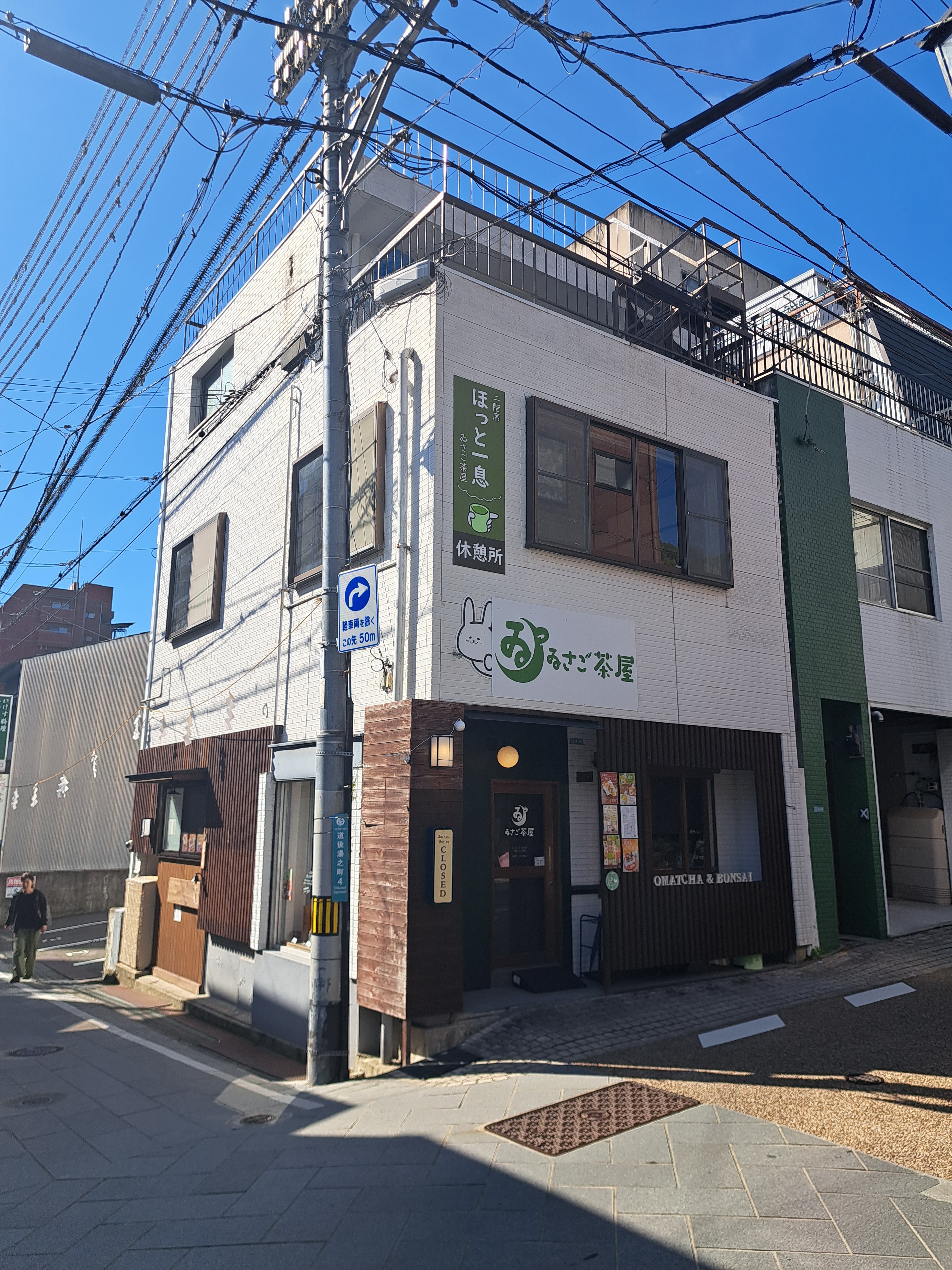
Isago Chaya
A Japanese-style cafe that opened in April 2026 near the stone steps of Isaniwa Shrine. It serves tai-meshi chazuke and Japanese tea.
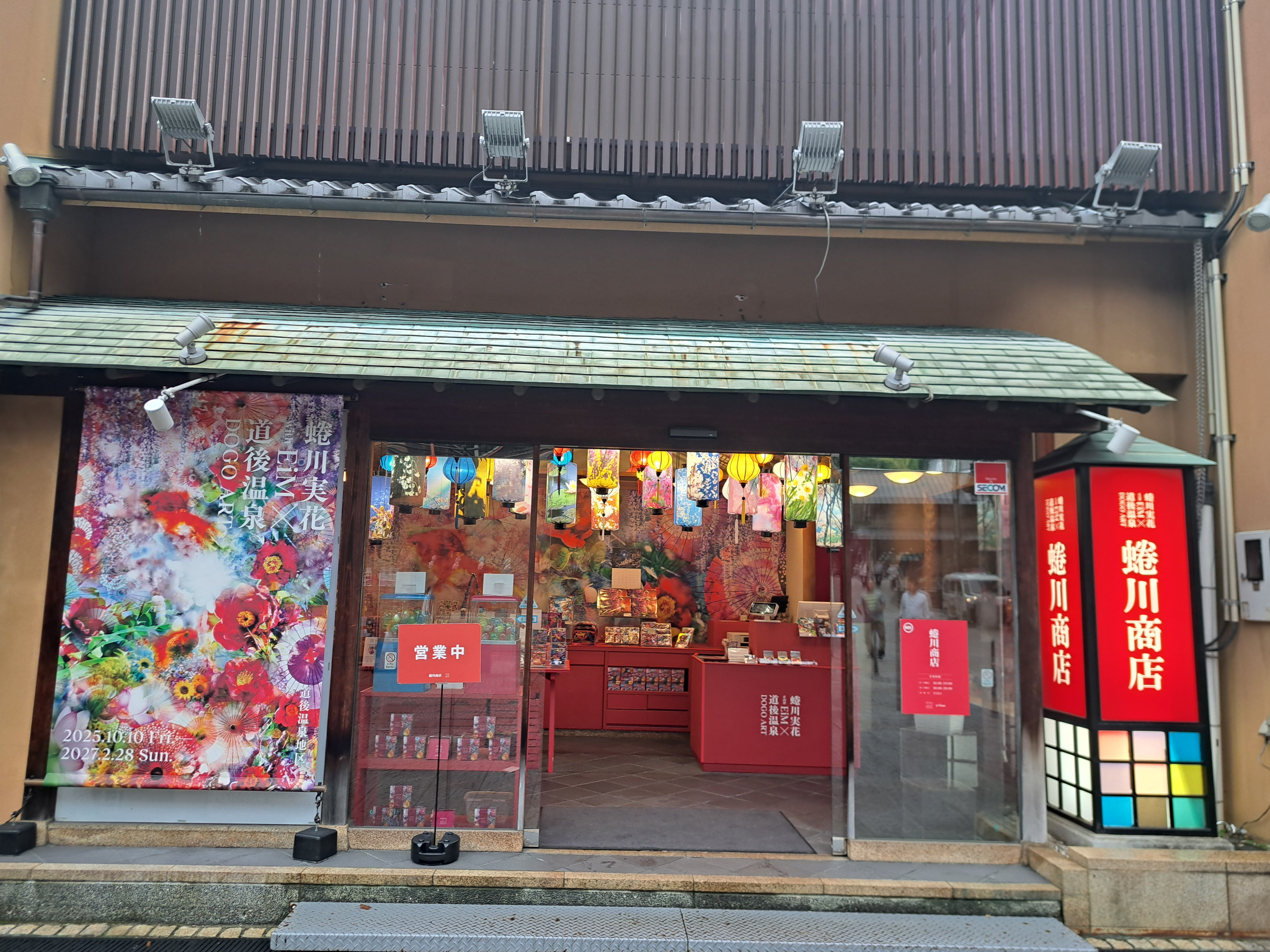
Ninagawa Shoten
The official shop for "Mika Ninagawa with EiM × Dogo Onsen DOGO ART." Located in front of Dogo Onsen Honkan, it offers Dogo Art collaboration merchandise and Mika Ninagawa original goods.
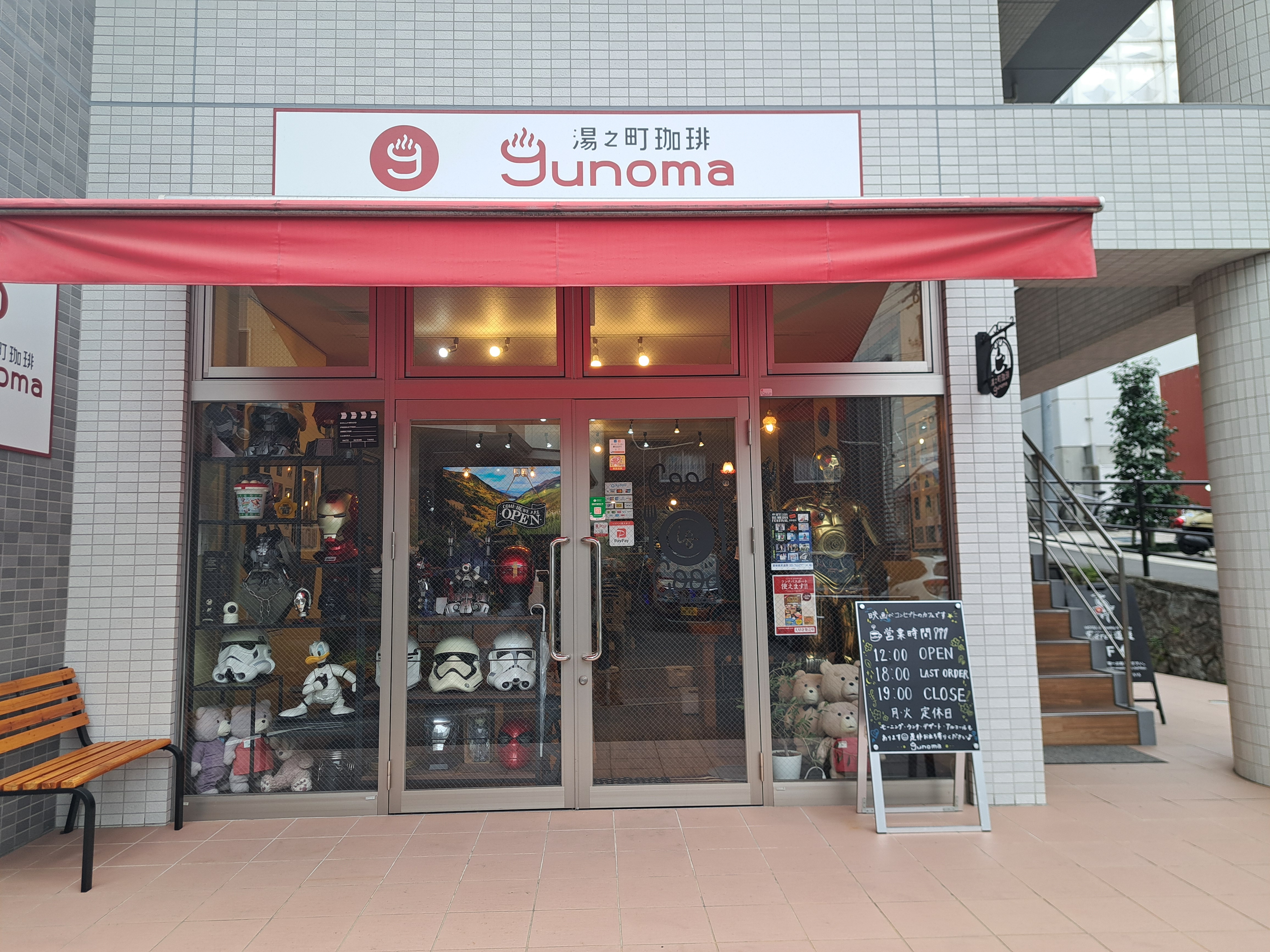
Yunomachi Coffee Yunoma
A café inside Egret Dogo. The board outside lists 12:00–19:00 (last order 18:00), closed Mondays and Tuesdays.
More "Stone Monuments & Poem Steles" spots
See all in this category →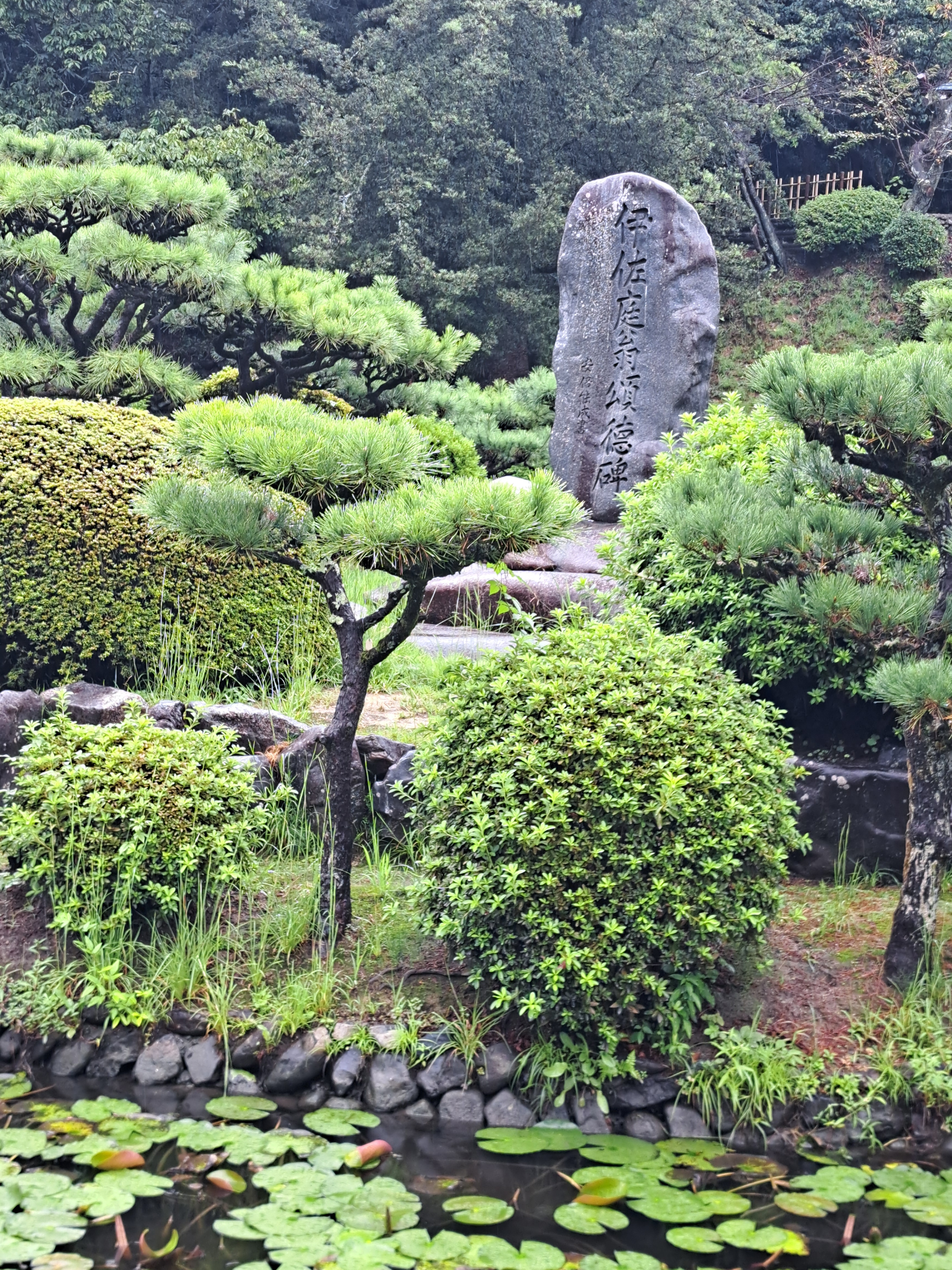
Monument to the Merits of Isaniwa
A monument in Dogo Park. It honours Isaniwa Yukiya, the first mayor of Dogo Yunomachi, who led the 1894 (Meiji 27) rebuilding of Dogo Onsen Honkan. The Honkan is a nationally designated Important Cultural Property.
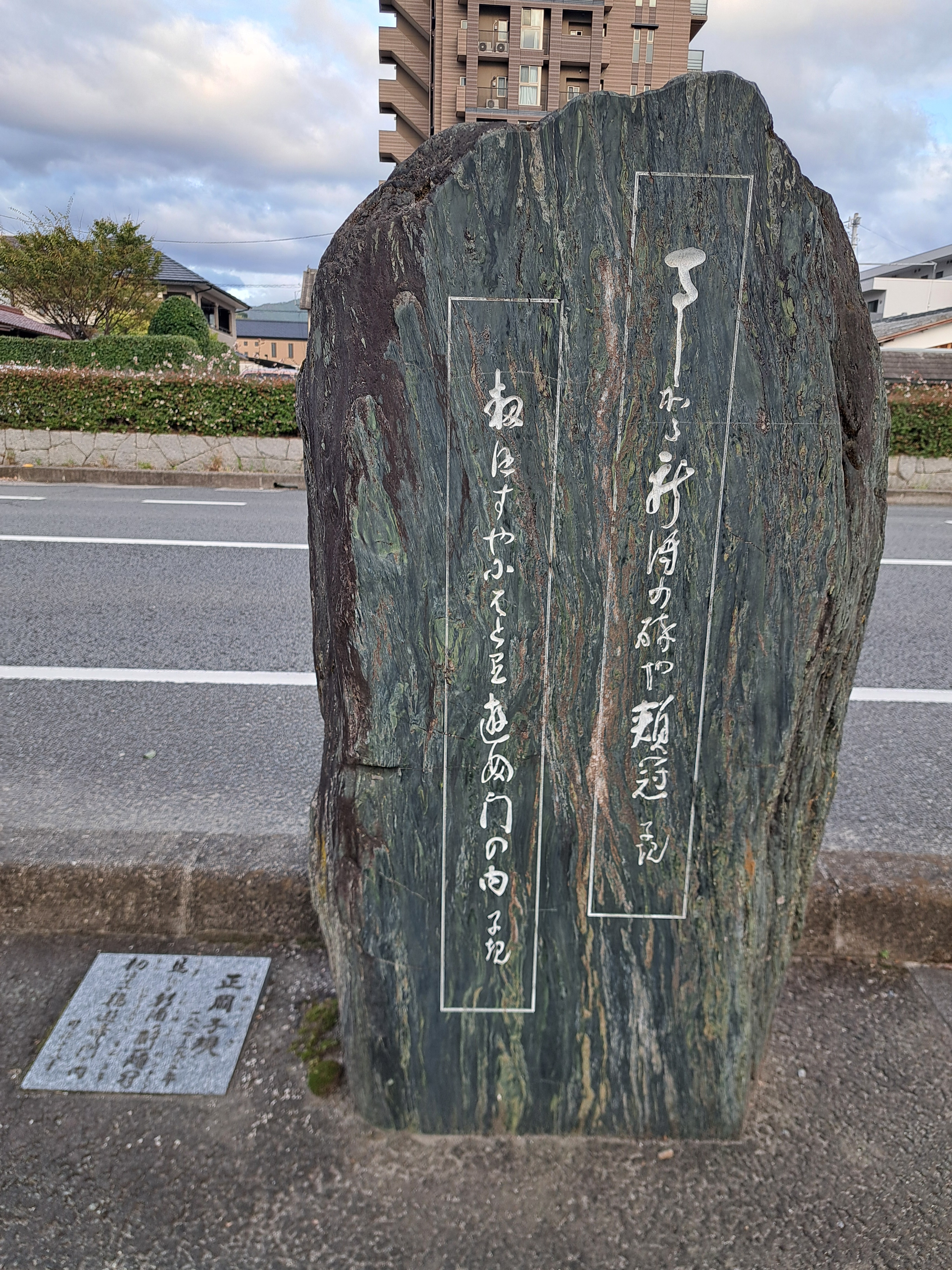
Masaoka Shiki Haiku Monument "Momi hosu ya" (Path of Haiku)
A haiku monument to Masaoka Shiki on the Dogo-machi 2-chome side of the "Path of Haiku" in Dogo (the street east of the Ehime Prefectural Culture Hall). It is inscribed with the haiku "籾ほすやにわとり遊ふ門の内".
Taneda Santoka Haiku Monument (Choken-ji Temple)
A haiku monument at Choken-ji Temple in Miyuki, Matsuyama. It commemorates Taneda Santoka (1882–1940), a poet of free-form haiku. Santoka spent his final years at the hermitage Isso-an in Matsuyama, where he died.
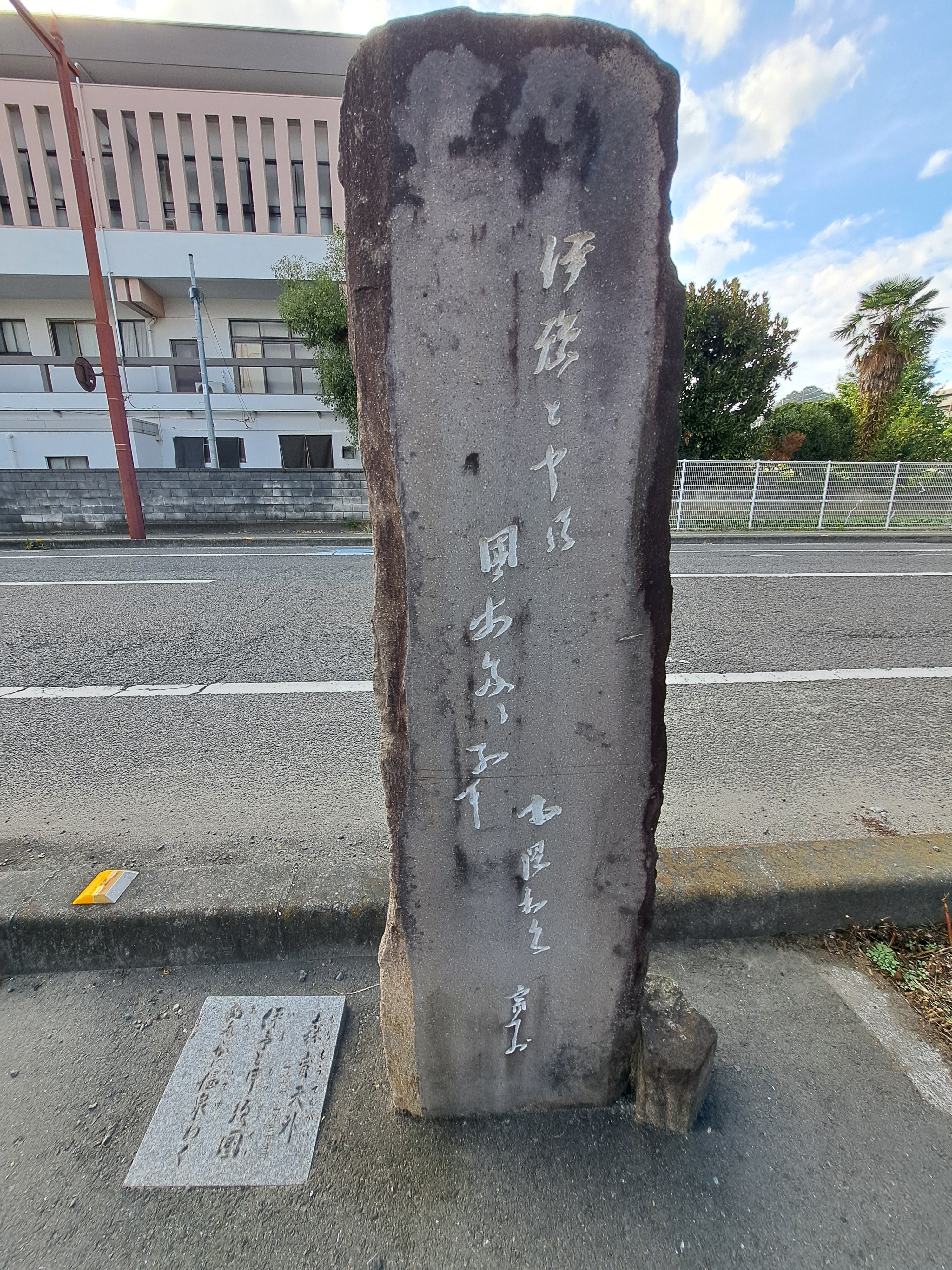
Mori Motengai Haiku Monument (Path of Haiku)
A haiku monument to Mori Motengai on the Dogo-Kitamachi side of the "Path of Haiku" in Dogo (the street east of the Ehime Prefectural Culture Hall). It is inscribed with the haiku "伊予と申す国あたゝかに温泉わく".
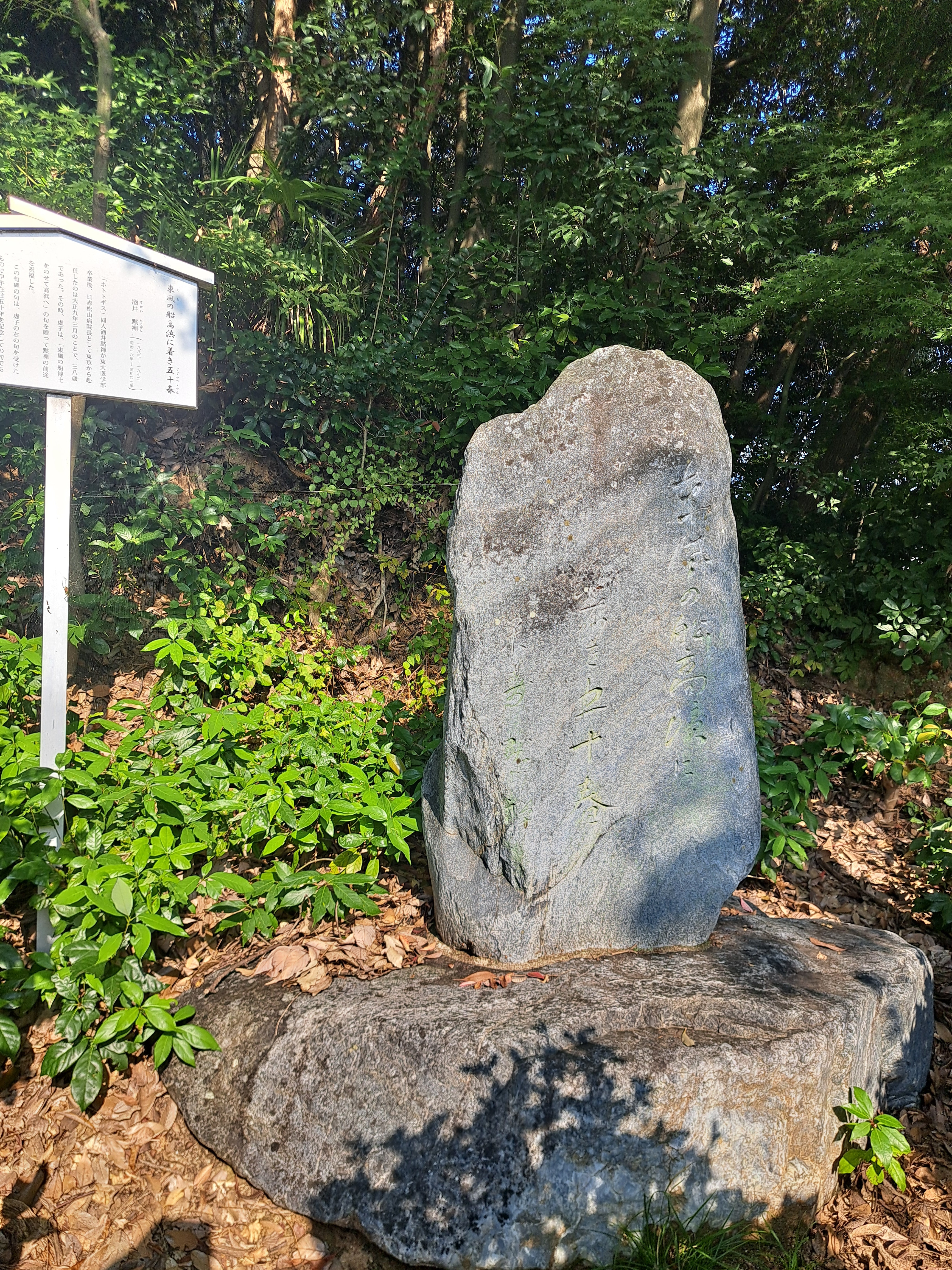
Sakai Mokuzen Haiku Monument (Matsuyama Shrine)
A haiku monument for Sakai Mokuzen on the right side of the approach to Matsuyama Shrine. It is inscribed with "Kochi no fune Takahama ni tsuki gojuharu" and was erected in 1972 (Showa 47).
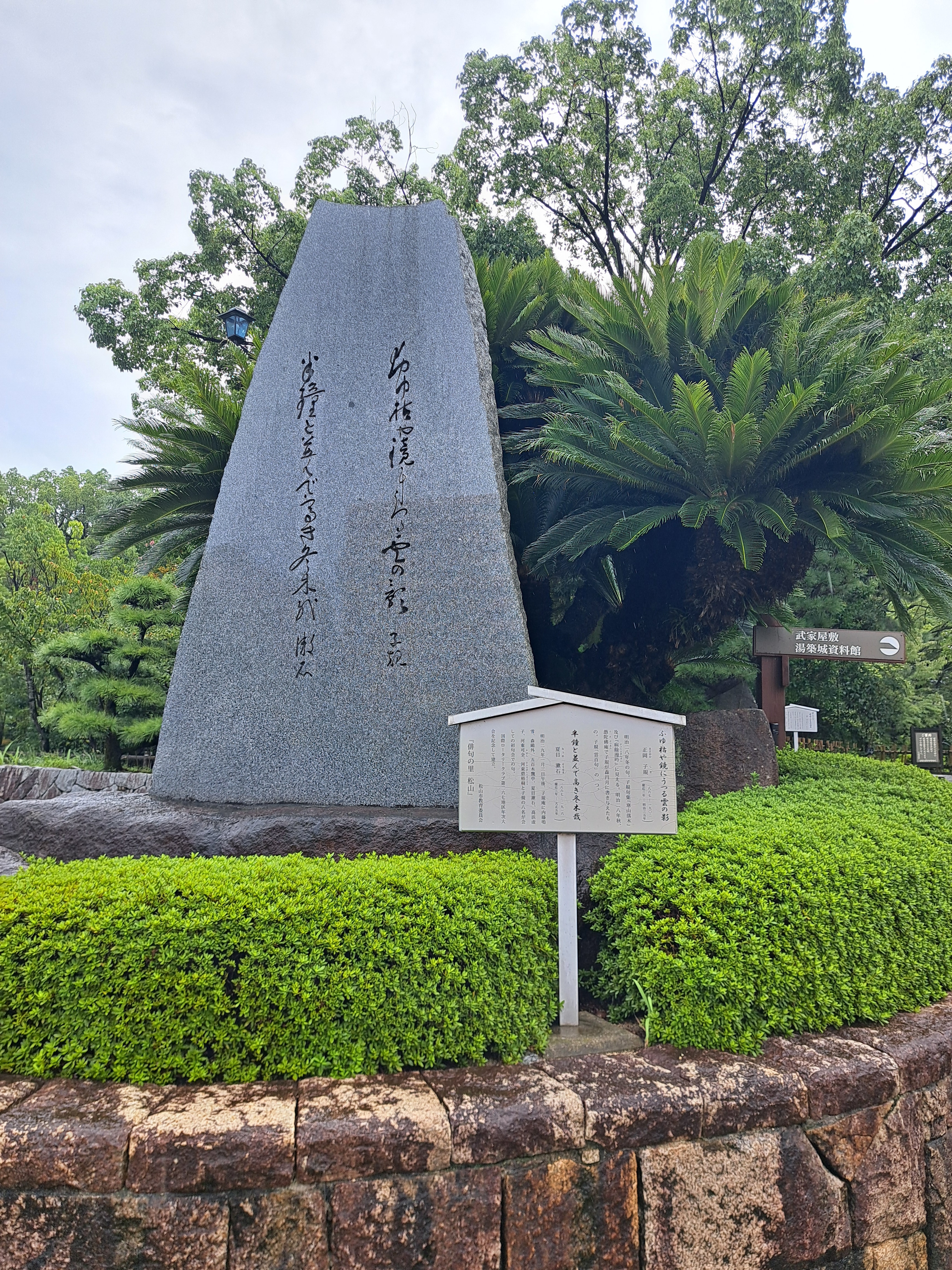
Natsume Soseki Haiku Monument
A haiku monument at the north entrance of Dogo Park. It carries Natsume Soseki's "Hansho to narande takaki fuyuki kana" side by side with a verse by Masaoka Shiki, and was erected in 1986 (Showa 61).
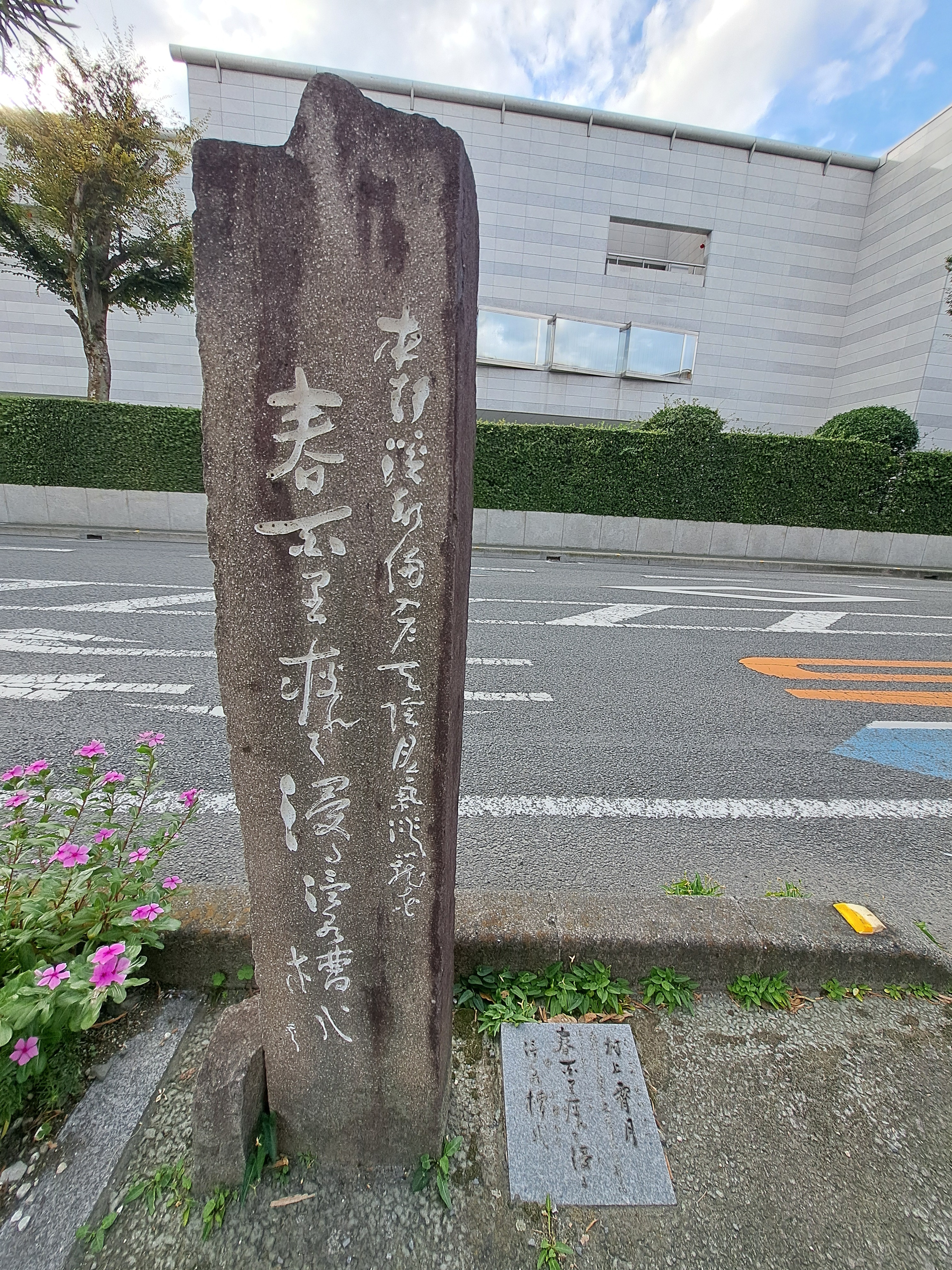
Murakami Seigetsu Haiku Monument (Path of Haiku)
A haiku monument to Murakami Seigetsu on the Dogo-machi 2-chome side of the "Path of Haiku" in Dogo (the street east of the Ehime Prefectural Culture Hall). It is inscribed with the haiku "春百里疲れて浸る温泉槽哉".
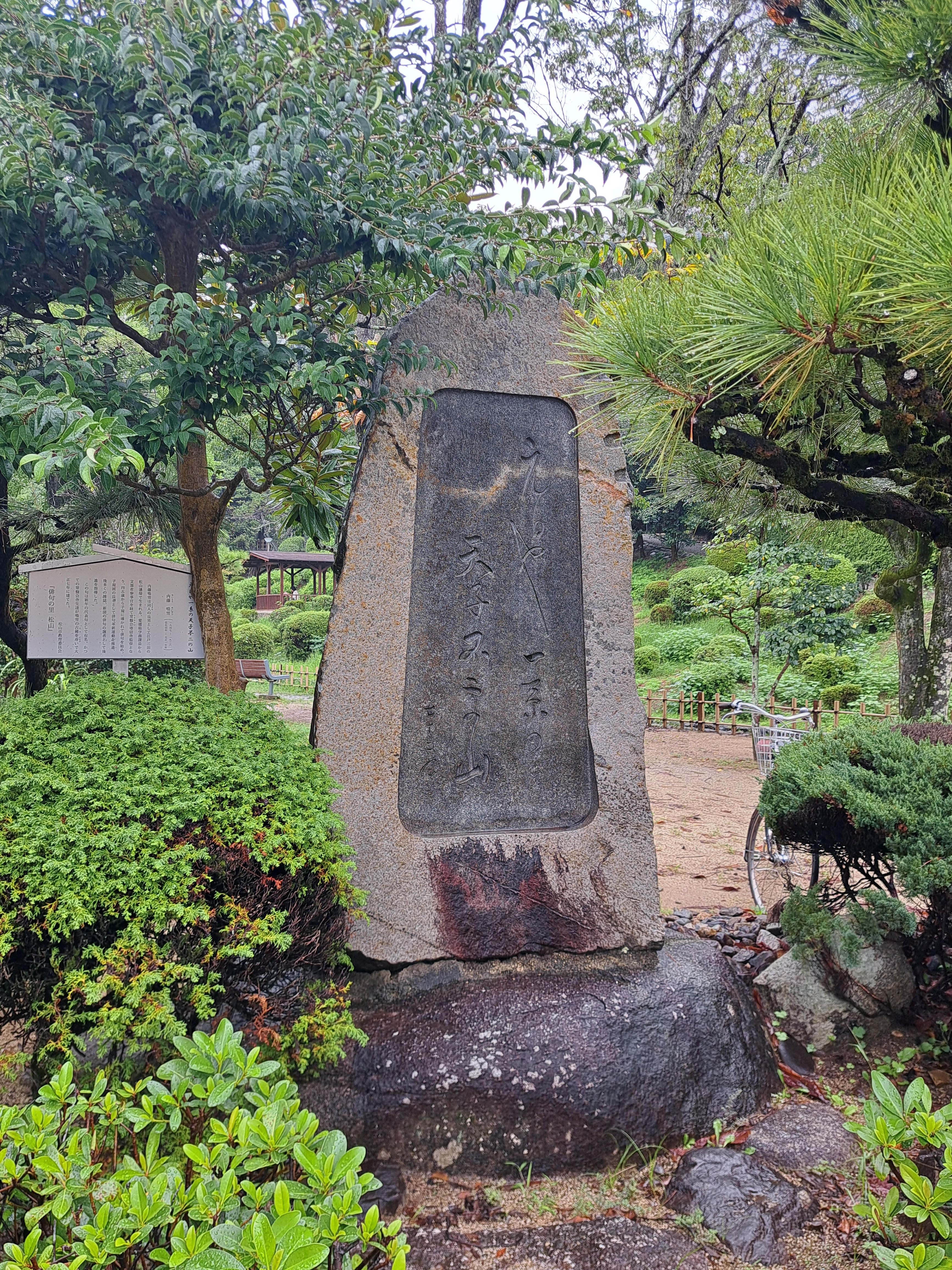
Naito Meisetsu Haiku Monument
This haiku monument is in Dogo Park. It is inscribed with the verse "Mottozu ya itsuika no tenzi futai no yama". In 1918, former dormitory residents erected it as a longevity monument to celebrate the long life of the poet Naito Meisetsu (1847–1926).