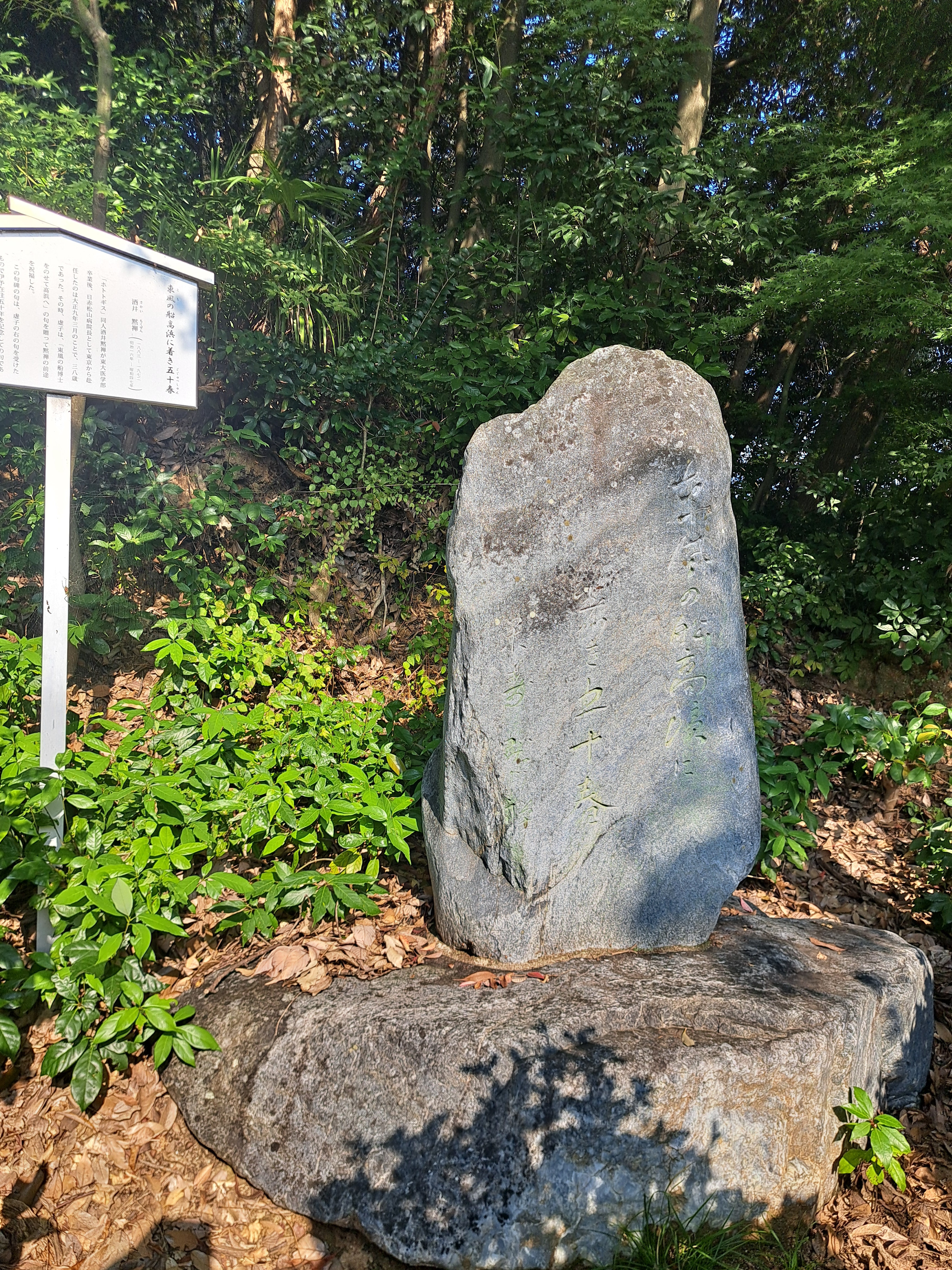
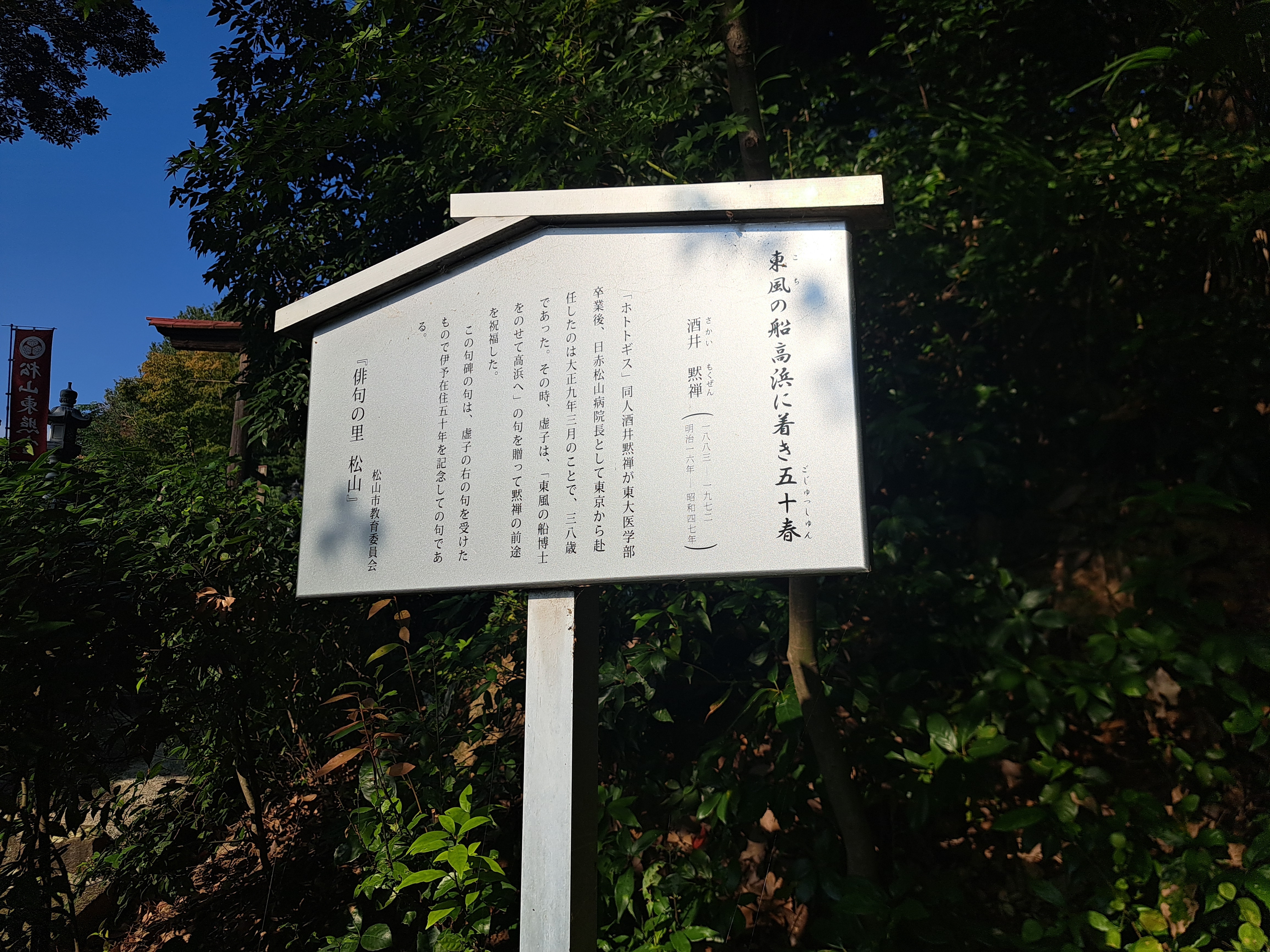
Sakai Mokuzen Haiku Monument (Matsuyama Shrine)
A haiku monument for Sakai Mokuzen on the right side of the approach to Matsuyama Shrine. It is inscribed with "Kochi no fune Takahama ni tsuki gojuharu" and was erected in 1972 (Showa 47).
The Sakai Mokuzen Haiku Monument at Matsuyama Shrine stands on the right side of the approach to Matsuyama Shrine in Iwaidani-higashimachi, Matsuyama. It is inscribed with the verse "Kochi no fune Takahama ni tsuki gojuharu" and was erected on March 15, 1972 (Showa 47).
Sakai Mokuzen was a haiku poet with ties to Matsuyama, and he also wrote the characters on the Kobayashi Issa haiku monument at the north entrance of Dogo Park. There is also a Mokuzen monument at the Iwaidani branch of the Dogo Community Center in Iwaidani 5-chome, and all of these are included in "Ehime no Kuhi" of the Matsuyama Shiki Memorial Museum.
Matsuyama is known as a "town of haiku", having produced many haiku poets beginning with Masaoka Shiki, and haiku monuments remain at shrines, parks and other places around the city. You can see this one when you visit Matsuyama Shrine.
Source: Matsuyama Shiki Memorial Museum, "Ehime no Kuhi" http://www.haiku-matsuyama.jp/dogo/252/ Last confirmed: October 5, 2026
More spots in North Dogo Area
See all in this area →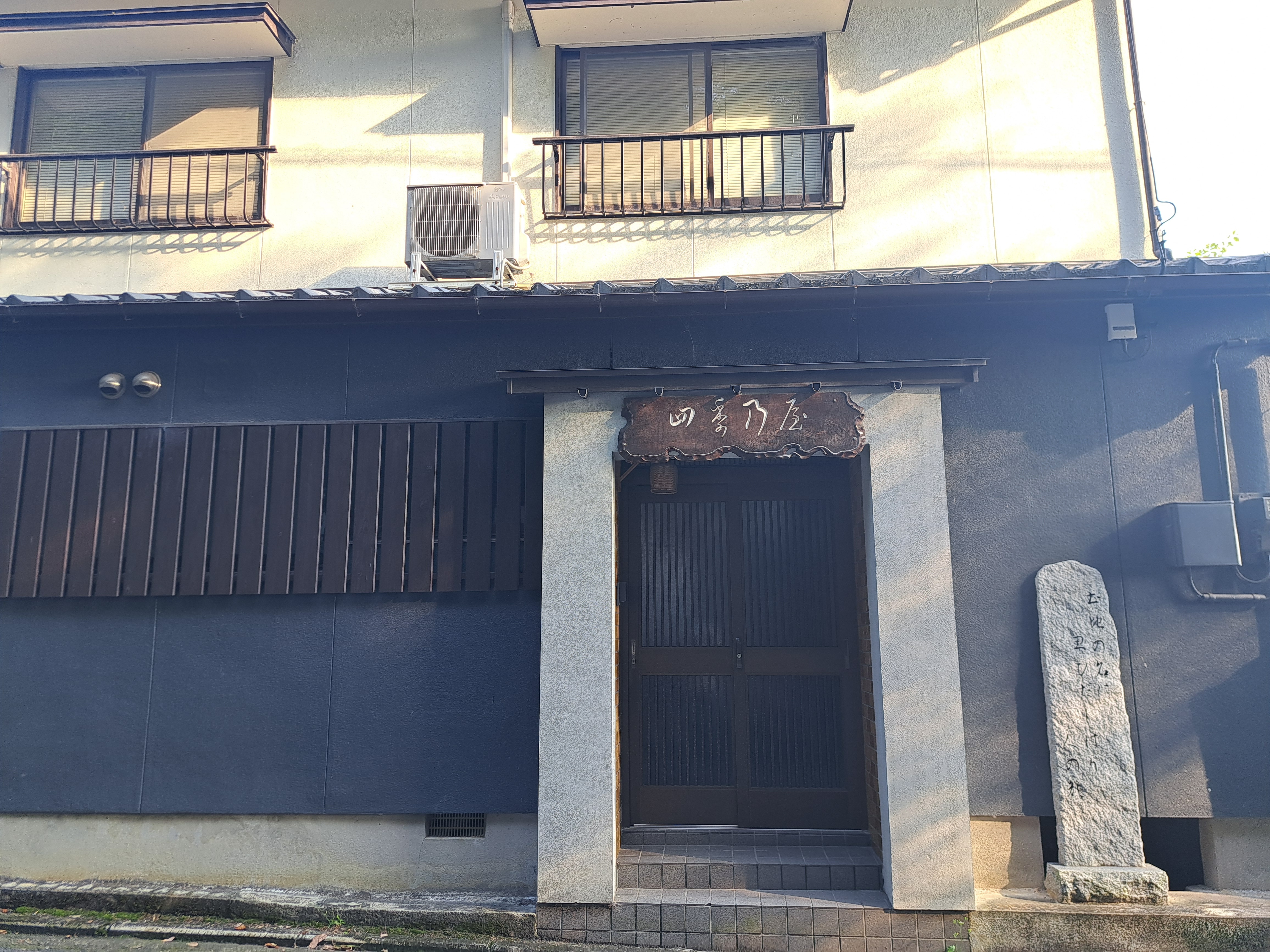
Shikinoya
An inn at Iwaidani-machi 1-7-13. The sign reads "四季乃屋". Next to Matsuyama Toshogu (Matsuyama Shrine). Listed on booking sites as "道後四季乃屋".
Mausoleum of Matsudaira Sadayuki
The mausoleum of Matsudaira Sadayuki (1587–1668), the first lord of the Matsuyama Domain, located within the grounds of Joshin-ji Temple. It is a designated historic site of Ehime Prefecture. Sadayuki entered Matsuyama in 1635 (Kan'ei 12) and rebuilt the keep of Matsuyama Castle into three tiers.
Dogo Onsen Iwaidani Higashimachi Parking
A municipal parking area open 24 hours a day. The first hour is free for everyone. Capacity is 43 vehicles.
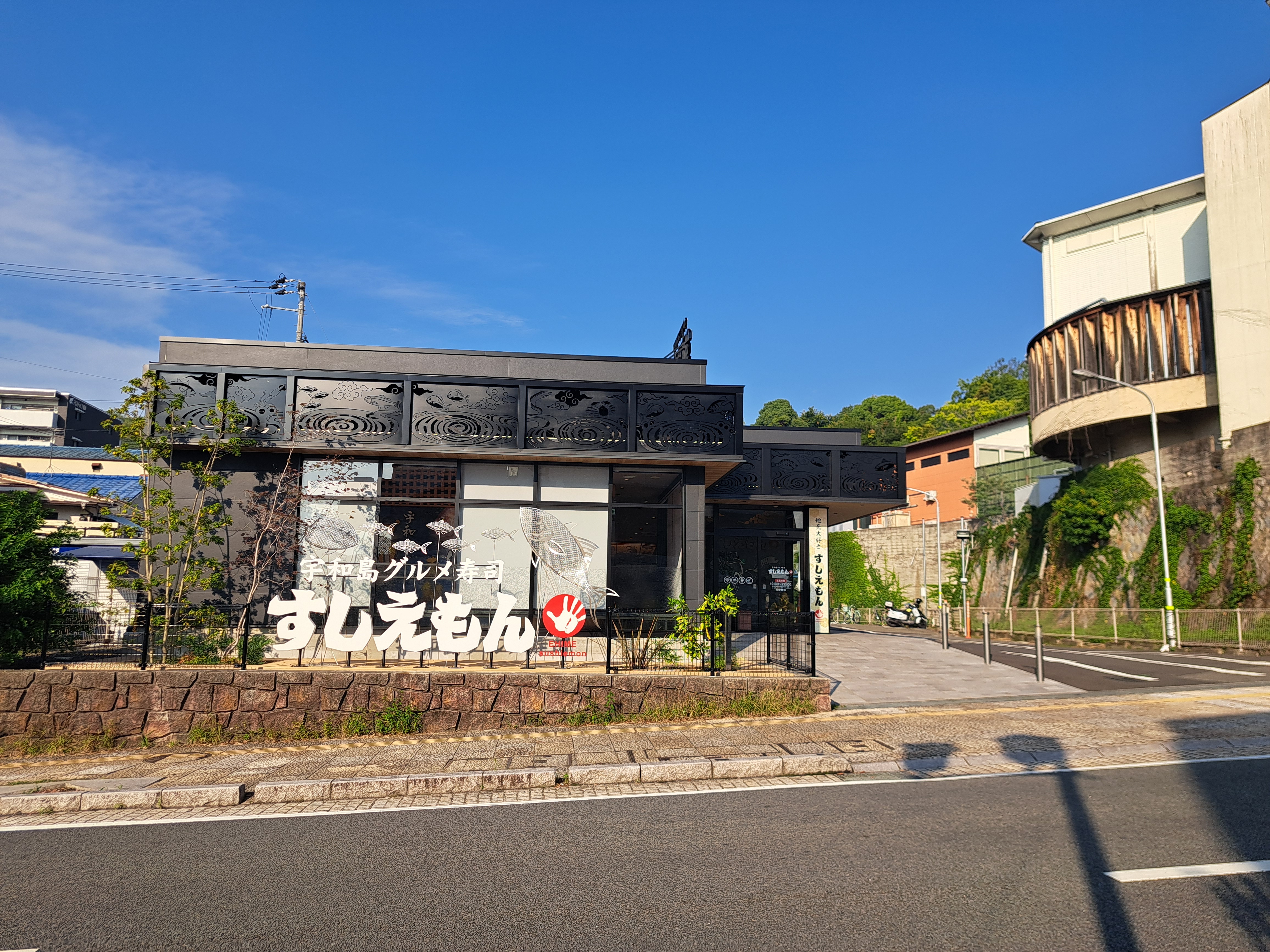
Sushiemon Dogo
A revolving sushi restaurant that opened in March 2026. It is located in the Iwaidani area, east of Dogo Onsen.
Myosei-ji Temple
A Nichiren sect temple located in Yamada-cho Otsu, Matsuyama City. The mountain name is Jueizan. Within the grounds, there is the grave of Yanagihara Kyokudo, a haiku poet who founded the haiku magazine "Hototogisu".
Iris Pharmacy Iwaidani
Iris Pharmacy Iwai Dani is a pharmacy centered on prescription dispensing, which can be used in conjunction with facilities in the Iwaidani area.
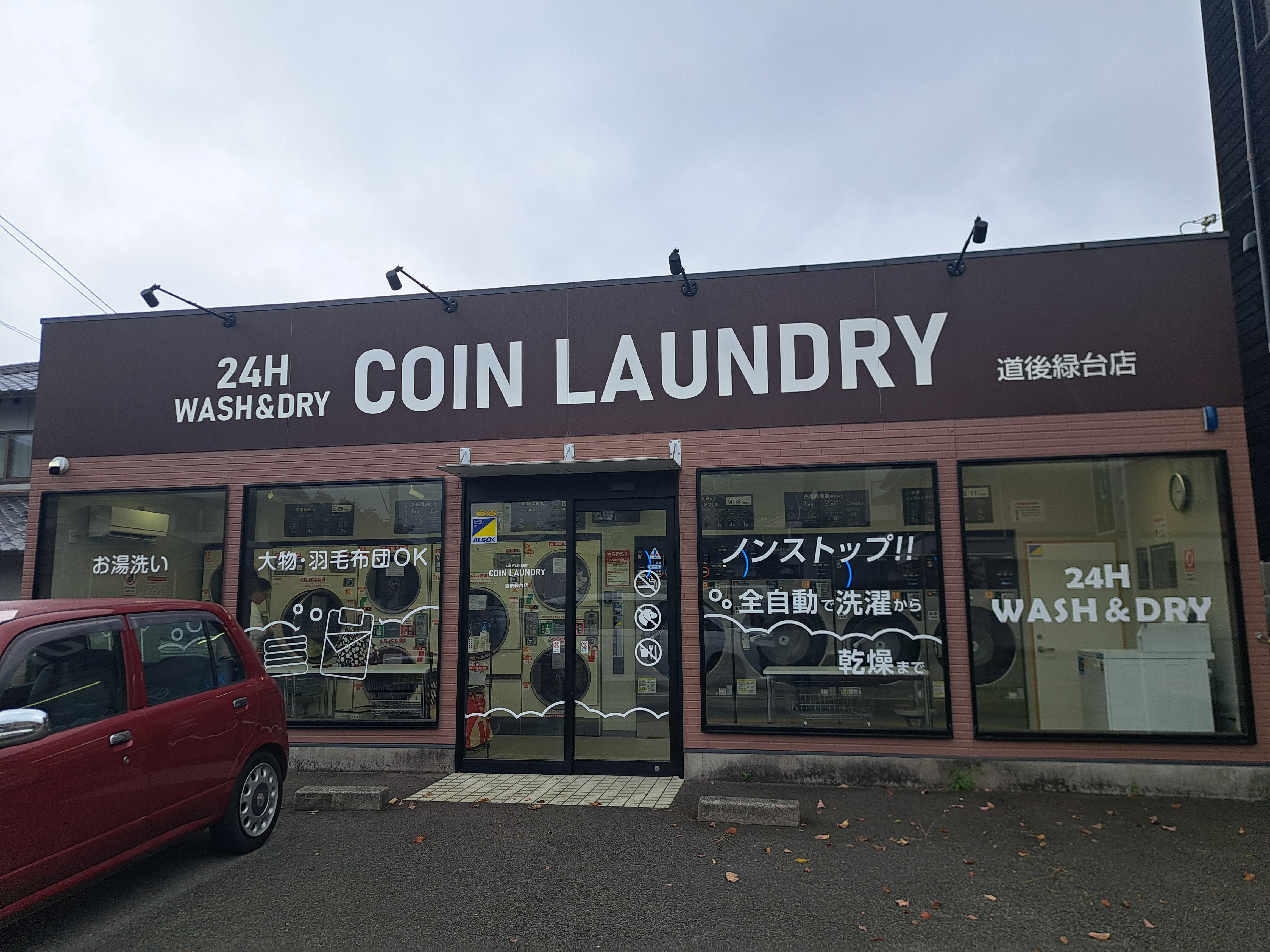
Coin Laundry Dogo Midoridai
A coin laundry at Dogo Midoridai 11-40. The sign at the front reads "24H WASH&DRY COIN LAUNDRY 道後緑台店".
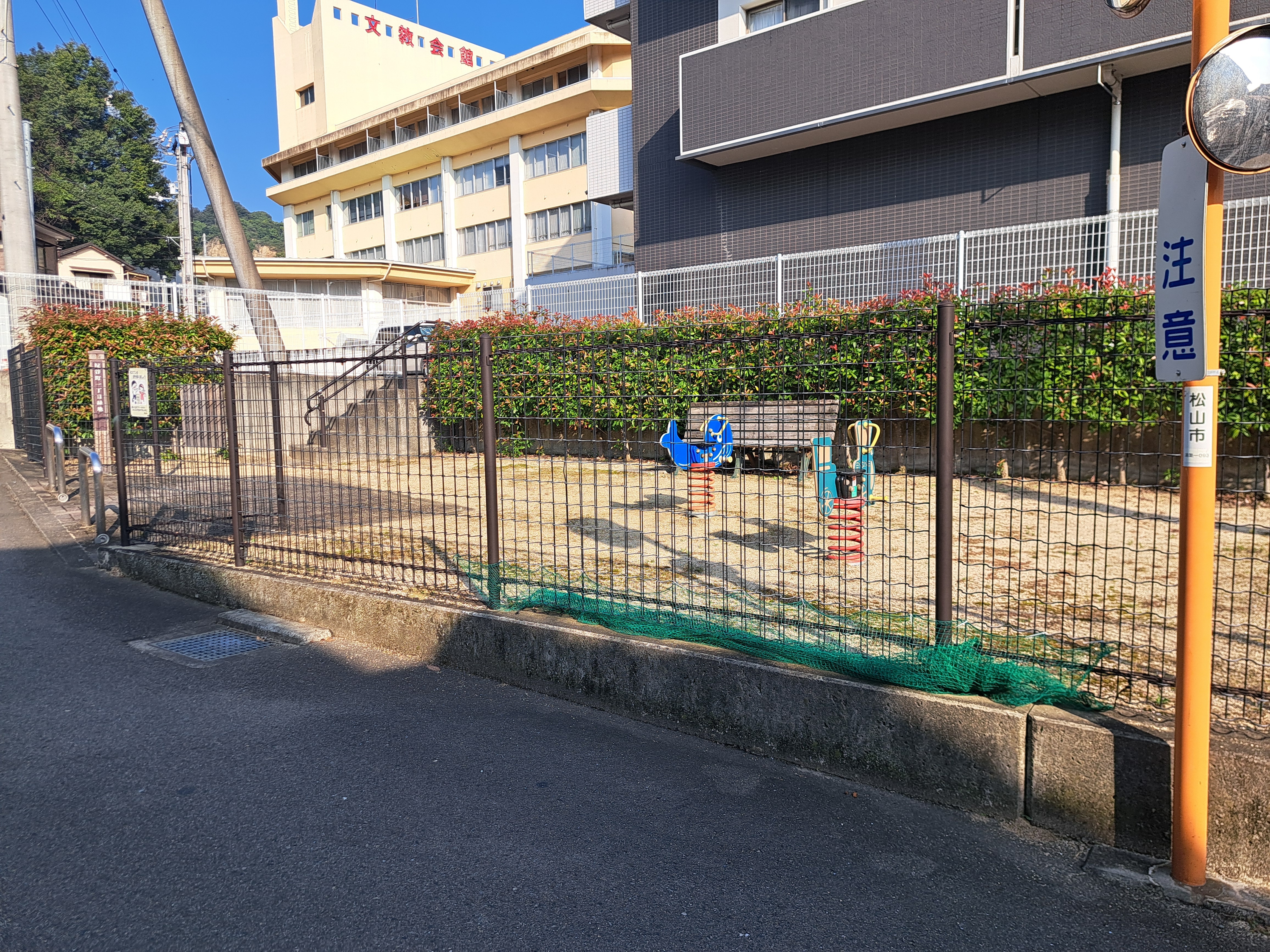
Iwaidani 1-chome Park
A small park ideal for a baby's or toddler's first park outing. It has a sandpit edged with urethane and spring-mounted playground rides shaped like a chick and a rabbit.
More "Stone Monuments & Poem Steles" spots
See all in this category →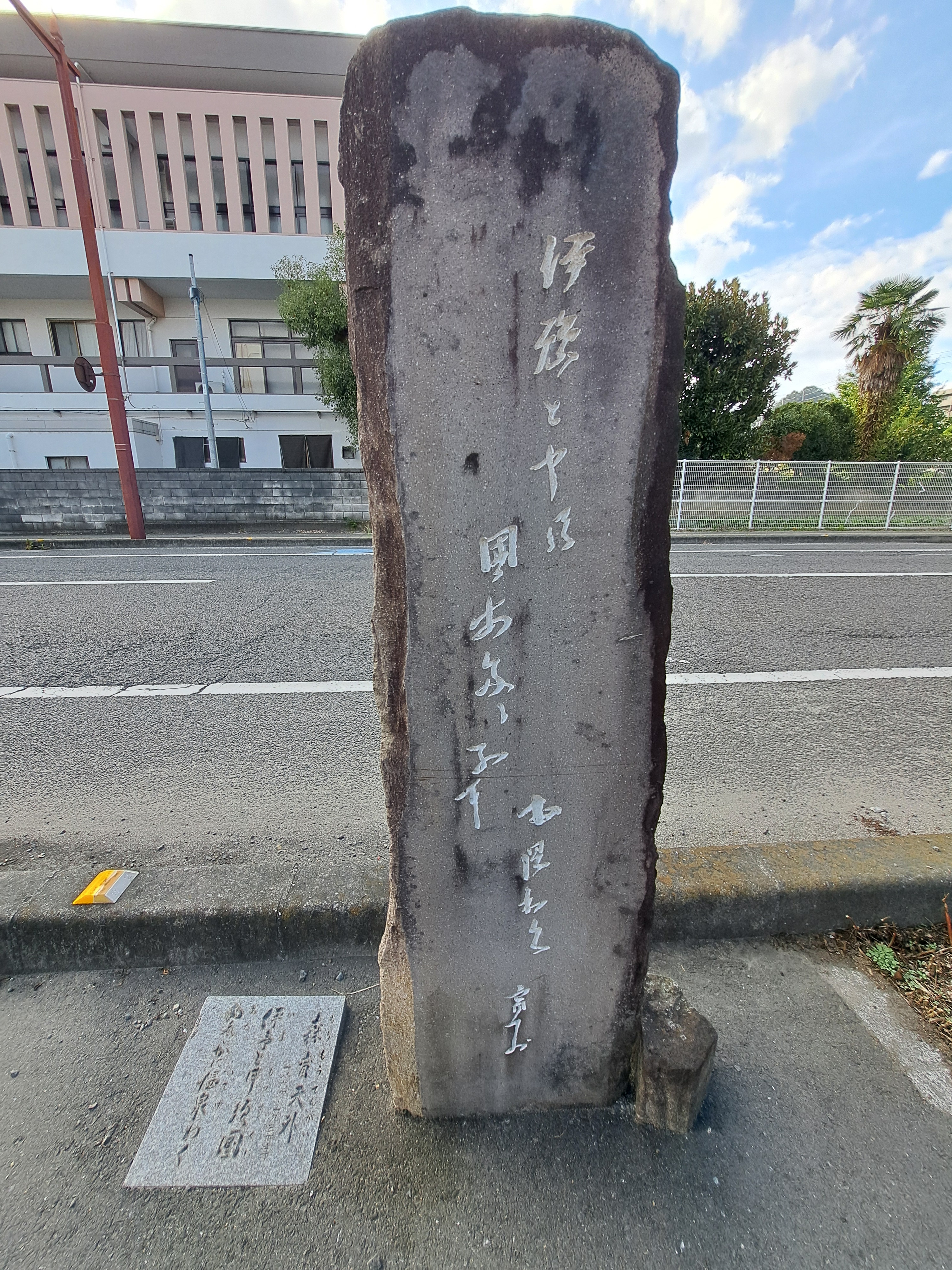
Mori Motengai Haiku Monument (Path of Haiku)
A haiku monument to Mori Motengai on the Dogo-Kitamachi side of the "Path of Haiku" in Dogo (the street east of the Ehime Prefectural Culture Hall). It is inscribed with the haiku "伊予と申す国あたゝかに温泉わく".
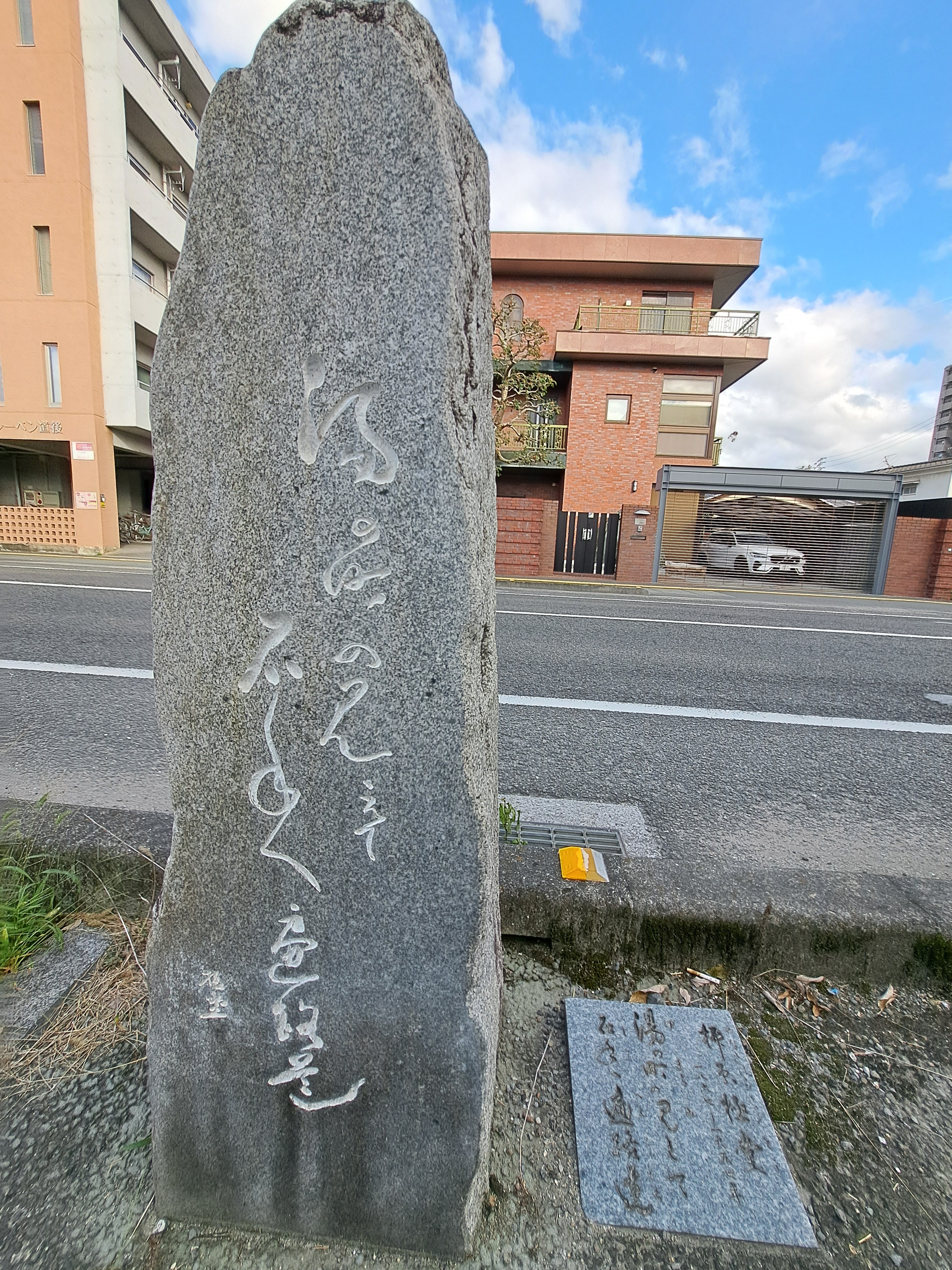
Yanagihara Kyokudo Haiku Monument (Path of Haiku)
A haiku monument to Yanagihara Kyokudo on the Dogo-Kitamachi side of the "Path of Haiku" in Dogo (the street east of the Ehime Prefectural Culture Hall). It is inscribed with the haiku "湯の町の見えて石手へ遍路道".
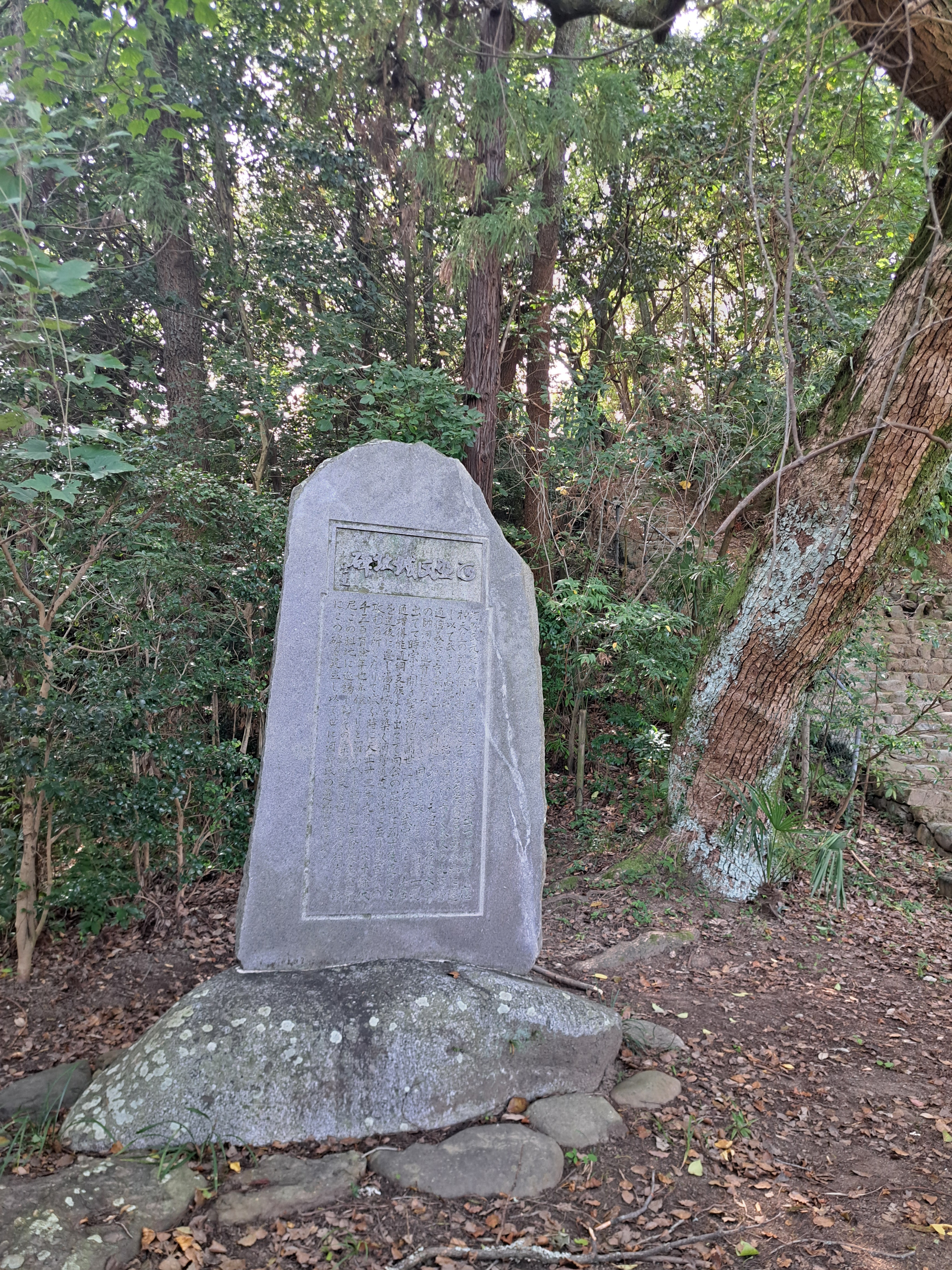
Kono Clan Castle Site Monument
The Kono clan castle site monument in Dogo Park (the site of Yuzuki Castle). It records the history of the Kono clan, who based themselves here in the medieval period, and was erected in 1941 (Showa 16). It is one of the stops on Dogo Park's haiku monument tour.
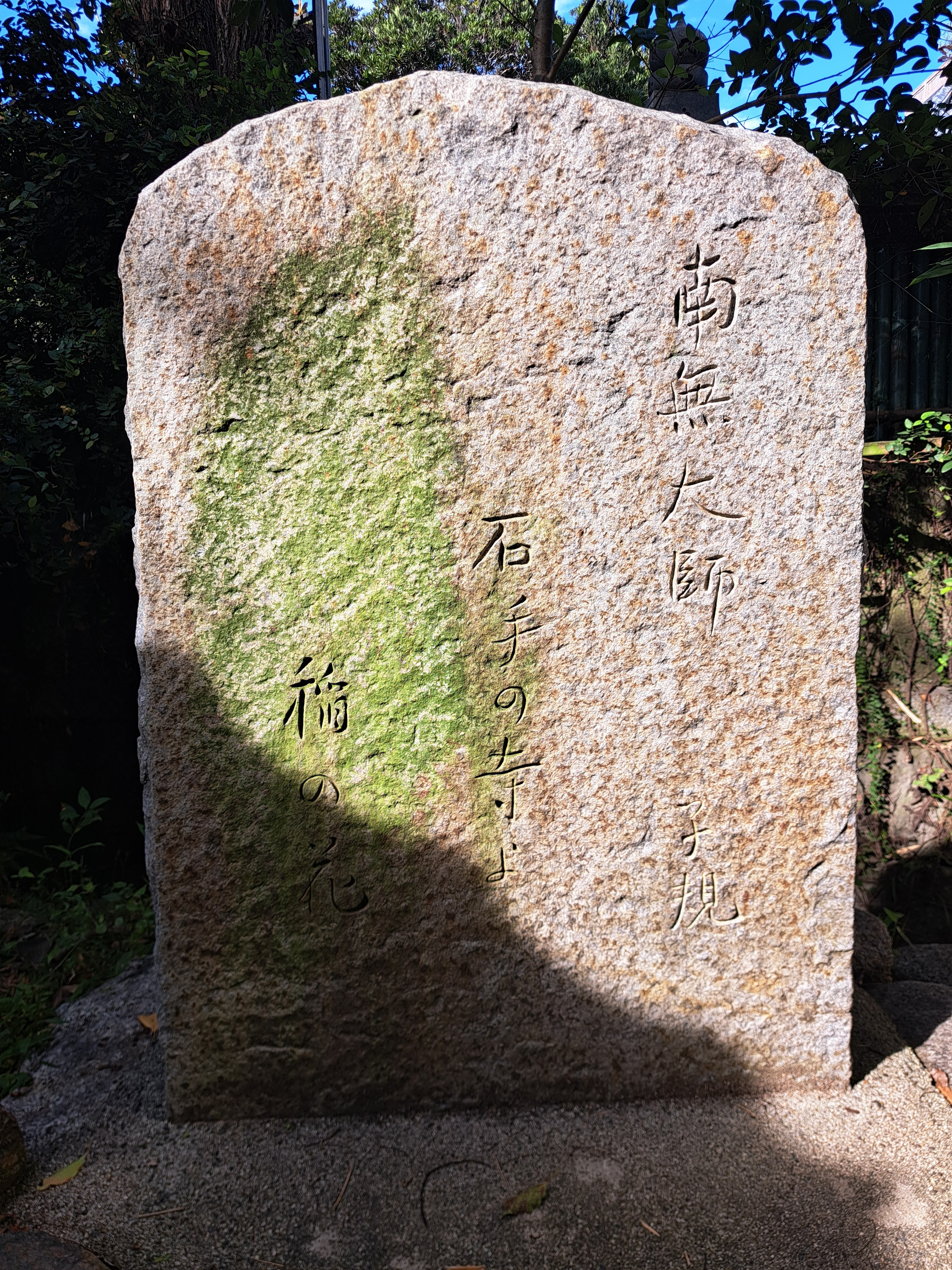
Masaoka Shiki Haiku Monument (Ishite-ji Temple Approach)
A haiku monument of Masaoka Shiki is located on the approach to Ishite-ji Temple, the 51st pilgrimage temple in Shikoku. It can be visited along with a visit to Ishite-ji Temple, known for its National Treasure, Nio-mon.
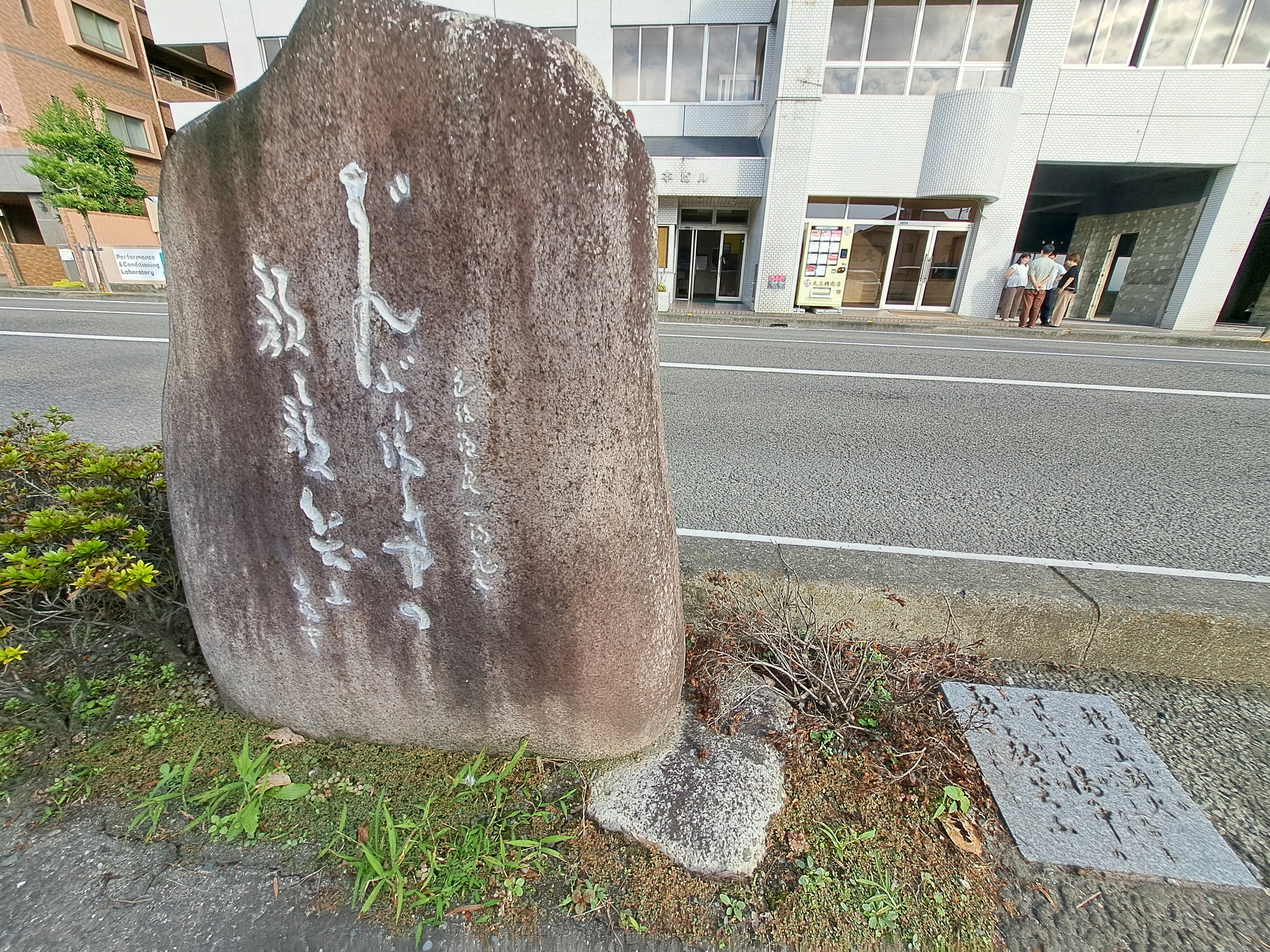
Taneda Santoka Haiku Monument (Path of Haiku)
A haiku monument to Taneda Santoka on the Dogo-Kitamachi side of the "Path of Haiku" in Dogo (the street east of the Ehime Prefectural Culture Hall). It is inscribed with the haiku "ずんぶり湯の中の顔と顔笑ふ".
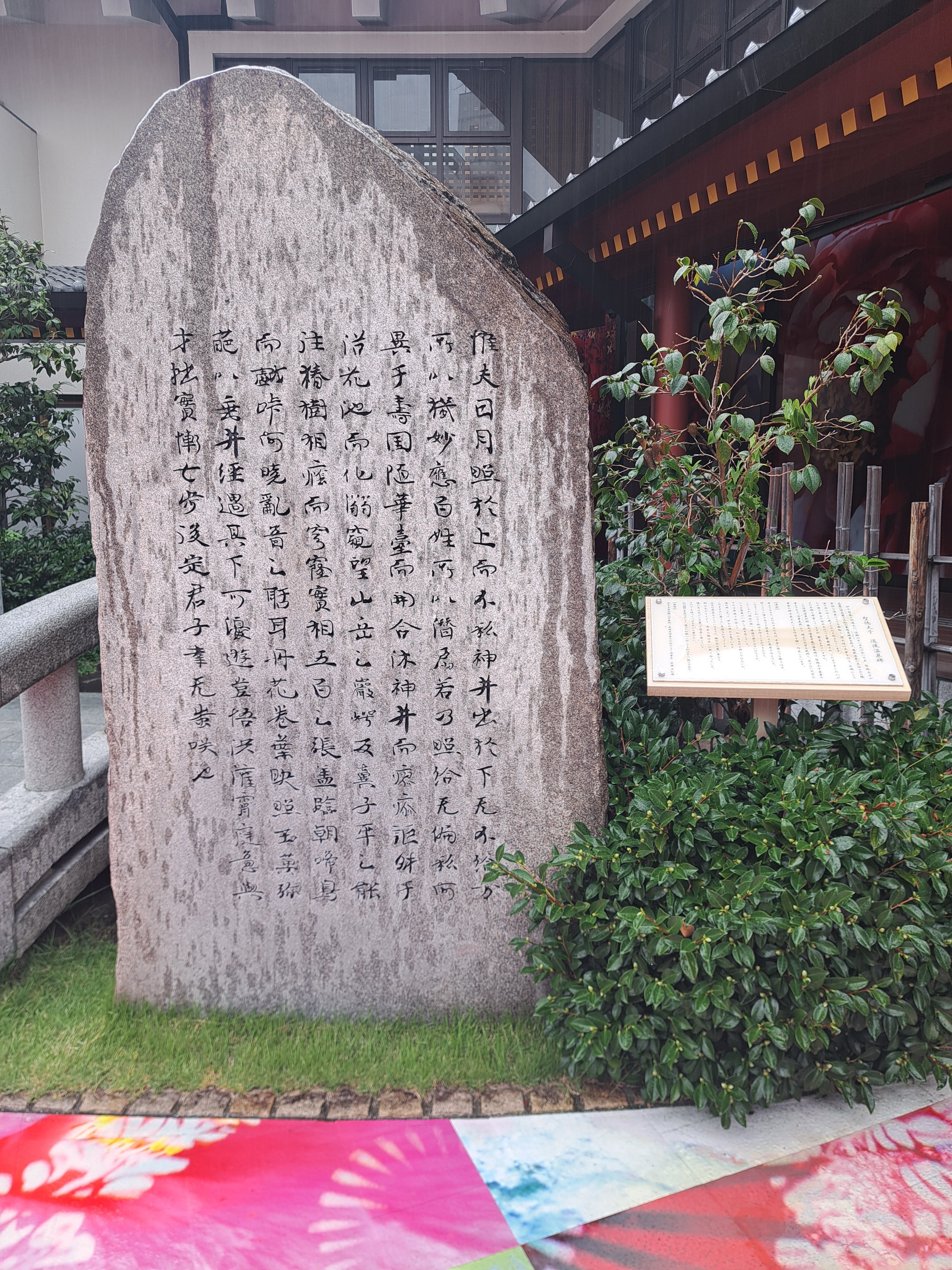
Iyo Yuoka Monument (Replica)
A hot-spring monument in the courtyard of Dogo Onsen Annex Asuka-no-Yu-Zen. Inspired by the Iyo Yuoka Monument, said to record Prince Shotoku's visit to the spa, its inscription is rendered in the script of the "Hokke Gisho".
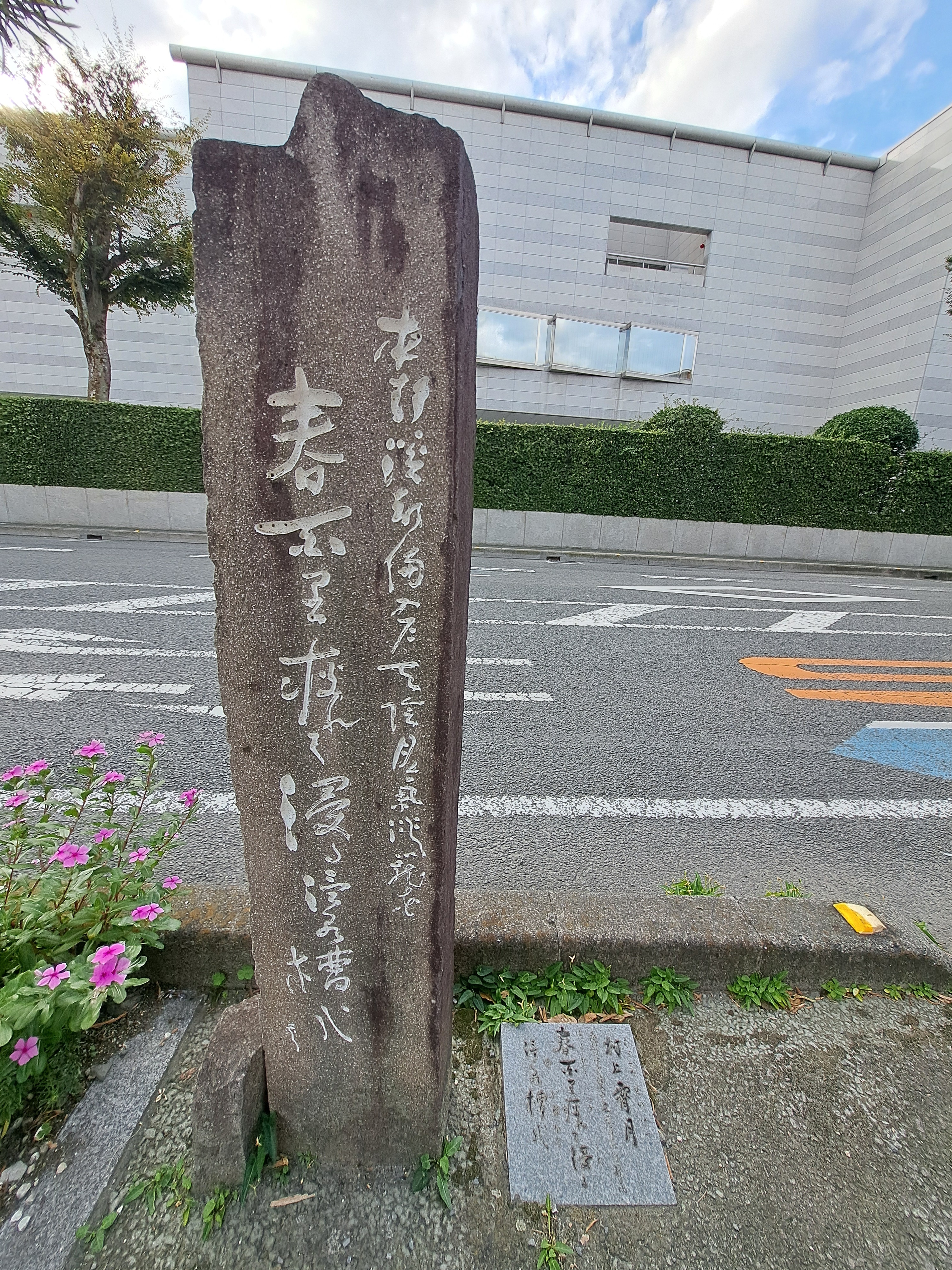
Murakami Seigetsu Haiku Monument (Path of Haiku)
A haiku monument to Murakami Seigetsu on the Dogo-machi 2-chome side of the "Path of Haiku" in Dogo (the street east of the Ehime Prefectural Culture Hall). It is inscribed with the haiku "春百里疲れて浸る温泉槽哉".
Path of Haiku (the street of haiku monuments east of the Ehime Prefectural Culture Hall)
The "Path of Haiku" is a street east of the Ehime Prefectural Culture Hall lined with 10 haiku and senryu monuments (11 verses) connected with Dogo Onsen. This page lists the verses by Soseki, Shiki, Santoka and others.