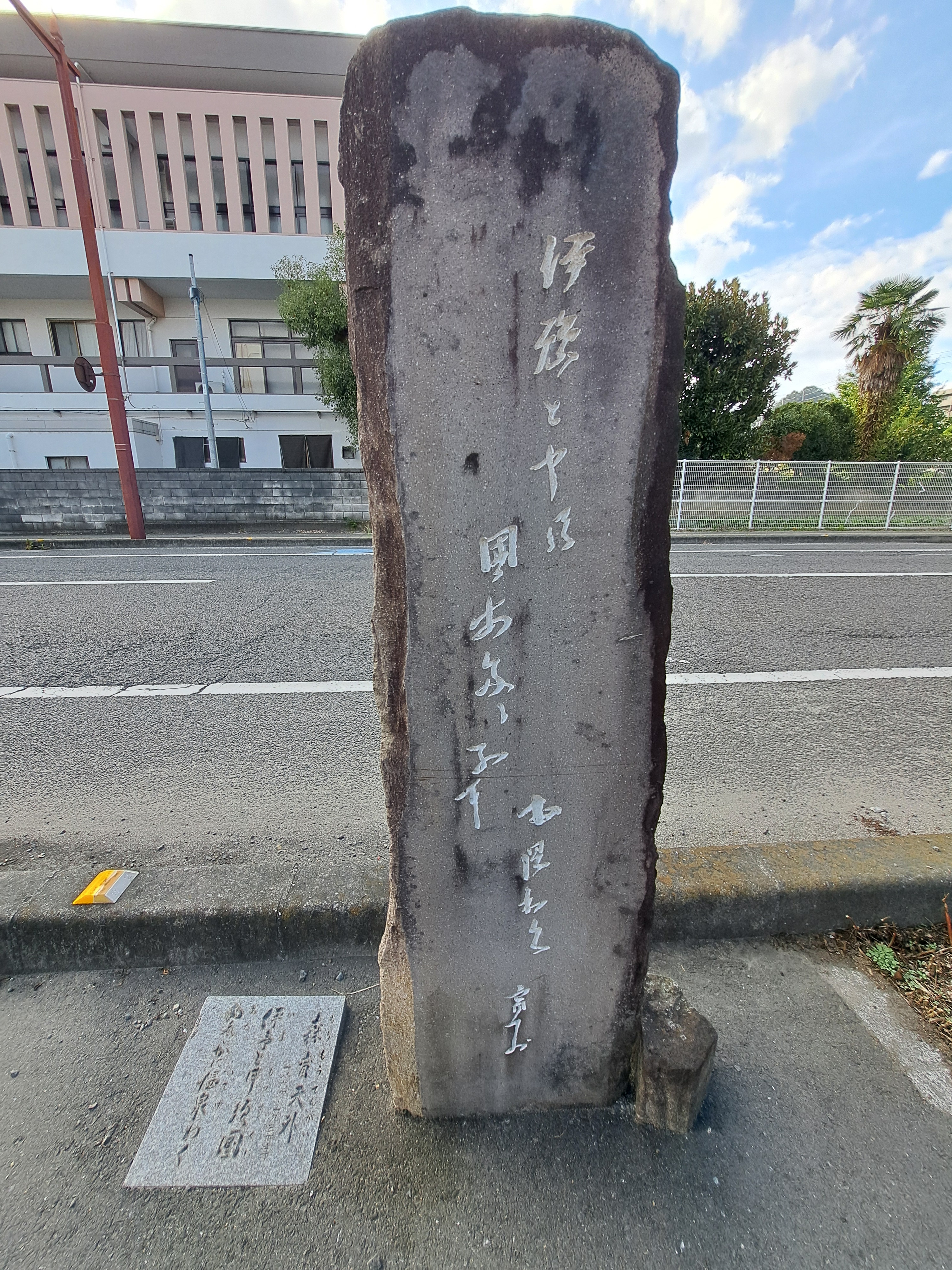
Mori Motengai Haiku Monument (Path of Haiku)
A haiku monument to Mori Motengai on the Dogo-Kitamachi side of the "Path of Haiku" in Dogo (the street east of the Ehime Prefectural Culture Hall). It is inscribed with the haiku "伊予と申す国あたゝかに温泉わく".
The Mori Motengai Haiku Monument (Path of Haiku) stands on the Dogo-Kitamachi side of the "Path of Haiku", the street that runs along the east side of the Ehime Prefectural Culture Hall. It is inscribed with the haiku "伊予と申す国あたゝかに温泉わく" (Iyo to mosu kuni atataka ni yu waku).
Mori Motengai (1864–1934) was born in Nishiyodo Village, Iyo District (now Yogo, Matsuyama), and his real name was Tsunetaro. After serving in the prefectural assembly he lost his sight in both eyes, but he became mayor of his home village of Yodo and was known as the "blind mayor" who built a model village. He was also a haiku poet.
The monument stands along the road of the "Path of Haiku", and the local information board lists it on the Dogo-Kitamachi side. The map pin on this page marks a representative point of the Dogo-Kitamachi section, not the exact position of this monument. The full list of the 11 haiku (on 10 monuments) is on the "Path of Haiku" page.
Sources: Matsuyama Shiki Memorial Museum, "Ehime no Kuhi" Haiku Street http://www.haiku-matsuyama.jp/street/968/ / same museum, "People connected with Matsuyama" http://www.haiku-matsuyama.jp/yukari/ / Matsuyama City Board of Education information board on site (photographed by a contributor, October 18, 2026) Last checked: 2026-10-19
More spots in West Dogo Area
See all in this area →The Park Dogomachi 1-chome
A coin parking lot with 9 spaces in Dogomachi 1-chome.
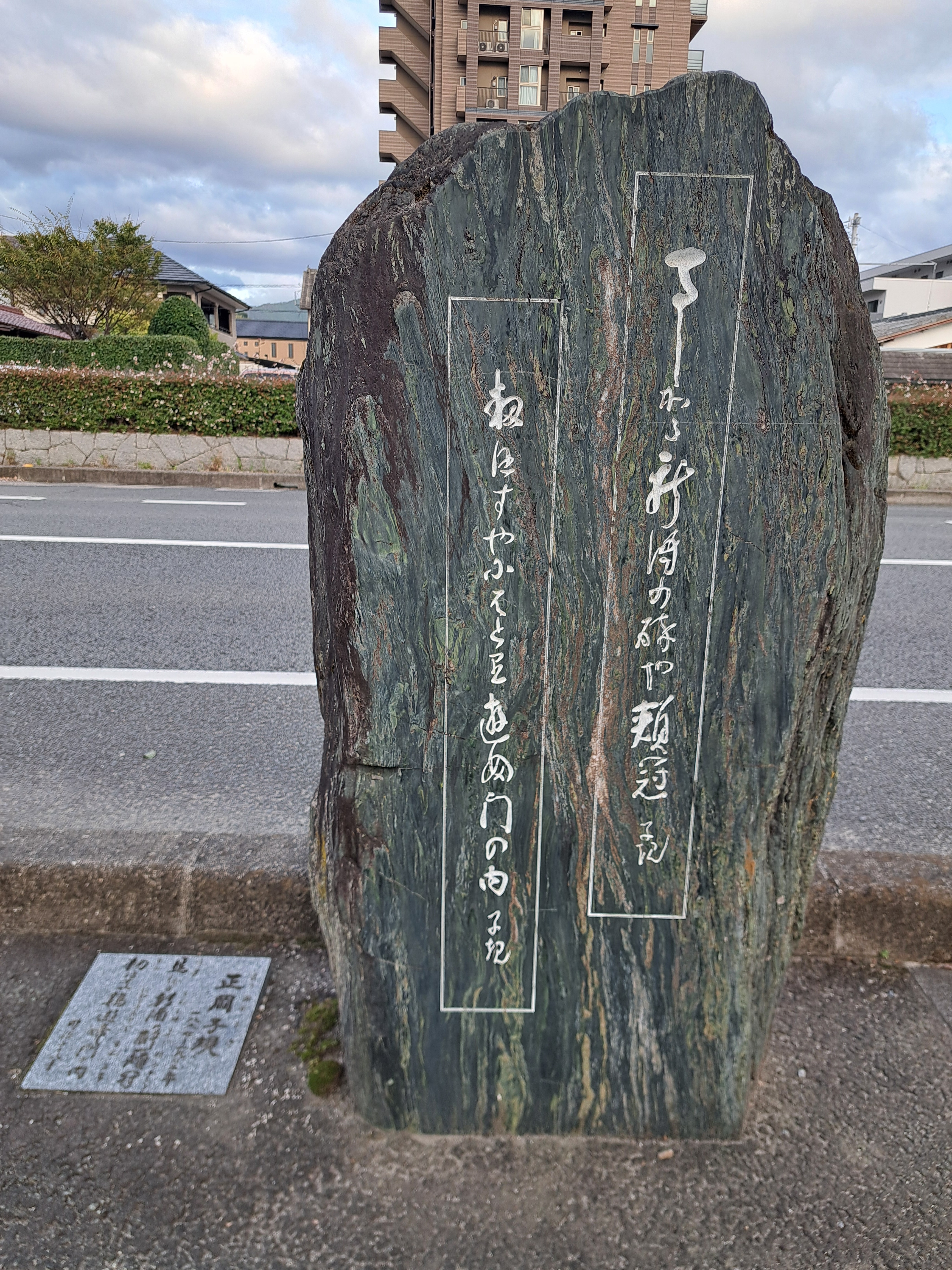
Masaoka Shiki Haiku Monument "Uma shikaru" (Path of Haiku)
A haiku monument to Masaoka Shiki on the Dogo-machi 2-chome side of the "Path of Haiku" in Dogo (the street east of the Ehime Prefectural Culture Hall). It is inscribed with the haiku "馬しかる新酒の酔や頬冠".
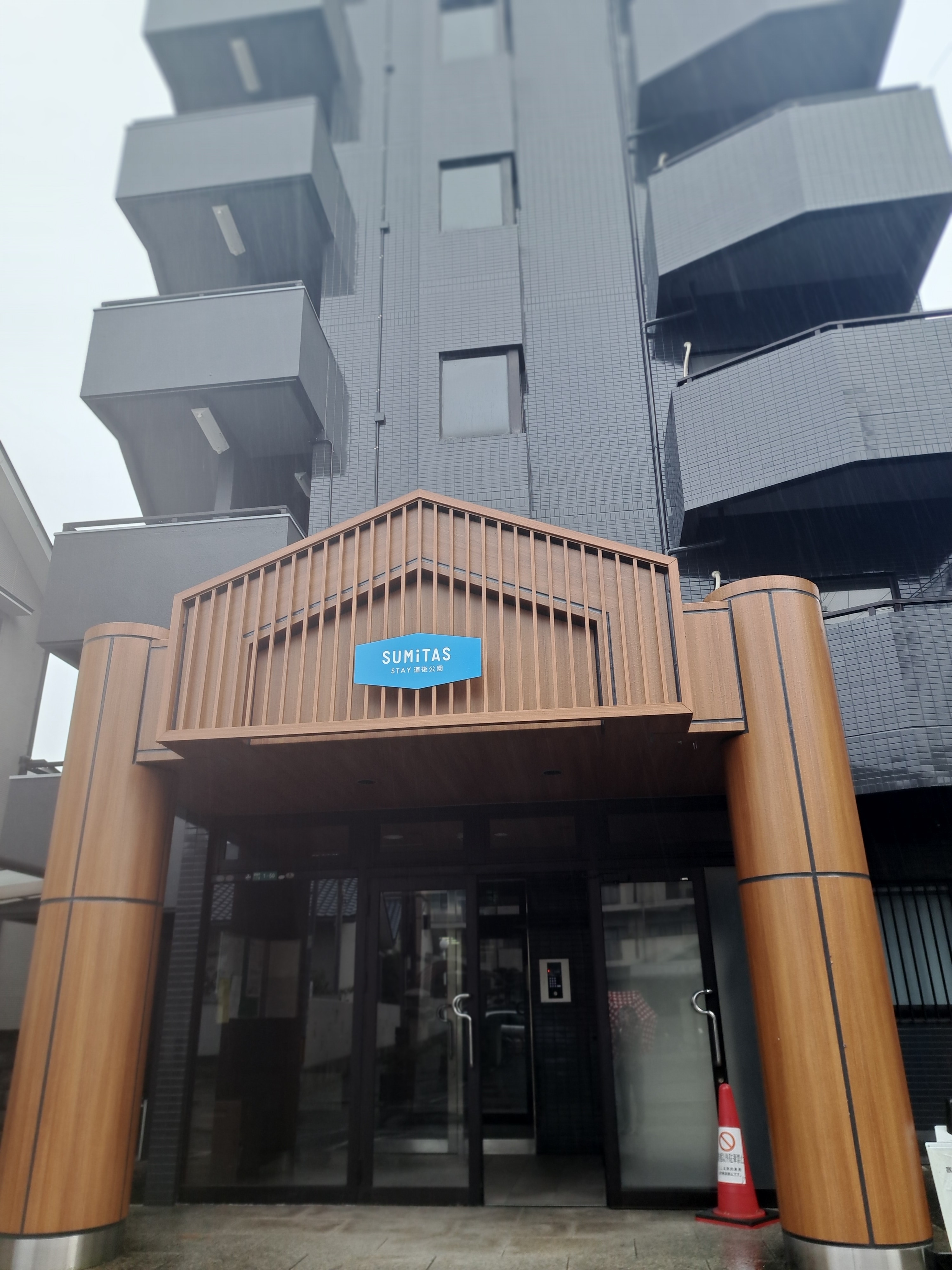
Sumitasu Stay Dogokoen
A self-contained apartment stay with a kitchen on the 4th floor of a building in Dogo-machi 1-chome. No front desk; guests register online in advance.
Shigematsu Seishinkyu In
A community-based acupuncture clinic near Dogo Onsen Station. There are variations in the name’s notation (common name: Shigematsu Yuki Shin’kyu-in).
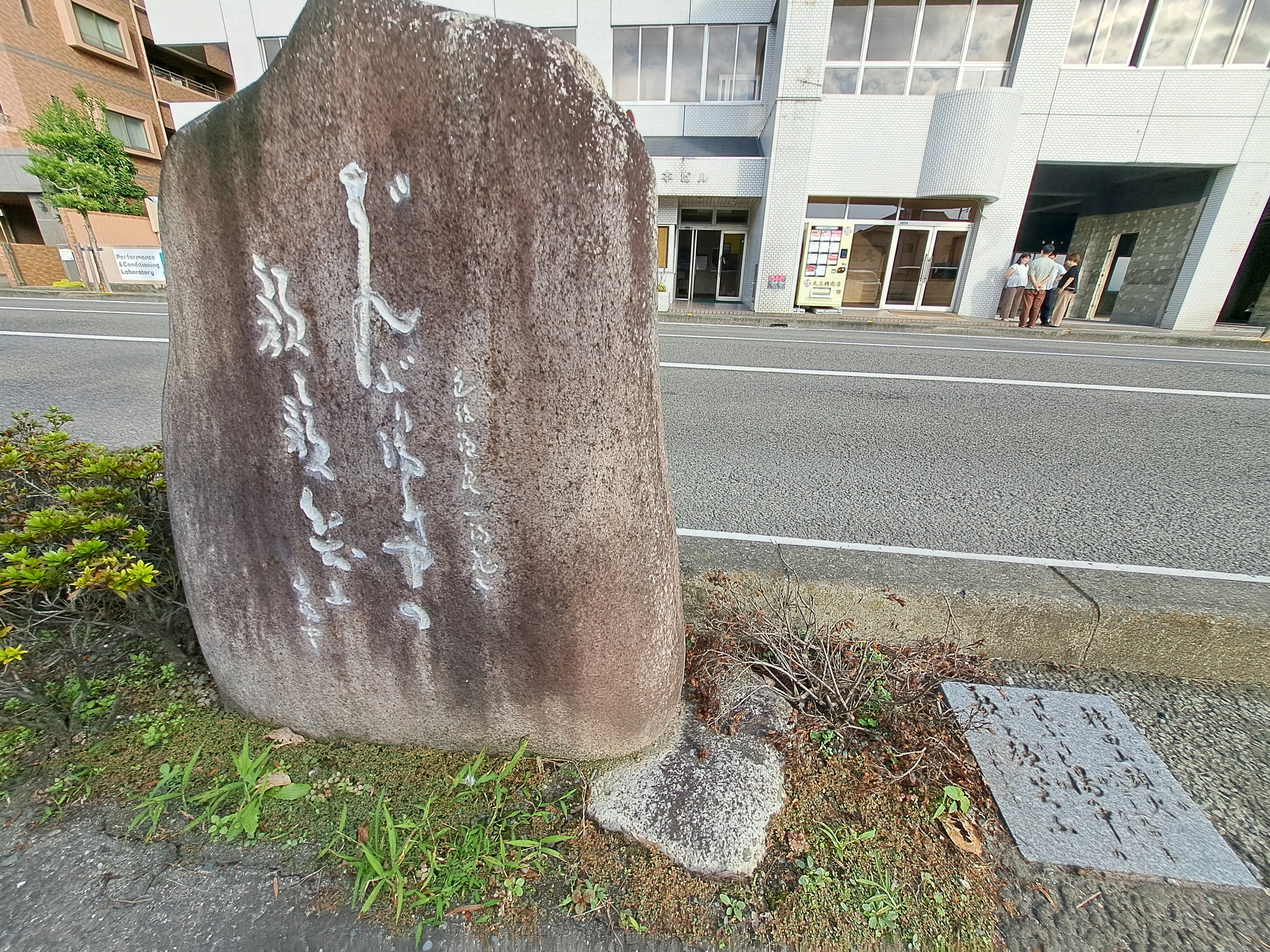
Taneda Santoka Haiku Monument (Path of Haiku)
A haiku monument to Taneda Santoka on the Dogo-Kitamachi side of the "Path of Haiku" in Dogo (the street east of the Ehime Prefectural Culture Hall). It is inscribed with the haiku "ずんぶり湯の中の顔と顔笑ふ".
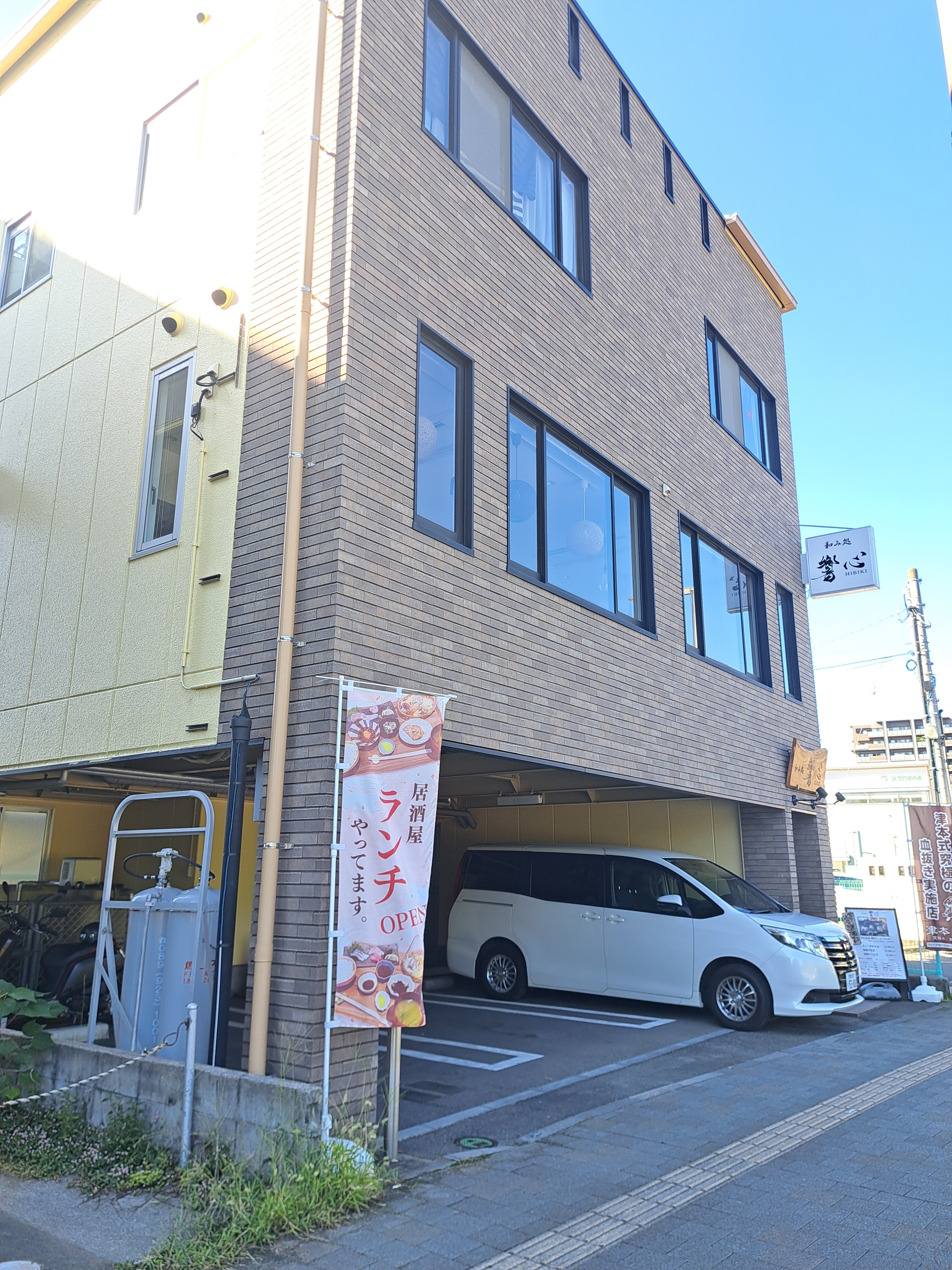
Nagomidokoro Kyoshin
A Japanese restaurant that opened in March 2026 on a site overlooking Dogo Park. It can be used for lunch or as an izakaya.
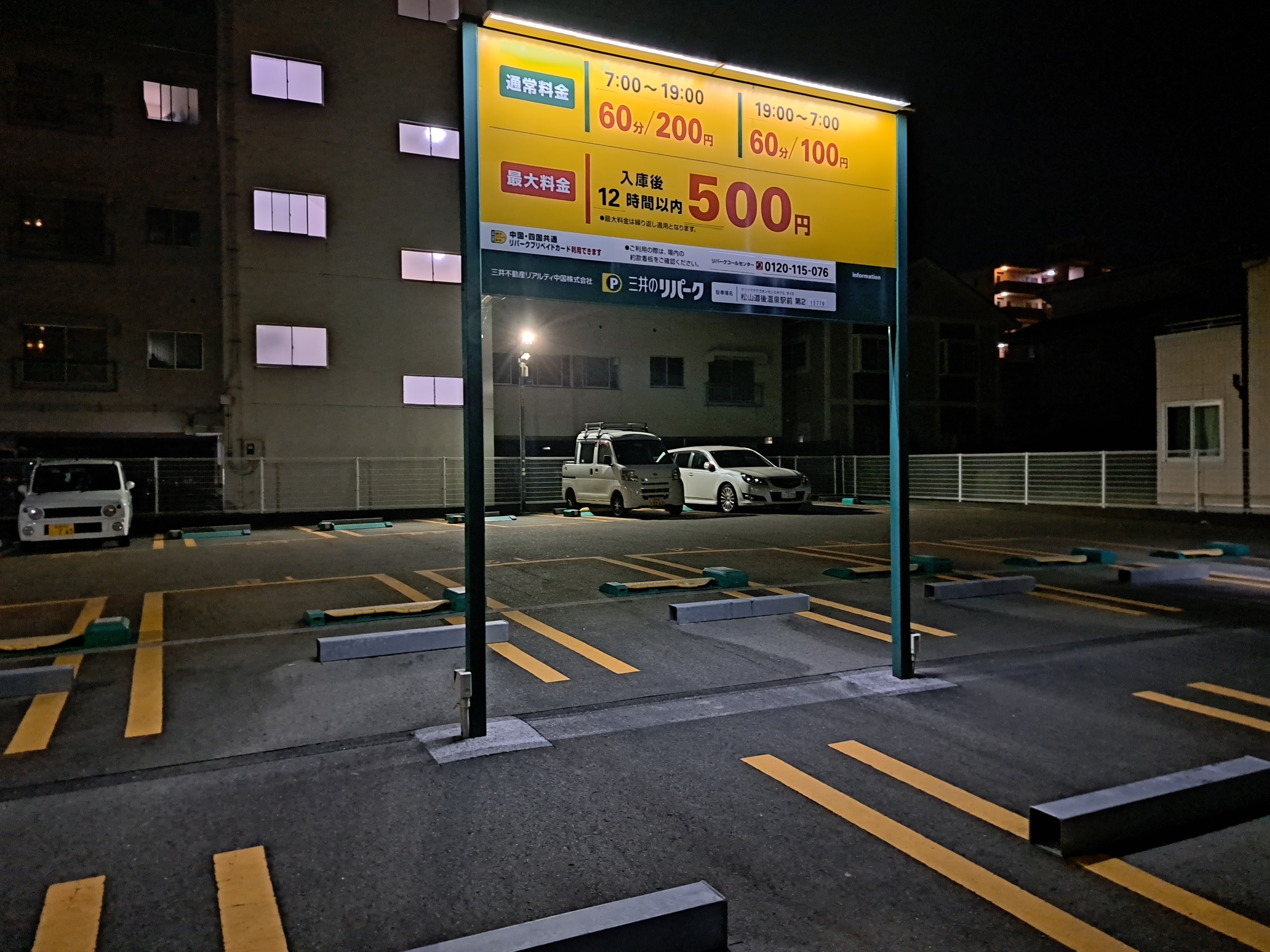
Repark Matsuyama Dogo Onsen Ekimae Dai2
A 26-space coin parking lot (Repark No. 2) near Dogo Onsen Station.
Washoku Takanashi
A Japanese restaurant in the Dogo Ichiman area. It centres on set meals served at both lunch and dinner, such as tempura and sashimi sets.
More "Stone Monuments & Poem Steles" spots
See all in this category →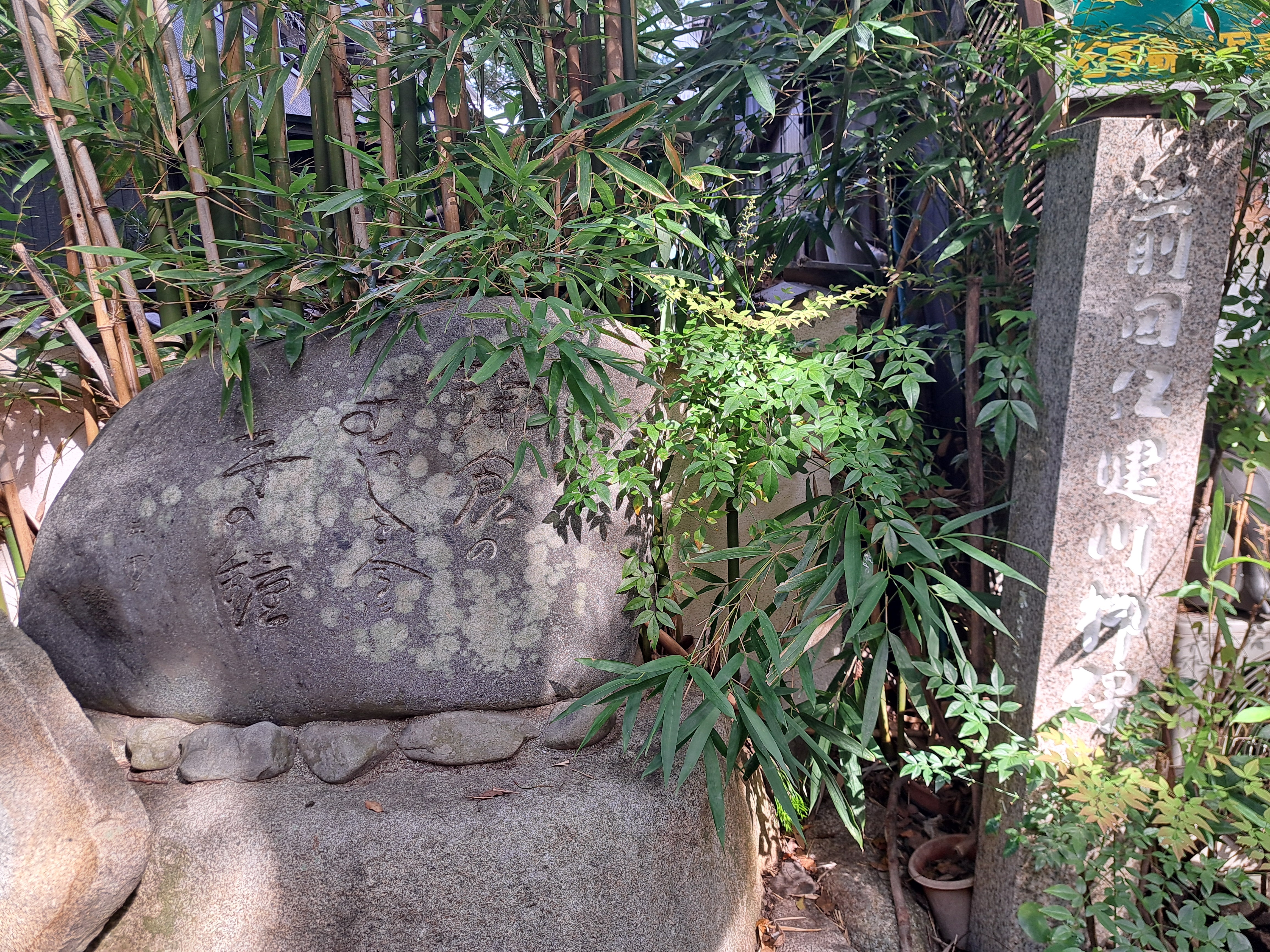
Maeda Goken Senryu Monument (Ishite-ji Approach)
A senryu monument to Maeda Goken on the approach to Ishite-ji, inscribed "鎌倉のむかしを今に寺の鐘". Erected on 20 October 1958 (Showa 33).
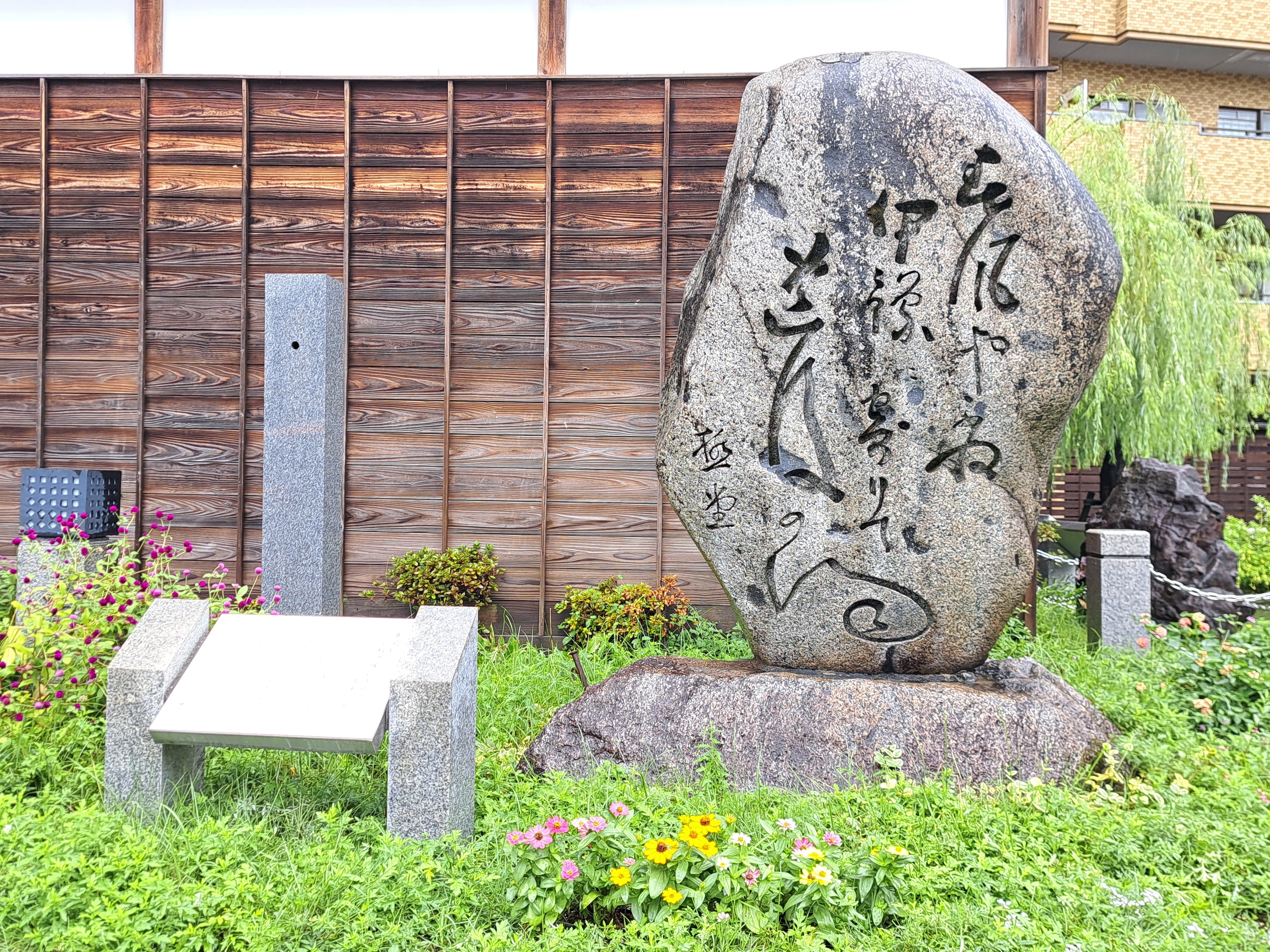
Yanagihara Kyokudo Haiku Monument
A haiku monument is located in Hojoen, in front of Dogo Onsen Honkan. It commemorates Ryu Hiroshi (1867–1957), a poet from Matsuyama. Ryu Hiroshi founded the literary magazine 'Hototogisu' in Matsuyama in 1897, and became the first honorary citizen of Matsuyama City.
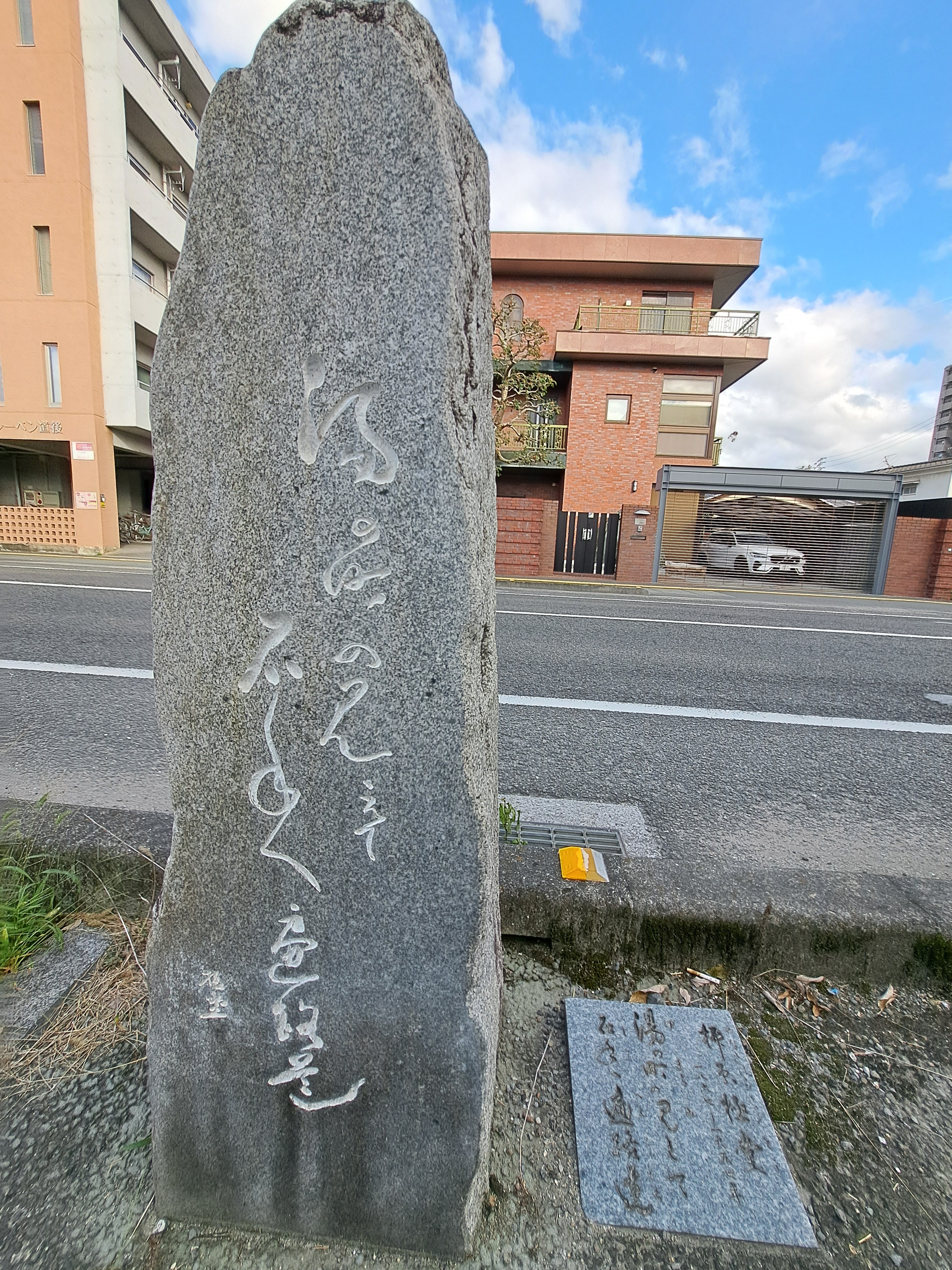
Yanagihara Kyokudo Haiku Monument (Path of Haiku)
A haiku monument to Yanagihara Kyokudo on the Dogo-Kitamachi side of the "Path of Haiku" in Dogo (the street east of the Ehime Prefectural Culture Hall). It is inscribed with the haiku "湯の町の見えて石手へ遍路道".
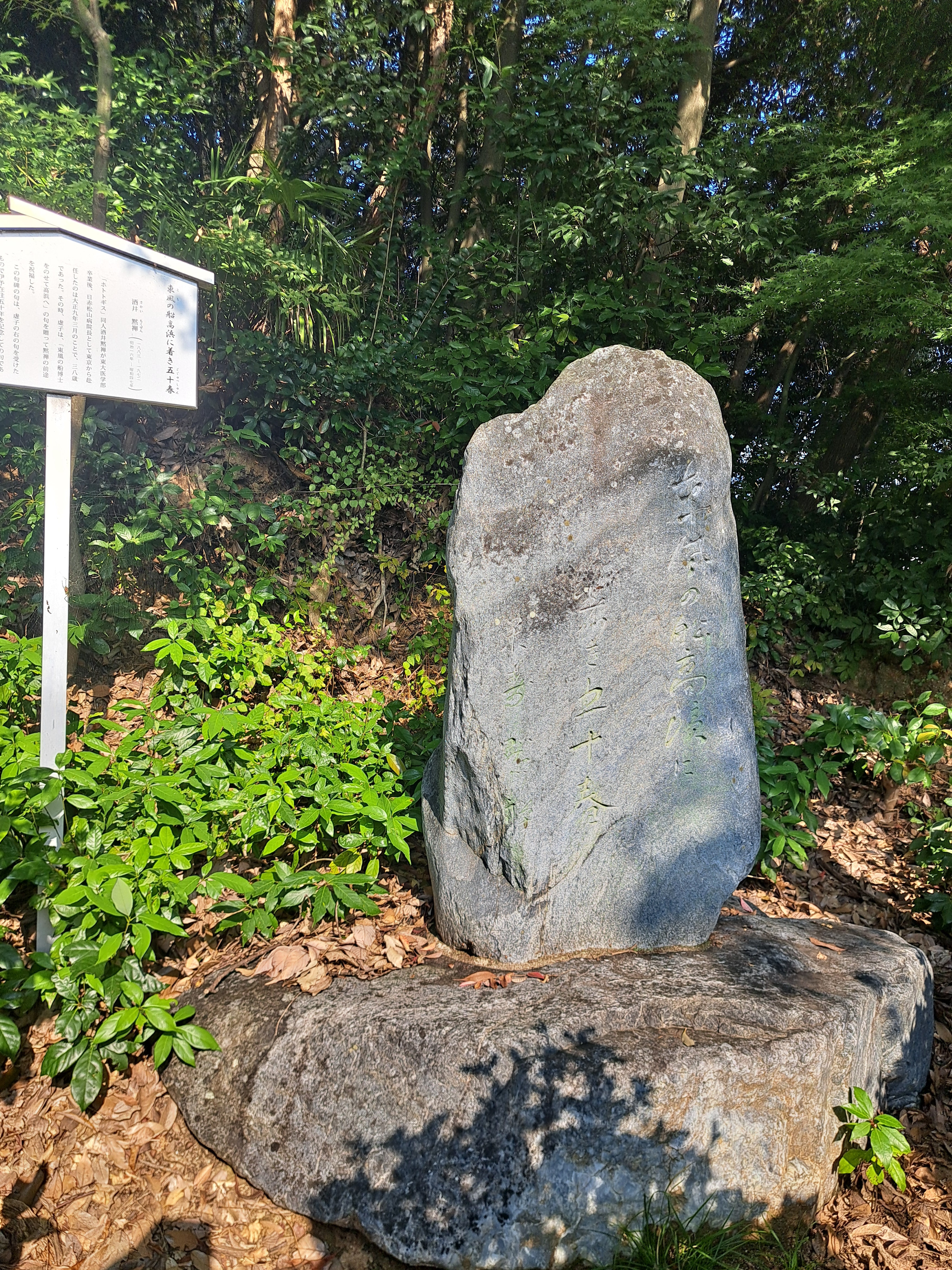
Sakai Mokuzen Haiku Monument (Matsuyama Shrine)
A haiku monument for Sakai Mokuzen on the right side of the approach to Matsuyama Shrine. It is inscribed with "Kochi no fune Takahama ni tsuki gojuharu" and was erected in 1972 (Showa 47).
Masaoka Shiki Haiku Monument "Uma shikaru" (Path of Haiku)
A haiku monument to Masaoka Shiki on the Dogo-machi 2-chome side of the "Path of Haiku" in Dogo (the street east of the Ehime Prefectural Culture Hall). It is inscribed with the haiku "馬しかる新酒の酔や頬冠".
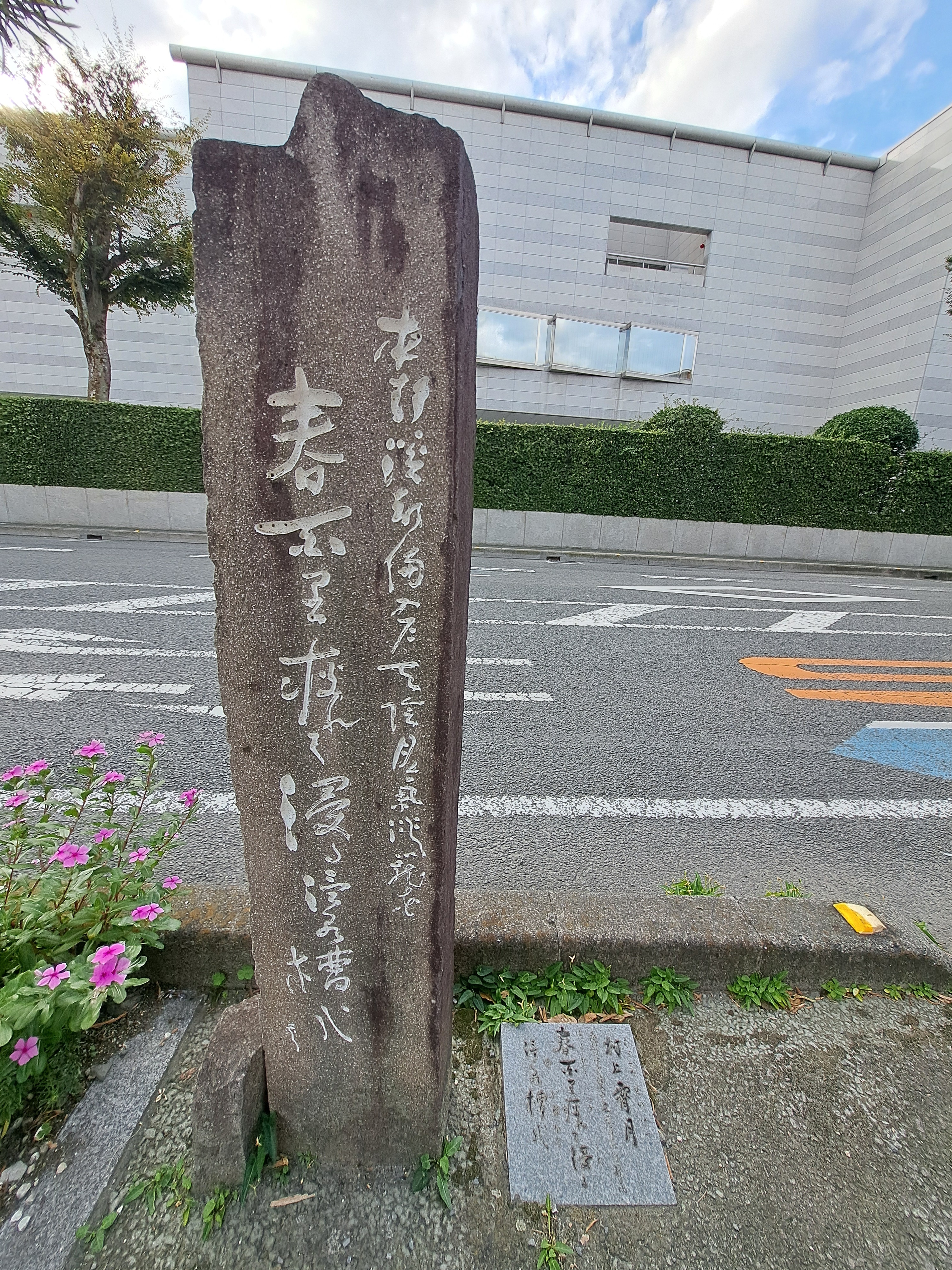
Murakami Seigetsu Haiku Monument (Path of Haiku)
A haiku monument to Murakami Seigetsu on the Dogo-machi 2-chome side of the "Path of Haiku" in Dogo (the street east of the Ehime Prefectural Culture Hall). It is inscribed with the haiku "春百里疲れて浸る温泉槽哉".
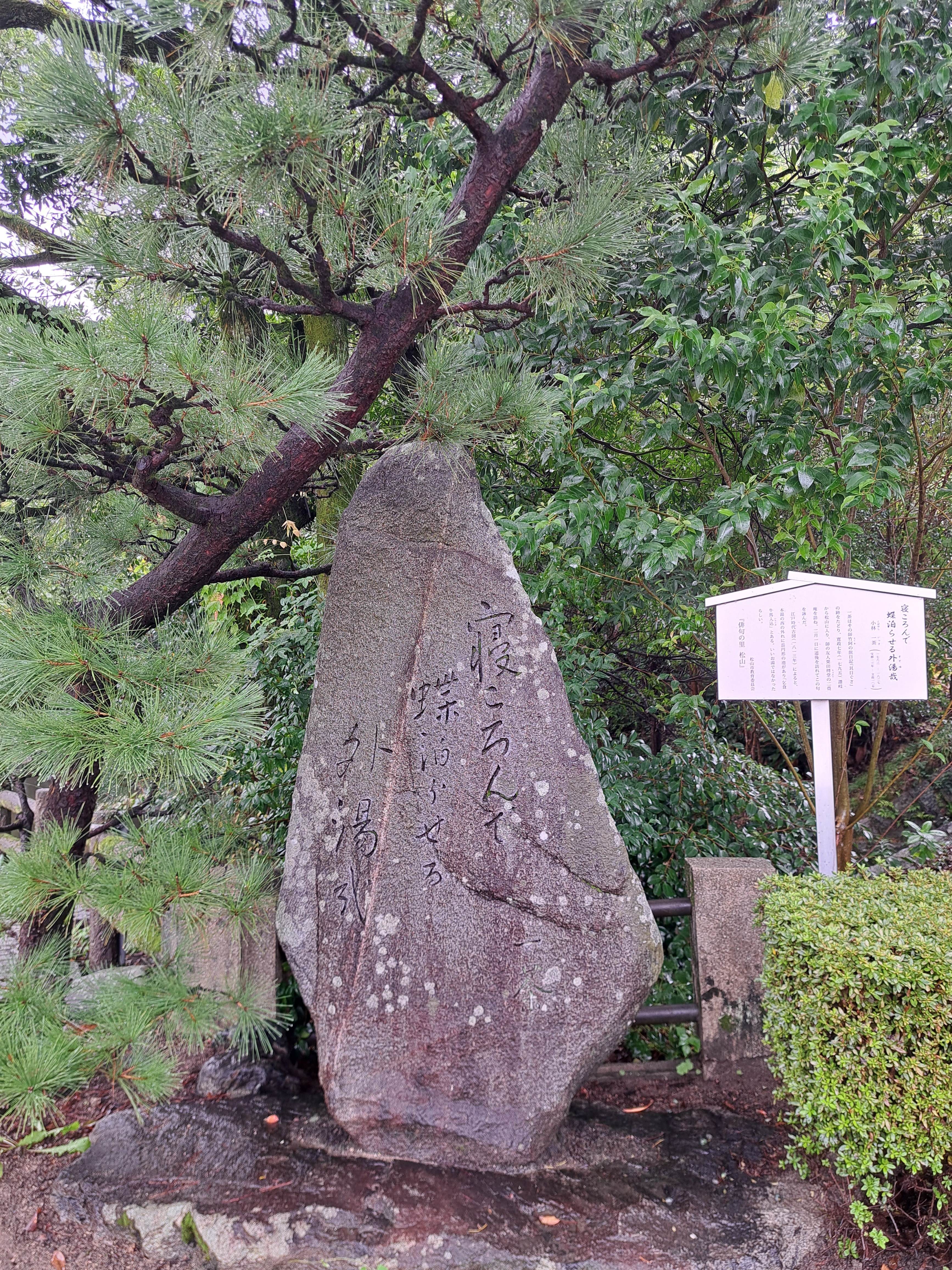
Kobayashi Issa Haiku Monument
A haiku monument for Kobayashi Issa at the north entrance of Dogo Park. It is inscribed with "Nekoronde cho tomaraseru sotoyu kana" and was erected in 1950 (Showa 25).
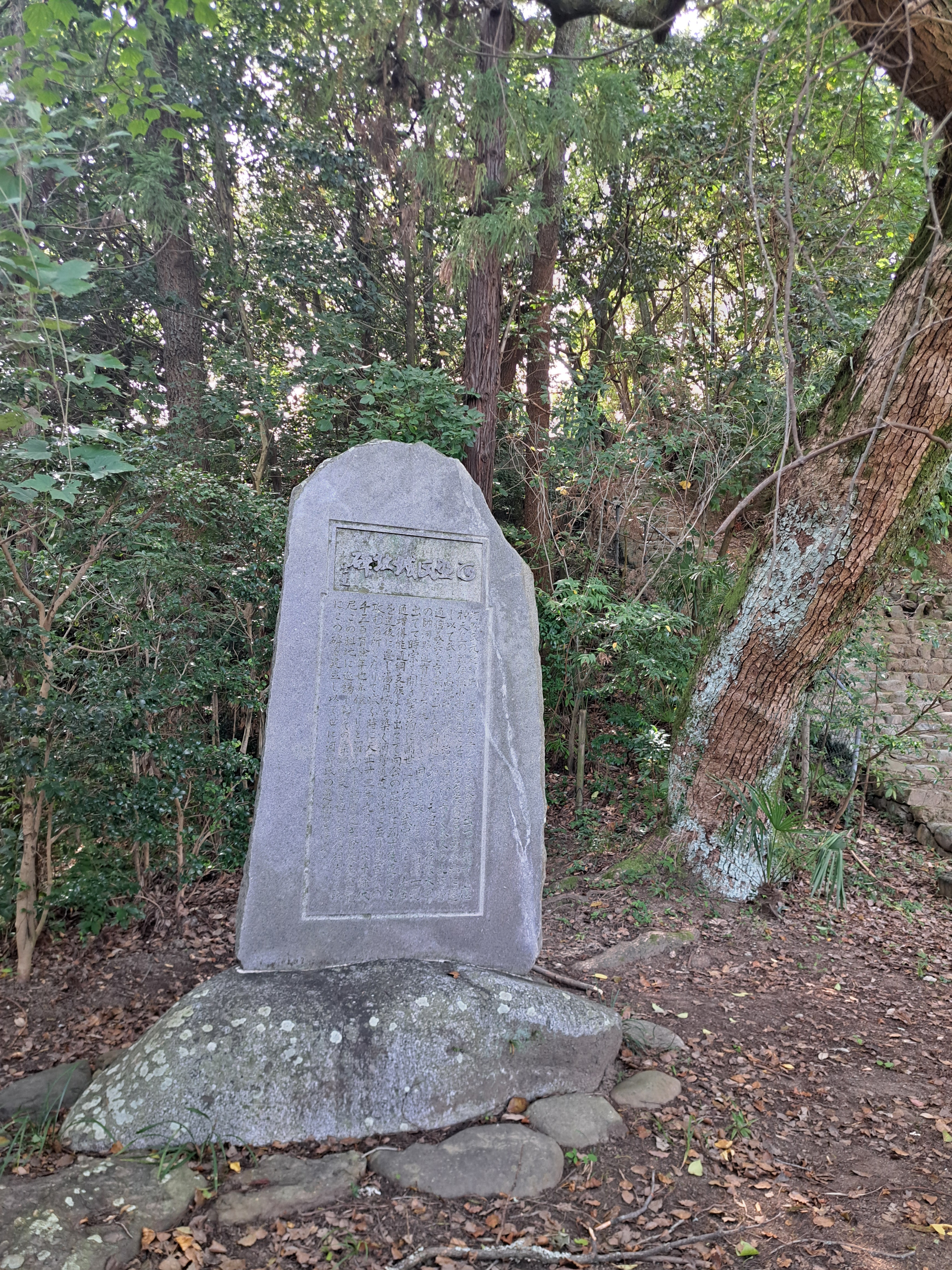
Kono Clan Castle Site Monument
The Kono clan castle site monument in Dogo Park (the site of Yuzuki Castle). It records the history of the Kono clan, who based themselves here in the medieval period, and was erected in 1941 (Showa 16). It is one of the stops on Dogo Park's haiku monument tour.