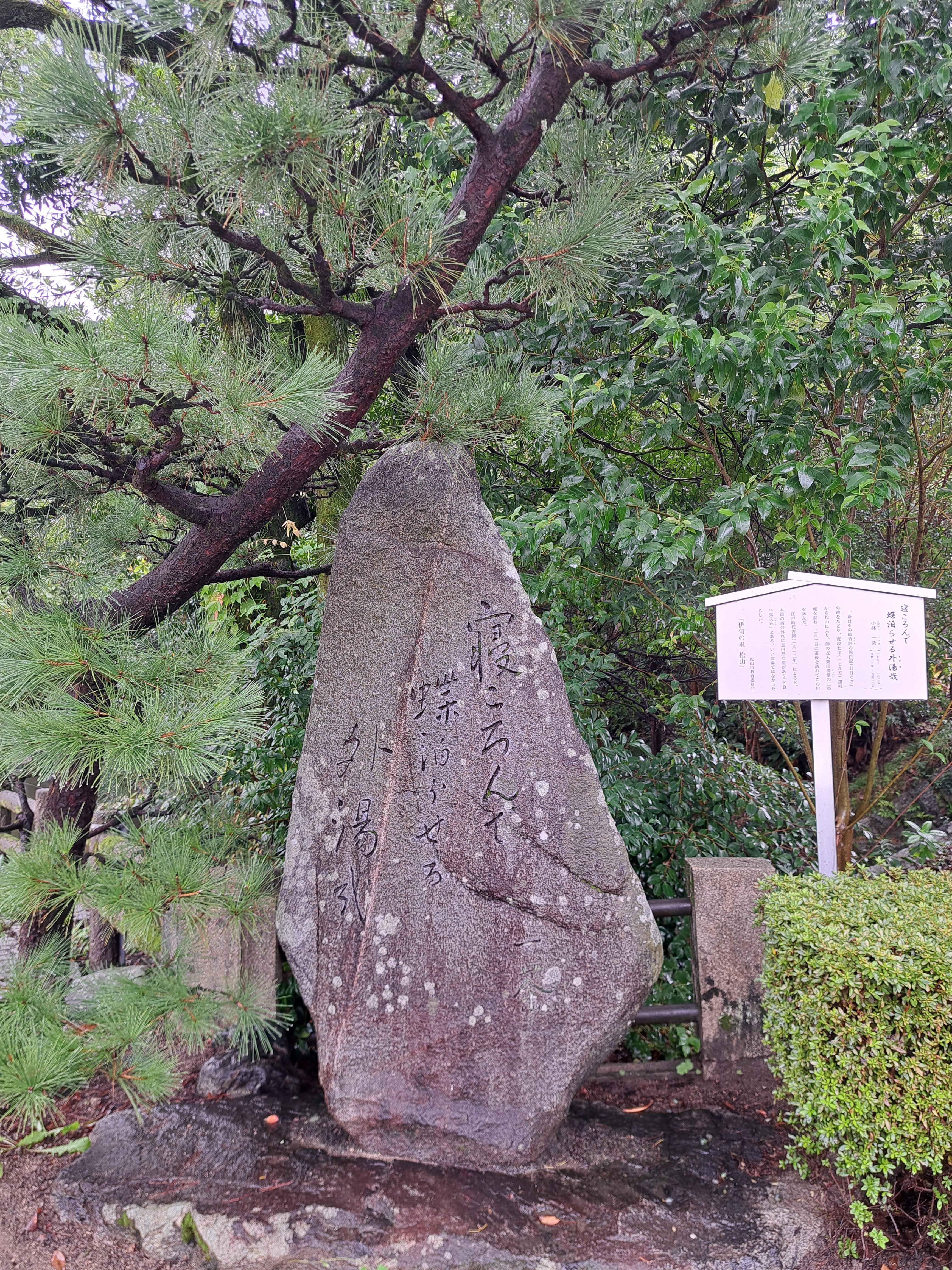
Kobayashi Issa Haiku Monument
A haiku monument for Kobayashi Issa at the north entrance of Dogo Park. It is inscribed with "Nekoronde cho tomaraseru sotoyu kana" and was erected in 1950 (Showa 25).
The Kobayashi Issa Haiku Monument stands at the north entrance of Dogo Park. It is inscribed with Issa's verse from his visit to Dogo, "Nekoronde cho tomaraseru sotoyu kana", and was erected in 1950 (Showa 25). The characters are in the hand of the Matsuyama haiku poet Sakai Mokuzen.
Kobayashi Issa (1763–1828), whose real name was Kobayashi Yataro, was a haiku poet of the late Edo period born in Kashiwabara, Shinano Province (now Shinanomachi, Nagano Prefecture). He is loved for a simple style full of everyday life, and is said to have left more than 20,000 verses in his lifetime.
Dogo Park was laid out on the site of Yuzuki Castle, and haiku monuments for Issa and Basho, as well as for poets with ties to Matsuyama, are scattered through the park.
Source: Matsuyama Shiki Memorial Museum, "Ehime no Kuhi" http://www.haiku-matsuyama.jp/dogo/212/ / "Kobayashi Issa" Wikipedia (CC BY-SA) Last confirmed: October 5, 2026
More spots in Dogo Park & Isaniwa Shrine Area
See all in this area →LA CUISINE JAPONAISE Hari
A dining establishment on the third floor of Dogo Onsen Chaharu. It features window seats facing the English garden and private rooms decorated with photographic and textile artworks, serving lunch and dinner.
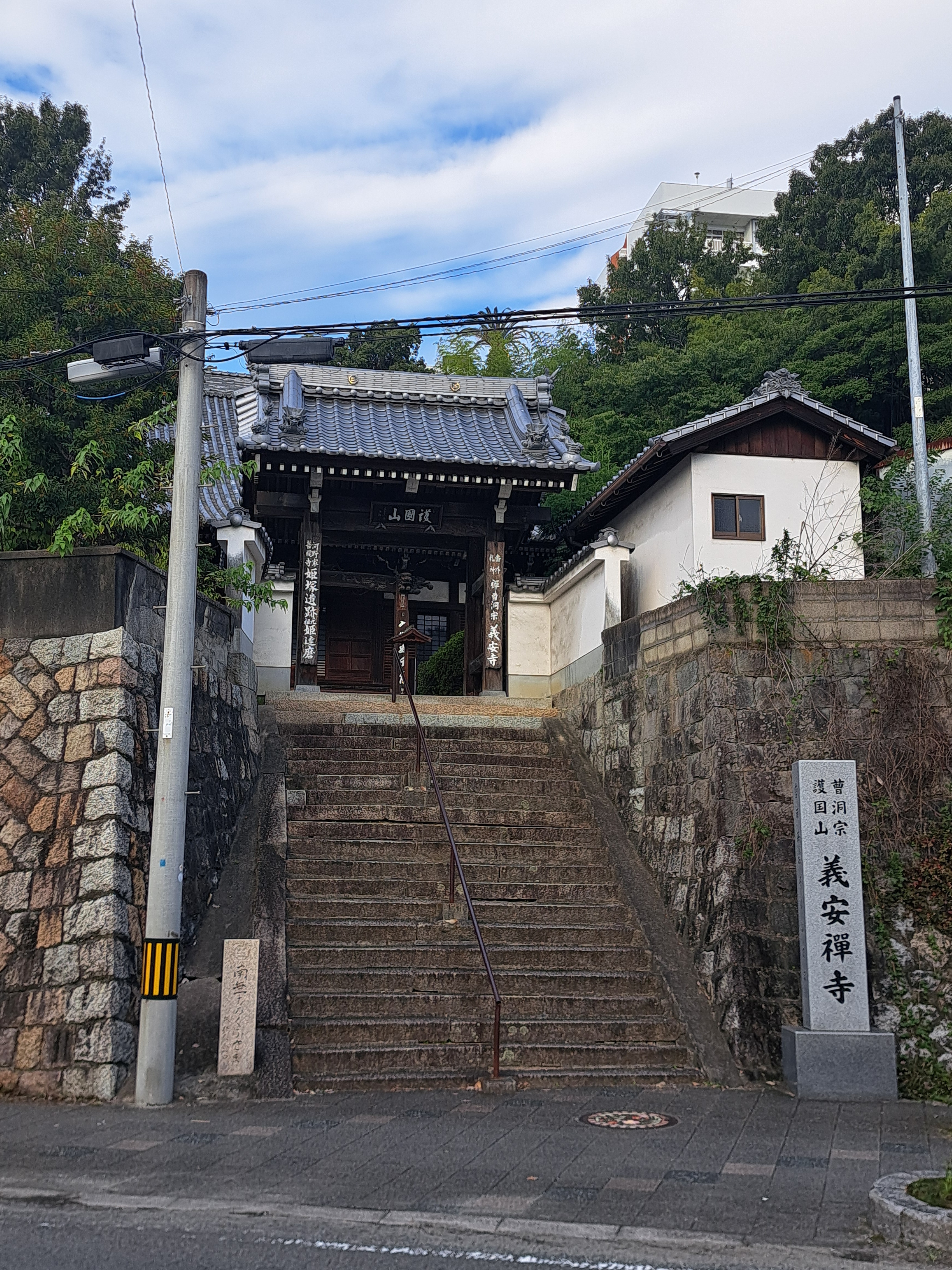
Gian-ji Temple
A temple of the Soto sect located in Dogo Himetsuka. It is a temple associated with the Kono clan, said to have been founded by Kono Hikoshiro Yoshiyasu in 1539, and is an unofficial temple (bangai fudasho) of the Shikoku 88 Temple Pilgrimage.
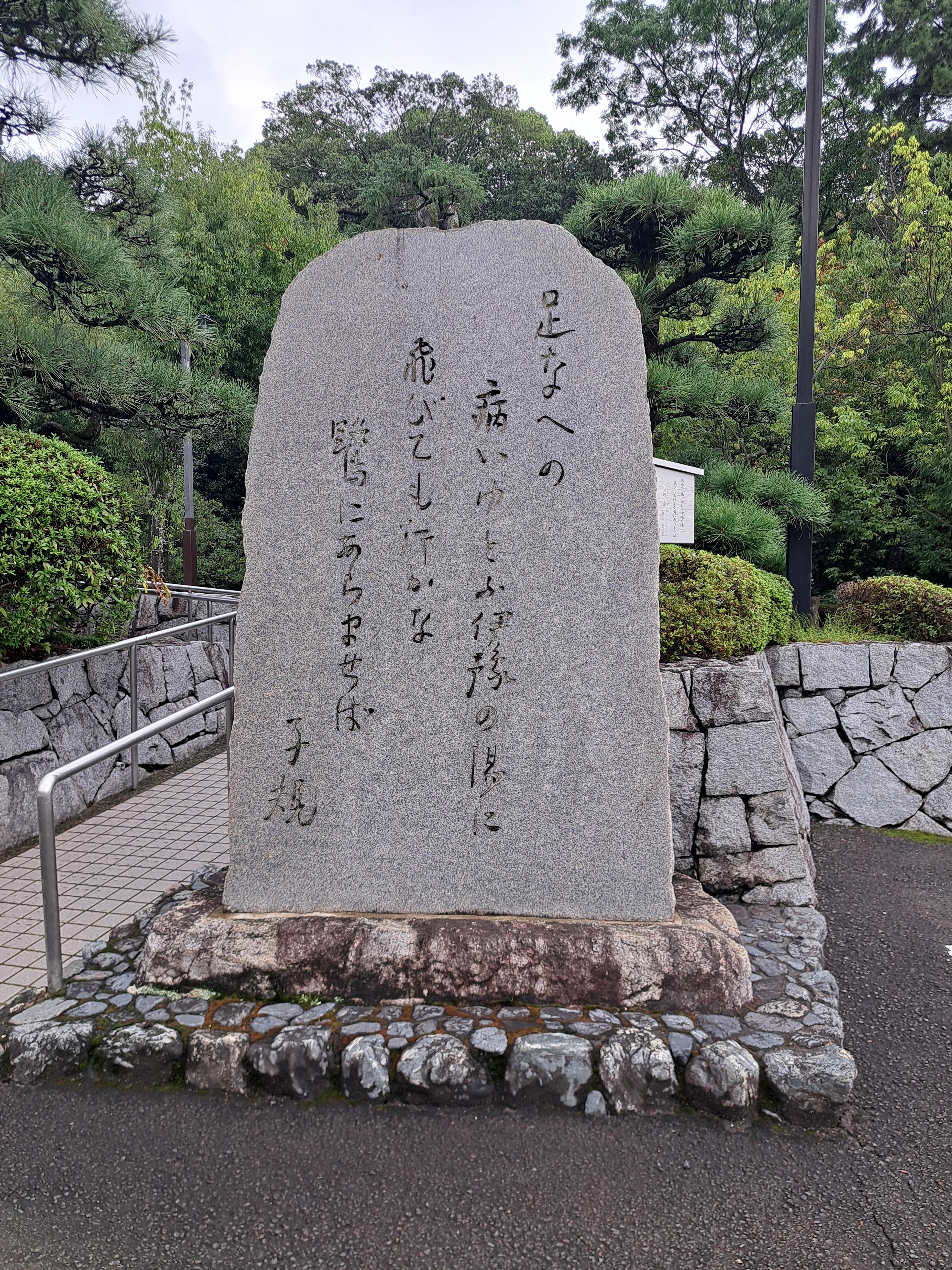
Masaoka Shiki Haiku Monument
A monument for Masaoka Shiki in Dogo Park, in front of the Shiki Memorial Museum. It is inscribed with the tanka "Ashinae no yamai iyu to fu Iyo no yu ni" and was erected for the 50th anniversary of Shiki's death in 1951 (Showa 26).
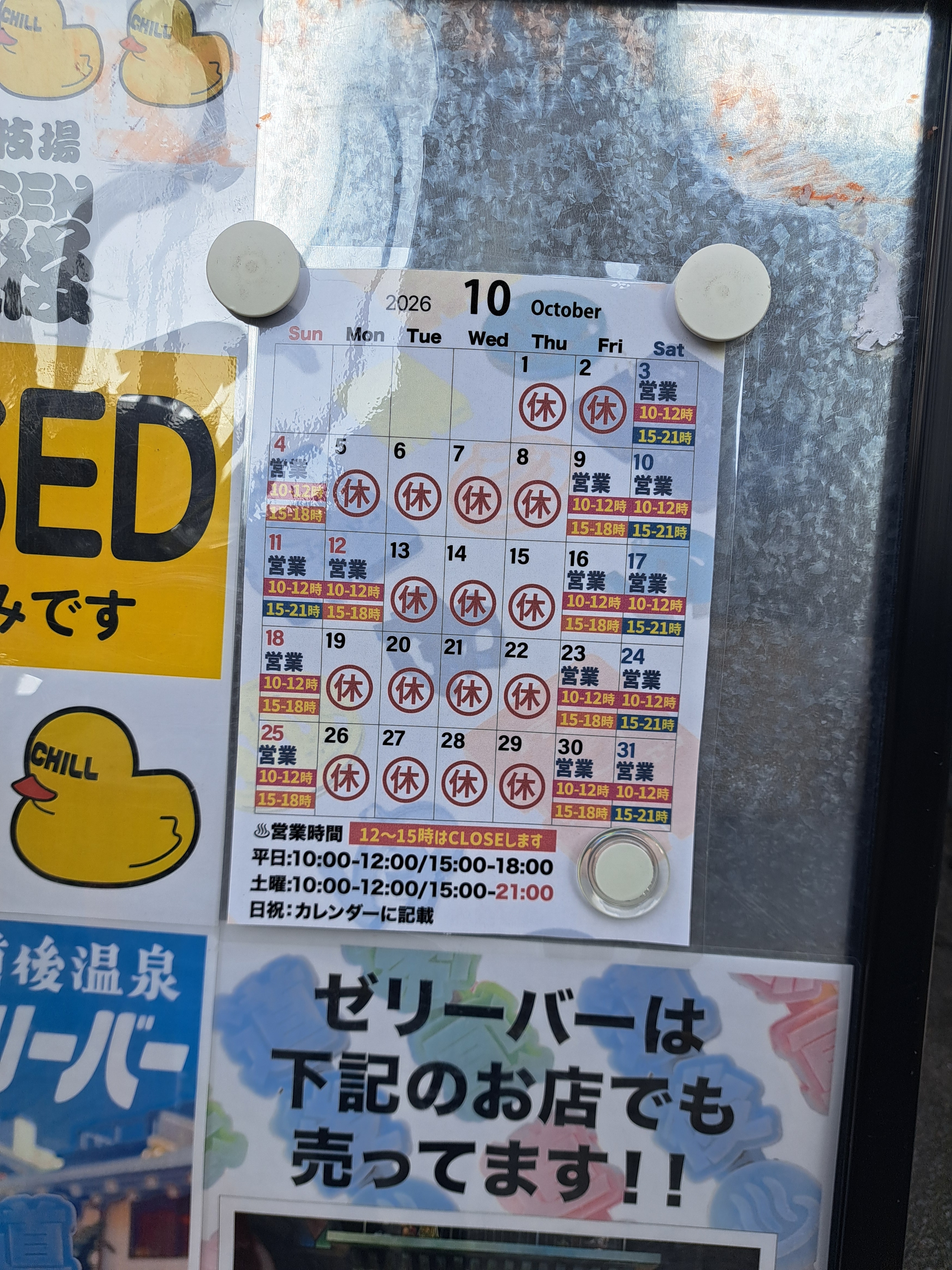
Ura Dogo
A neo-retro amusement arcade opened in 2023. Enjoy shooting games, local capsule-toy machines, and photogenic jelly ice cream.
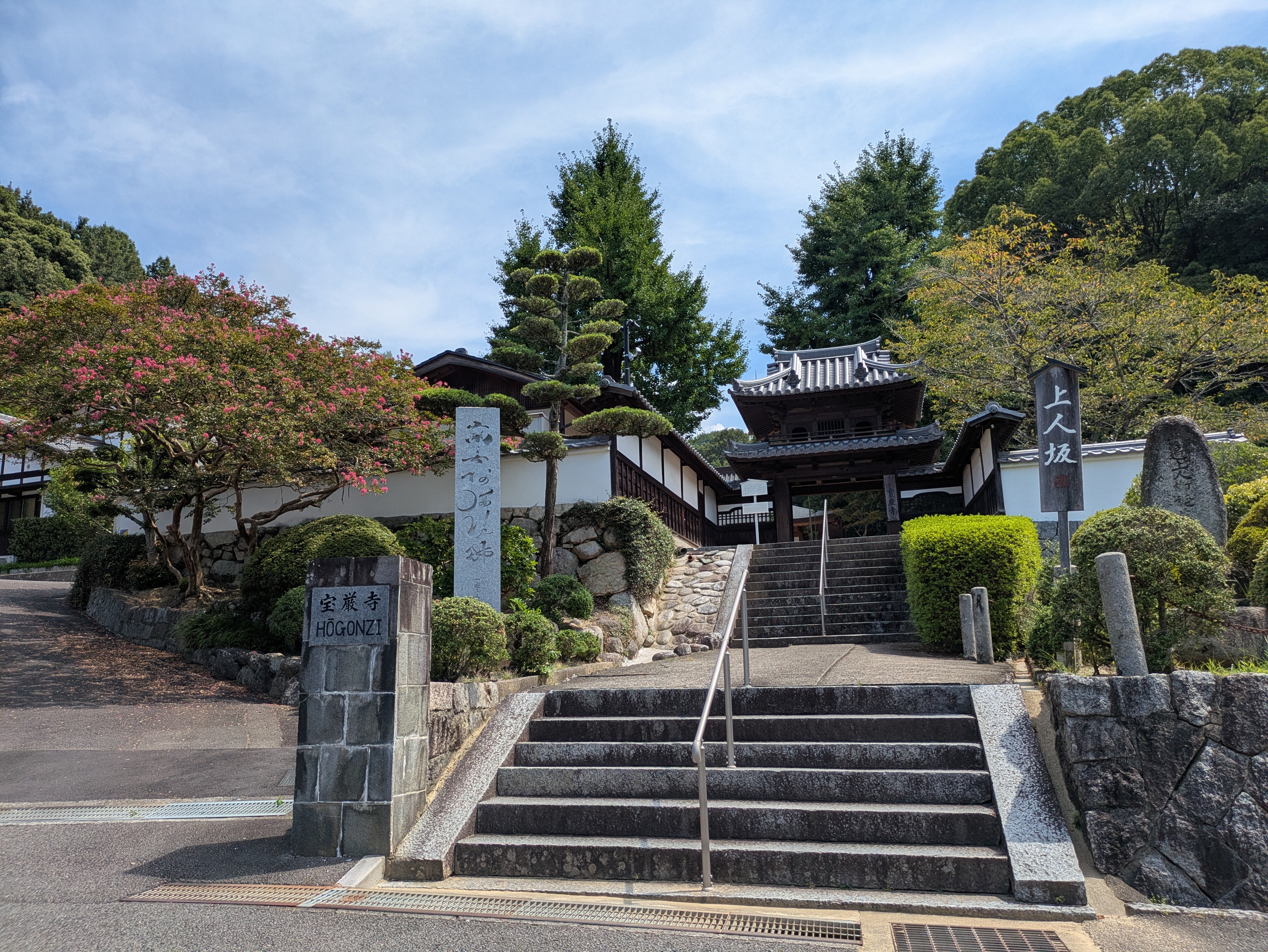
Hogon-ji Temple
A temple in Dogo said to be the birthplace of Ippen, founder of the Ji sect of Buddhism. The main hall was lost to fire in 2013 but was rebuilt in 2016.
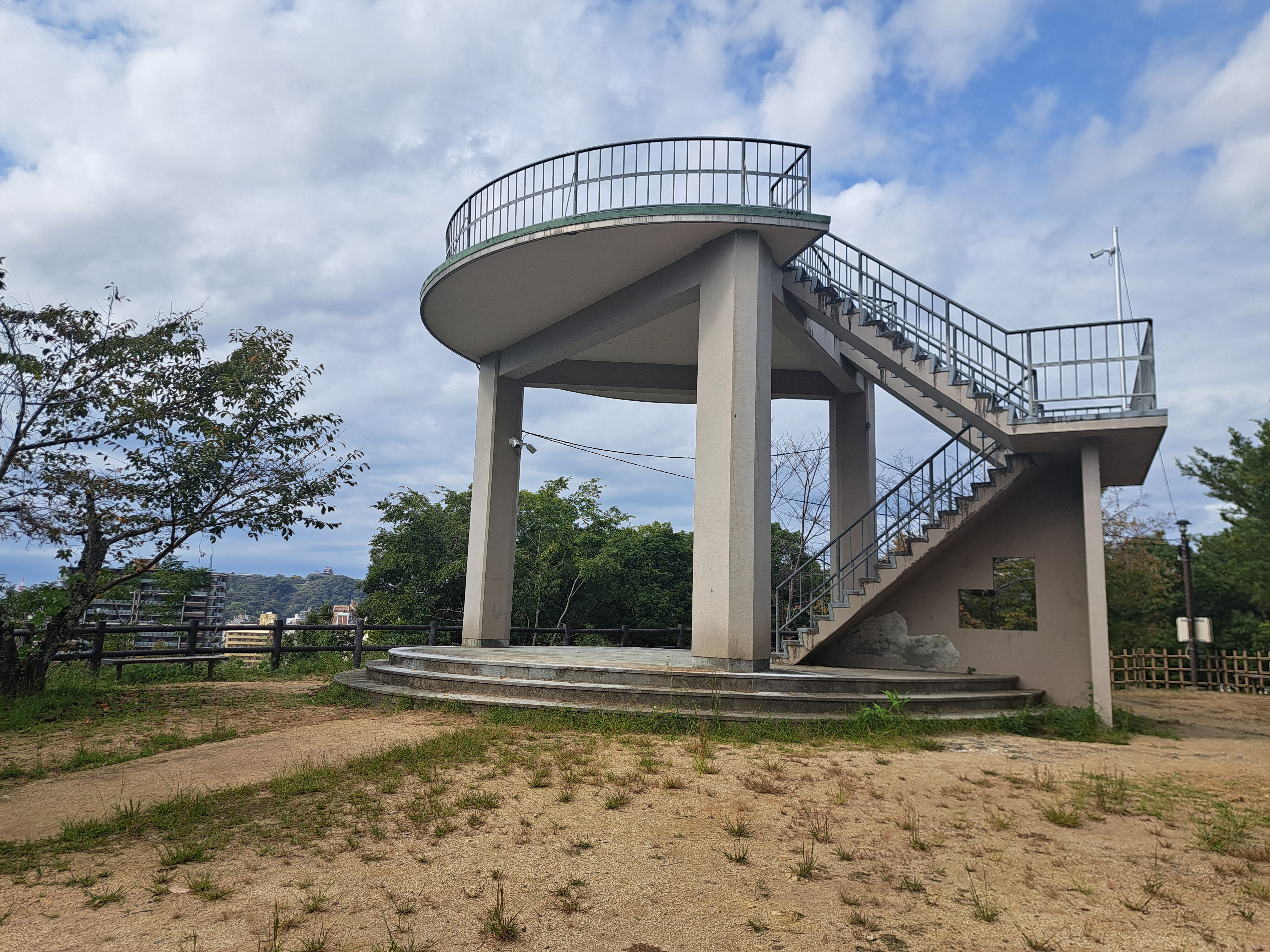
Dogo Park Observatory
An observation deck located at the top of the central elevated hill in Dogo Park, the site of Yuzuki Castle ruins. It offers views of Matsuyama Castle, the sea of Hojo, the Kutsuna Islands, and the Kururin Ferris wheel at Iyotetsu Takashimaya.
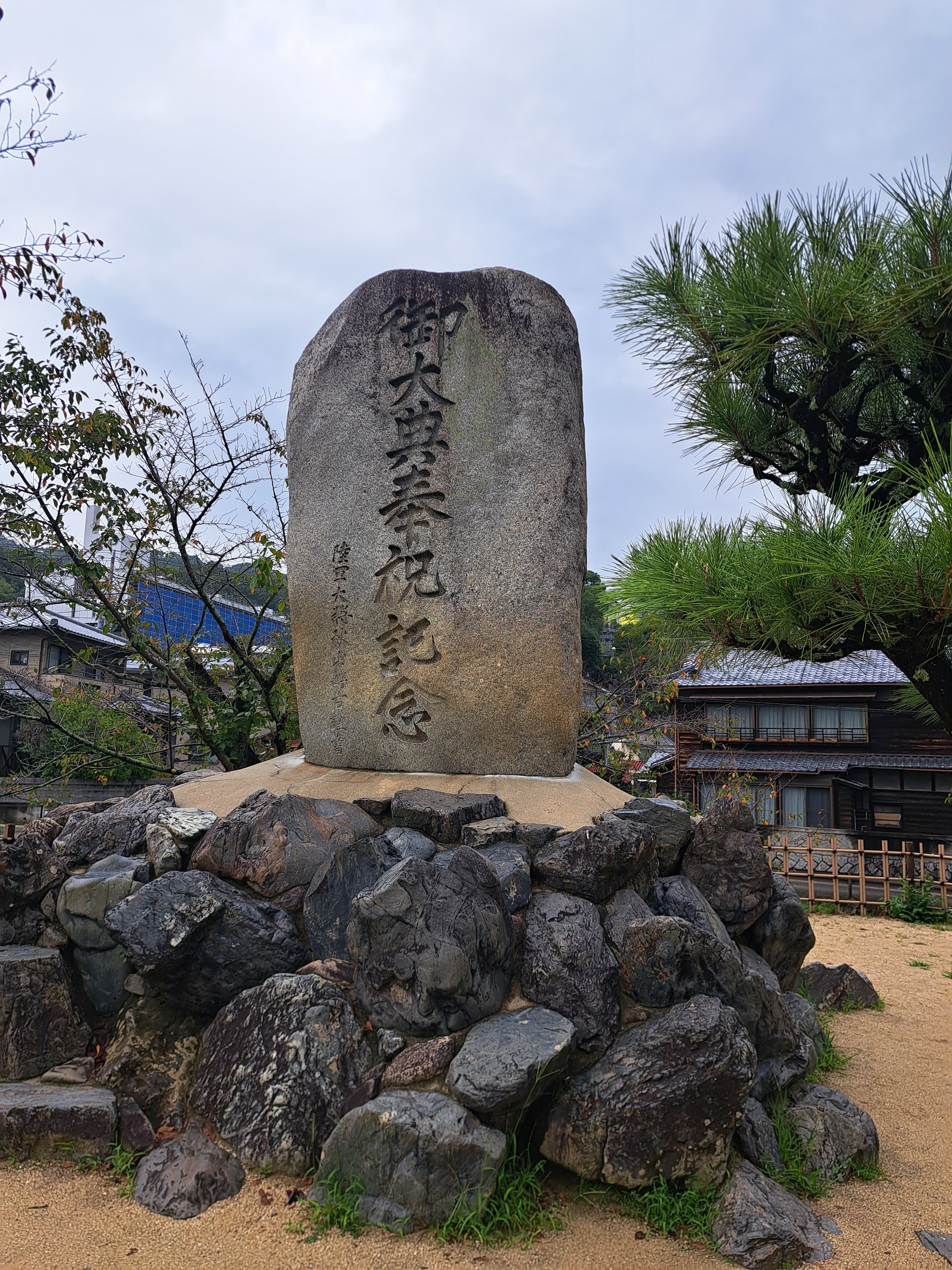
Enthronement Commemoration Monument
A monument within Dogo Park. It was erected to celebrate the Gotaiten, the imperial enthronement ceremony, and can be viewed while strolling through the park.
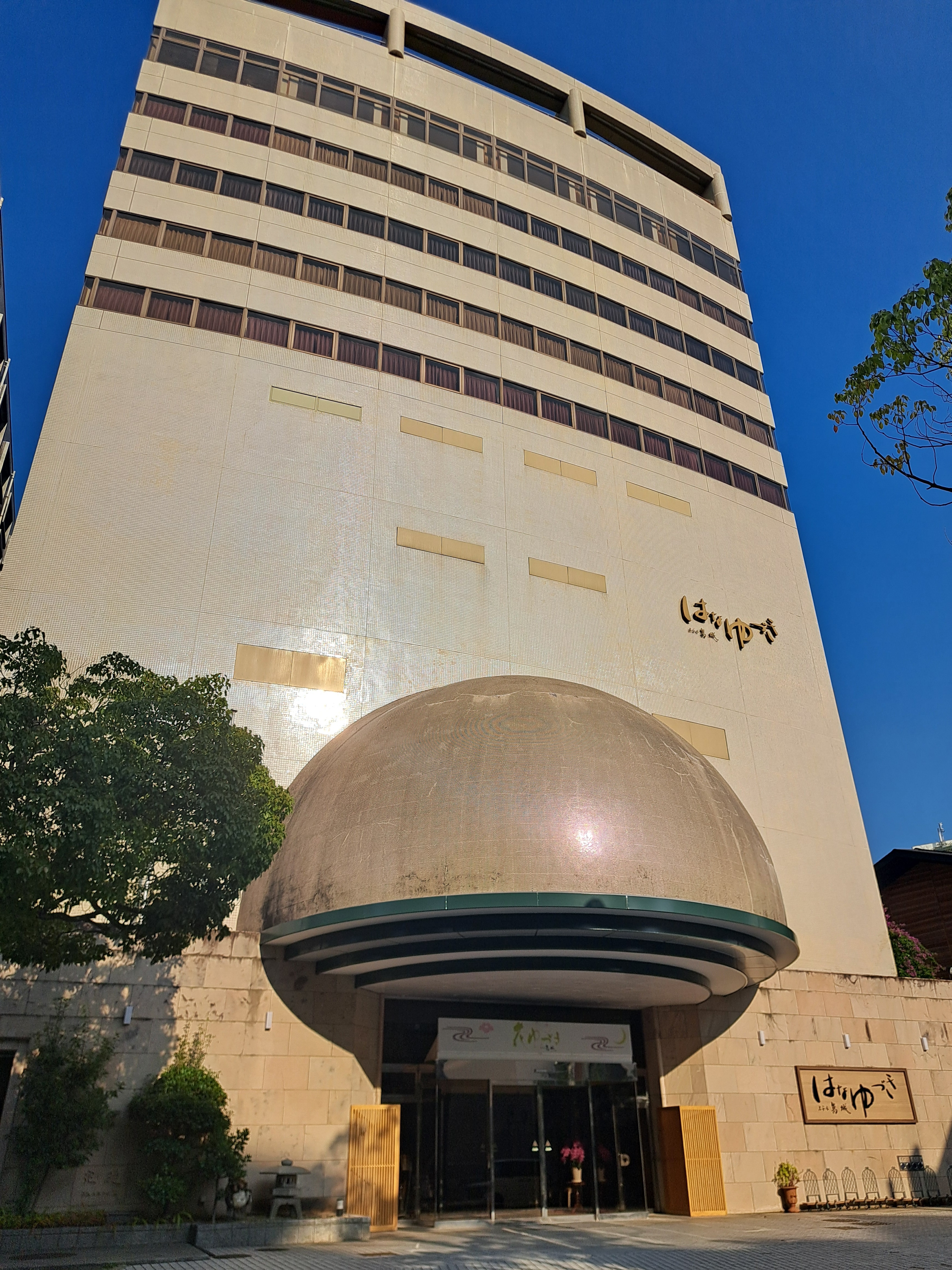
Dogo Onsen Hanayuzuki
A high-rise hot spring hotel about a 1-minute walk from Dogo Onsen Honkan. It has a rooftop open-air bath with views and serves local cuisine.
More "Stone Monuments & Poem Steles" spots
See all in this category →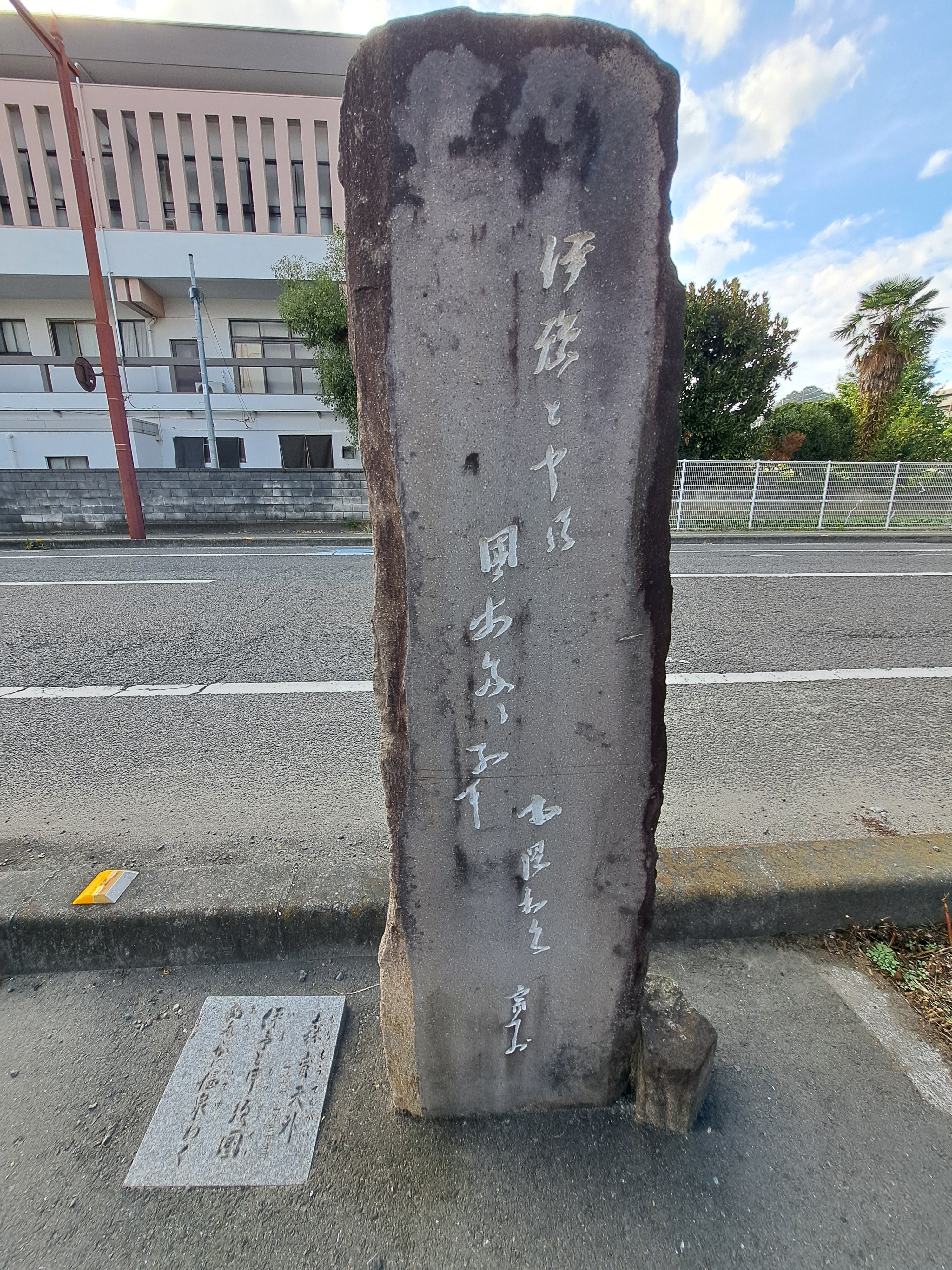
Mori Motengai Haiku Monument (Path of Haiku)
A haiku monument to Mori Motengai on the Dogo-Kitamachi side of the "Path of Haiku" in Dogo (the street east of the Ehime Prefectural Culture Hall). It is inscribed with the haiku "伊予と申す国あたゝかに温泉わく".
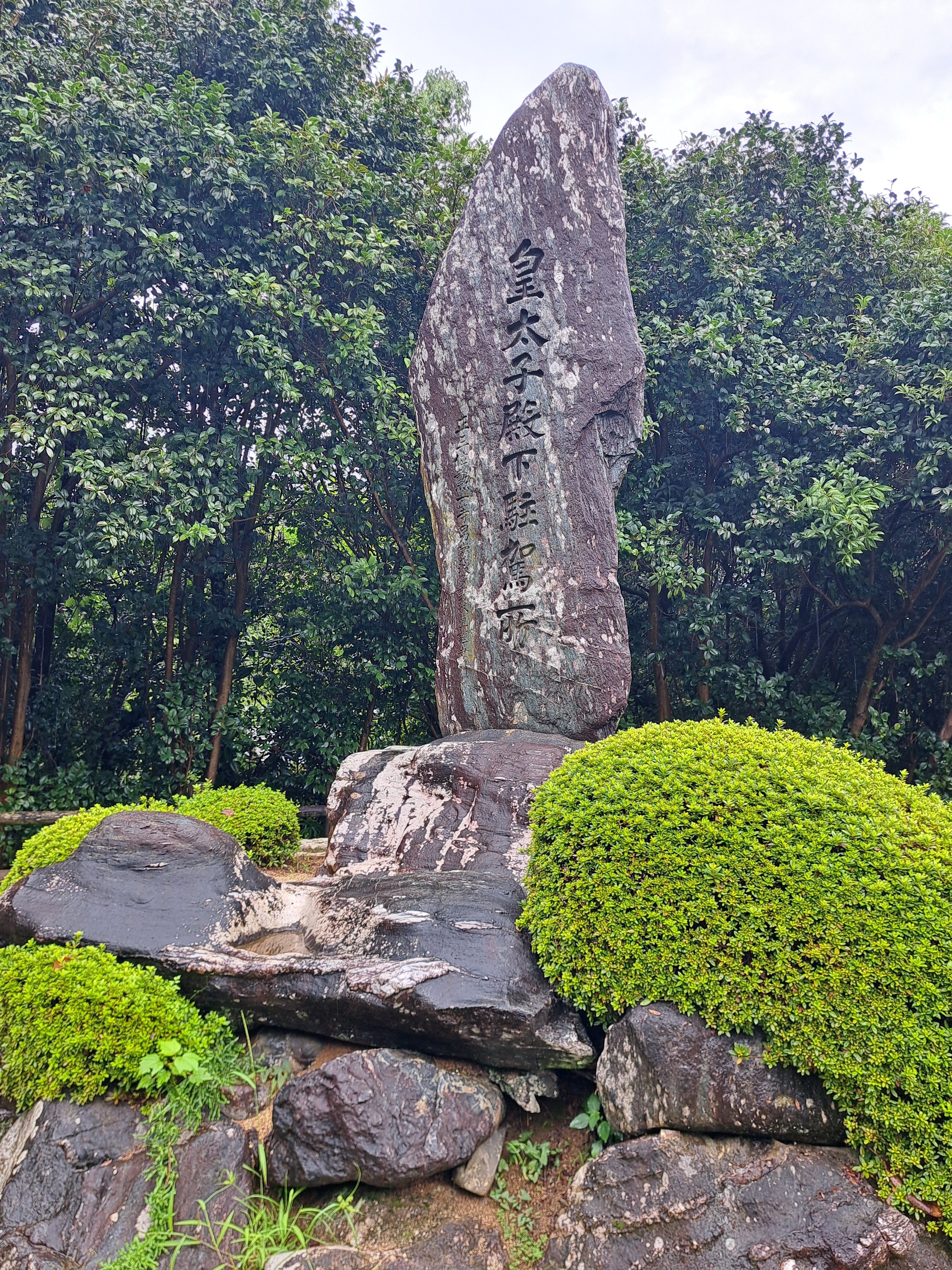
Monument to the Crown Prince's Visit
A stone monument within Dogo Park. This monument, indicating "Chugasho" (a place where the Crown Prince stopped), can be seen while strolling around the park.
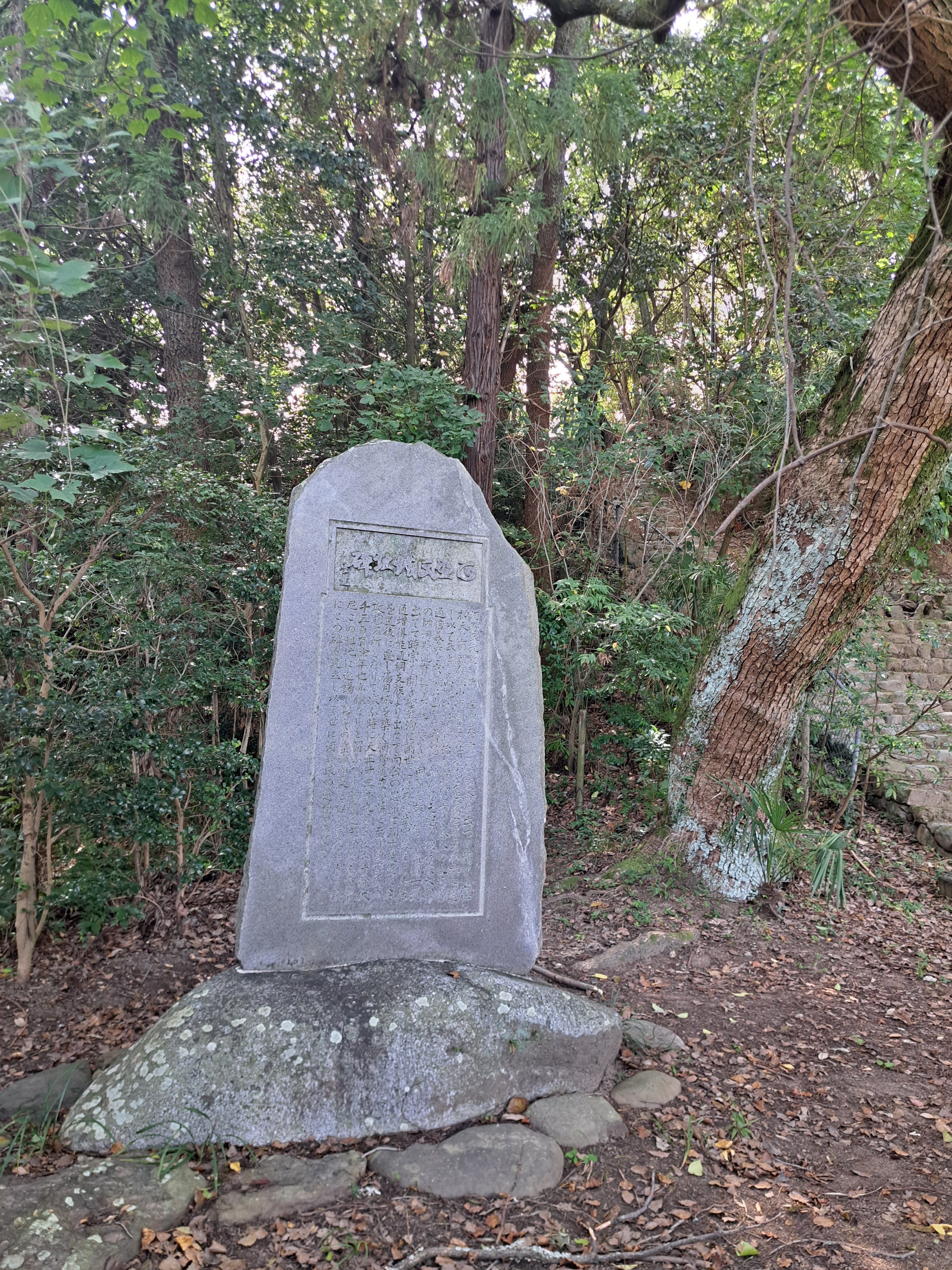
Kono Clan Castle Site Monument
The Kono clan castle site monument in Dogo Park (the site of Yuzuki Castle). It records the history of the Kono clan, who based themselves here in the medieval period, and was erected in 1941 (Showa 16). It is one of the stops on Dogo Park's haiku monument tour.
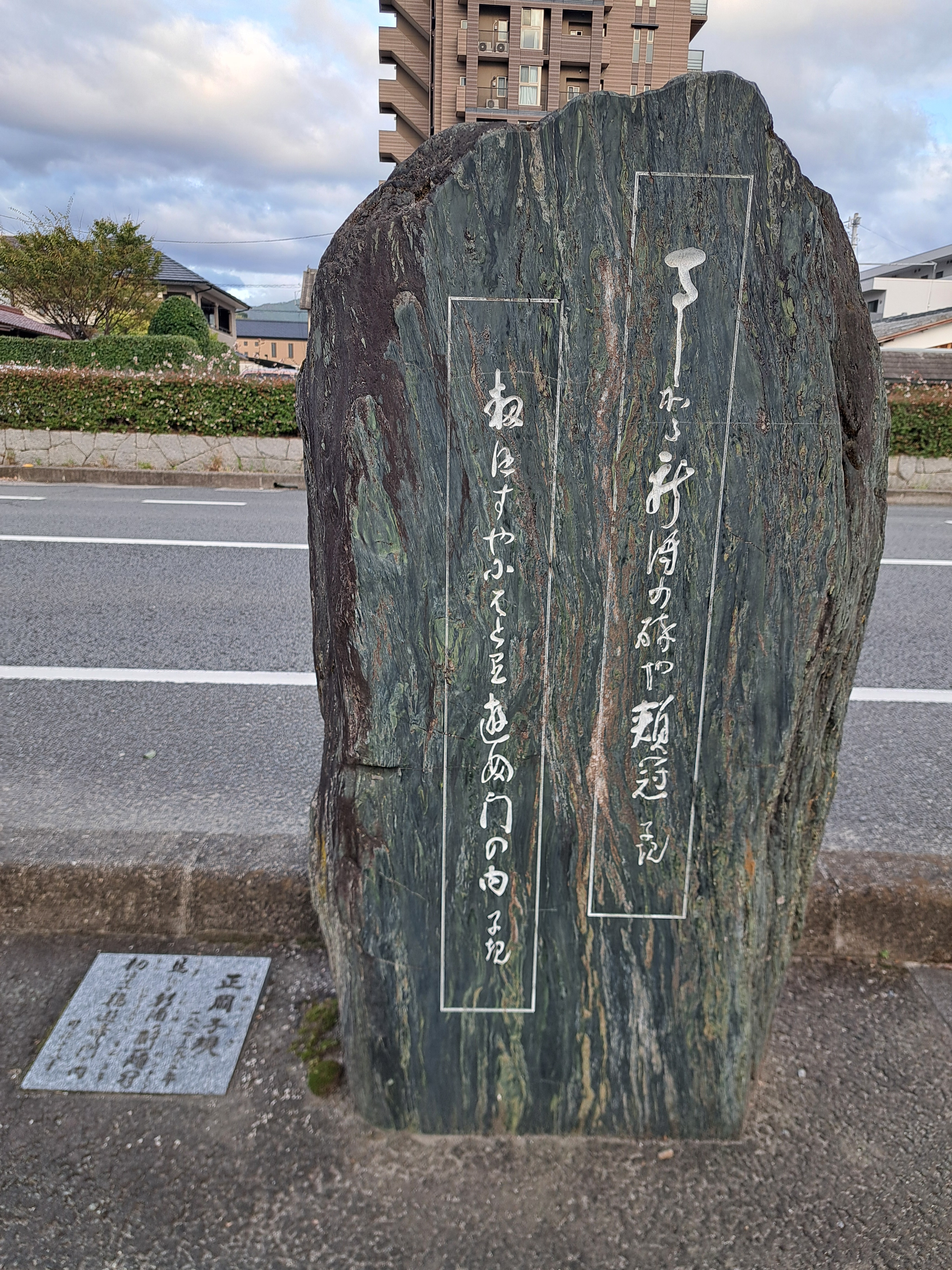
Masaoka Shiki Haiku Monument "Uma shikaru" (Path of Haiku)
A haiku monument to Masaoka Shiki on the Dogo-machi 2-chome side of the "Path of Haiku" in Dogo (the street east of the Ehime Prefectural Culture Hall). It is inscribed with the haiku "馬しかる新酒の酔や頬冠".
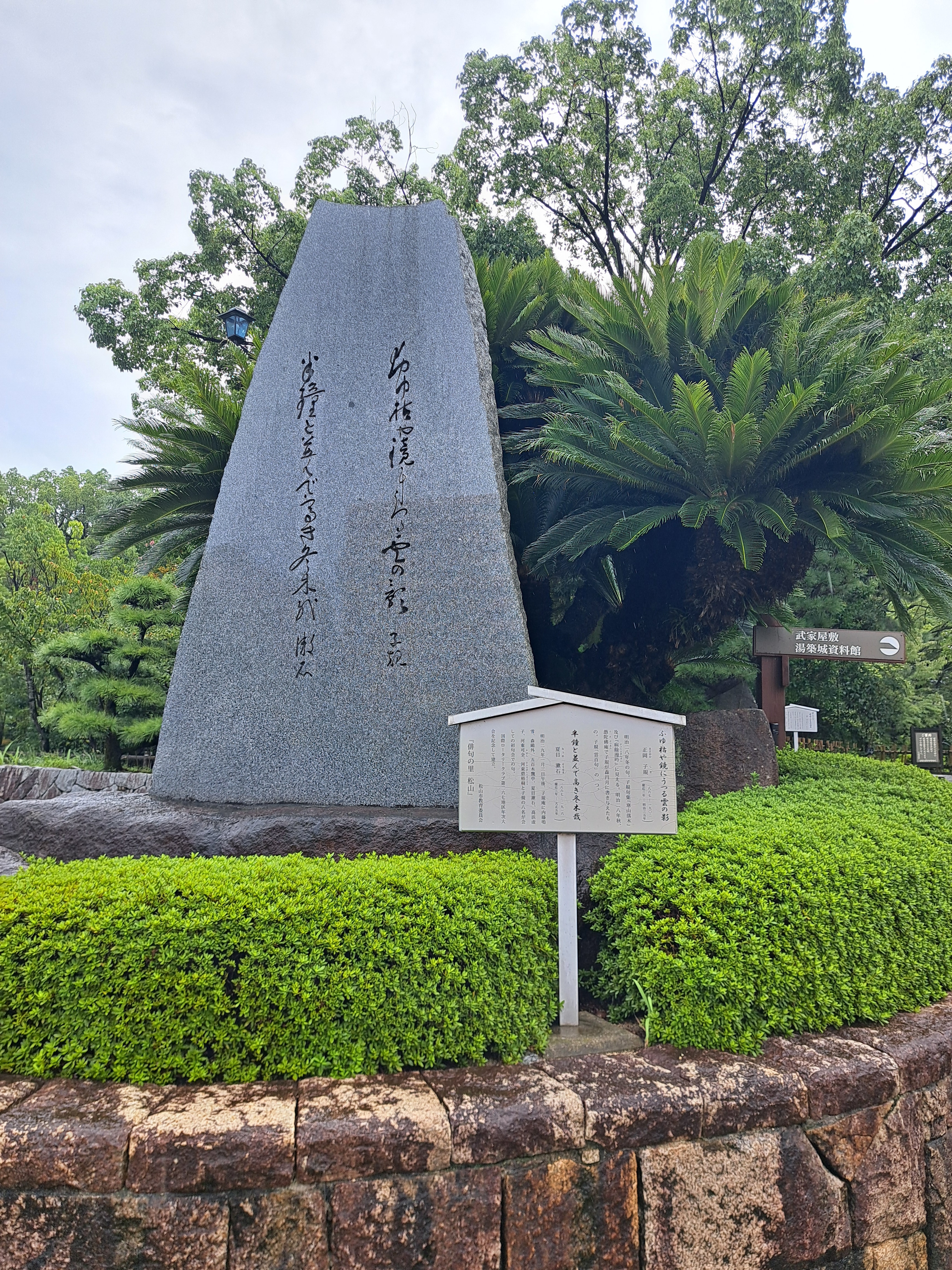
Natsume Soseki Haiku Monument
A haiku monument at the north entrance of Dogo Park. It carries Natsume Soseki's "Hansho to narande takaki fuyuki kana" side by side with a verse by Masaoka Shiki, and was erected in 1986 (Showa 61).
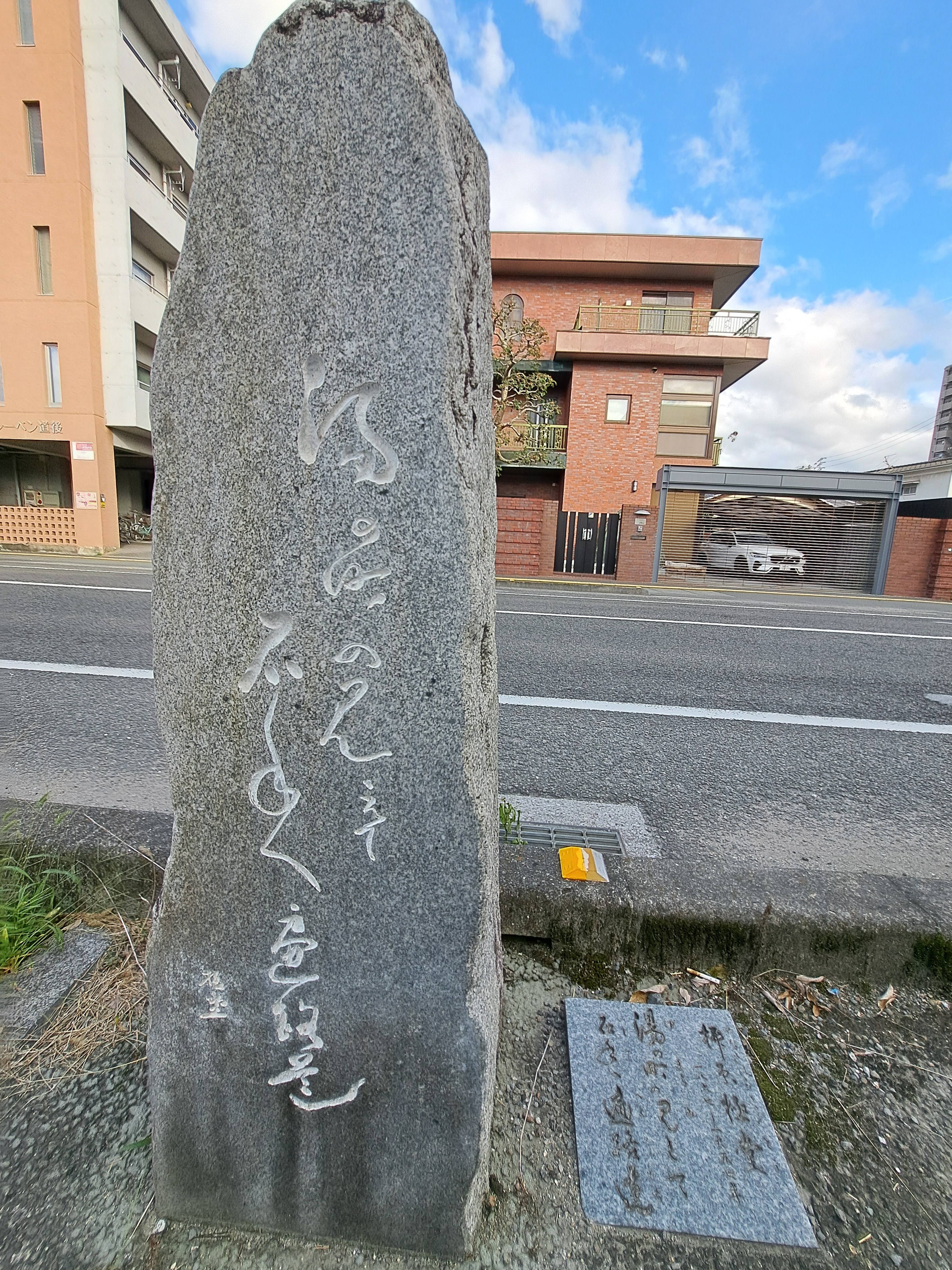
Yanagihara Kyokudo Haiku Monument (Path of Haiku)
A haiku monument to Yanagihara Kyokudo on the Dogo-Kitamachi side of the "Path of Haiku" in Dogo (the street east of the Ehime Prefectural Culture Hall). It is inscribed with the haiku "湯の町の見えて石手へ遍路道".
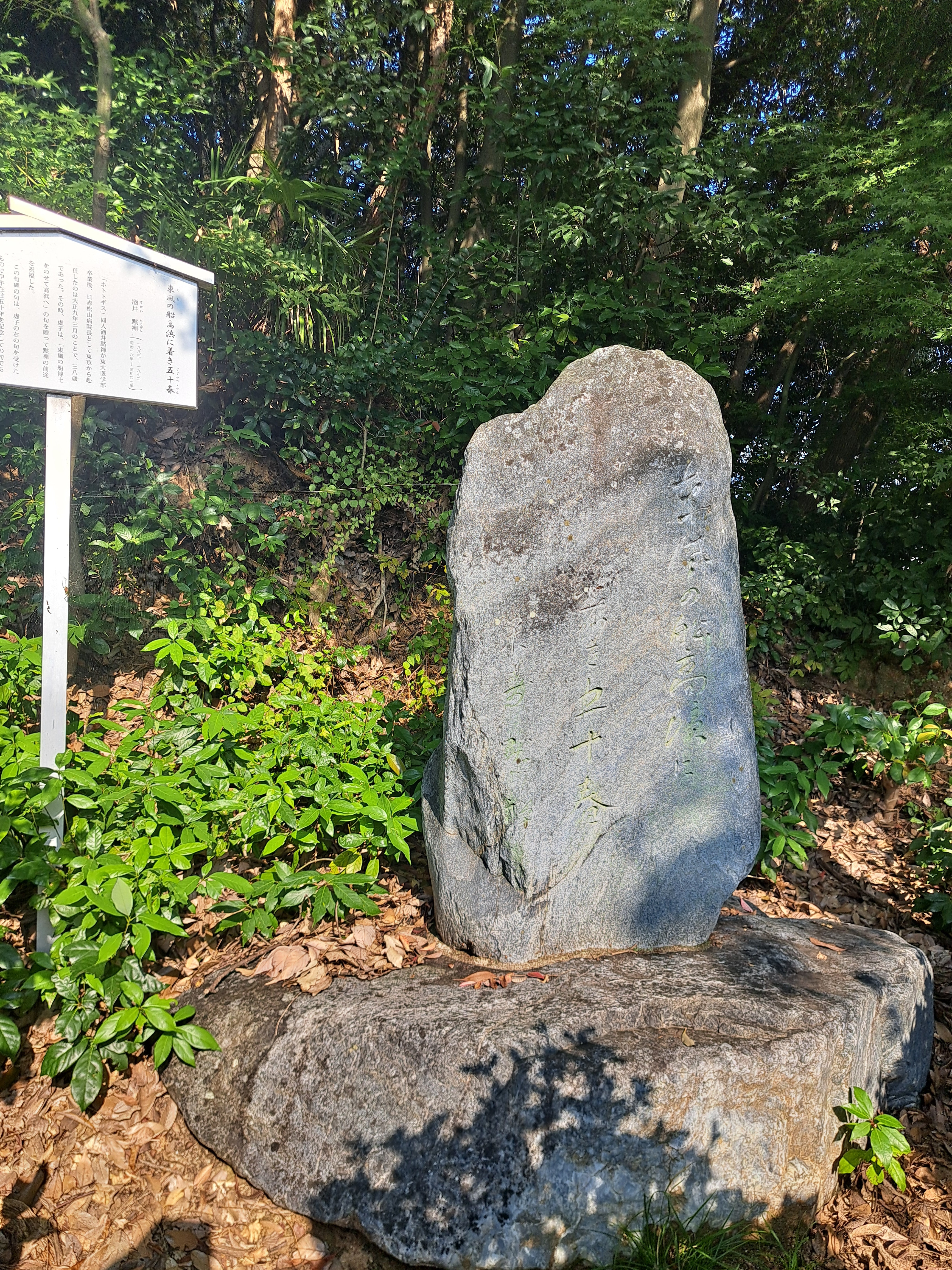
Sakai Mokuzen Haiku Monument (Matsuyama Shrine)
A haiku monument for Sakai Mokuzen on the right side of the approach to Matsuyama Shrine. It is inscribed with "Kochi no fune Takahama ni tsuki gojuharu" and was erected in 1972 (Showa 47).
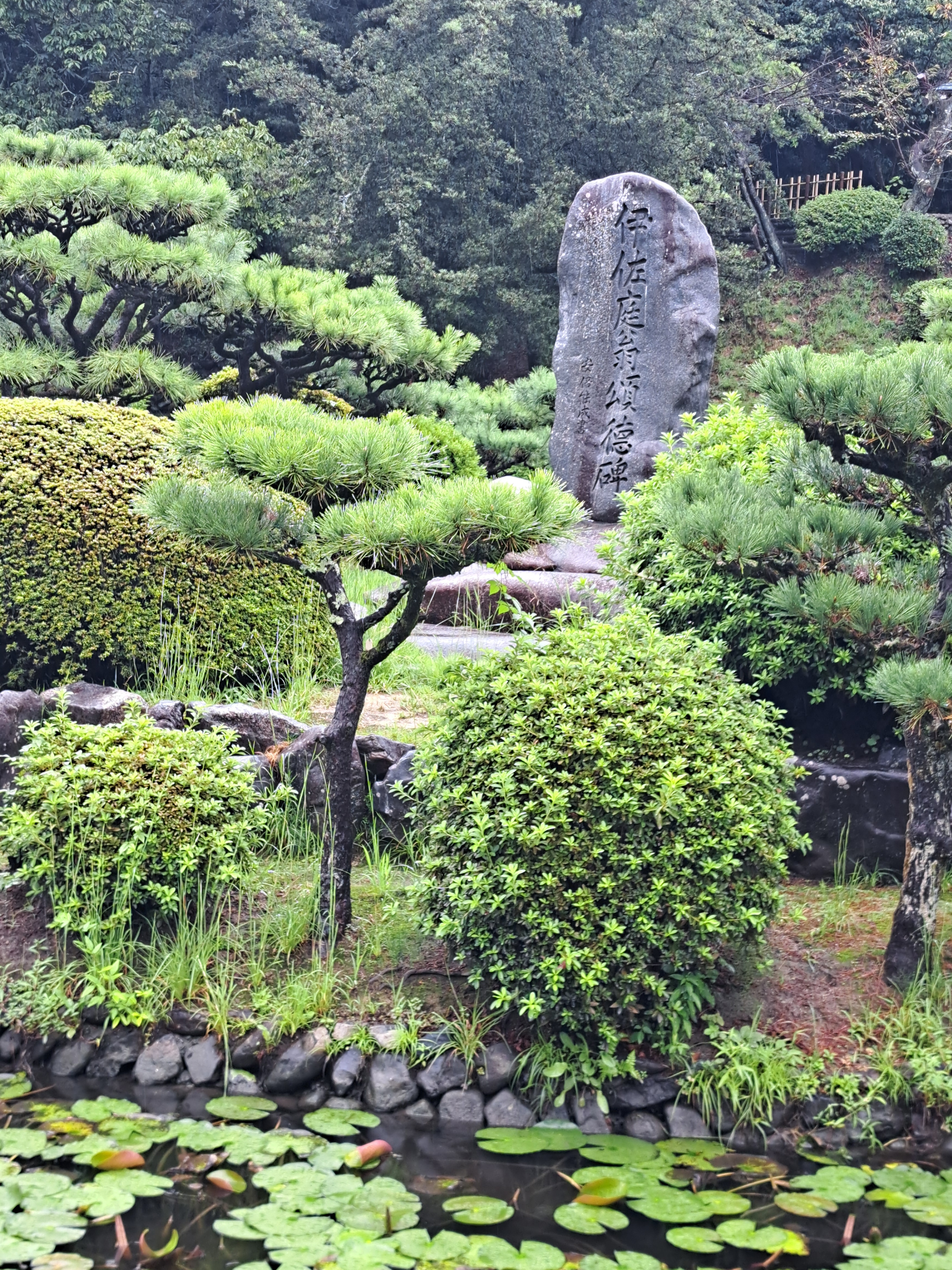
Monument to the Merits of Isaniwa
A monument in Dogo Park. It honours Isaniwa Yukiya, the first mayor of Dogo Yunomachi, who led the 1894 (Meiji 27) rebuilding of Dogo Onsen Honkan. The Honkan is a nationally designated Important Cultural Property.