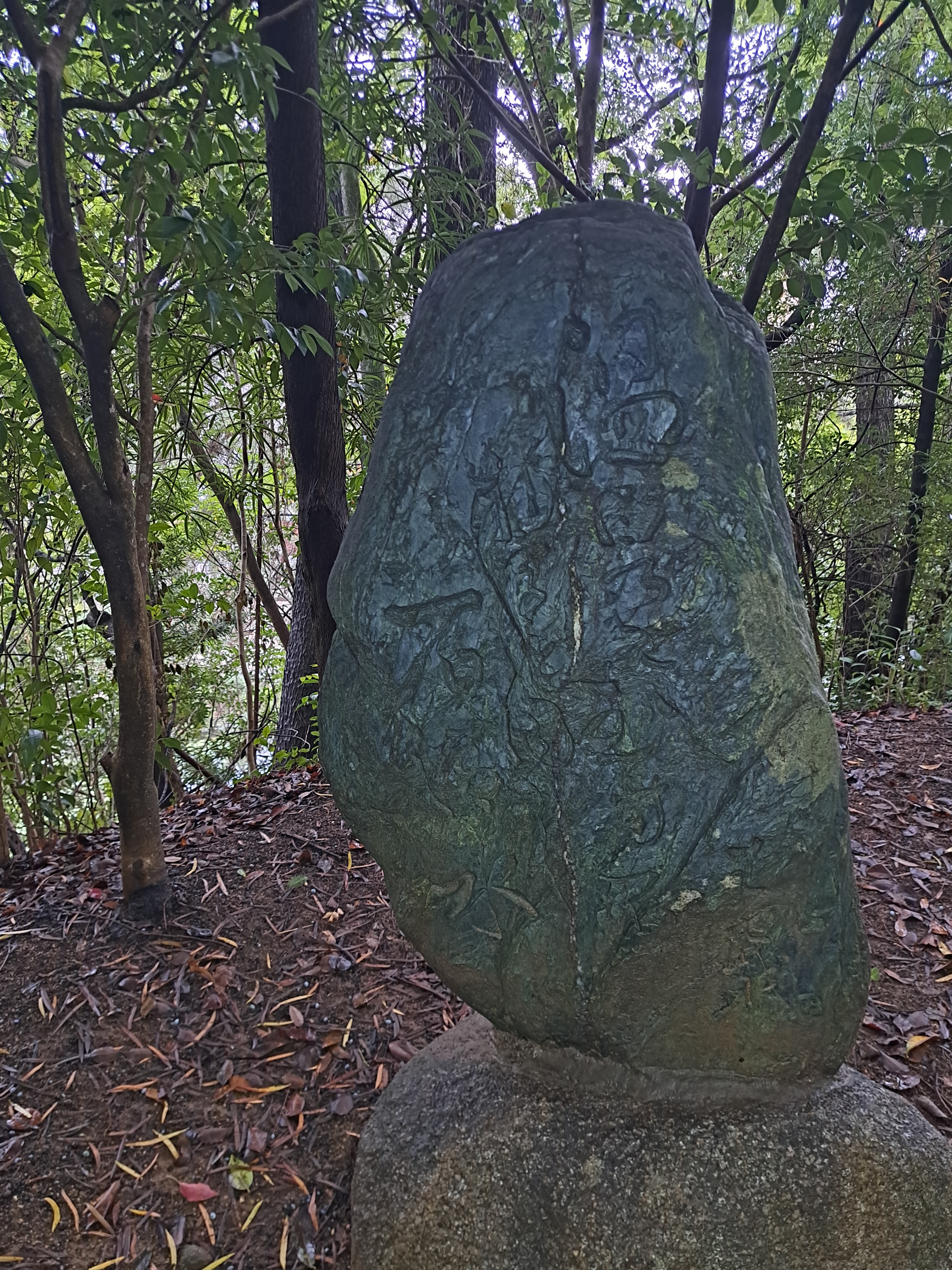
Matsuo Basho Haiku Monument
This is a haiku monument of Matsuo Basho in Dogo Park. It transmits a haiku of Matsuo Basho, a poet of the early Edo period known as the Sage of Haiku.
The Matsuo Basho Haiku Monument is a haiku monument located in Dogo Park (Yuzuki Castle Ruins). Matsuo Basho (1644–1694), whose real name was Matsuo Munefusa, was a haiku poet of the early Edo period born in Iga Province (present-day Iga City, Mie Prefecture). Known for his travelogue "Oku no Hosomichi" and other works, he established the "Shofu" style, which emphasized sabi and karumi, and was later revered as the "Haiku Saint." One of his representative haiku is "Furuike ya kawazu tobikomu mizu no oto."
Dogo Park is a park developed from the medieval Yuzuki Castle Ruins, and along with the haiku monument, traces of earthen ramparts and moats remain inside the park, making it known as a place for historical walks. Befitting Matsuyama, a city of haiku, haiku monuments of Basho and other poets are scattered in the surrounding area, and they are popular as landmarks for literary walks.
Source: "Matsuo Basho" Wikipedia (CC BY-SA) and others. Please check the local information board for the content of the haiku and the history of its establishment. Last verified: July 10, 2026
More spots in Dogo Park & Isaniwa Shrine Area
See all in this area →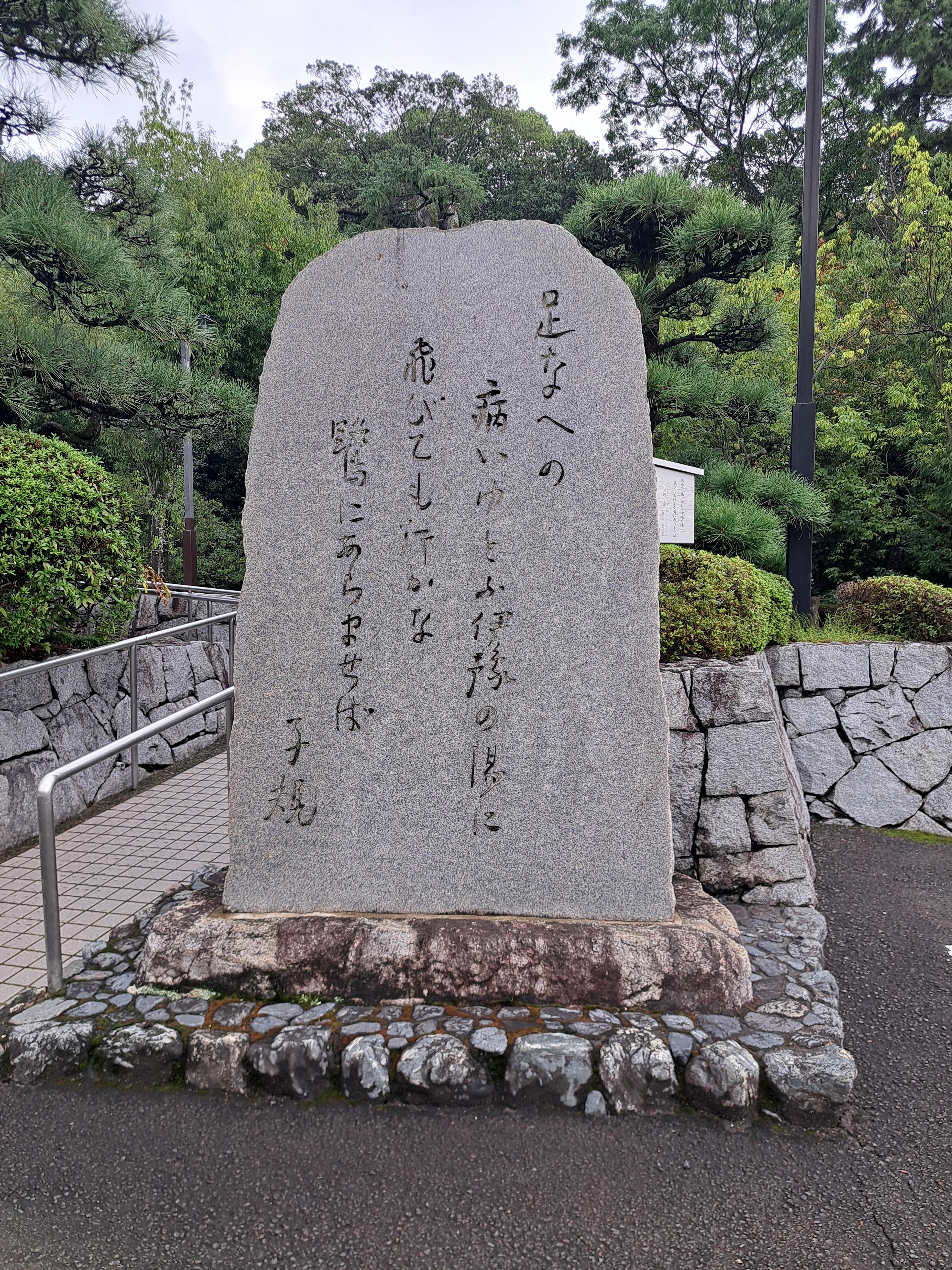
Masaoka Shiki Haiku Monument
A monument for Masaoka Shiki in Dogo Park, in front of the Shiki Memorial Museum. It is inscribed with the tanka "Ashinae no yamai iyu to fu Iyo no yu ni" and was erected for the 50th anniversary of Shiki's death in 1951 (Showa 26).
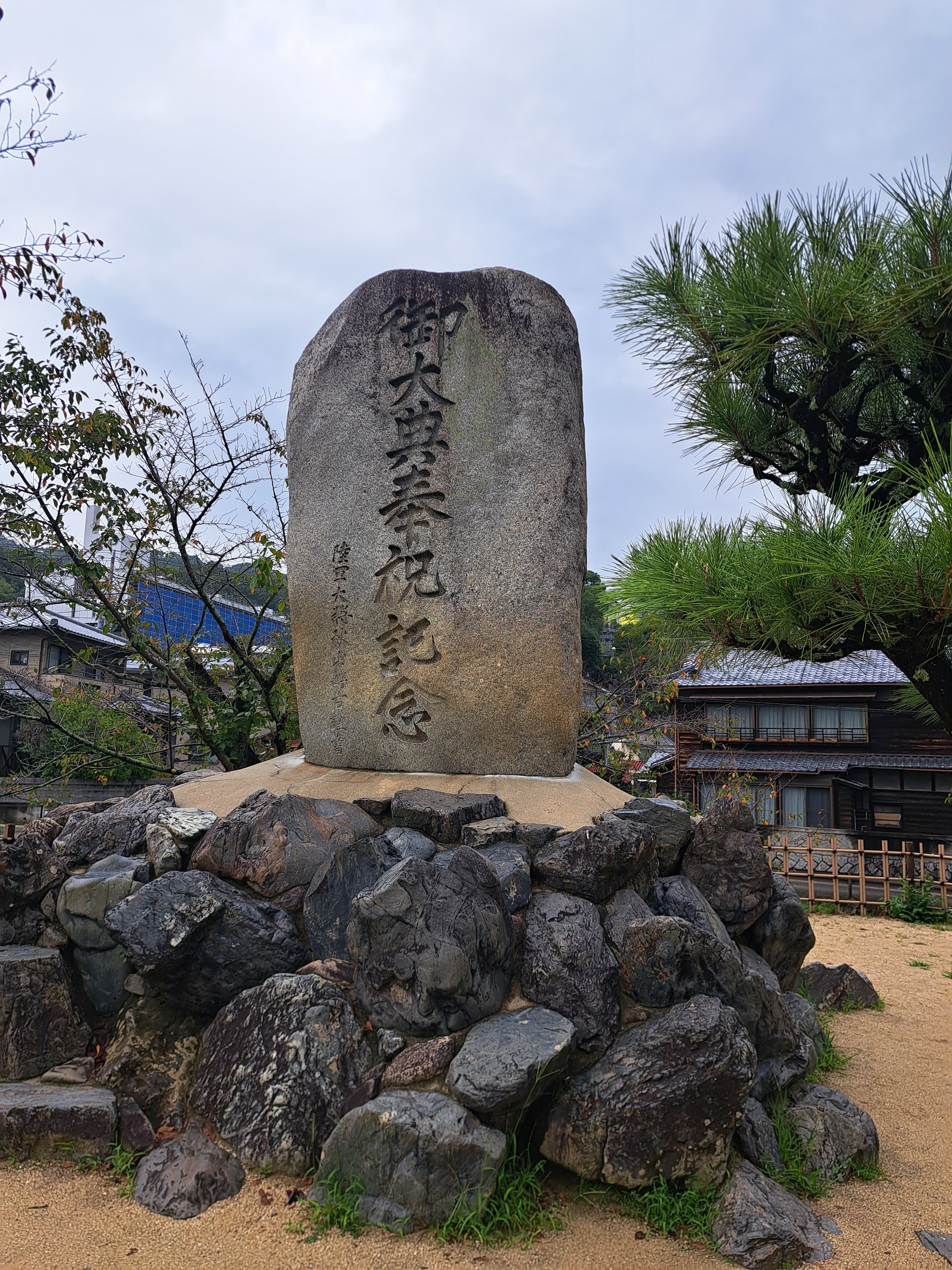
Enthronement Commemoration Monument
A monument within Dogo Park. It was erected to celebrate the Gotaiten, the imperial enthronement ceremony, and can be viewed while strolling through the park.
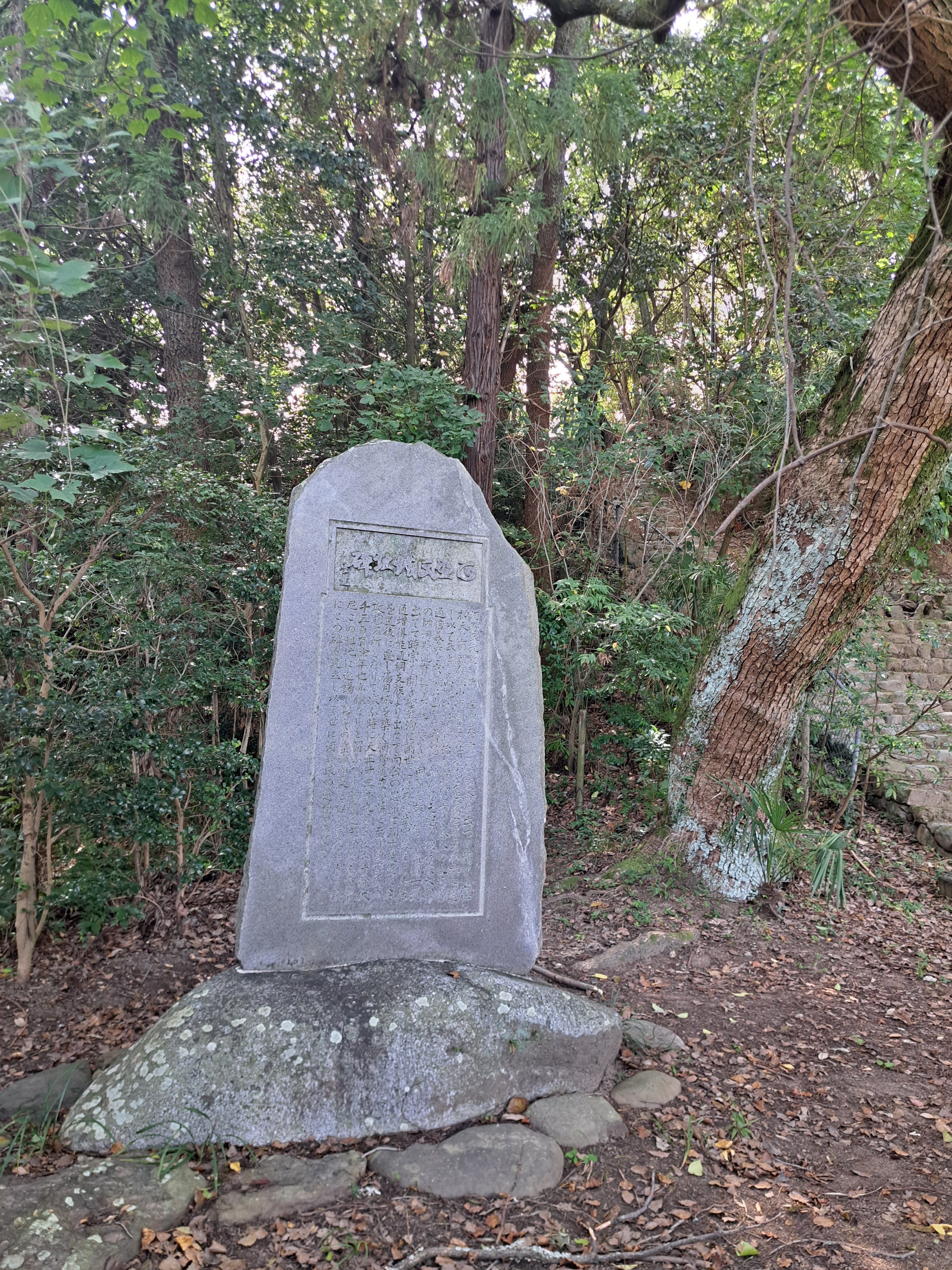
Kono Clan Castle Site Monument
The Kono clan castle site monument in Dogo Park (the site of Yuzuki Castle). It records the history of the Kono clan, who based themselves here in the medieval period, and was erected in 1941 (Showa 16). It is one of the stops on Dogo Park's haiku monument tour.
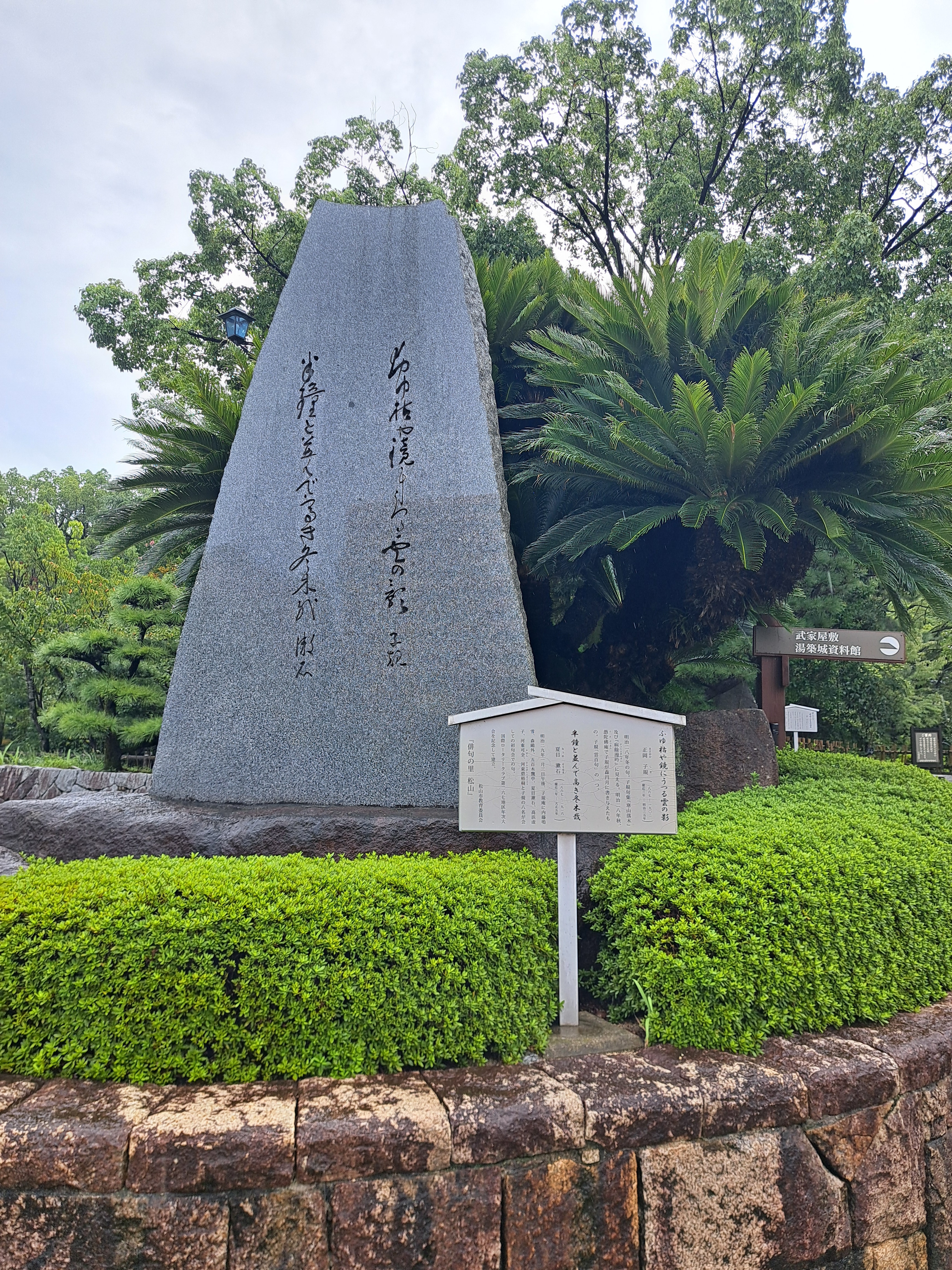
Natsume Soseki Haiku Monument
A haiku monument at the north entrance of Dogo Park. It carries Natsume Soseki's "Hansho to narande takaki fuyuki kana" side by side with a verse by Masaoka Shiki, and was erected in 1986 (Showa 61).
Kimono Bar -CHAHARU-
A bar located on the 1st floor of Dogo Onsen Chaharu. It serves sake, cocktails, local beer, and more in a Japanese-style space. It is open on Thursday through Sunday nights.
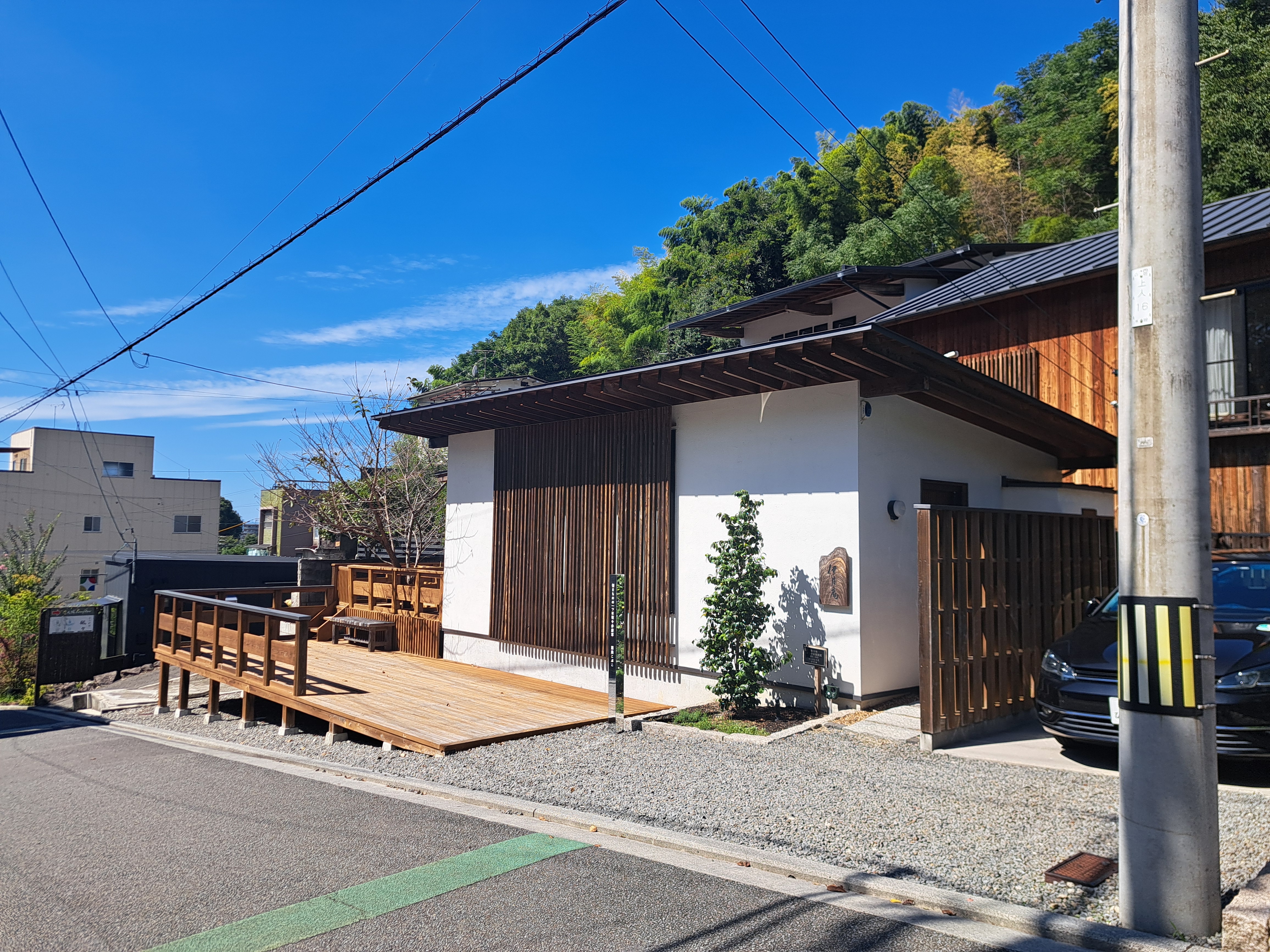
Igetsuan
A haiku hermitage located on Shoninzaka in Dogo Yuzukicho. Completed in 2018, it is considered the fourth hermitage in Matsuyama, following Koshin-an, Gudabutsu-an, and Isso-an. It can be used for haiku gatherings and other events on a reservation basis.
Yuzuki Castle Museum
A free museum in Dogo Park (Yuzuki Castle ruins). It conveys Yuzuki Castle through excavated artifacts and reconstructed samurai residences.
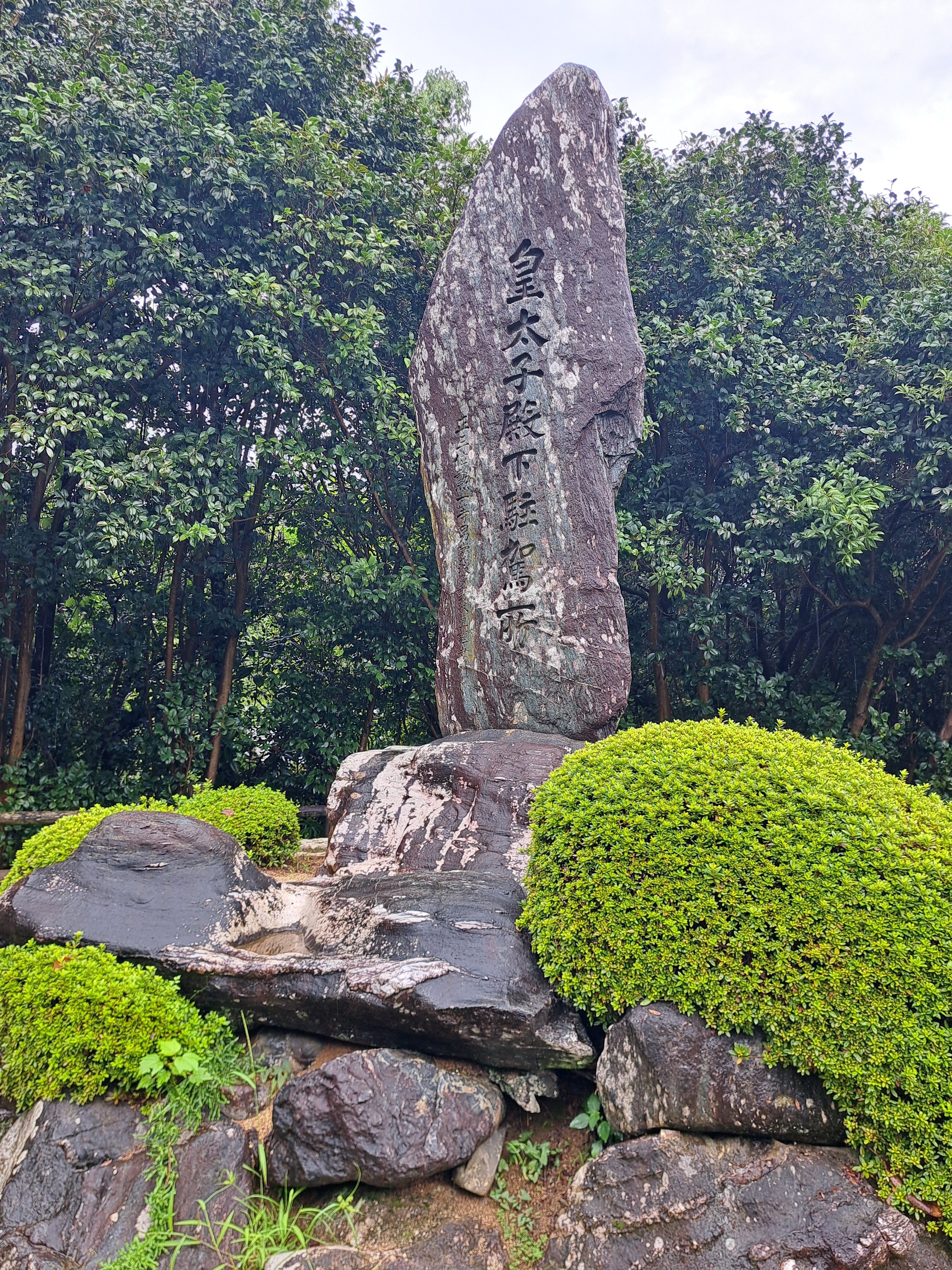
Monument to the Crown Prince's Visit
A stone monument within Dogo Park. This monument, indicating "Chugasho" (a place where the Crown Prince stopped), can be seen while strolling around the park.
More "Stone Monuments & Poem Steles" spots
See all in this category →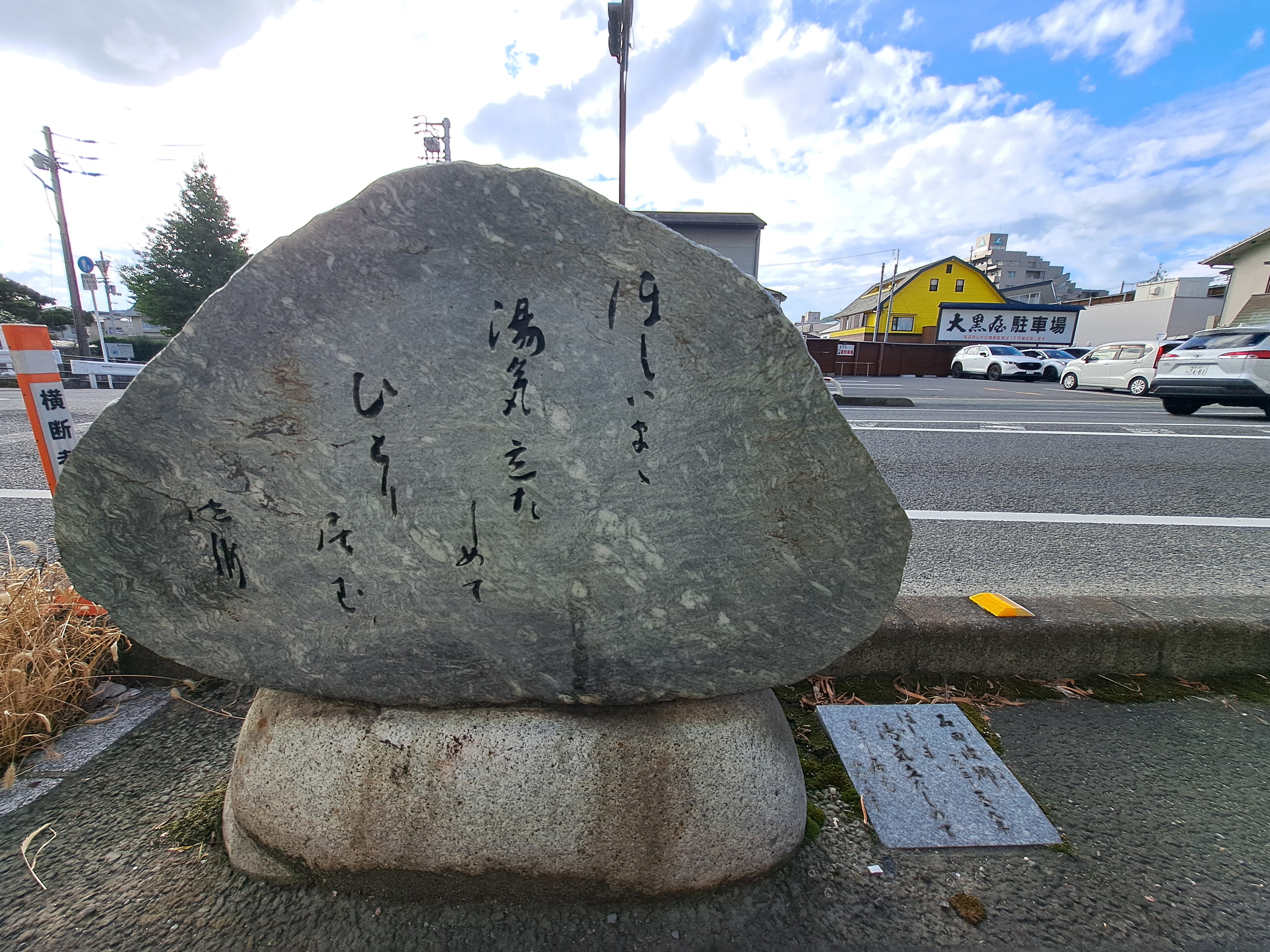
Ishida Hakyo Haiku Monument (Path of Haiku)
A haiku monument to Ishida Hakyo on the Dogo-Kitamachi side of the "Path of Haiku" in Dogo (the street east of the Ehime Prefectural Culture Hall). It is inscribed with the haiku "ほしいまゝ湯気立たしめてひとり居む".
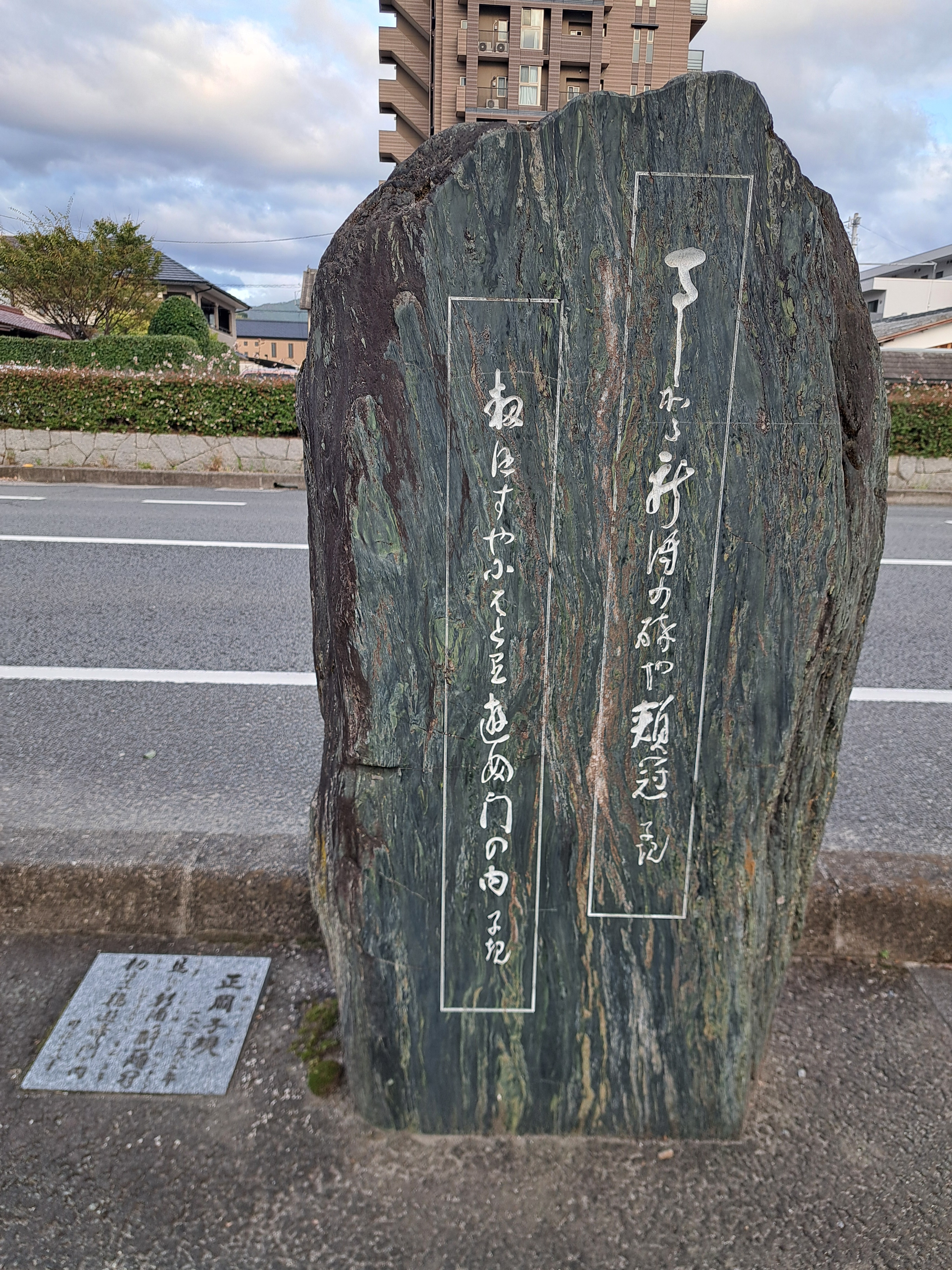
Masaoka Shiki Haiku Monument "Momi hosu ya" (Path of Haiku)
A haiku monument to Masaoka Shiki on the Dogo-machi 2-chome side of the "Path of Haiku" in Dogo (the street east of the Ehime Prefectural Culture Hall). It is inscribed with the haiku "籾ほすやにわとり遊ふ門の内".
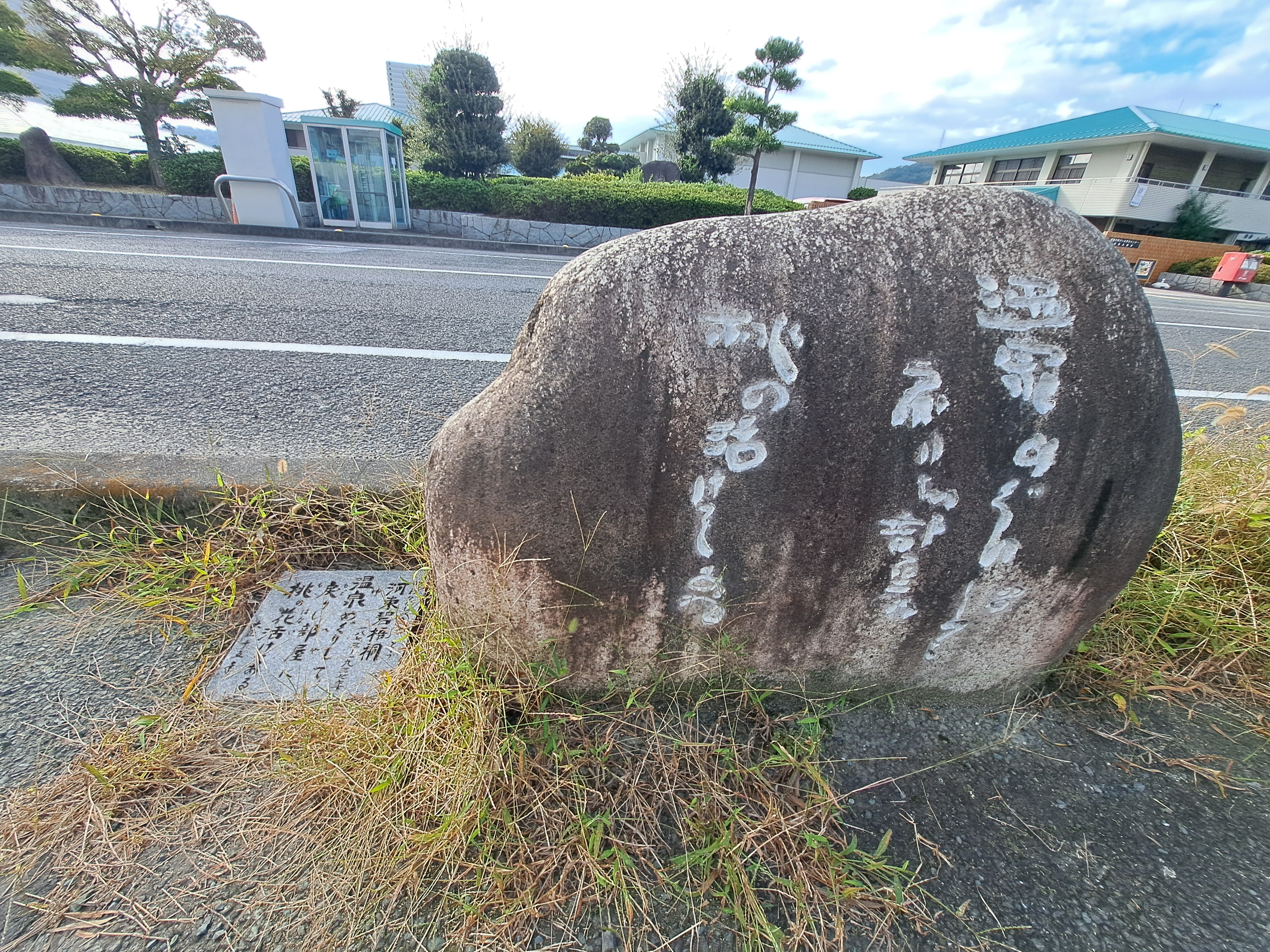
Kawahigashi Hekigoto Haiku Monument (Path of Haiku)
A haiku monument for Kawahigashi Hekigoto on the Dogo 2-chome side of Dogo's "Path of Haiku". It is inscribed with "Onsen meguri shite modorishi heya ni momo no ikete aru".
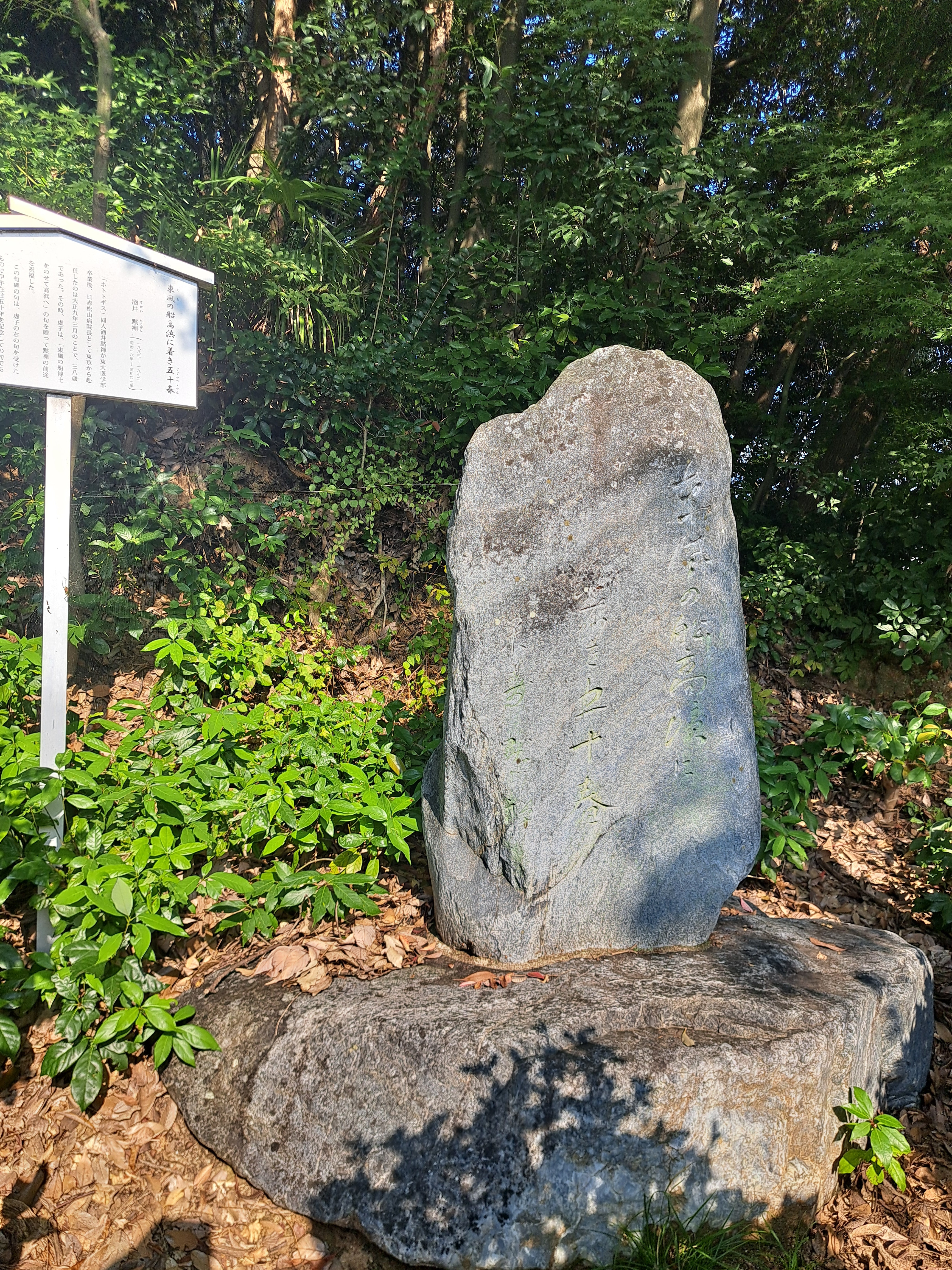
Sakai Mokuzen Haiku Monument (Matsuyama Shrine)
A haiku monument for Sakai Mokuzen on the right side of the approach to Matsuyama Shrine. It is inscribed with "Kochi no fune Takahama ni tsuki gojuharu" and was erected in 1972 (Showa 47).
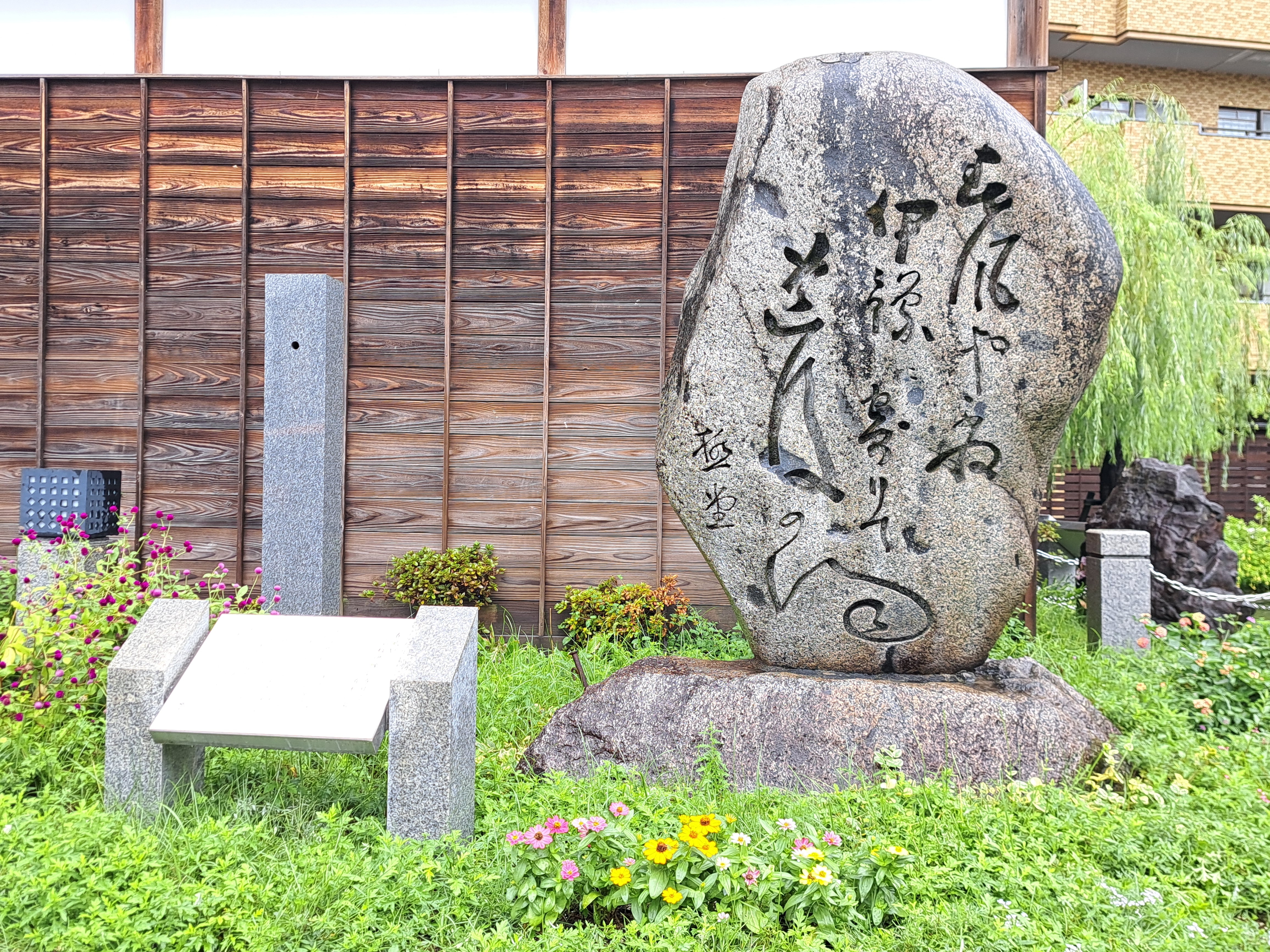
Yanagihara Kyokudo Haiku Monument
A haiku monument is located in Hojoen, in front of Dogo Onsen Honkan. It commemorates Ryu Hiroshi (1867–1957), a poet from Matsuyama. Ryu Hiroshi founded the literary magazine 'Hototogisu' in Matsuyama in 1897, and became the first honorary citizen of Matsuyama City.
Sakai Mokuzen Haiku Monument (Iwazeki Amusement Park)
A haiku monument inscribed with a poem by Sakai Mokuzen, standing in the amusement park at Iwazeki in Ishite, Matsuyama. It can be seen while walking the area.
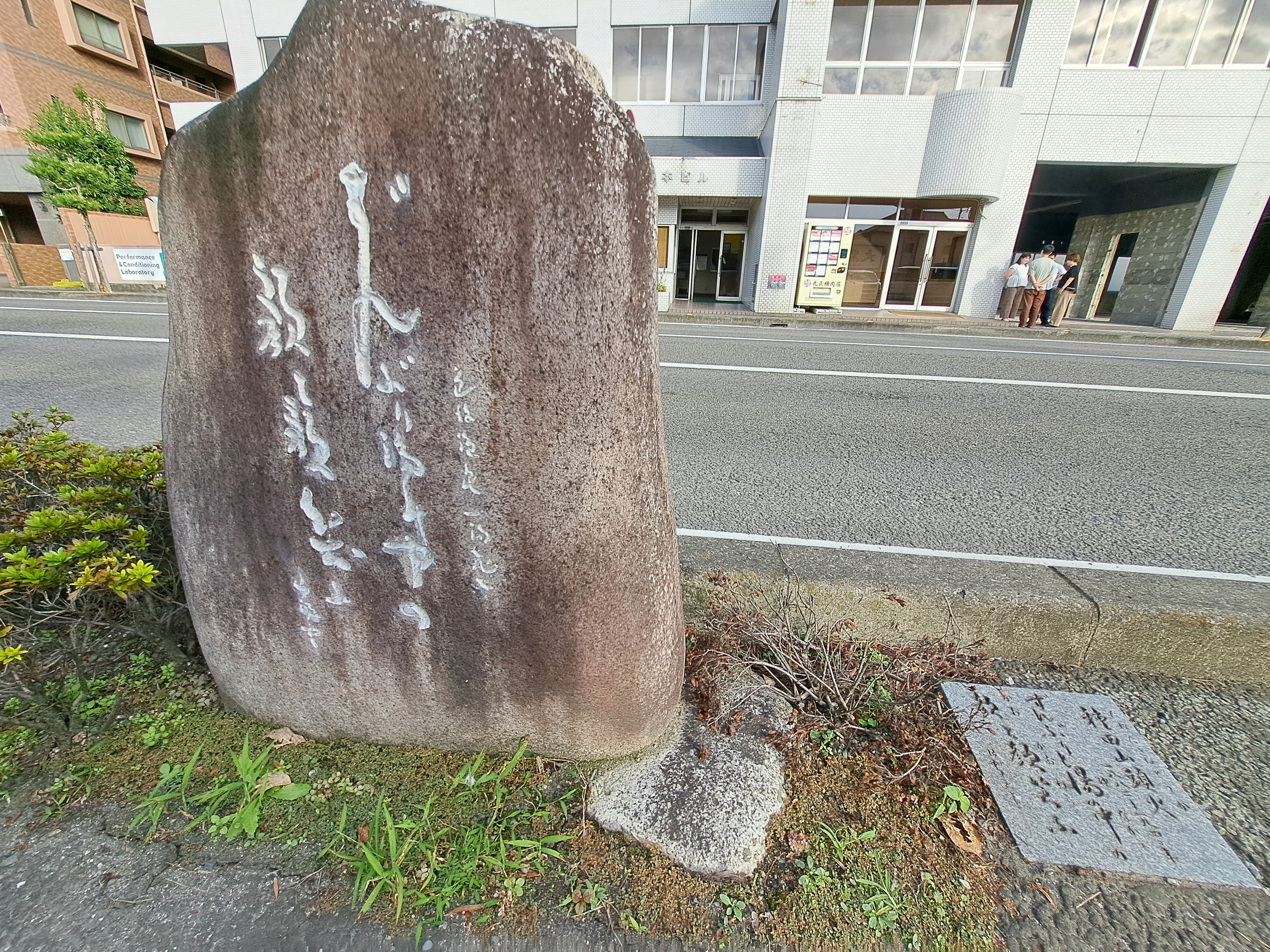
Taneda Santoka Haiku Monument (Path of Haiku)
A haiku monument to Taneda Santoka on the Dogo-Kitamachi side of the "Path of Haiku" in Dogo (the street east of the Ehime Prefectural Culture Hall). It is inscribed with the haiku "ずんぶり湯の中の顔と顔笑ふ".
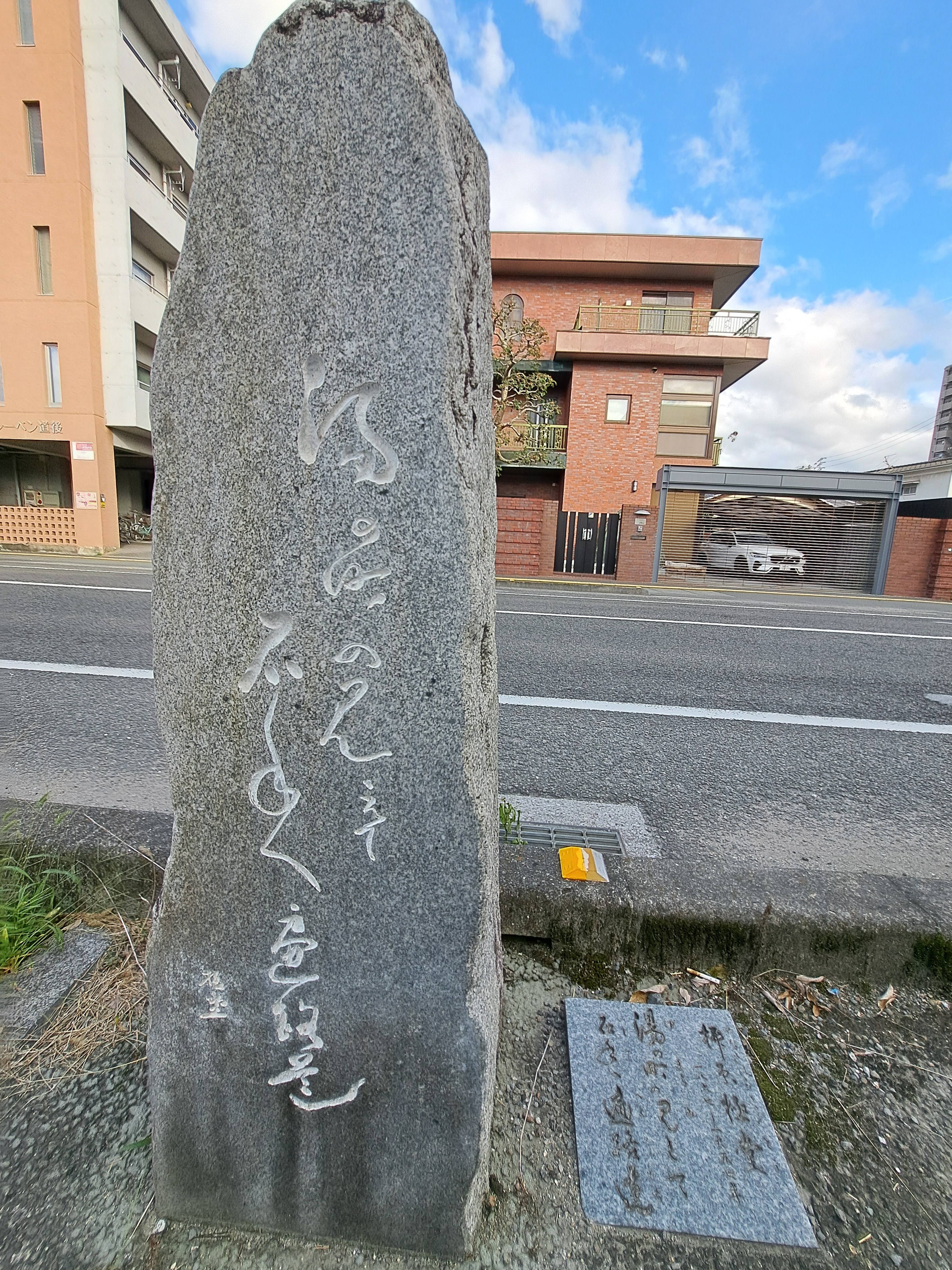
Yanagihara Kyokudo Haiku Monument (Path of Haiku)
A haiku monument to Yanagihara Kyokudo on the Dogo-Kitamachi side of the "Path of Haiku" in Dogo (the street east of the Ehime Prefectural Culture Hall). It is inscribed with the haiku "湯の町の見えて石手へ遍路道".