
Enman-ji Temple
A temple near Dogo Onsen. It is known for its white-painted Yu-no-Odaizoson, a Jizo statue about 3.67 meters tall said to have been made by the monk Gyoki, and it preserves legends connected to Dogo's hot springs.
Enmanji (圓滿寺) is a temple in Dogo Yuzuki-machi, Matsuyama. Its principal image is Amitabha Buddha, and the temple is said to have been founded in 812. It is close to Dogo Onsen and about a 7-minute walk from the city streetcar’s Dogo Onsen Station. Matsuyama’s official tourism site introduces it as a spot for “Nature and Landmarks” and “Art and Culture.”
The Great Jizo of the Hot Spring
A white-painted Jizo statue stands in the Buddhist hall in front of the main hall. It is one jō and two shaku tall (about 3.64 m) and is said to have been made by the high priest Gyoki in the Nara period. According to a legend, when Dogo Onsen’s water stopped flowing in 1855 (Ansei 2), people prayed to this Jizo and the hot spring began flowing again; this is why it is called the “Great Jizo of the Hot Spring.” It is an object of faith associated with the emergence of Dogo Onsen and a presence that tells the history of the hot-spring district.
The kana poetry monument of Gagyudo Kyohei
The grounds contain a kana poetry monument by the haiku poet Gagyudo Kyohei. According to Matsuyama’s official tourism site, the kana poetry monument is a rare monument said to be one of only three in Japan and is considered a source of modern free-verse poetry. Although Matsuyama is known as a city of haiku, this stone monument represents a different poetic current from haiku and therefore differs in character from other poetry monuments.
Visiting and inquiries
The grounds are freely accessible. The Jizodo is open from 8:00 to 18:00, and admission is free. The address is 4-49 Dogo Yuzuki-machi, Matsuyama, and the inquiry telephone number is 089-946-1774. Details may change, so please check on site or with the facilities for the latest information.
Source: Enman-ji | Matsuyama City Tourism Information Site (Matsuyama Tourism Guide) Last verified: August 12, 2026
Articles that mention this place
Walking the town
An Example of a Model Walking Course Around Dogo Onsen Station with a 2-Hour Stay An Example of a Model Walking Course Around Dogo Onsen Station with a 2-Hour Stay
This guide outlines an example of a short walking route starting from Dogo Onsen Station and visiting the shopping street, the exterior of public bathhouses, and surrounding temples and shrines when the stay in the Dogo Onsen area is approximately 2 hours.
Walking the town
An Example of a Dogo Photo Spot Walking Route Targeting Early Morning and Sunset Hours An Example of a Dogo Photo Spot Walking Route Targeting Early Morning and Sunset Hours
For travelers who wish to take photos of historical buildings and streetscapes while avoiding crowds, this guide presents an example of a walking route to enjoy the light conditions and quiet atmosphere during the early morning and sunset hours.
まちあるき
A sample schedule for walking Dogo Haikara Dori and nearby spots in yukata
Dogo Onsen Station, Dogo Onsen Honkan, Asuka no Yu, Dogo Haikara Dori, and Enman-ji Temple are all within walking distance, so you can walk around town in a yukata. Borrow a yukata at the lodging where you stay. From August 3, 2026, to February 28, 2027, Mika Ninagawa-supervised yukata are also available at 11 participating lodgings, only for guests. Sunset in Matsuyama is around 19:20 in early July and after 17:30 in mid-October.
Practical
Basic Photography Etiquette and Precautions at Shrines and Temples Around Dogo Onsen
This explanation summarizes photography etiquette and prohibited matters when visiting shrines and temples such as Isaniwa Shrine and Ishite-ji Temple around Dogo Onsen. It explains the criteria for judgment within the precincts and inside the main halls, as well as the handling of tripods and drones.
散策
An Afternoon Walk Through Dogo Onsen and Its Surroundings After Arriving in Matsuyama
This is a sample itinerary for spending several hours in Dogo Onsen after arriving in Matsuyama and checking in at your
More spots in Dogo Park & Isaniwa Shrine Area
See all in this area →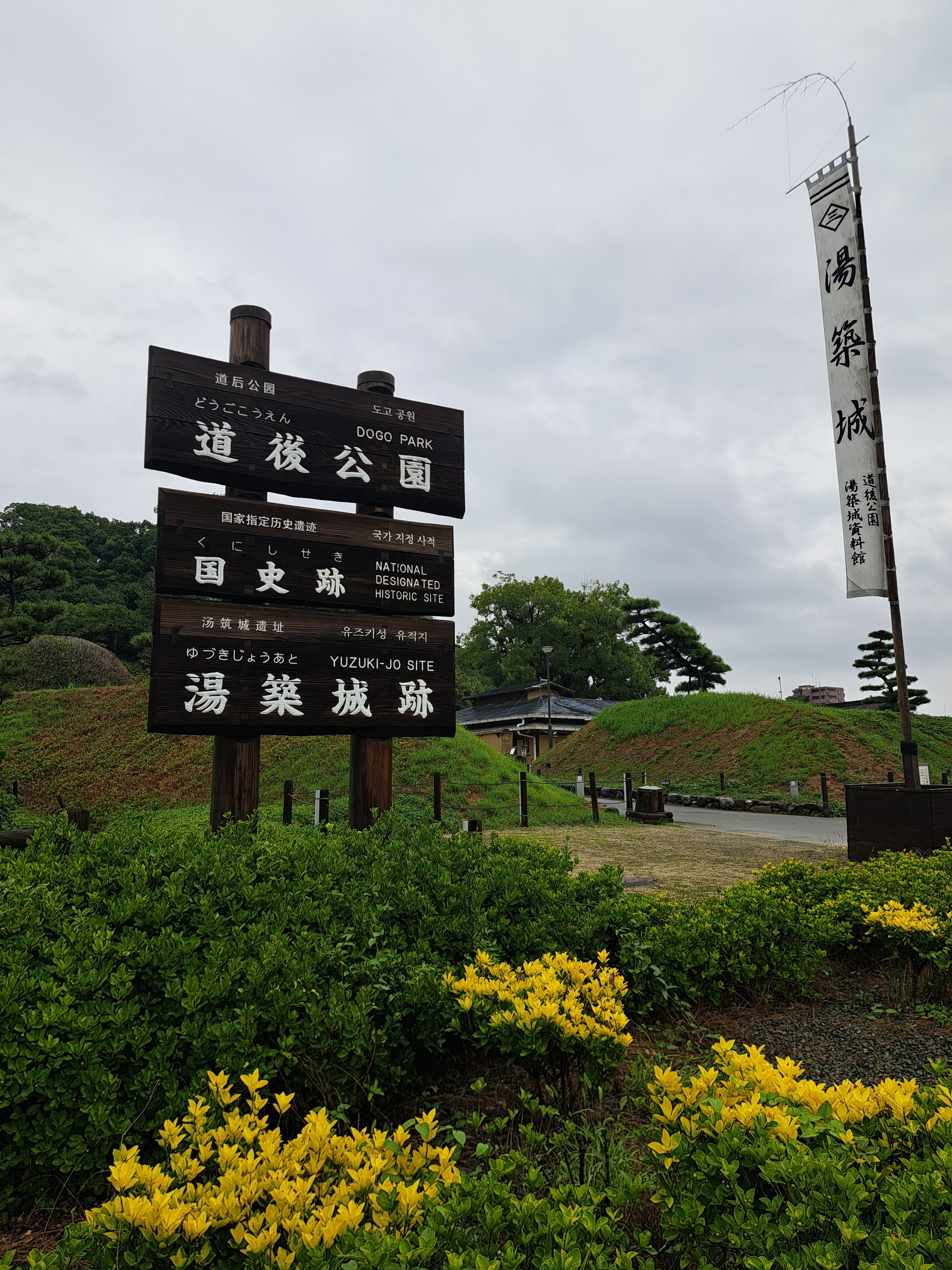
Dogo Park (Yuzuki Castle Ruins)
A park developed on the ruins of medieval Yuzuki Castle. It was the seat of the Kono clan, military governors of Iyo Province, and is designated a National Historic Site. It features reconstructed samurai residences and earthworks, a museum, and an observation deck.
QUATRE CINQ
A modern French restaurant on the second floor of the Dogo inn CHAHARU Hanare Dogo Yumekura. It serves dishes made with local ingredients.
LA CUISINE JAPONAISE Hari
A dining establishment on the third floor of Dogo Onsen Chaharu. It features window seats facing the English garden and private rooms decorated with photographic and textile artworks, serving lunch and dinner.
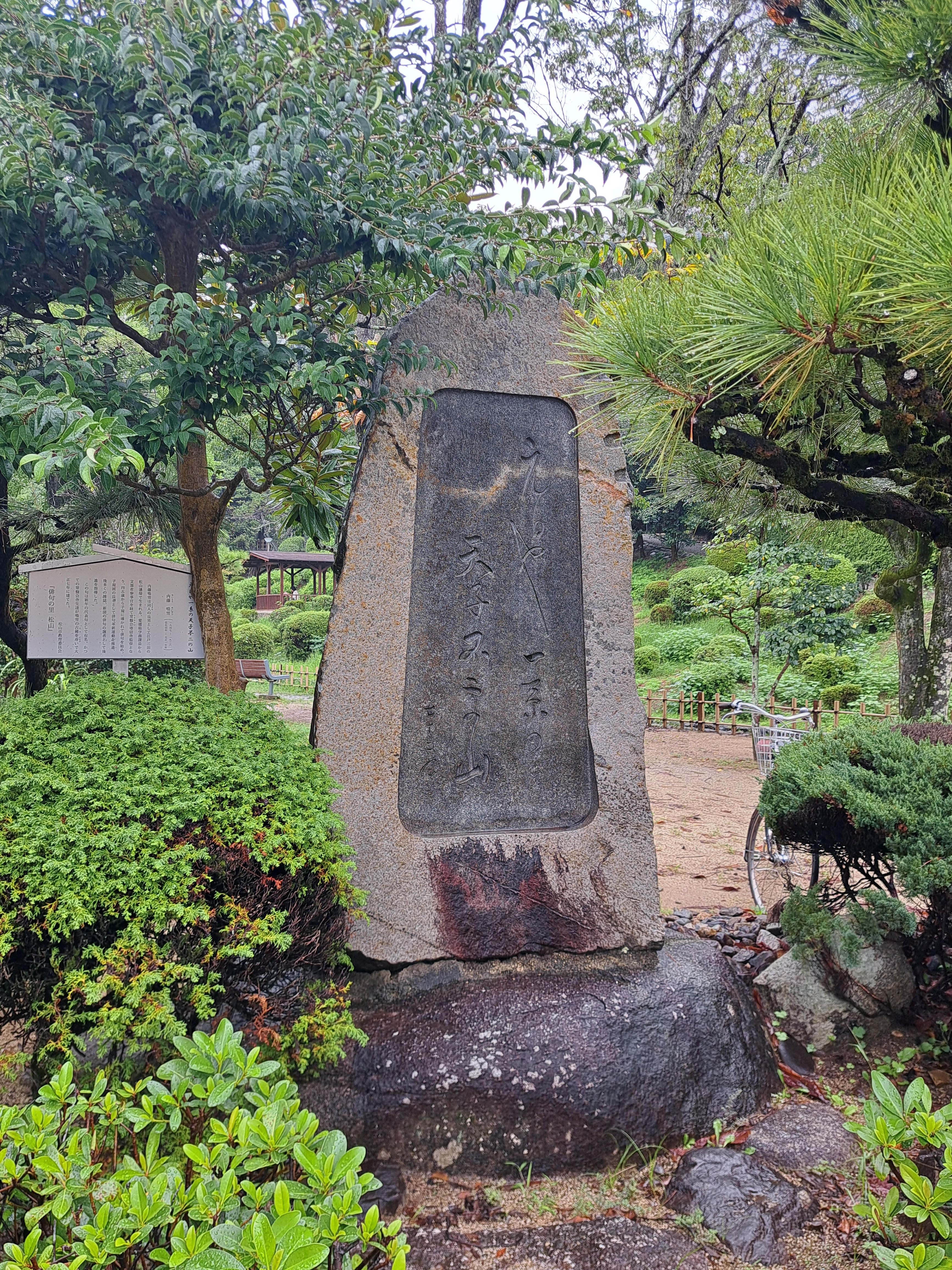
Naito Meisetsu Haiku Monument
This haiku monument is in Dogo Park. It is inscribed with the verse "Mottozu ya itsuika no tenzi futai no yama". In 1918, former dormitory residents erected it as a longevity monument to celebrate the long life of the poet Naito Meisetsu (1847–1926).
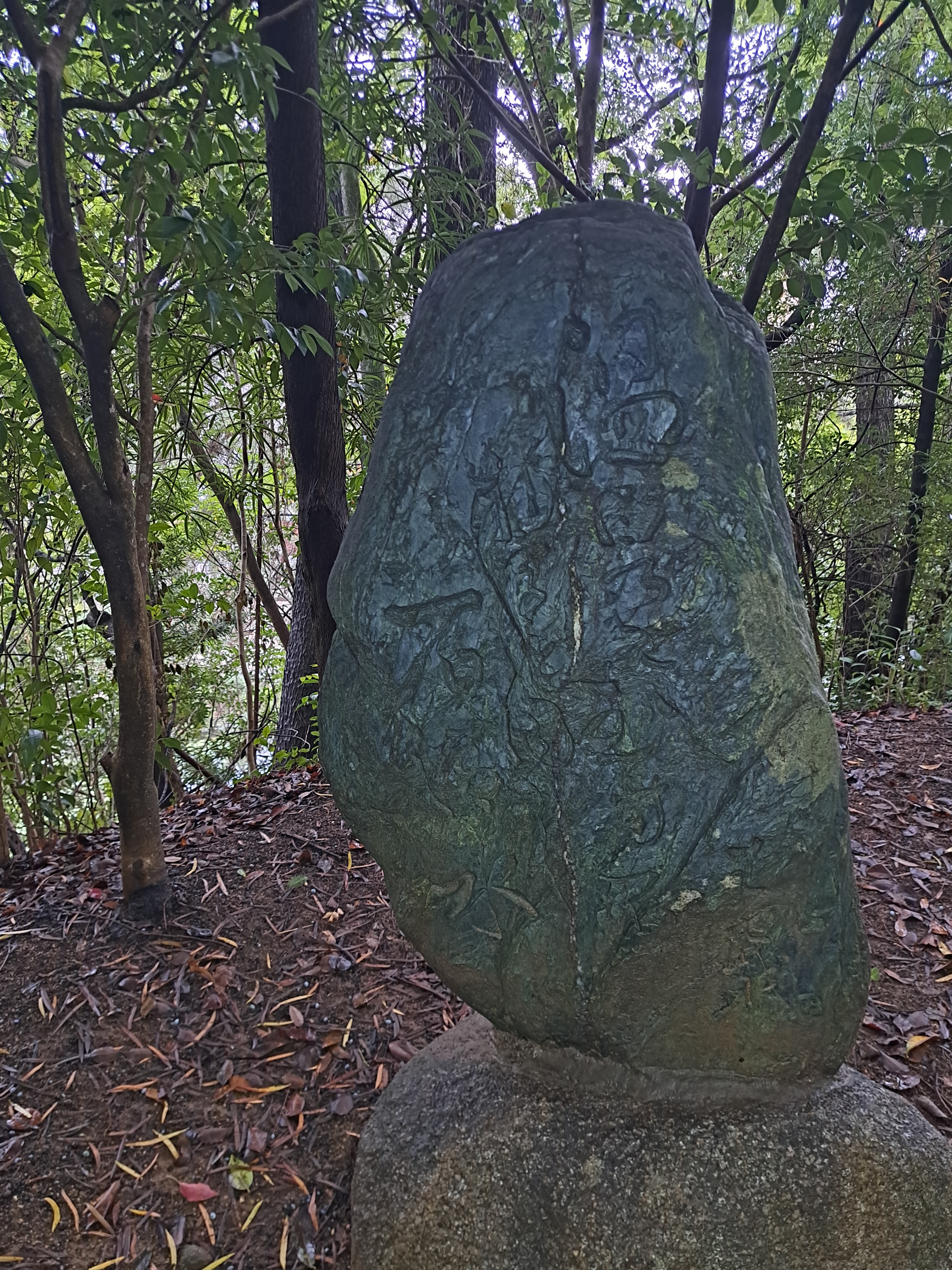
Matsuo Basho Haiku Monument
This is a haiku monument of Matsuo Basho in Dogo Park. It transmits a haiku of Matsuo Basho, a poet of the early Edo period known as the Sage of Haiku.
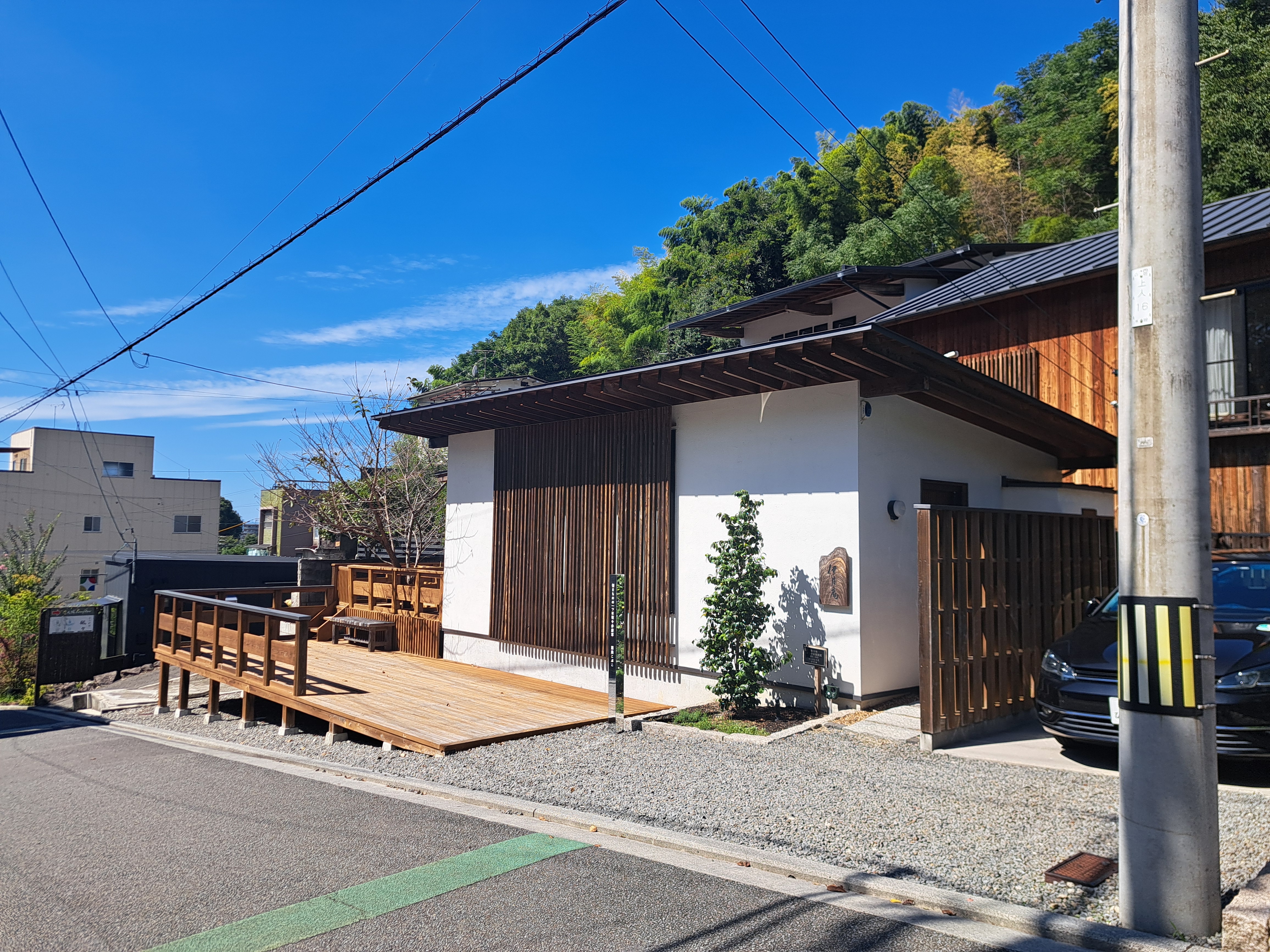
Igetsuan
A haiku hermitage located on Shoninzaka in Dogo Yuzukicho. Completed in 2018, it is considered the fourth hermitage in Matsuyama, following Koshin-an, Gudabutsu-an, and Isso-an. It can be used for haiku gatherings and other events on a reservation basis.
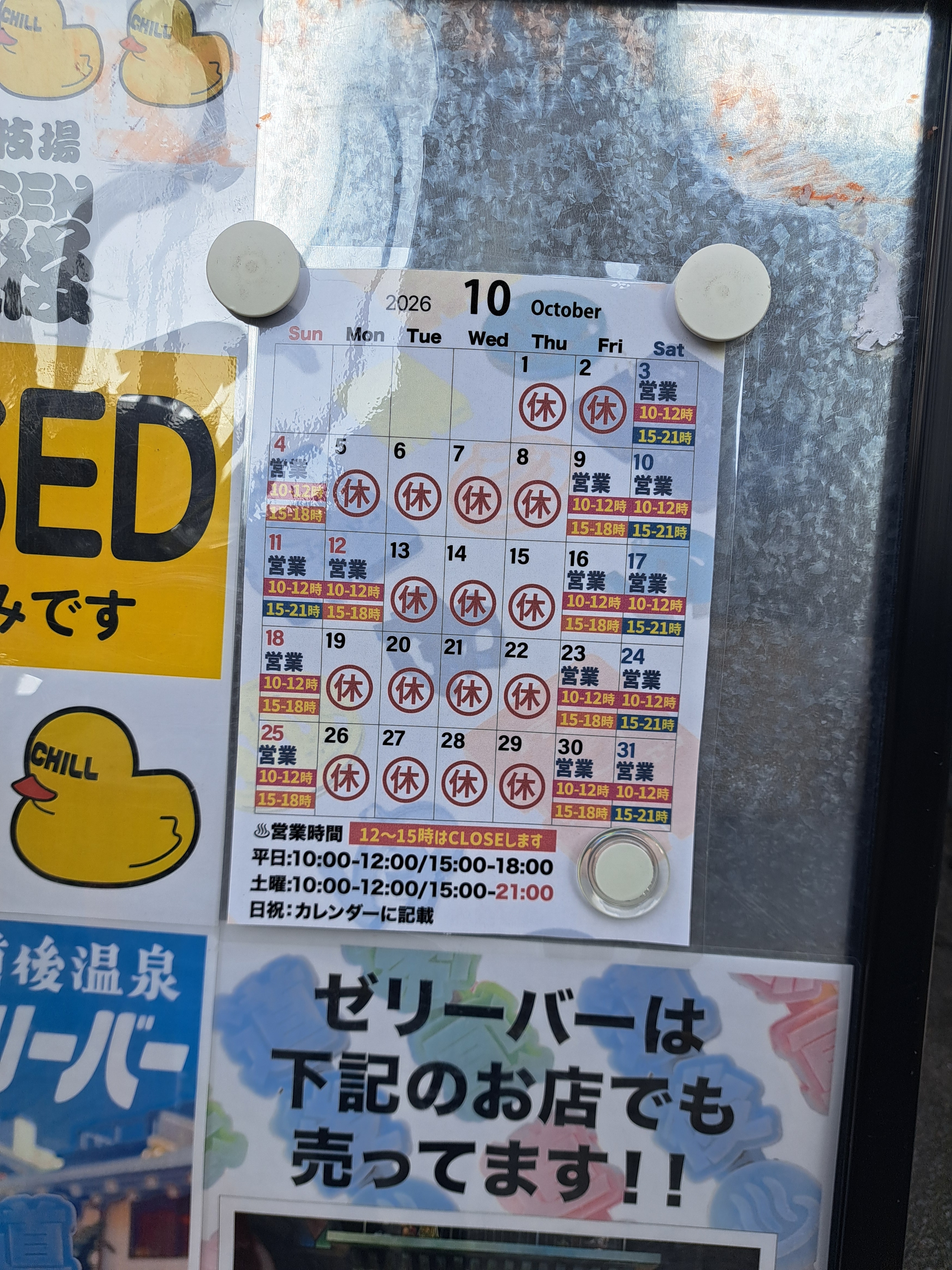
Ura Dogo
A neo-retro amusement arcade opened in 2023. Enjoy shooting games, local capsule-toy machines, and photogenic jelly ice cream.
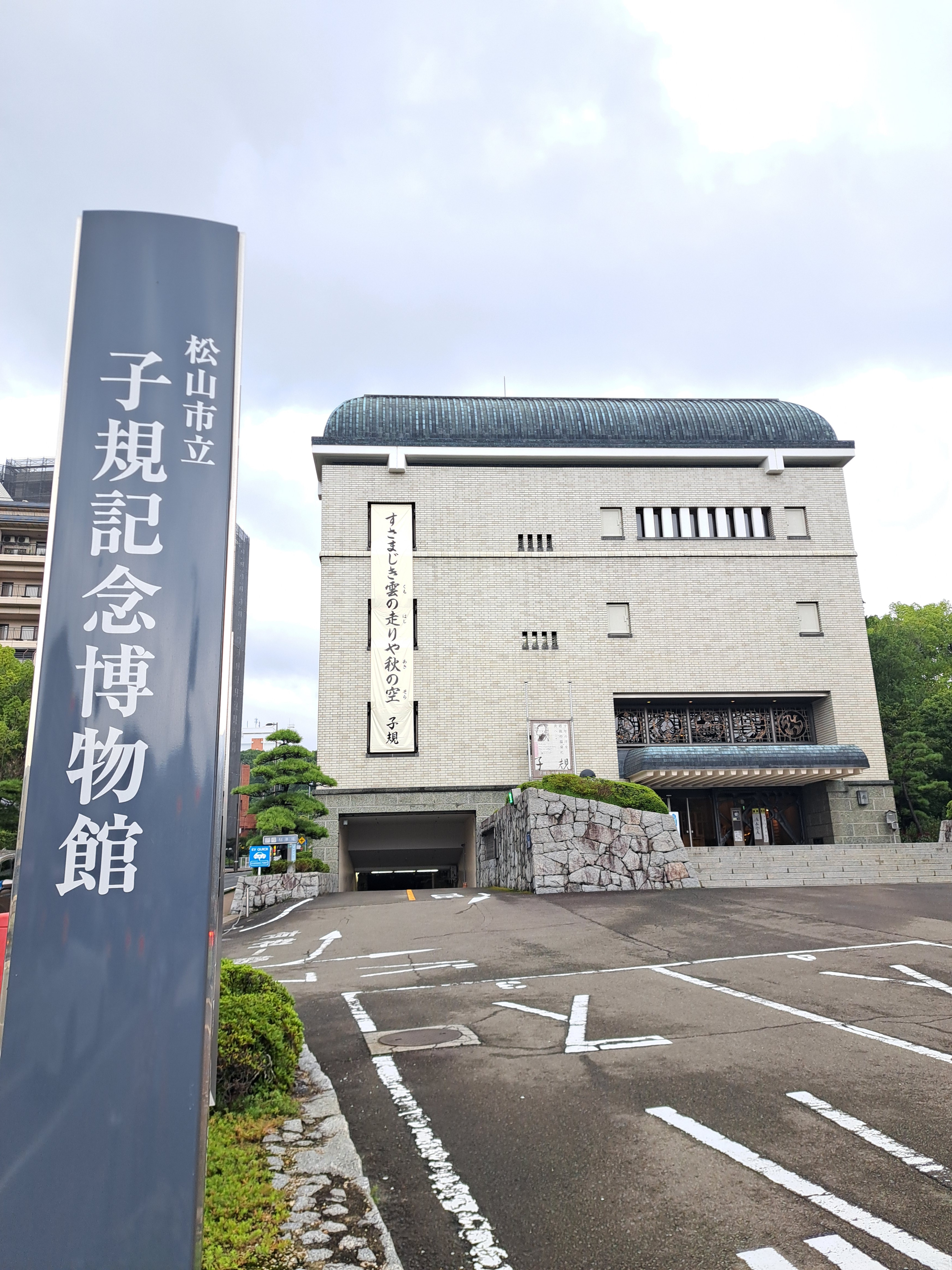
Matsuyama Municipal Shiki Memorial Museum
A museum on the life and work of Masaoka Shiki, the haiku poet born in Matsuyama, next to Dogo Park. Exhibits include a partial reconstruction of Gudabutsuan, the house where Shiki lived with the novelist Natsume Soseki, along with materials on Shiki, the Masaoka family and Matsuyama's literary history.
More "Temples (General)" spots
See all in this category →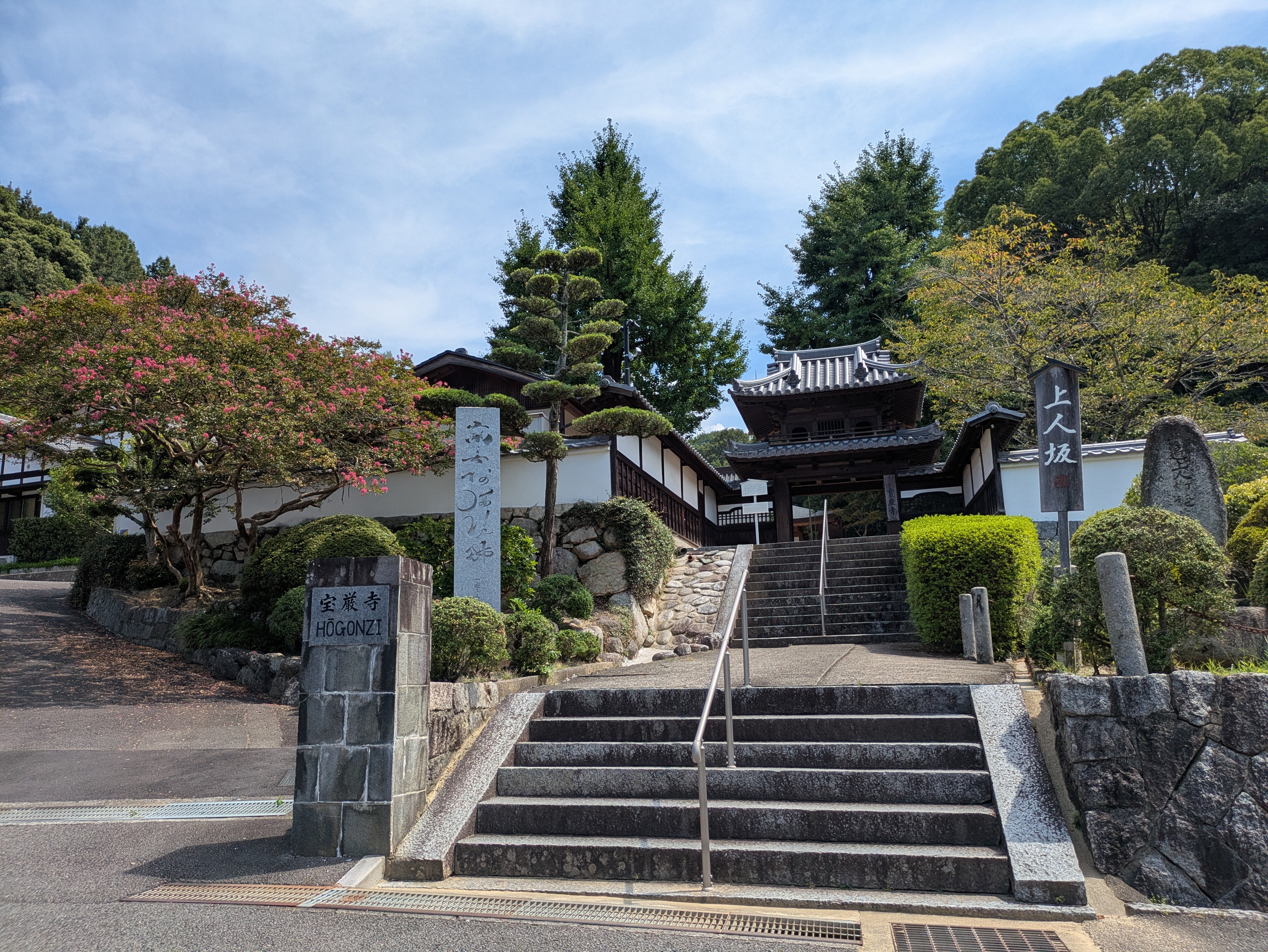
Hogon-ji Temple
A temple in Dogo said to be the birthplace of Ippen, founder of the Ji sect of Buddhism. The main hall was lost to fire in 2013 but was rebuilt in 2016.
Myosei-ji Temple
A Nichiren sect temple located in Yamada-cho Otsu, Matsuyama City. The mountain name is Jueizan. Within the grounds, there is the grave of Yanagihara Kyokudo, a haiku poet who founded the haiku magazine "Hototogisu".
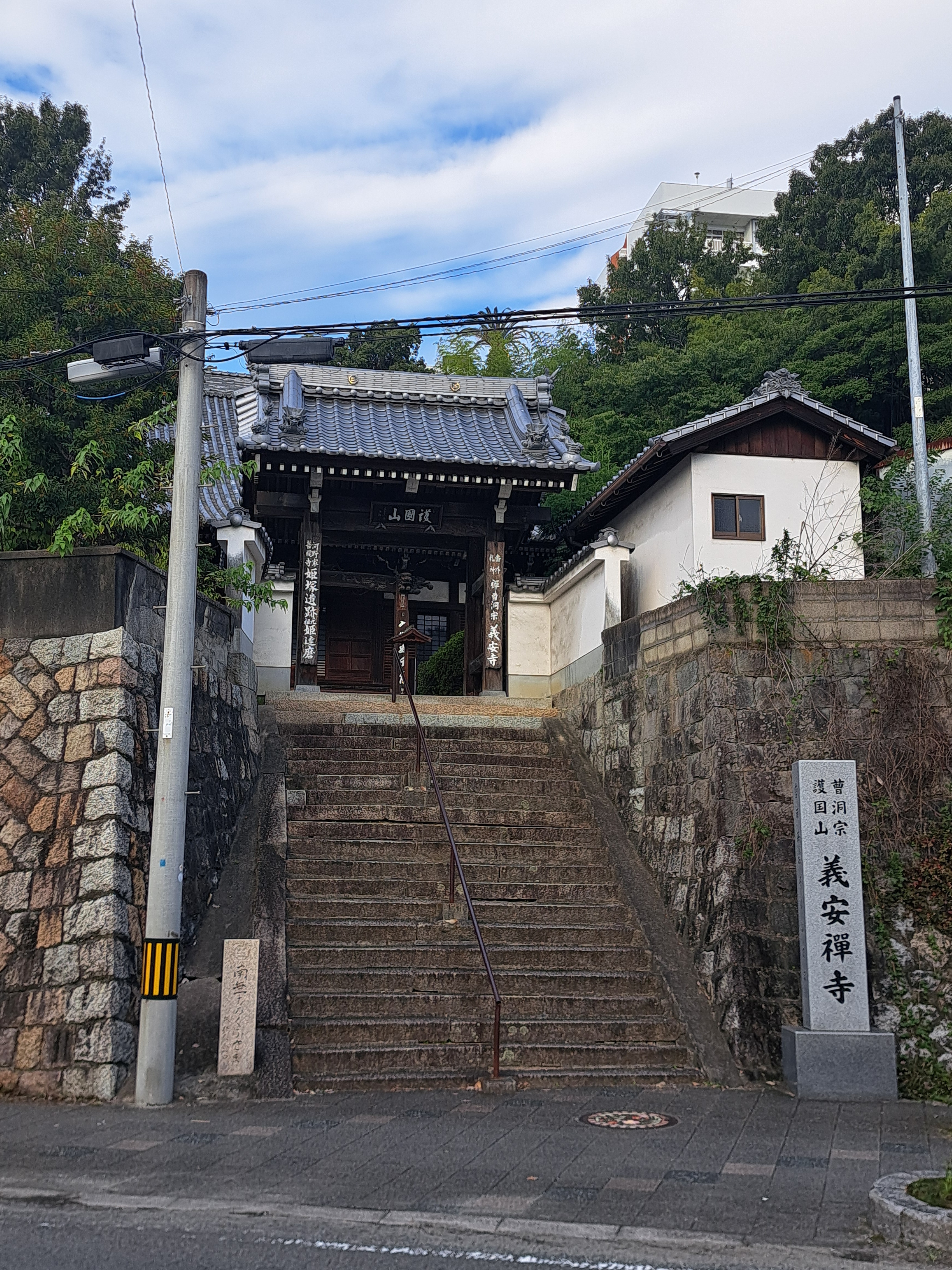
Gian-ji Temple
A temple of the Soto sect located in Dogo Himetsuka. It is a temple associated with the Kono clan, said to have been founded by Kono Hikoshiro Yoshiyasu in 1539, and is an unofficial temple (bangai fudasho) of the Shikoku 88 Temple Pilgrimage.

Joko-in Temple
A temple in Jokoji-machi, Matsuyama. It sits in a quiet setting surrounded by residential areas on the east side of Dogo Onsen.