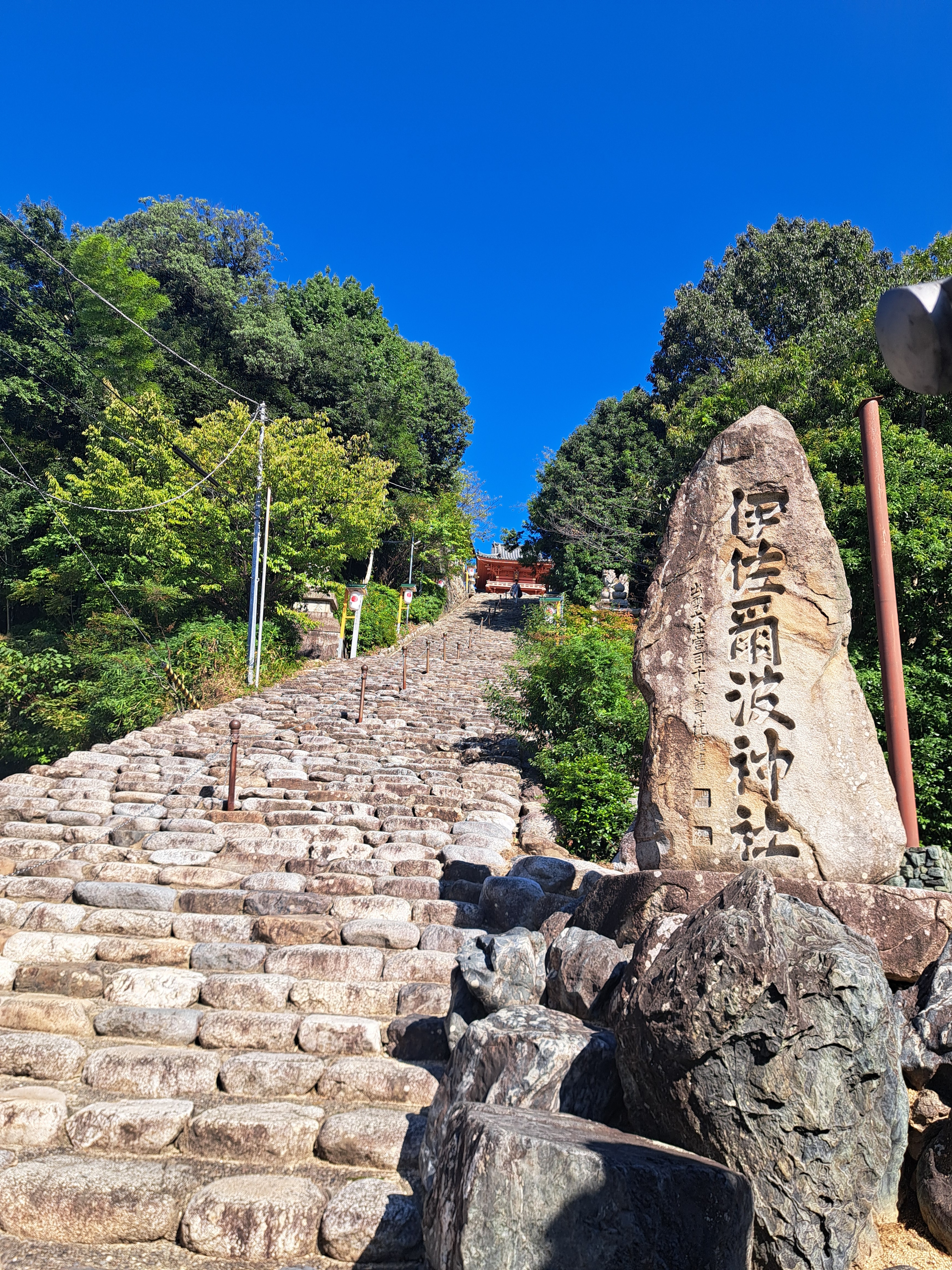
Isaniwa Jinja Shrine
A Hachiman-zukuri style shrine set on a hill in Dogo. The existing shrine buildings were constructed in 1667 (Kanbun 7) by Matsudaira Sadanaga, lord of the Matsuyama Domain, and the main hall and other structures are designated National Important Cultural Properties.
Isaniwa Shrine is a shrine located in Sakuradanicho, Matsuyama City. It is a Shikinaisha (shrine listed in the Engishiki) and is enshrined on a hill up the stone steps on the east side of Dogo Onsen Honkan. The main enshrined deities are Emperor Chuai, Empress Jingu, and others, and it has been called "Yuzuki Hachiman" since ancient times.
Hachiman-zukuri Style Shrine Buildings
The existing shrine buildings were constructed in 1667 by Sadanaga Matsudaira, the lord of the Matsuyama Domain. They are in the "Hachiman-zukuri" style, which features two buildings connected front to back. Along with Usa Jingu in Oita and Iwashimizu Hachiman-gū in Kyoto, it is said to be one of only three remaining examples of Hachiman-zukuri in the country. It is said to have been built modeled after Iwashimizu Hachiman-gū.
Important Cultural Properties
The Honden (main hall) was designated as a national Important Cultural Property in 1956, and the Shinnden (hall of worship), corridor, Romon (tower gate), and Kairo (cloister) were designated as such in 1967. In addition, a sword (tachi) made in the Kamakura period and dedicated by Sadanaga Matsudaira (inscribed Kuniyuki, length 77.7 cm) is also a national Important Cultural Property. The vermilion-painted shrine buildings and steep stone steps are impressive.
Sangaku (Votive Tablets for Wasan)
As shrine treasures, 22 sangaku panels dedicated from the late Edo period to the Meiji period have been passed down and are designated as Tangible Folk Cultural Properties of Ehime Prefecture (dating from 1803 to the Showa period). Sangaku are votive tablets (ema) dedicated to shrines that record problems and solutions of wasan (mathematics that developed independently in Japan), and it is rare nationwide for this many to remain together.
Access
- About a 5-minute walk from Dogo Onsen Honkan
- Location: 173 Sakuradanicho, Matsuyama City
Source: Cultural Heritage Online, "Isaniwa Shrine" Wikipedia (CC BY-SA), Ehime Prefecture official information. Please check the site or official sources for worship information.
Last confirmed date: July 2026
Articles that mention this place
歴史
A Complete History of Dogo Onsen: From the Hot Water of the Nihon Shoki to Botchan Yu
Tracing the history of Dogo Onsen, where imperial visits are recorded in the Nihon Shoki and the surviving fragments of the Iyo no Kuni Fudoki, alongside a chronological table from Prince Shotoku's visit in 596, the completion of the Honkan in 1894, and its Important Cultural Property designation in 1994, to the full reopening of the entire facility in 2024.
神社
Isaniwa Shrine, Guardian of Dogo: One of Three Hachiman-zukuri in Japan, and a Shrine of Sangaku
Isaniwa Shrine stands about 5 minutes on foot from Dogo Onsen Station, at the top of 135 stone steps. Visiting hours are 6:00–18:00 (longer in summer). The article covers the shrine's Hachiman-zukuri main hall (an Important Cultural Property), one of only three examples in Japan alongside Usa Jingu and Iwashimizu Hachimangu, its 22 sangaku tablets, and its annual events.
歴史
Yuzuki Castle and the Kono Clan: A Medieval Castle Sleeping in Dogo Park
The Yuzuki Castle ruins are Dogo Park itself; the park is open 24 hours for free, and the Yuzuki Castle Museum is open 9:00 to 17:00 with free admission (closed Mondays). This article summarizes the history from its construction as the base of the Kono clan ruling Iyo to its fall during Hideyoshi's Shikoku campaign, and the current castle ruins selected among Japan's Top 100 Castles.
Getting around
Do You Need a Rental Car for Dogo Onsen Sightseeing? A Guide to Exploring by Train and Bus Alone
How to get around Dogo Onsen and Matsuyama by streetcar, bus, and on foot, and the kinds of itineraries where a rental car is worth considering.
まちあるき
An Example of a Walking Model Course for a Day Trip Exploring Dogo Onsen and Dogo Park on Foot
For travelers visiting on a day trip from central Matsuyama City, this article explains an example of walking steps and precautions for efficiently touring the three public baths of Dogo Onsen and the area around Dogo Park on foot.
Walking the town
An Example of a Dogo Photo Spot Walking Route Targeting Early Morning and Sunset Hours An Example of a Dogo Photo Spot Walking Route Targeting Early Morning and Sunset Hours
For travelers who wish to take photos of historical buildings and streetscapes while avoiding crowds, this guide presents an example of a walking route to enjoy the light conditions and quiet atmosphere during the early morning and sunset hours.
まちあるき
A sample schedule for walking Dogo Haikara Dori and nearby spots in yukata
Dogo Onsen Station, Dogo Onsen Honkan, Asuka no Yu, Dogo Haikara Dori, and Enman-ji Temple are all within walking distance, so you can walk around town in a yukata. Borrow a yukata at the lodging where you stay. From August 3, 2026, to February 28, 2027, Mika Ninagawa-supervised yukata are also available at 11 participating lodgings, only for guests. Sunset in Matsuyama is around 19:20 in early July and after 17:30 in mid-October.
Walking the town
A sample 1-night, 2-day Dogo Onsen itinerary: timetable and how to visit the public baths
Dogo Onsen Station, Dogo Haikara Dori, Dogo Onsen Honkan, Enman-ji Temple, and Dogo Park are all within walking distance. Seeing only the exteriors and walking around town takes 2 hours; adding one public bath takes about 4 hours in the afternoon. There are 5 patterns, from a 4-hour airport layover to a 1-night, 2-day stay, and the time needed depends on whether you only see the exteriors or also bathe at a public bath.
Practical
Basic Photography Etiquette and Precautions at Shrines and Temples Around Dogo Onsen
This explanation summarizes photography etiquette and prohibited matters when visiting shrines and temples such as Isaniwa Shrine and Ishite-ji Temple around Dogo Onsen. It explains the criteria for judgment within the precincts and inside the main halls, as well as the handling of tripods and drones.
More spots in Dogo Park & Isaniwa Shrine Area
See all in this area →LA CUISINE JAPONAISE Hari
A dining establishment on the third floor of Dogo Onsen Chaharu. It features window seats facing the English garden and private rooms decorated with photographic and textile artworks, serving lunch and dinner.
440 Kumo / 197 Oto
An antenna shop for Yusuhara in Kochi Prefecture and Ikata in Ehime Prefecture, on Shoninzaka in Dogo. It opened in 2024 and carries specialities and information from both towns.
QUATRE CINQ
A modern French restaurant on the second floor of the Dogo inn CHAHARU Hanare Dogo Yumekura. It serves dishes made with local ingredients.
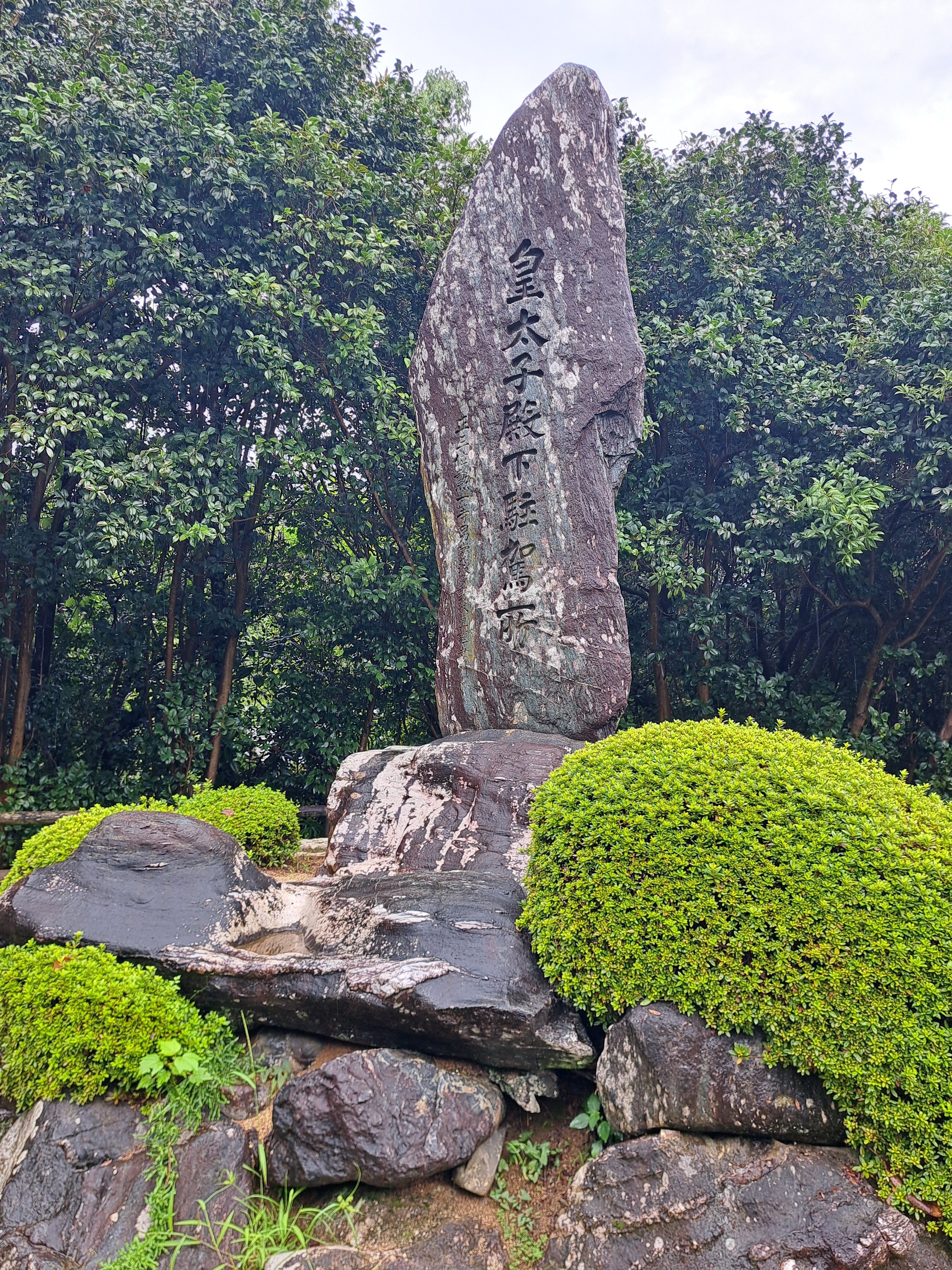
Monument to the Crown Prince's Visit
A stone monument within Dogo Park. This monument, indicating "Chugasho" (a place where the Crown Prince stopped), can be seen while strolling around the park.
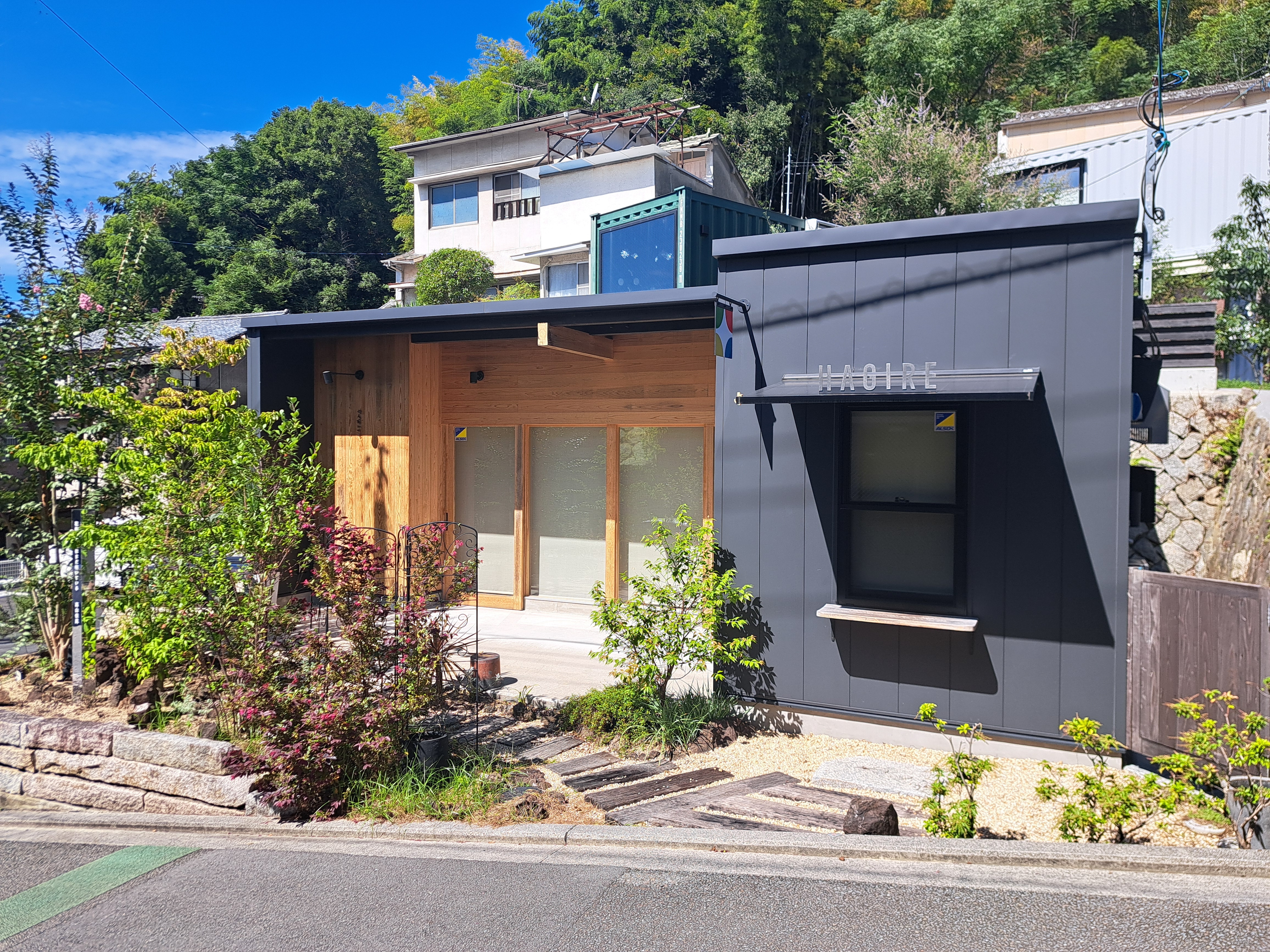
Shoninzaka Hanare
A dining space on Shoninzaka in "Ura Dogo". It works as a cafe by day and a reservation-only restaurant in the evening, serving Japanese and French dishes.
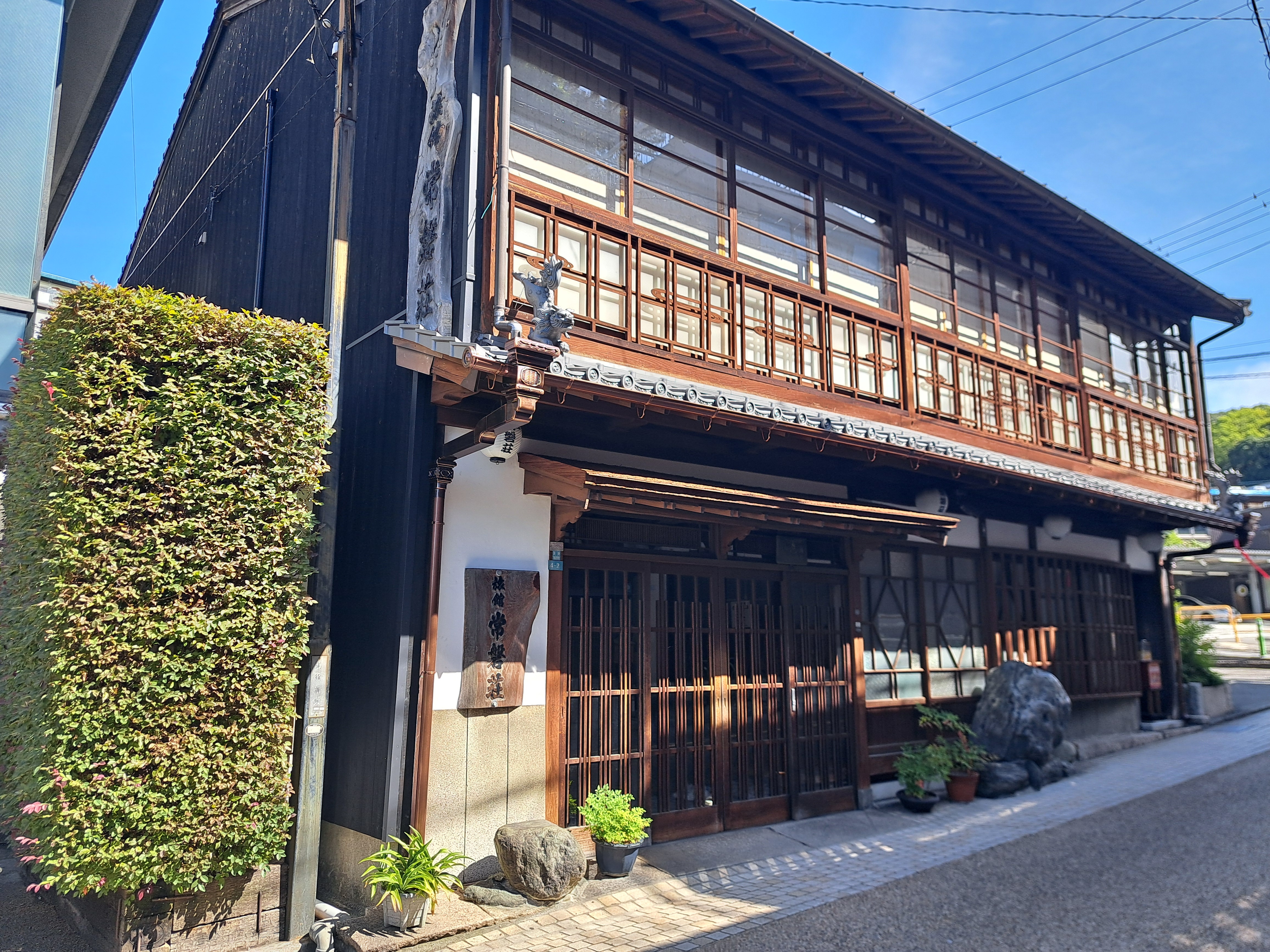
Tokiwaso
A wooden inn at 4-2 Dogoyuzuki-cho dating from the Taisho era. 4 Japanese-style rooms, capacity 10 guests, with a private-use hot spring.
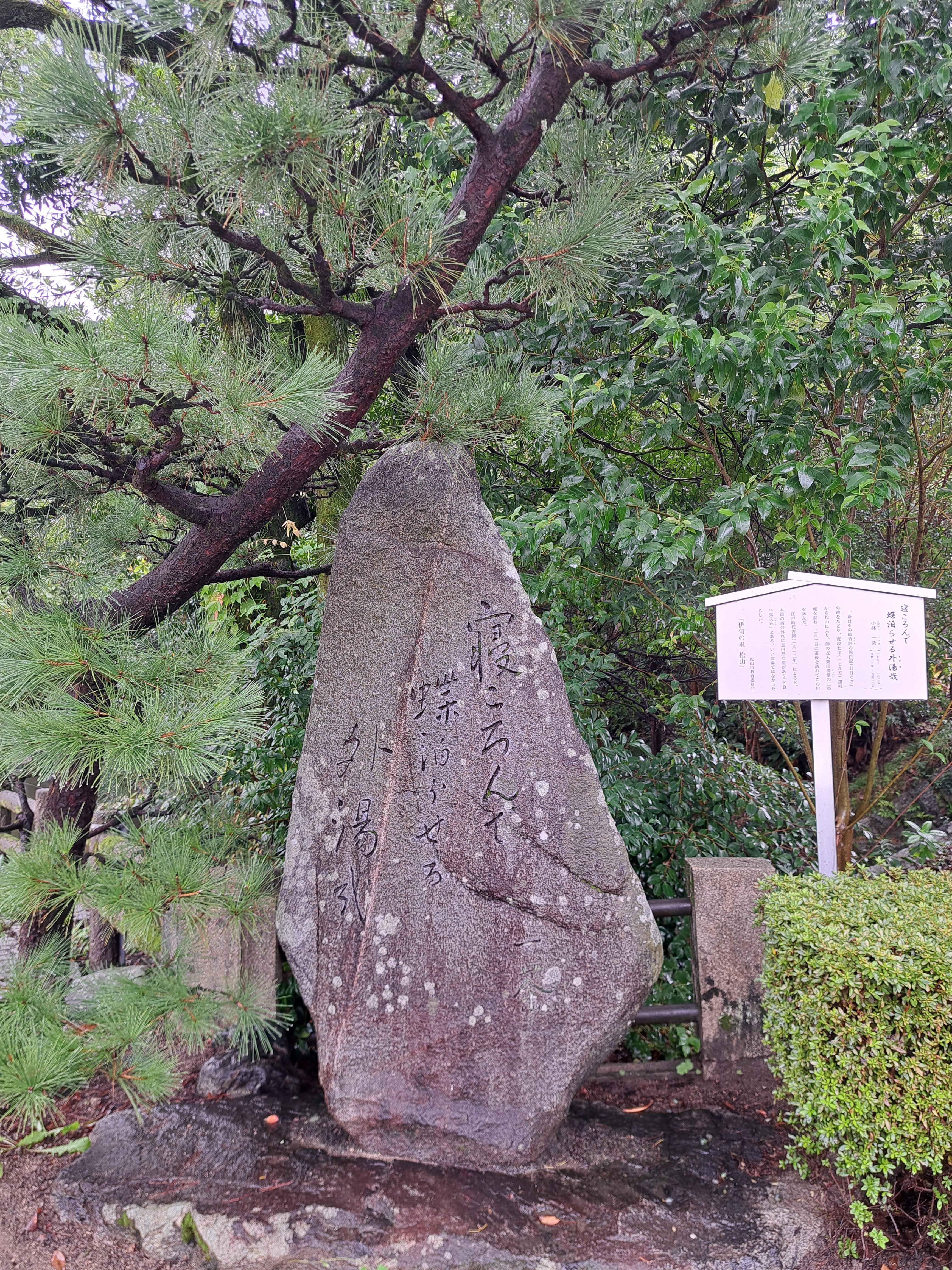
Kobayashi Issa Haiku Monument
A haiku monument for Kobayashi Issa at the north entrance of Dogo Park. It is inscribed with "Nekoronde cho tomaraseru sotoyu kana" and was erected in 1950 (Showa 25).
Hotel Katsuragi Spa Resort Dogo
A hotel adjoining Dogo Onsen Honkan and the shopping street. Its baths include one with ukiyo-e prints set against hinoki-wood walls, and day-use bathing is also available.
More "Shrines" spots
See all in this category →
Dogo Shusse Inari Jinja Shrine
An Inari shrine located in the Dogo Onsen town area (Dogo Yunomachi, Matsuyama City). The worship hall, which had been demolished due to aging, was rebuilt in 2018.
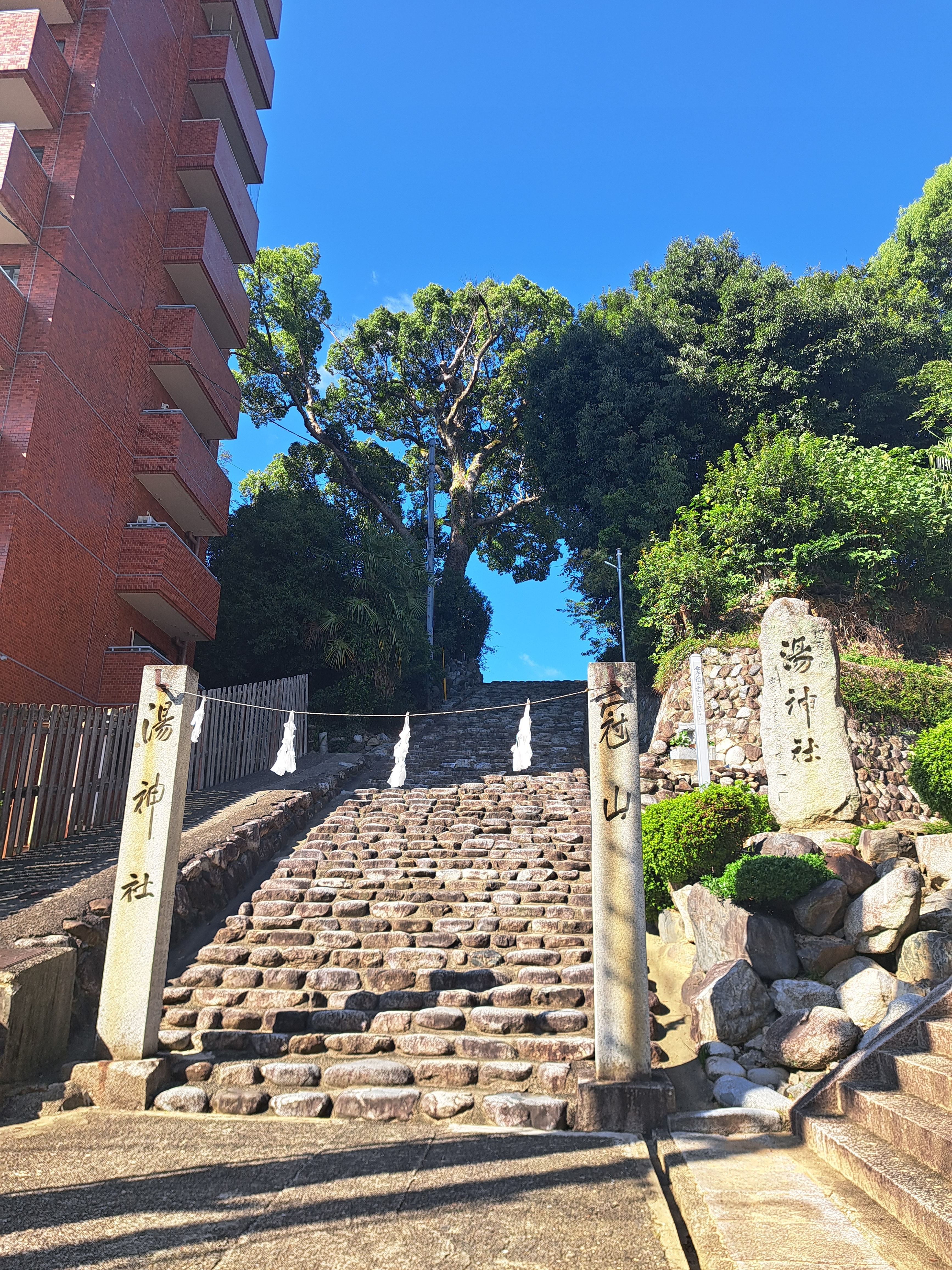
Yu Jinja Shrine
A shrine on Kanmuriyama hill, revered as the guardian deity of Dogo Onsen. Its principal deities are Onamuchi-no-Mikoto and Sukunahikona-no-Mikoto. A legend tells that hot water which had stopped after an earthquake began to flow again through prayer.
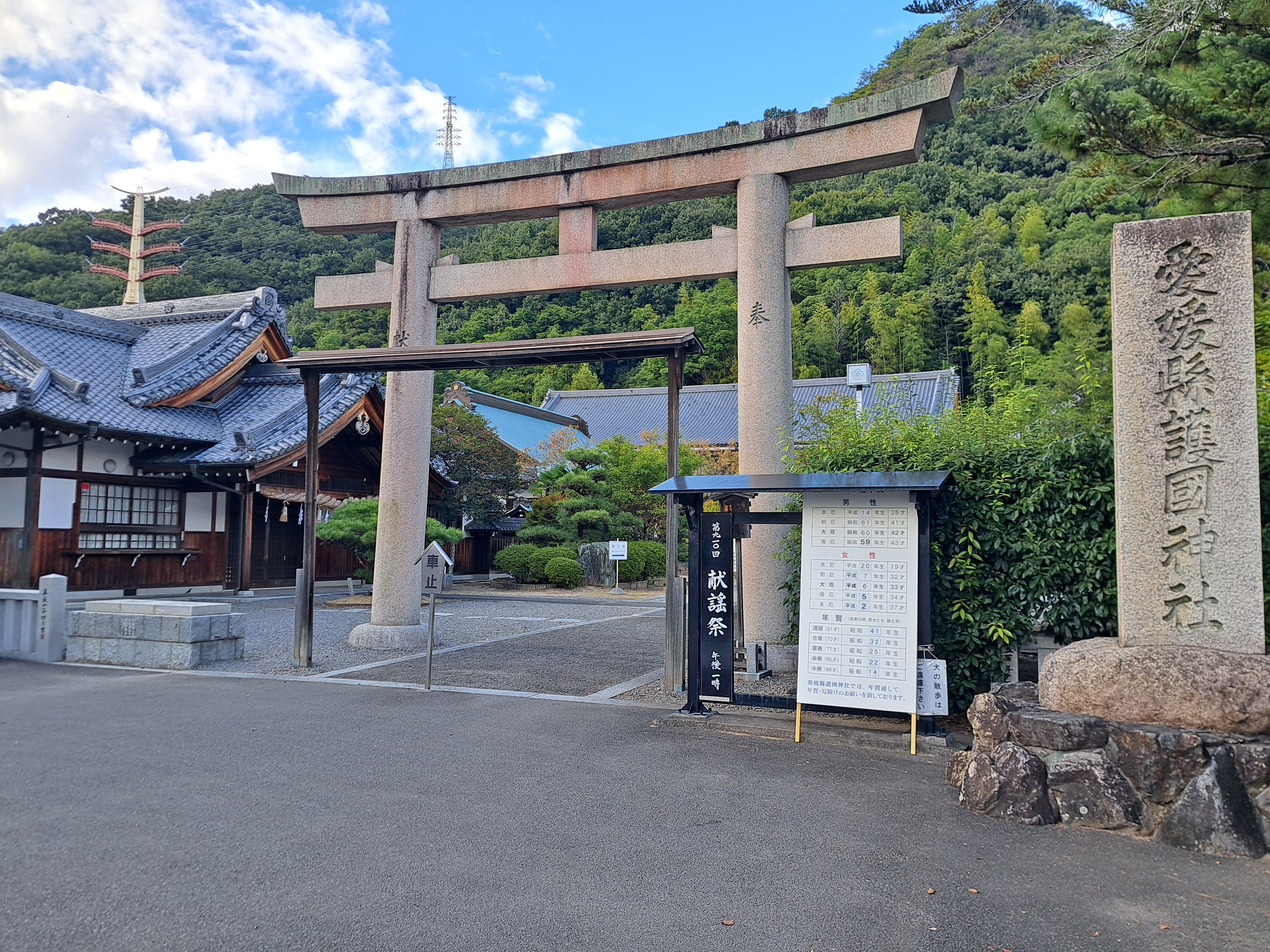
Ehime Gokoku Shrine
A shrine in Miyuki 1-chome. The area around the Nikitatsu poem monument in its grounds is the Ehime Manyoen, a garden of plants from the Man'yoshu.
Ishite-ji Okunoin Atago-sha
Atago-sha, the inner sanctuary (okunoin) of Ishite-ji, the 51st temple of the Shikoku 88-temple pilgrimage. It is a quiet place of worship nestled in the hills.

Matsuyama Toshogu (formerly Matsuyama Shrine)
A shrine in Iwaidani-higashi-machi, Matsuyama, enshrining Tokugawa Ieyasu and Sugawara no Michizane. In 2025 (Reiwa 7) it was renamed from its former name, Matsuyama Shrine, to Matsuyama Toshogu. Its shrine buildings are designated Tangible Cultural Properties of Ehime Prefecture.
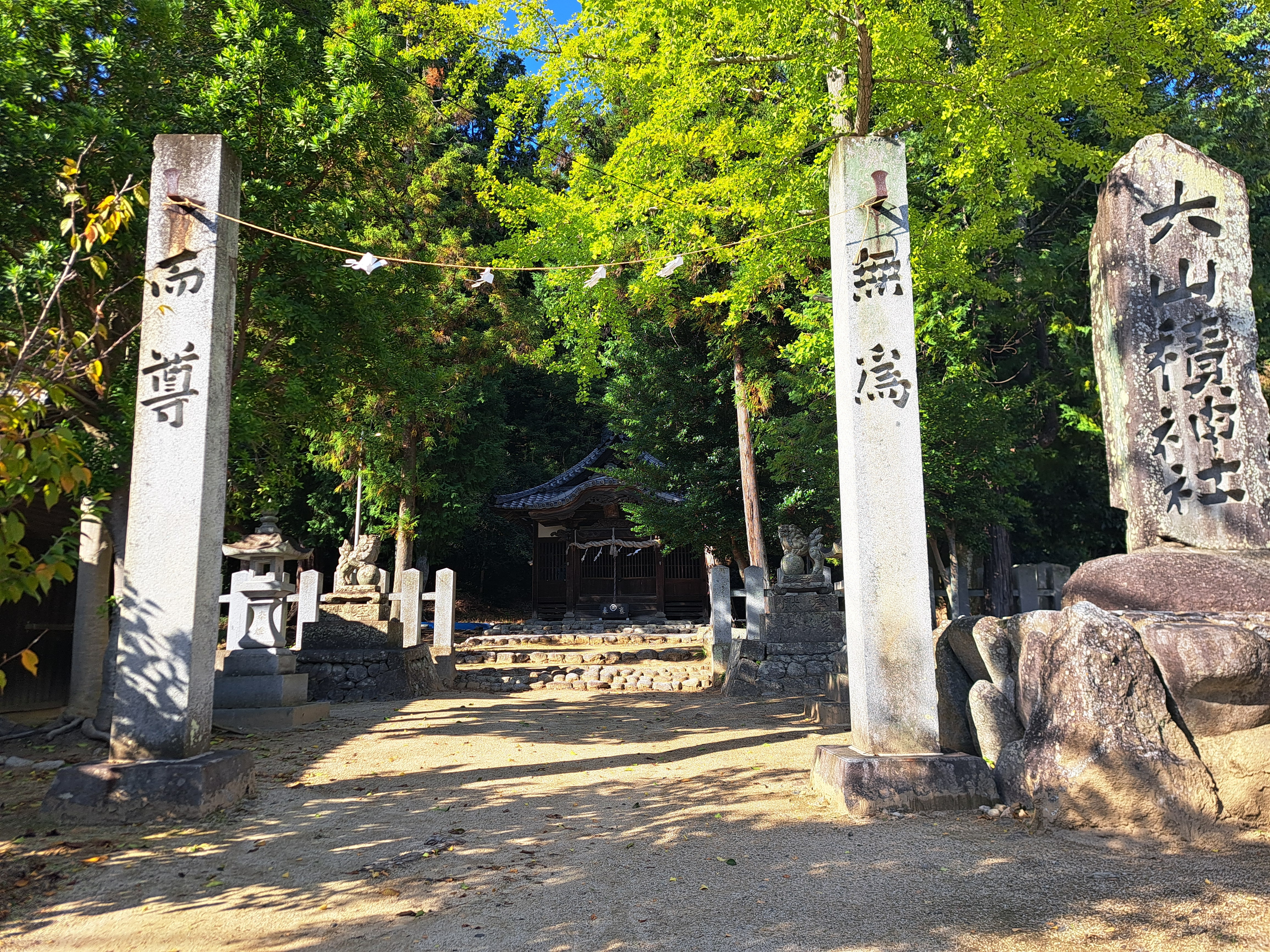
Oyamazumi Jinja Shrine (Ishite)
A shrine located in Ishite, Matsuyama City. It is said to have been founded in 1279 when Kono Michiari transferred the divided deity from Oyamazumi Shrine on Omishima.