
Matsuyama Toshogu (formerly Matsuyama Shrine)
A shrine in Iwaidani-higashi-machi, Matsuyama, enshrining Tokugawa Ieyasu and Sugawara no Michizane. In 2025 (Reiwa 7) it was renamed from its former name, Matsuyama Shrine, to Matsuyama Toshogu. Its shrine buildings are designated Tangible Cultural Properties of Ehime Prefecture.
Matsuyama Toshogu (formerly Matsuyama Shrine) is a shrine enshrined in Iwaiyadanimachi, Matsuyama City. It enshrines Lord Tokugawa Ieyasu (Toshogu Daigongen) and Lord Sugawara no Michizane as the main deities, and Oanamuchi no Mikoto and Sukunabikona no Mikoto in the joint shrine. It was called "Matsuyama Shrine" for a long time, and the shrine name was changed to "Matsuyama Toshogu" in 2025.
History
It is said that the shrine originated in 1618 when the lord of the Matsuyama Domain, Kato Yoshiaki, built a shrine within the precincts of Yuzuki Hachimangu Shrine (currently Isaniwa Shrine) to enshrine Tokugawa Ieyasu. In 1765, during the reign of the eighth lord Matsudaira Sadakiyo, the shrine was moved to the current location where Joshin-ji Temple of the Tendai sect was located, and from 1767 to 1768, the Toshogu shrine was constructed for the 150th anniversary memorial service of Ieyasu's death. In 1865, during the reign of the 13th lord Matsudaira Katsushige, the existing shrine buildings were reconstructed.
It was separated from Joshin-ji Temple due to the separation of Shinto and Buddhism in 1868, and was later transferred to Iwaiyada Village. In 1910, Sugawara no Michizane was enshrined by merging the neighboring Iwaiyada Tenmangu Shrine, and the shrine name was changed to "Matsuyama Shrine."
Cultural Properties
In 2004, six buildings including the main hall and the worship hall were designated as historical sites of Matsuyama City, and in 2021, the shrine buildings were designated as tangible cultural properties of Ehime Prefecture.
Access
About a 10-minute walk from "Dogo Onsen" Station on the Iyo Railway City Tram. It is enshrined on a hill close to Dogo Onsen Honkan and Dogo Park (Yuzuki Castle Ruins).
Source: "Matsuyama Toshogu" Wikipedia (CC BY-SA) / Ehime Prefecture Shrine Agency Last verified: July 2026
More spots in North Dogo Area
See all in this area →Dogo Onsen Iwaidani Higashimachi Parking
A municipal parking area open 24 hours a day. The first hour is free for everyone. Capacity is 43 vehicles.
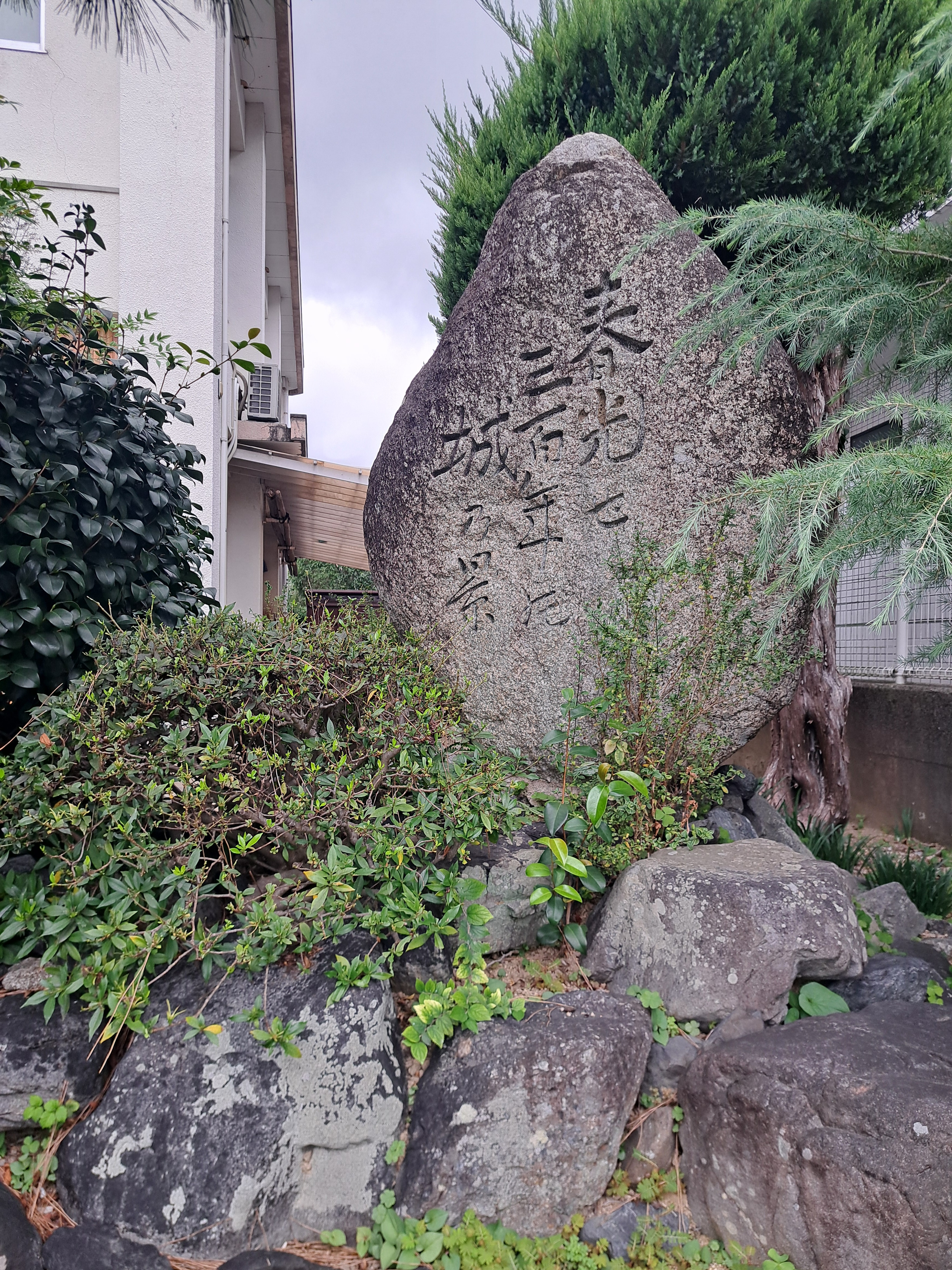
Sakai Mokuzen Haiku Monument (Iwaidani Community Center)
A haiku monument for Sakai Mokuzen at the Iwaidani branch of the Dogo Community Center in Iwaidani. It bears the verse "Shunko ya sanbyaku-nen no shiro no kei" and was unveiled in 1962 (Showa 37).
Shikoku Tours (Rental Cycles)
A bicycle-rental base 10 minutes on foot from Dogo Onsen Station. It offers E-BIKES and Brompton mini-bikes.
Myosei-ji Temple
A Nichiren sect temple located in Yamada-cho Otsu, Matsuyama City. The mountain name is Jueizan. Within the grounds, there is the grave of Yanagihara Kyokudo, a haiku poet who founded the haiku magazine "Hototogisu".
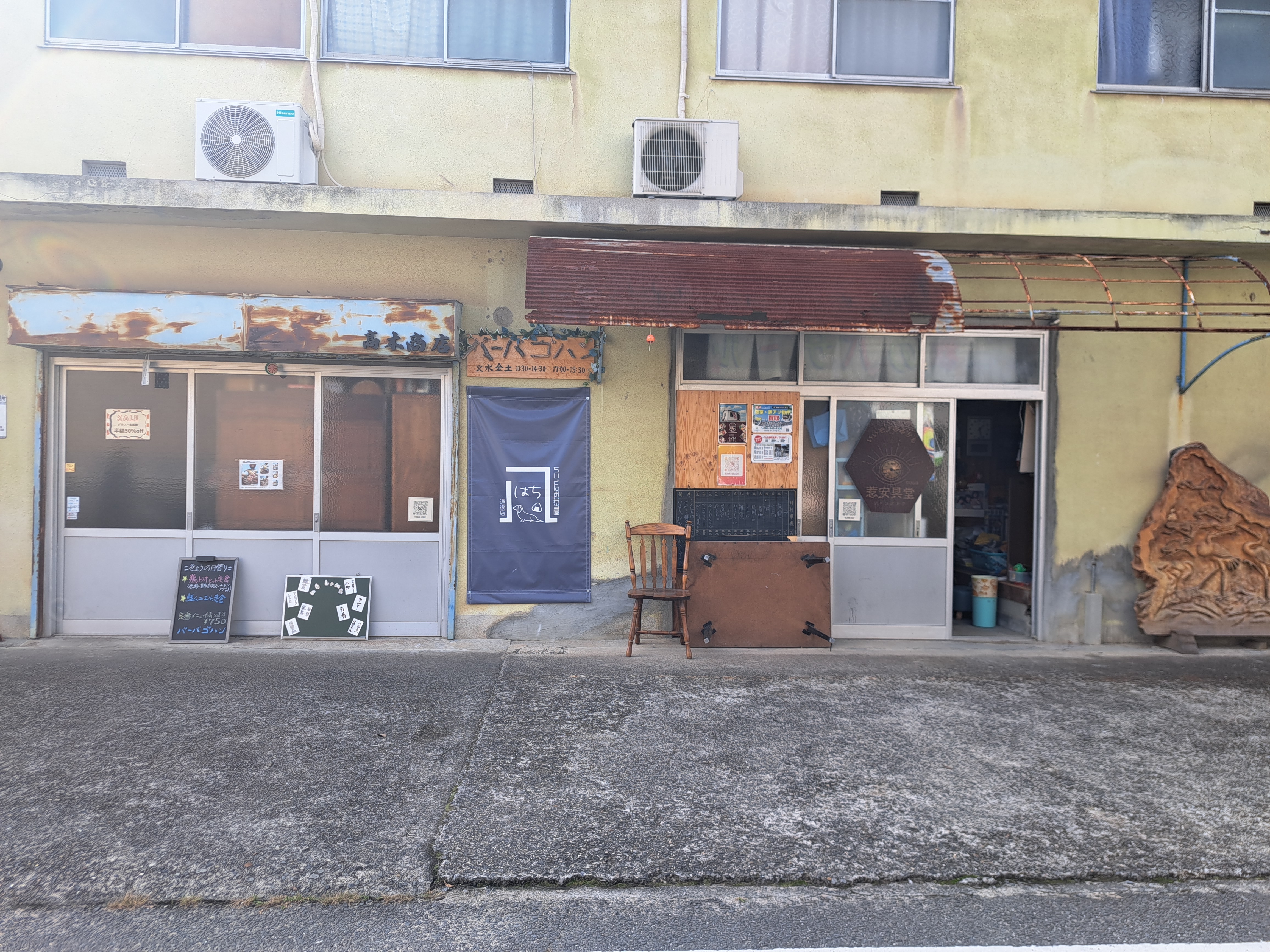
Takagi Shoten
A shop on the first floor of the Kuribayashi Apartment in Iwaidani 4-chome, Matsuyama. The same building houses the eatery "Baaba Gohan" and "Chiisana Obentoya Hachi". Confirmed open on site on 20 October 2026.
moricafe Iwaidani
A cafe in Iwaidani, Matsuyama. It serves pancakes, waffles and a daily lunch.
Mausoleum of Matsudaira Sadayuki
The mausoleum of Matsudaira Sadayuki (1587–1668), the first lord of the Matsuyama Domain, located within the grounds of Joshin-ji Temple. It is a designated historic site of Ehime Prefecture. Sadayuki entered Matsuyama in 1635 (Kan'ei 12) and rebuilt the keep of Matsuyama Castle into three tiers.
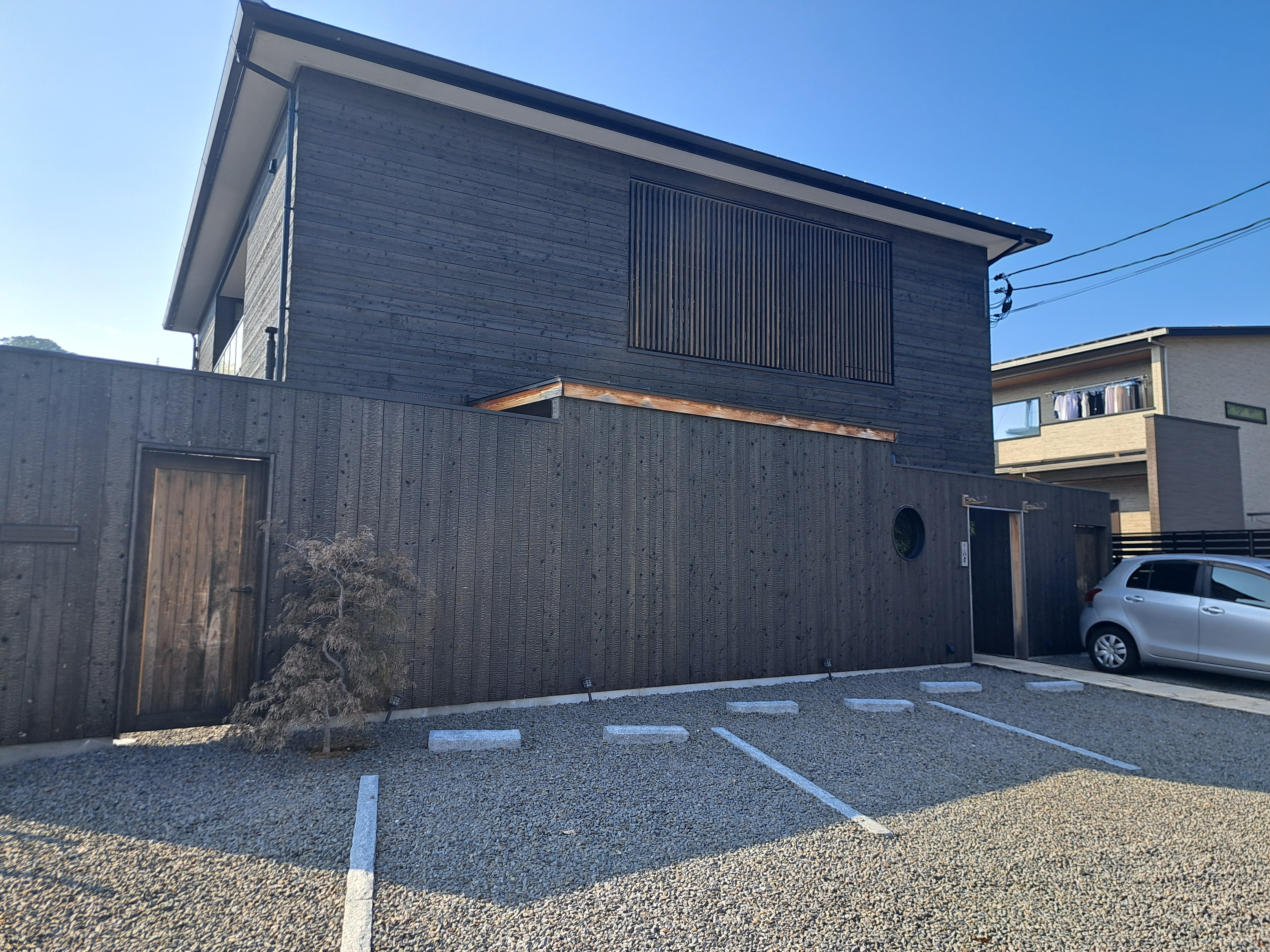
Ajigen Yamamoto
A reservation-only Japanese kappo restaurant in Iwaidani, Matsuyama. It uses no chemical seasonings and serves omakase courses, nigiri sushi, eel dishes and hand-cut soba. It is in an area close to Dogo.
More "Shrines" spots
See all in this category →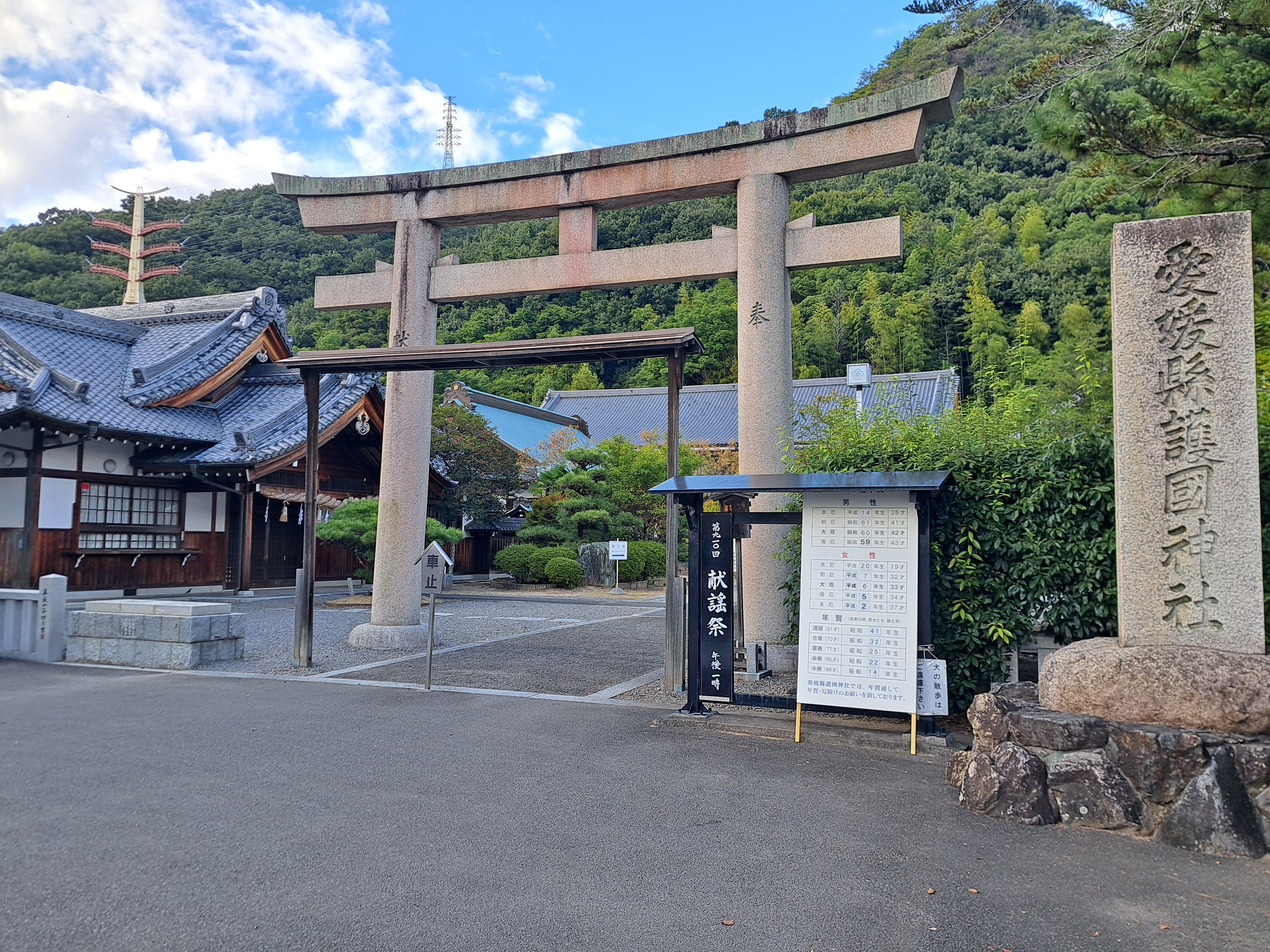
Ehime Gokoku Shrine
A shrine in Miyuki 1-chome. The area around the Nikitatsu poem monument in its grounds is the Ehime Manyoen, a garden of plants from the Man'yoshu.
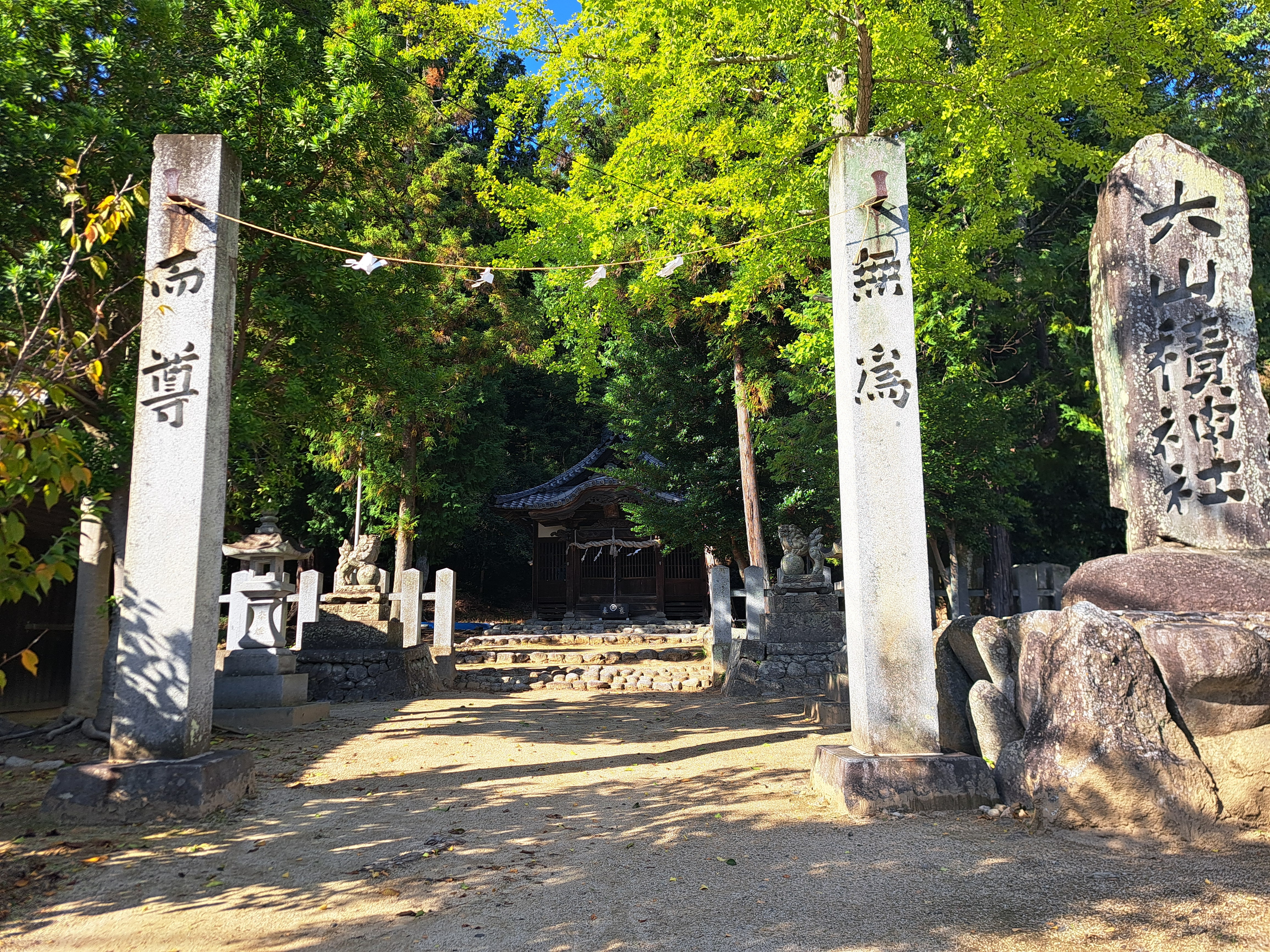
Oyamazumi Jinja Shrine (Ishite)
A shrine located in Ishite, Matsuyama City. It is said to have been founded in 1279 when Kono Michiari transferred the divided deity from Oyamazumi Shrine on Omishima.

Dogo Shusse Inari Jinja Shrine
An Inari shrine located in the Dogo Onsen town area (Dogo Yunomachi, Matsuyama City). The worship hall, which had been demolished due to aging, was rebuilt in 2018.
Ishite-ji Okunoin Atago-sha
Atago-sha, the inner sanctuary (okunoin) of Ishite-ji, the 51st temple of the Shikoku 88-temple pilgrimage. It is a quiet place of worship nestled in the hills.
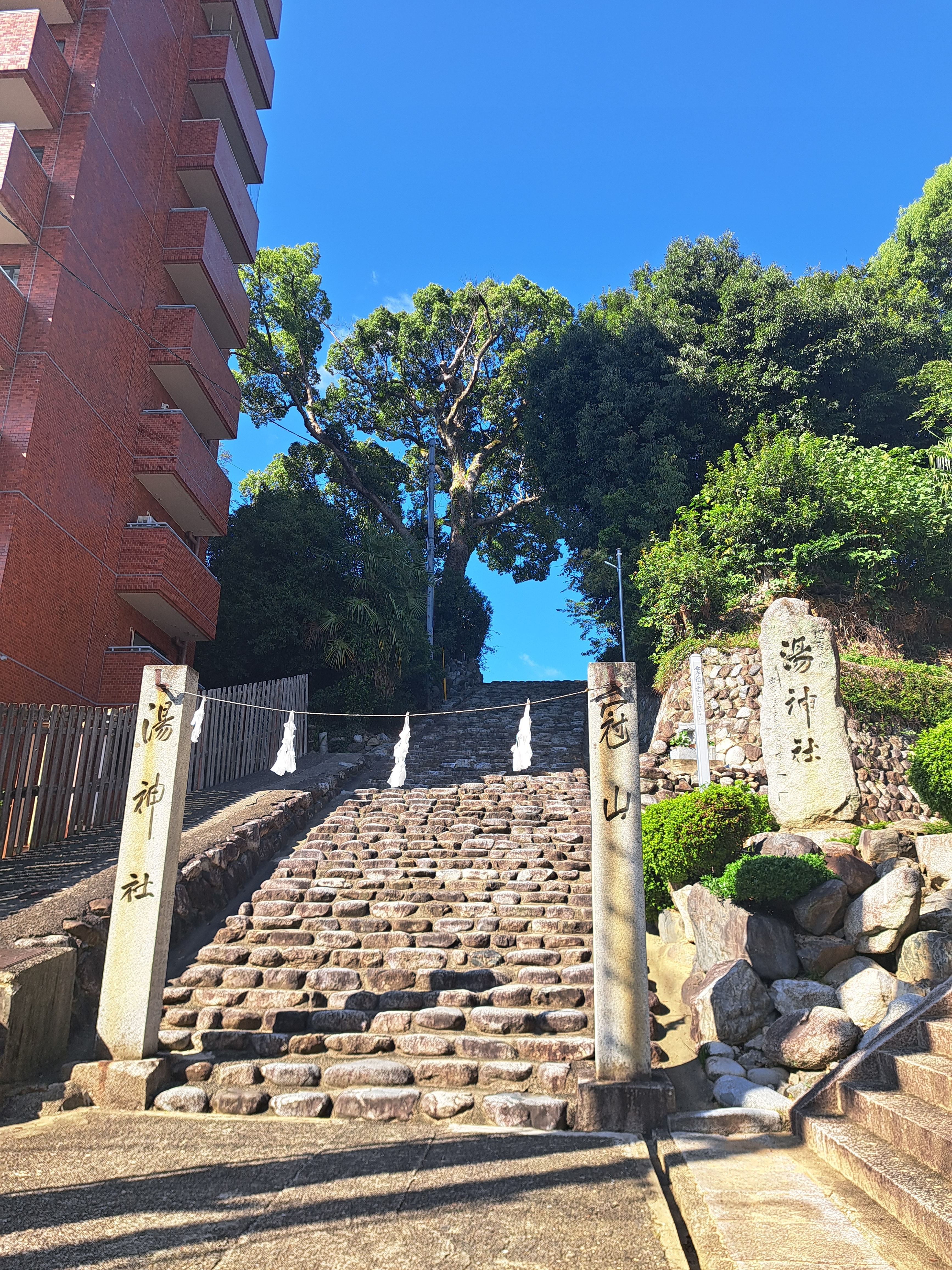
Yu Jinja Shrine
A shrine on Kanmuriyama hill, revered as the guardian deity of Dogo Onsen. Its principal deities are Onamuchi-no-Mikoto and Sukunahikona-no-Mikoto. A legend tells that hot water which had stopped after an earthquake began to flow again through prayer.
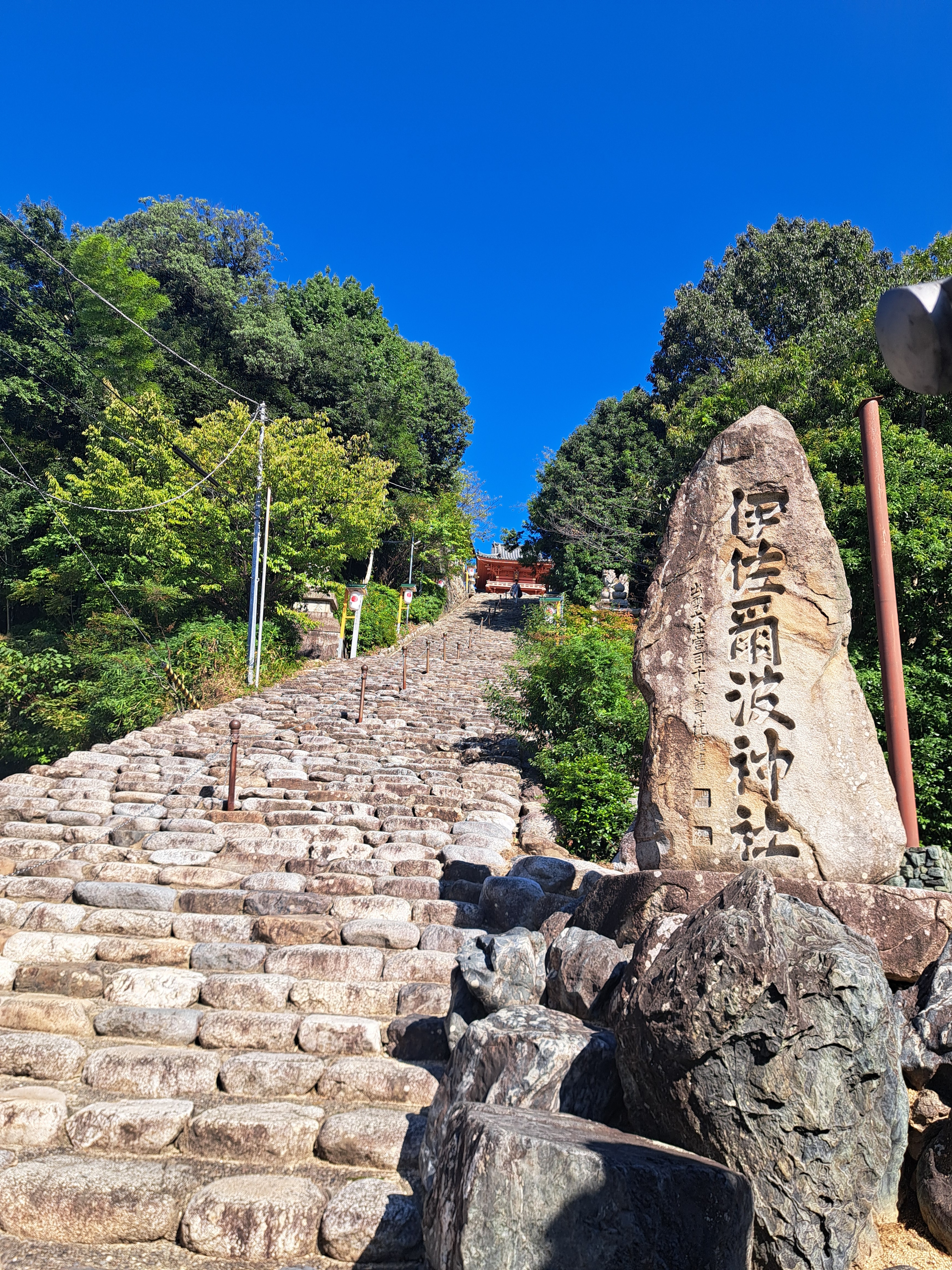
Isaniwa Jinja Shrine
A Hachiman-zukuri style shrine set on a hill in Dogo. The existing shrine buildings were constructed in 1667 (Kanbun 7) by Matsudaira Sadanaga, lord of the Matsuyama Domain, and the main hall and other structures are designated National Important Cultural Properties.