
Dogo Shusse Inari Jinja Shrine
An Inari shrine located in the Dogo Onsen town area (Dogo Yunomachi, Matsuyama City). The worship hall, which had been demolished due to aging, was rebuilt in 2018.
Dogo Shusse Inari Shrine is an Inari shrine located in the Dogo Onsen resort area (Dogo Yunomachi, Matsuyama City).
About Inari Beliefs
Inari-no-kami is a grain and agricultural deity symbolizing rice. Identified with Miketsu-no-kami and Ukanomitama, who govern the five grains, Ukanomitama is enshrined as the primary deity in many Inari shrines, including the head shrine, Fushimi Inari Taisha. While originally a deity of grains and agriculture, it is now regarded as a deity for all industries, including commerce and manufacturing, drawing devotion for business prosperity, and is one of the most widely worshiped deities in Japan.
Reconstruction of the Worship Hall
On the official website of Isaniwa Shrine, it is reported in July 2018 that the worship hall, which had been demolished for a long time due to aging, was successfully reconstructed.
Worship
Located in a corner near Dogo Onsen Honkan, visitors can stop by during hot spring tours or strolls around the town. Visiting is mainly done during the daytime.
Source: Isaniwa Shrine Official Website "Dogo Inari Shrine" (July 7, 2018) https://isaniwa.official.jp/2018/07/07/Dogo稲荷神社/ / "Inari-no-kami" Wikipedia (CC BY-SA) Last confirmed date: July 29, 2026
More spots in Central Dogo Onsen Area
See all in this area →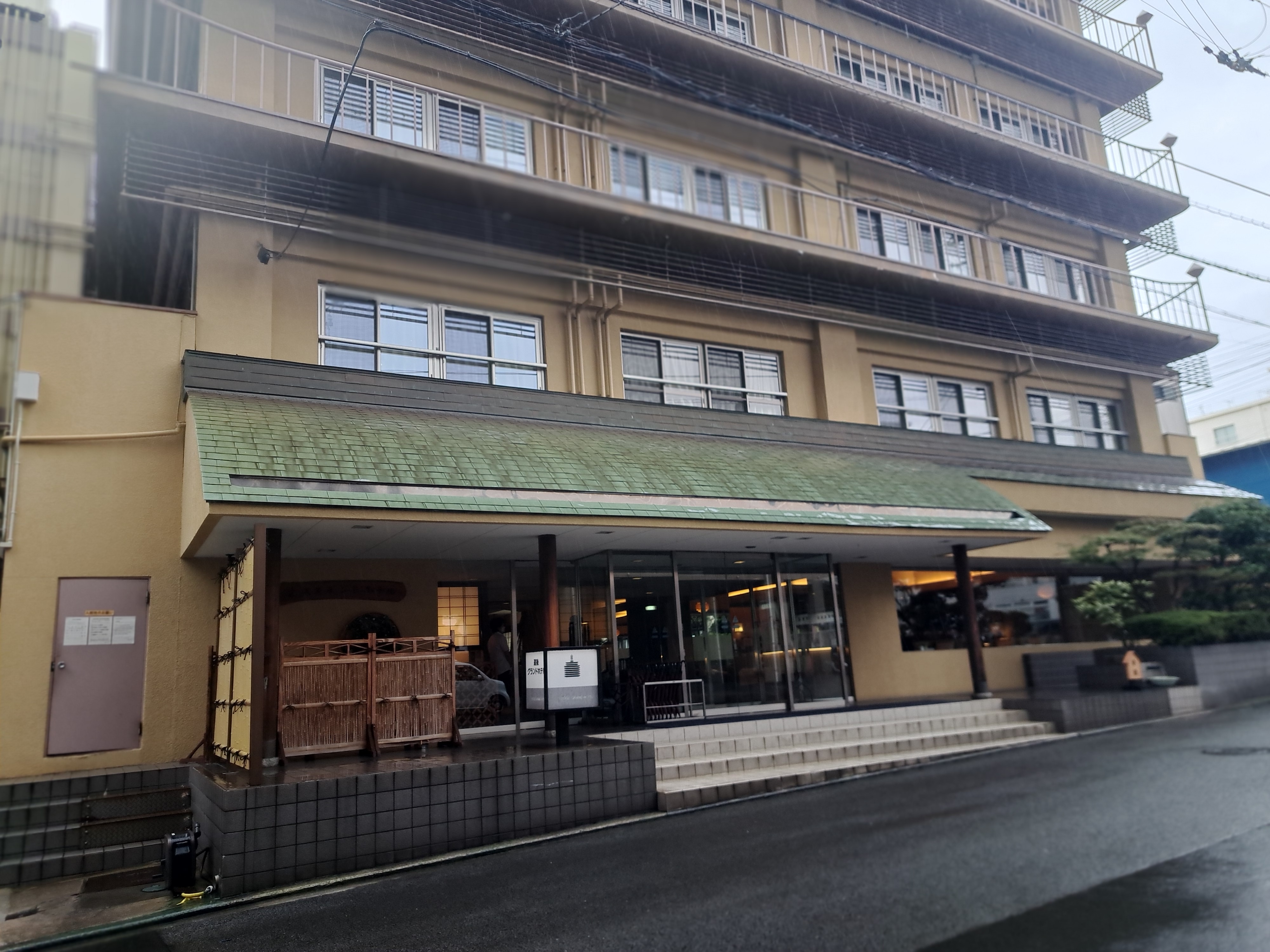
Dogo Grand Hotel
A hot spring hotel about a 4-minute walk from Dogo Onsen Honkan on level ground. It has the large baths Ai-no-Yu and Hime-no-Yu, fed from the hot spring source, and serves kaiseki meals.
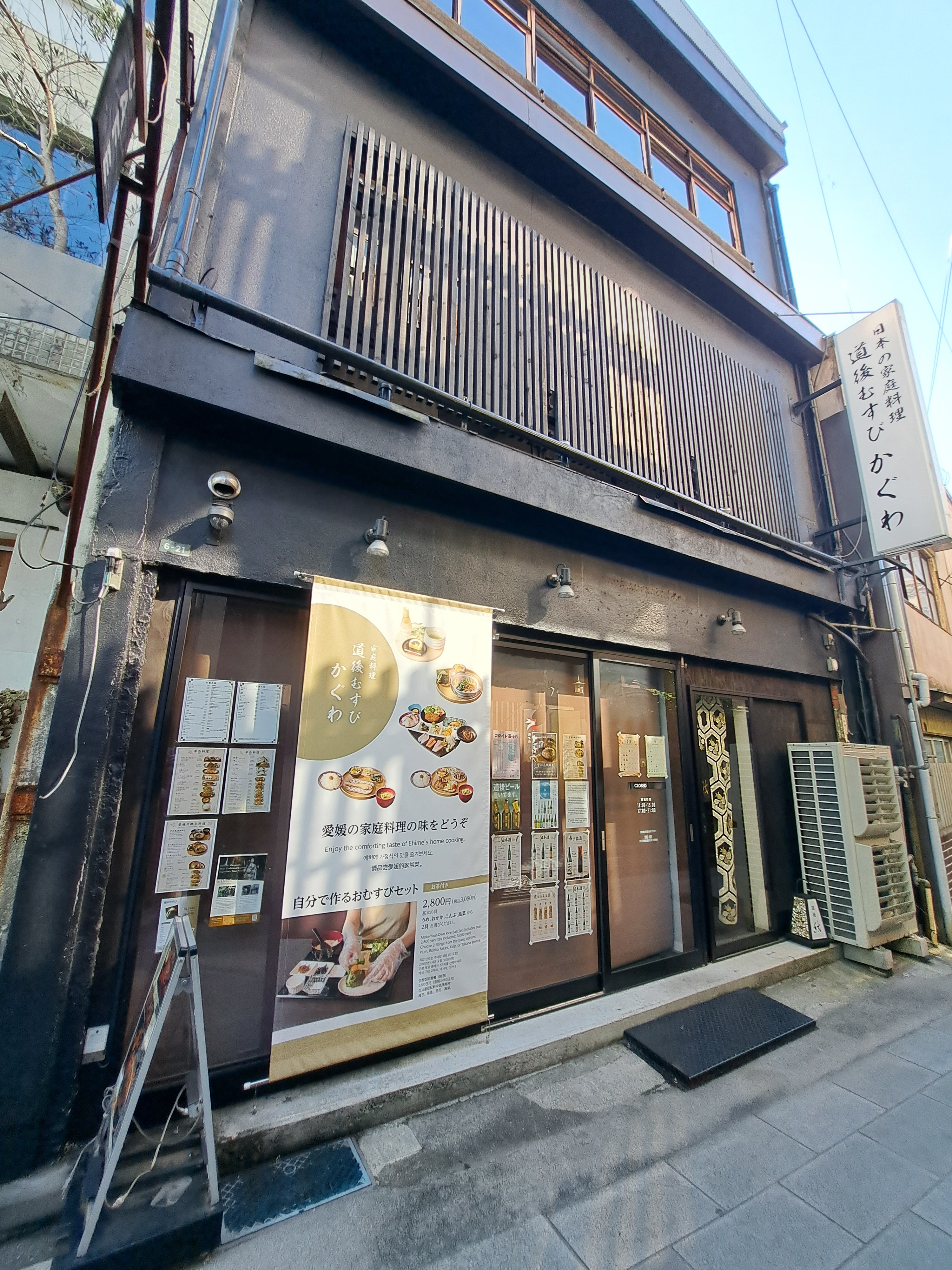
Dogo Musubi Kaguwa
An eatery located in a back alley of Dogo Shotengai. Opened on August 1, 2025. In addition to obanzai lunches and nabeyaki udon, visitors can experience making omusubi and matcha.
New Dogo Music
A theater located in Dogo Yunomachi. It is the only surviving strip theater in Shikoku, holding performances with a system of clearing the audience between shows. Persons under 18 years of age are not admitted. During the day, an udon restaurant operates in the same building.
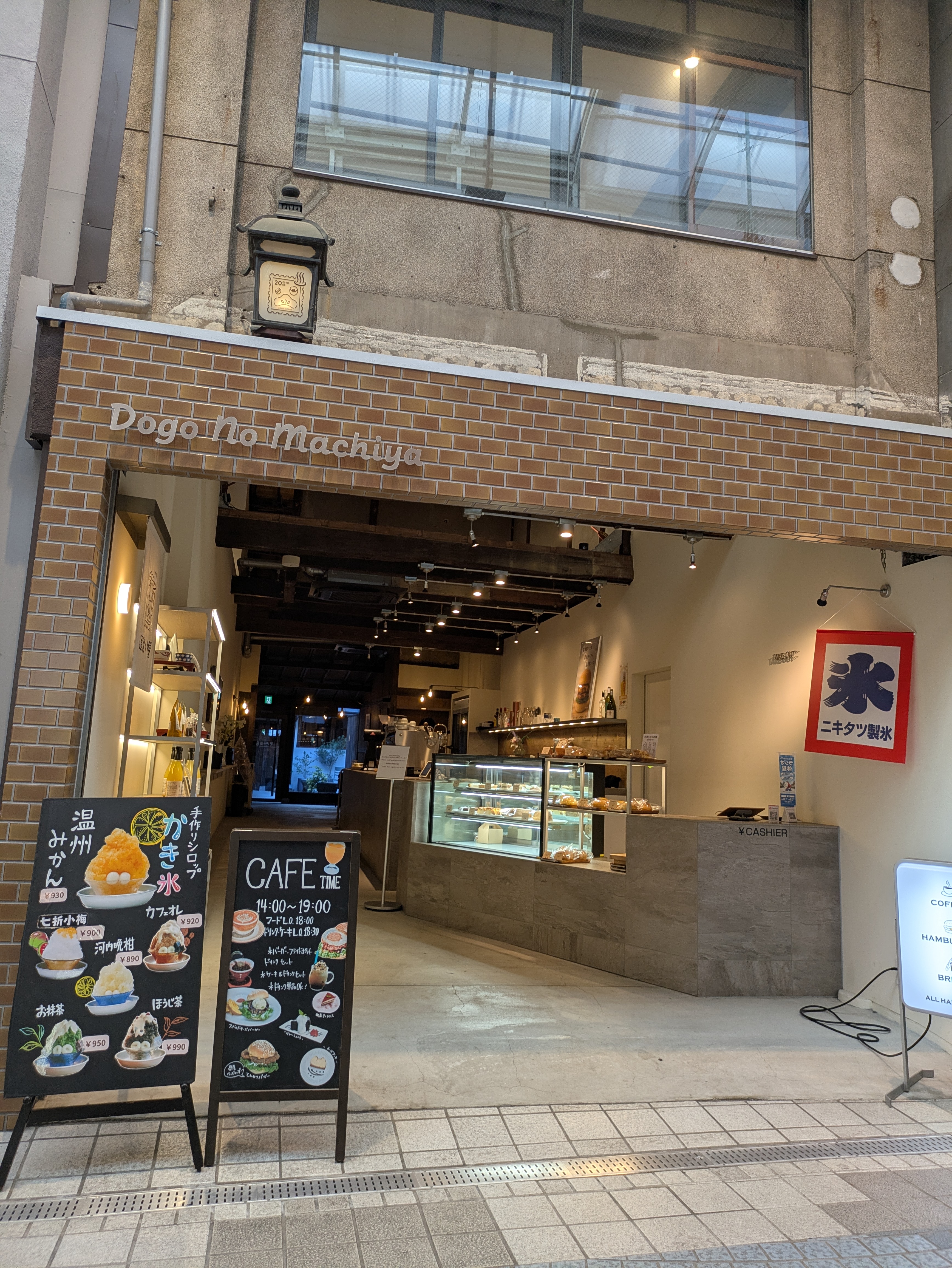
Dogo no Machiya
A cafe in a traditional wooden townhouse on Dogo Haikara-dori. It is known for making use of a building from the Taisho era.
Starbucks Coffee Dogo Onsen Station
A Starbucks using the entire station building of Iyo Railway Dogo Onsen Station. Opened in December 2017, it is open from 8:00 to 21:00, with 45 indoor seats and 8 terrace seats.
Yaya Dining
The breakfast-focused restaurant of Hotel Dogo Yaya. It serves a buffet of local produce, including mandarin juice poured from a tap.
Jugomangoku MASARU
A souvenir shop in the Dogo Onsen district. It stocks a wide range of souvenirs, including sweets, sake and specialities from Dogo, Matsuyama and Ehime as well as the wider Shikoku and Seto Inland Sea area, plus mascot-character goods.

Tsuboya Kashiho
A long-established Dogo confectioner founded in 1883 (Meiji 16), said to be the model for the dango shop in Soseki's Botchan. It sells the original Botchan dango and shoyu-mochi.
More "Shrines" spots
See all in this category →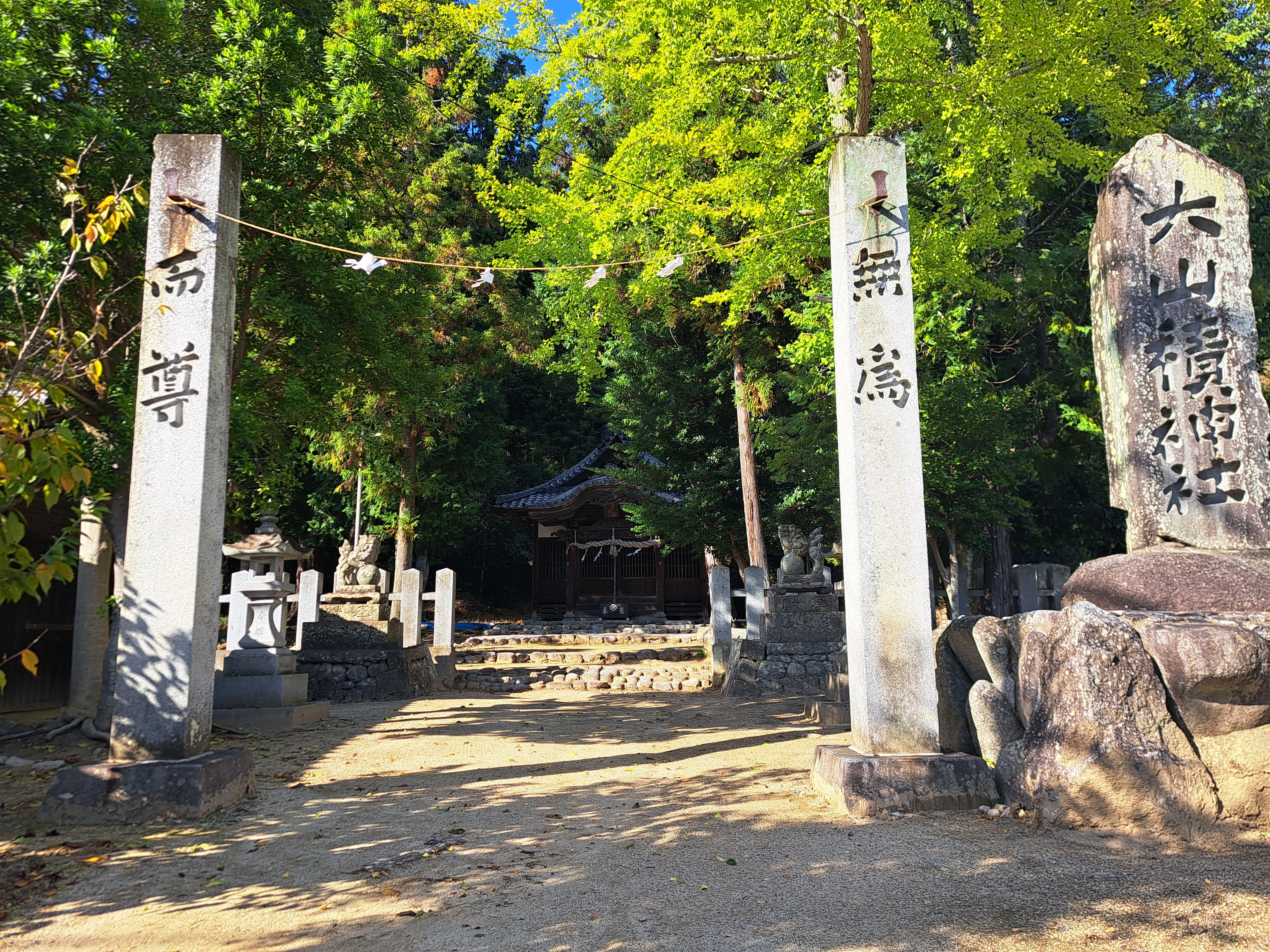
Oyamazumi Jinja Shrine (Ishite)
A shrine located in Ishite, Matsuyama City. It is said to have been founded in 1279 when Kono Michiari transferred the divided deity from Oyamazumi Shrine on Omishima.
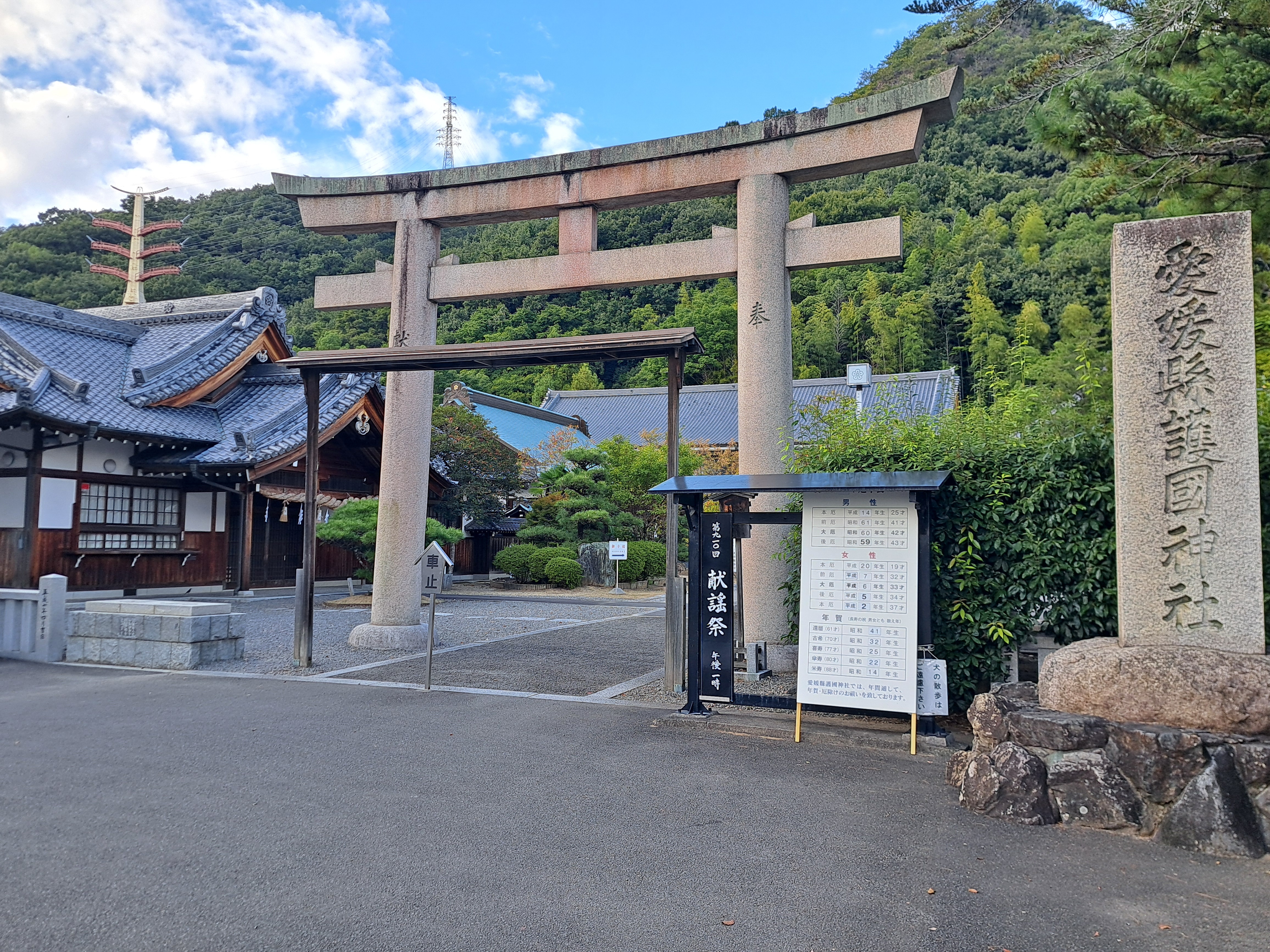
Ehime Gokoku Shrine
A shrine in Miyuki 1-chome. The area around the Nikitatsu poem monument in its grounds is the Ehime Manyoen, a garden of plants from the Man'yoshu.

Matsuyama Toshogu (formerly Matsuyama Shrine)
A shrine in Iwaidani-higashi-machi, Matsuyama, enshrining Tokugawa Ieyasu and Sugawara no Michizane. In 2025 (Reiwa 7) it was renamed from its former name, Matsuyama Shrine, to Matsuyama Toshogu. Its shrine buildings are designated Tangible Cultural Properties of Ehime Prefecture.
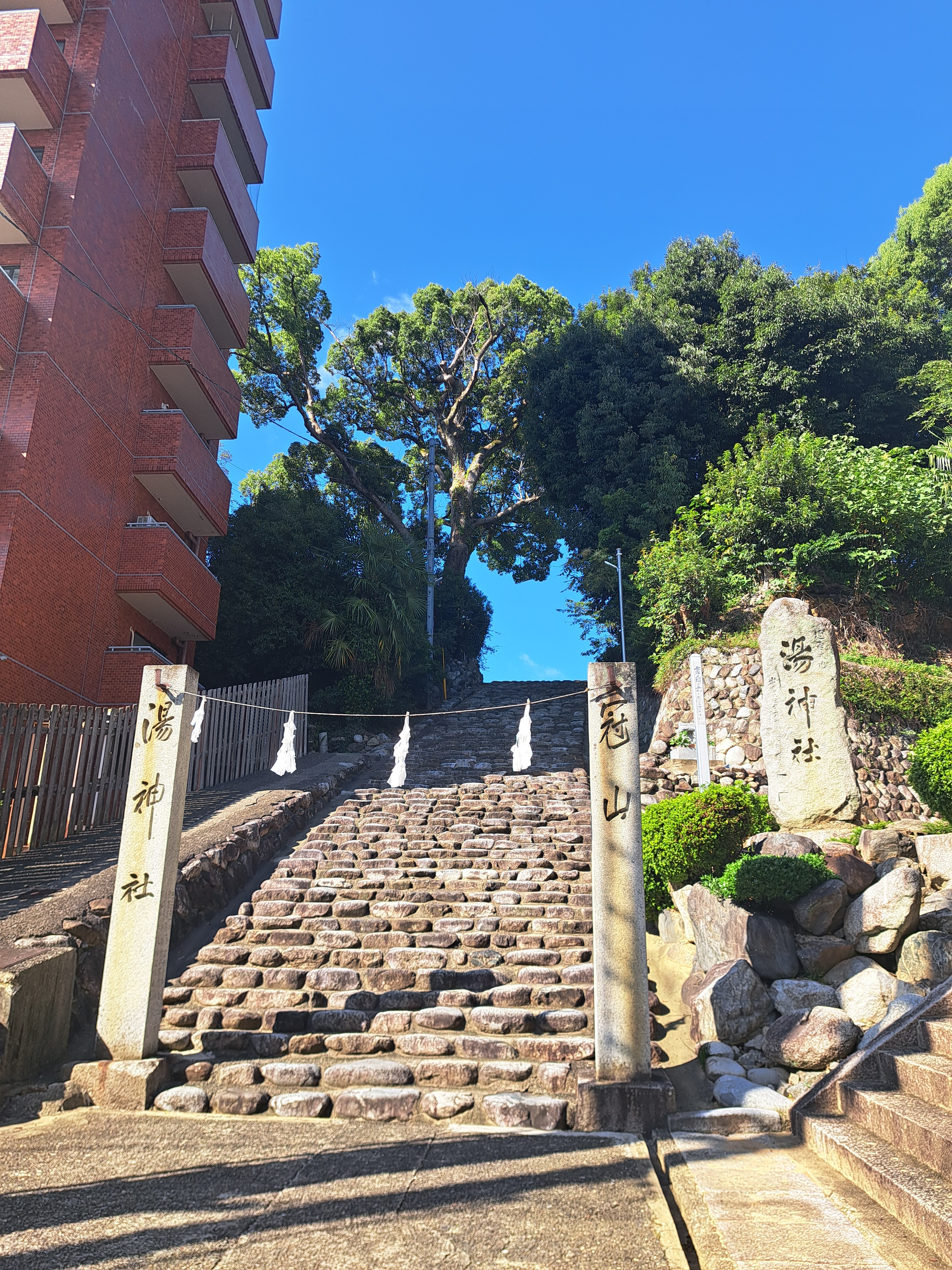
Yu Jinja Shrine
A shrine on Kanmuriyama hill, revered as the guardian deity of Dogo Onsen. Its principal deities are Onamuchi-no-Mikoto and Sukunahikona-no-Mikoto. A legend tells that hot water which had stopped after an earthquake began to flow again through prayer.
Ishite-ji Okunoin Atago-sha
Atago-sha, the inner sanctuary (okunoin) of Ishite-ji, the 51st temple of the Shikoku 88-temple pilgrimage. It is a quiet place of worship nestled in the hills.
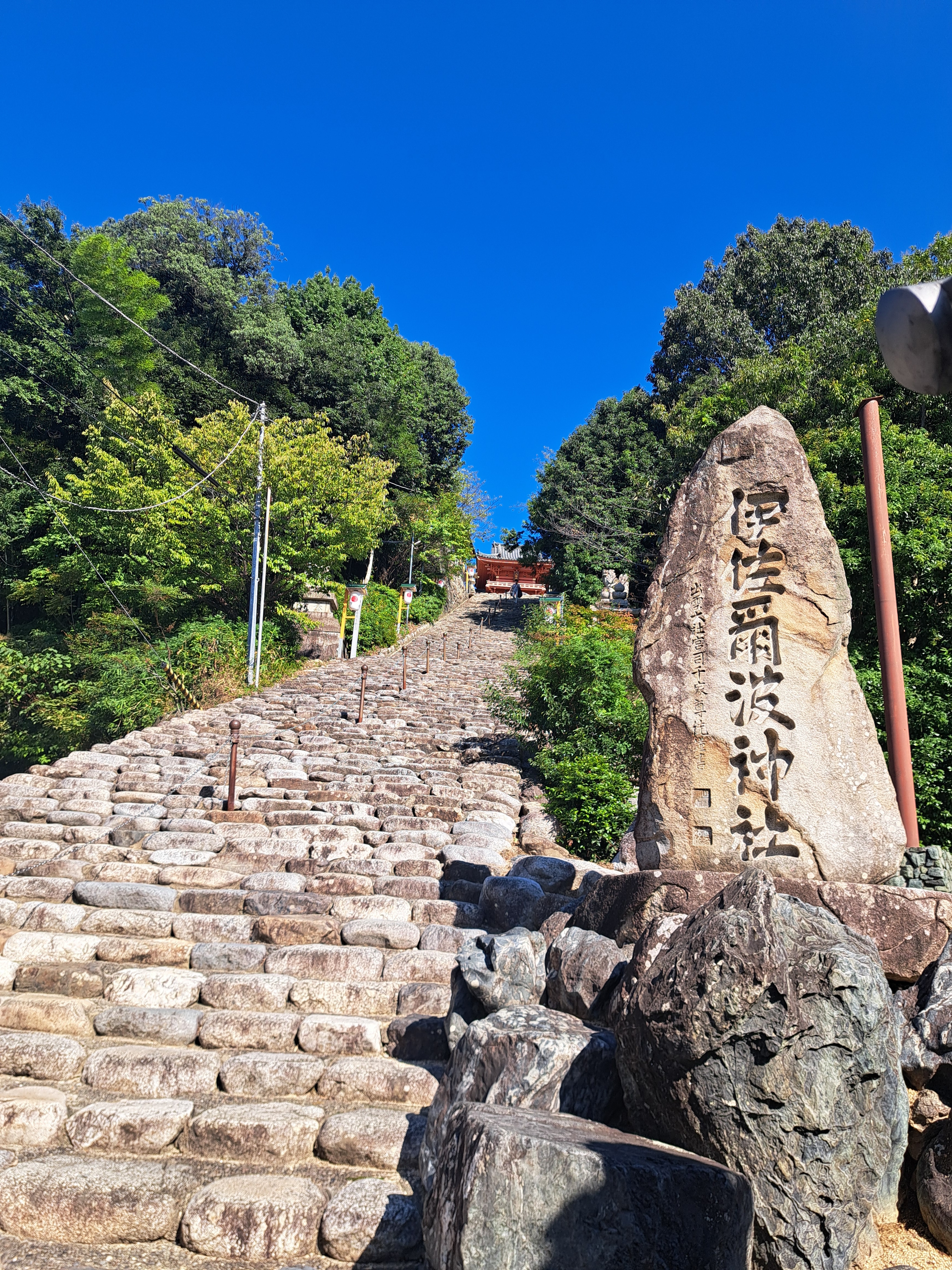
Isaniwa Jinja Shrine
A Hachiman-zukuri style shrine set on a hill in Dogo. The existing shrine buildings were constructed in 1667 (Kanbun 7) by Matsudaira Sadanaga, lord of the Matsuyama Domain, and the main hall and other structures are designated National Important Cultural Properties.